

Brand Stories
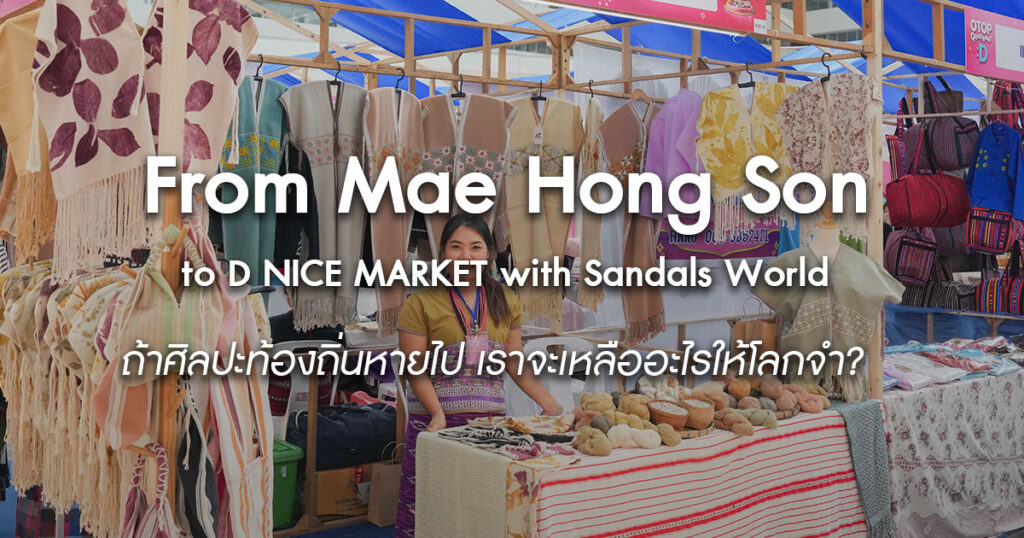
If Local Art Disappears, What Will the World Remember? From Mae Hong Son to D NICE MARKET with Sandals World
Oct
Imagine a future where traditional patterns disappear from local communities. Craft techniques survive only in old photographs. Young people may know global fashion trends but understand little about their own cultural roots.
This raises an important question: Does local art still matter in 2026?
The answer is becoming clearer. Culture does more than tell us where we came from. It can also create products, careers, community income, and new economic opportunities.
Thailand’s Creative Economy Agency reports that the country’s creative industries generate around THB 1.63 trillion. They represent more than 8% of Thailand’s GDP and support nearly one million jobs.
Globally, UNCTAD also highlights the growing value of the creative economy. Creative goods exports reached around USD 713 billion in 2022.
These numbers reveal something important. Traditional creativity is not only part of the past. It can also become part of the future.
So the real question is no longer simply, “Is local art still valuable?” Instead, we should ask, “How can local culture move forward with a changing world?”
Traditional Art Does Not Have to Stay in the Past
UNESCO often describes intangible cultural heritage through the idea of living heritage. Cultural traditions do not need to remain frozen in one form.
Communities change over time. Markets also evolve, while lifestyles continue to shift. Traditional skills can therefore develop while keeping their original meaning.
Protecting cultural heritage does not mean preventing change. Instead, it means helping knowledge, skills, and identity continue across generations.
This idea is especially important for Thailand’s handmade culture. A traditional pattern does not always need to remain on the same textile.
Weaving techniques can inspire bags, clothing, accessories, or handmade sandals. Natural materials can enter contemporary fashion. Traditional craftsmanship can also connect with designers and new markets.
Tradition and modernity do not need to compete. When development respects the original community, both can move forward together.
Mae Hong Son: When Nature Becomes the Language of Craft
In northern Thailand, craftsmanship often reflects the relationship between people and nature. This connection is especially visible in ethnic communities.
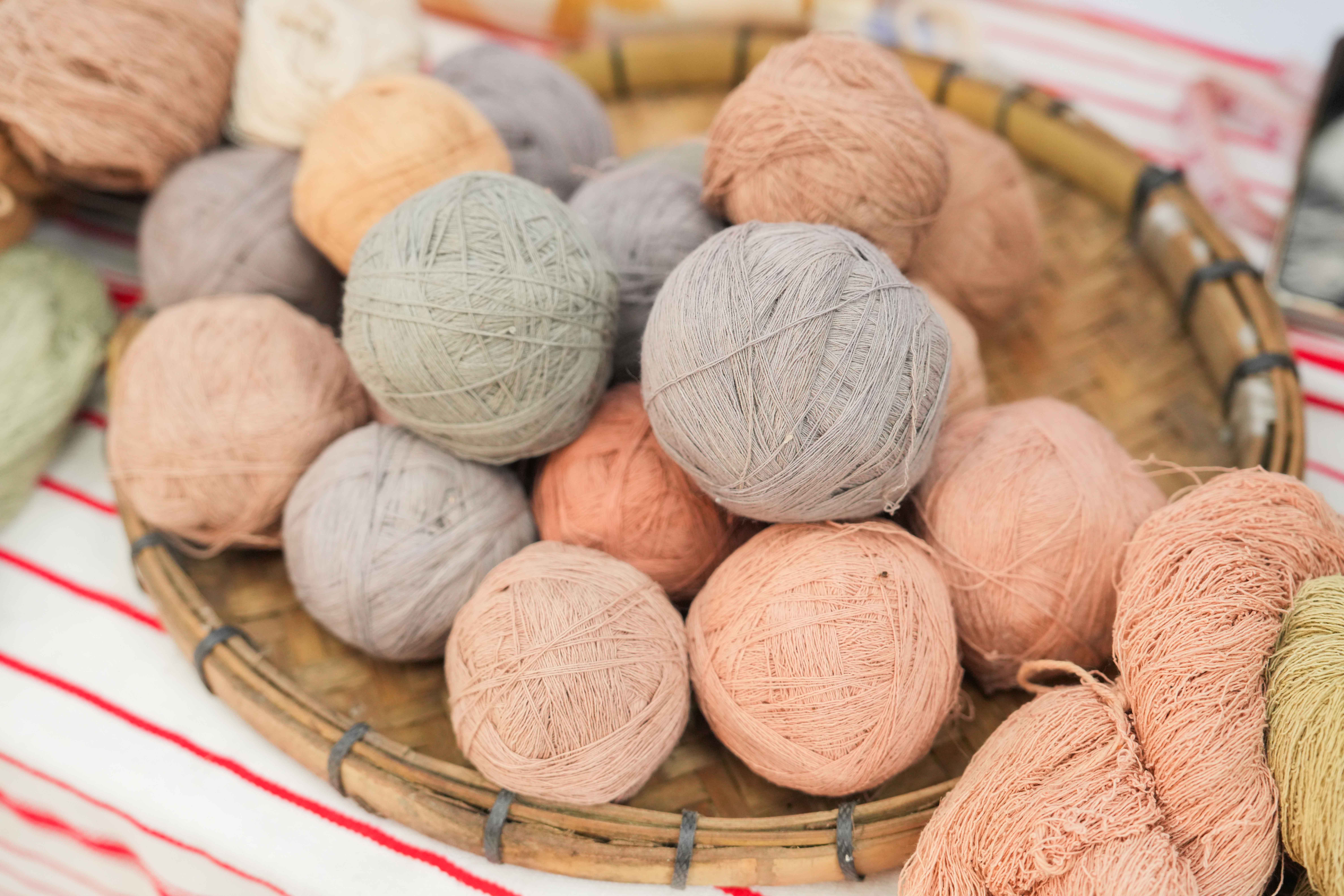
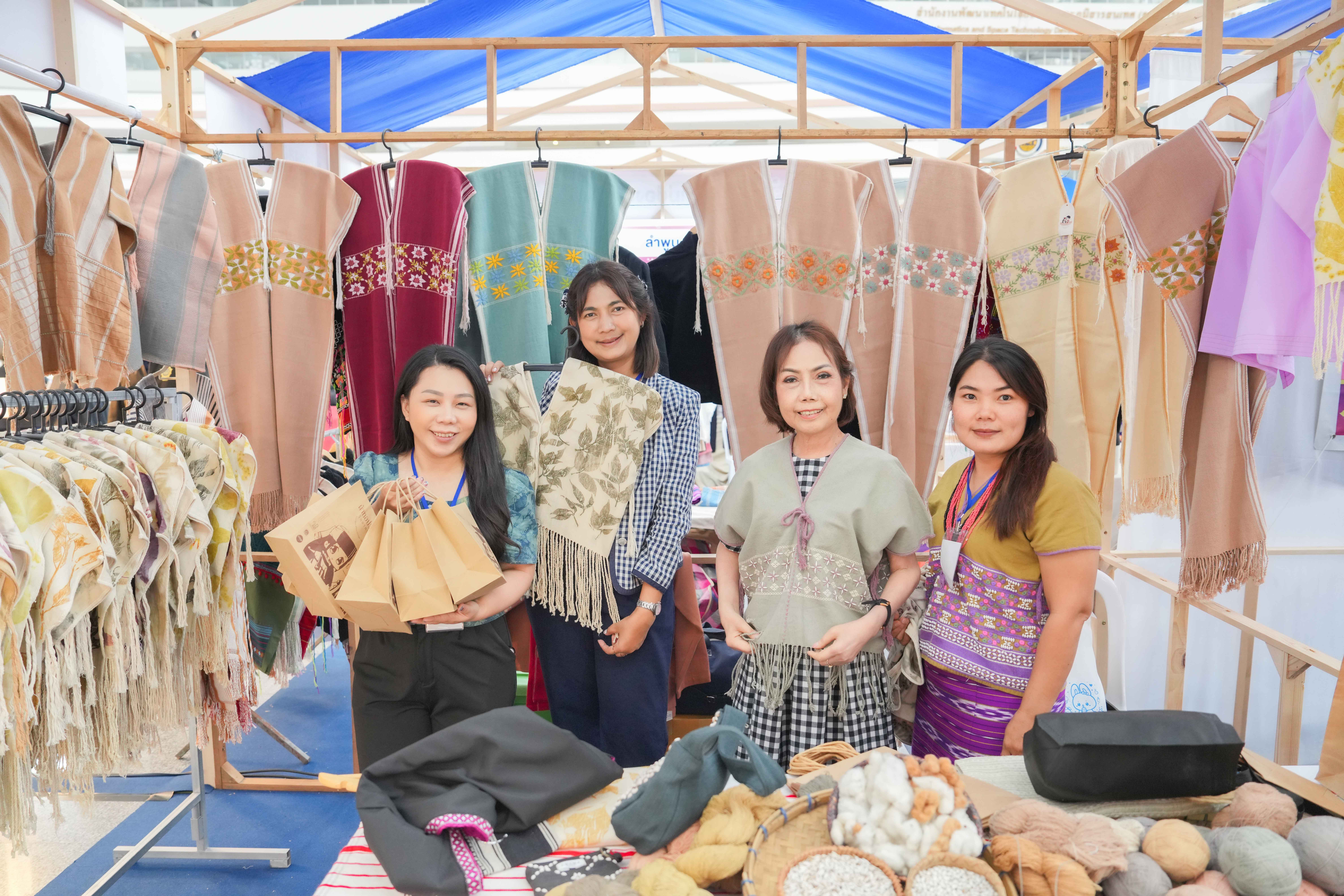
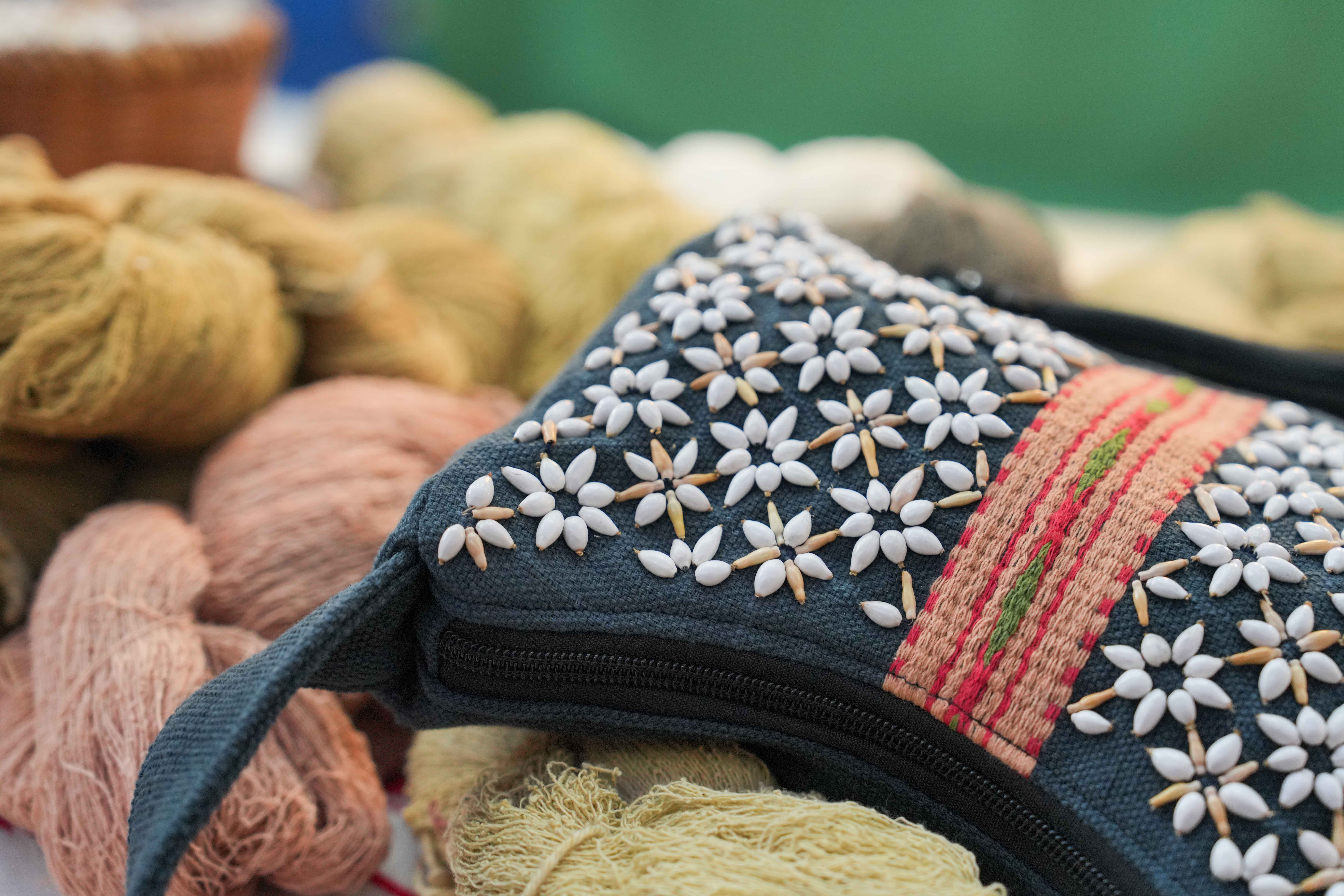
Traditional textiles may use weaving, embroidery, and locally inspired patterns. Natural materials can also become meaningful decorative details.
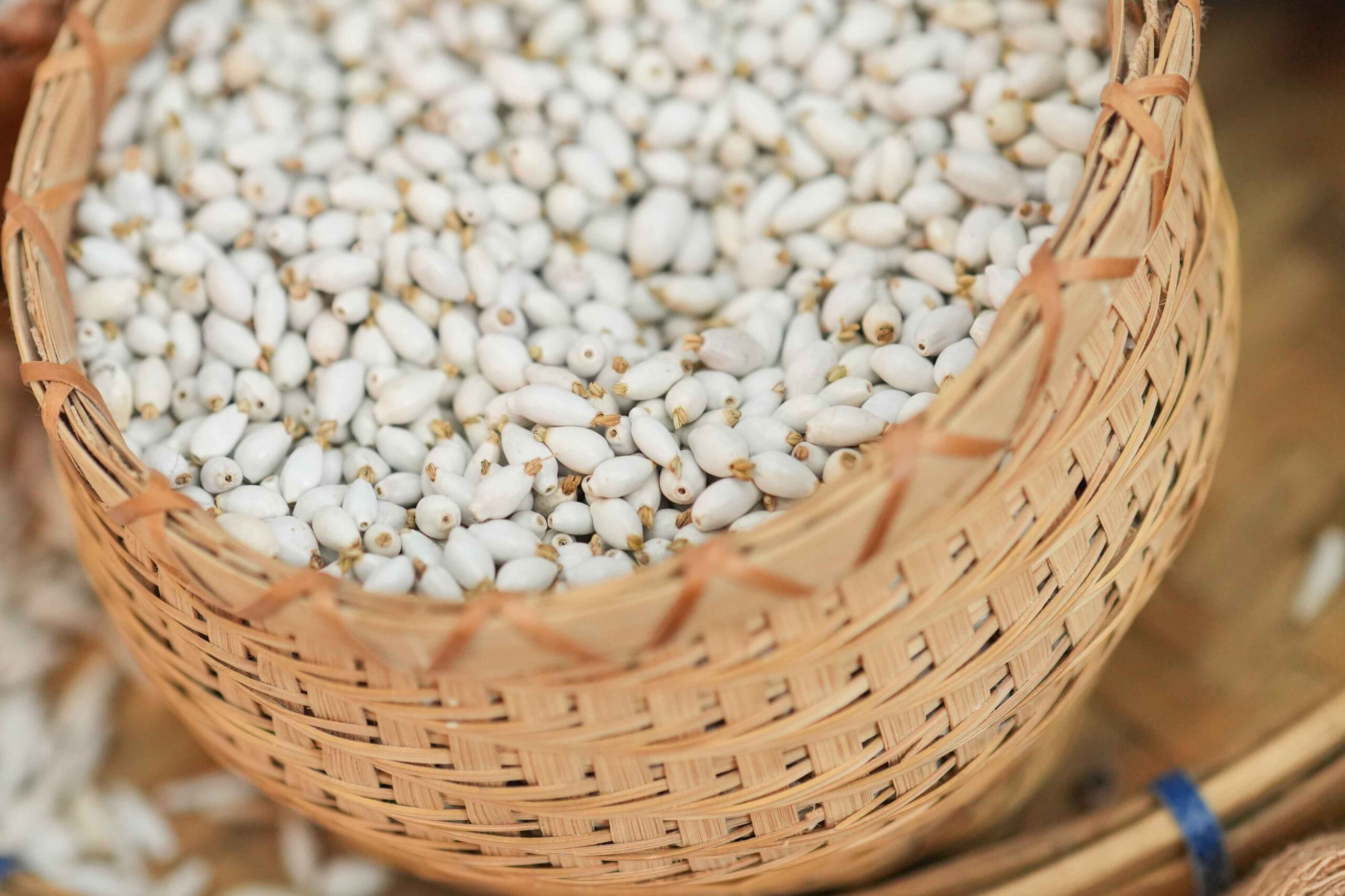
For example, some communities use Job’s tears seeds in textile decoration. Local patterns may draw inspiration from landscapes, daily life, and cultural beliefs.
As a result, local art is not simply decoration. It represents cultural identity.
One motif may reflect something artisans have seen since childhood. Another material may come directly from the land surrounding the village. Meanwhile, a technique may have passed through families for generations.
These details create authenticity. Mass production cannot easily reproduce that feeling.
For this reason, Art & Craft Sandals, textiles, and community products can hold deeper value. They can communicate place, memory, culture, and the people behind the work.
For Sandals World, community development begins with one important question:
How can local knowledge grow without losing the identity that makes it special?
Sandals World has joined community development projects in Mae Hong Son. The work focuses on production skills, product design, and shared learning.
The goal is not to replace traditional skills. Instead, the process helps connect local craftsmanship with contemporary market needs.
Turning Cultural Identity into Contemporary Design
One key area is the development of handmade sandals. These designs draw inspiration from local art, cultural identity, natural materials, and traditional techniques.
The process goes beyond placing cultural patterns on a product. Designers and communities explore how color, form, materials, and stories can work together.
This approach gives new meaning to Artistic Handmade Sandals.
A pair of sandals can become more than footwear. It can carry craftsmanship, cultural memories, and the identity of its makers.
At the same time, distinctive Thailand sandals can compete through design and storytelling. They do not need to compete only through price.
Learning Together Instead of Replacing Tradition
Community development works best when knowledge moves in both directions.
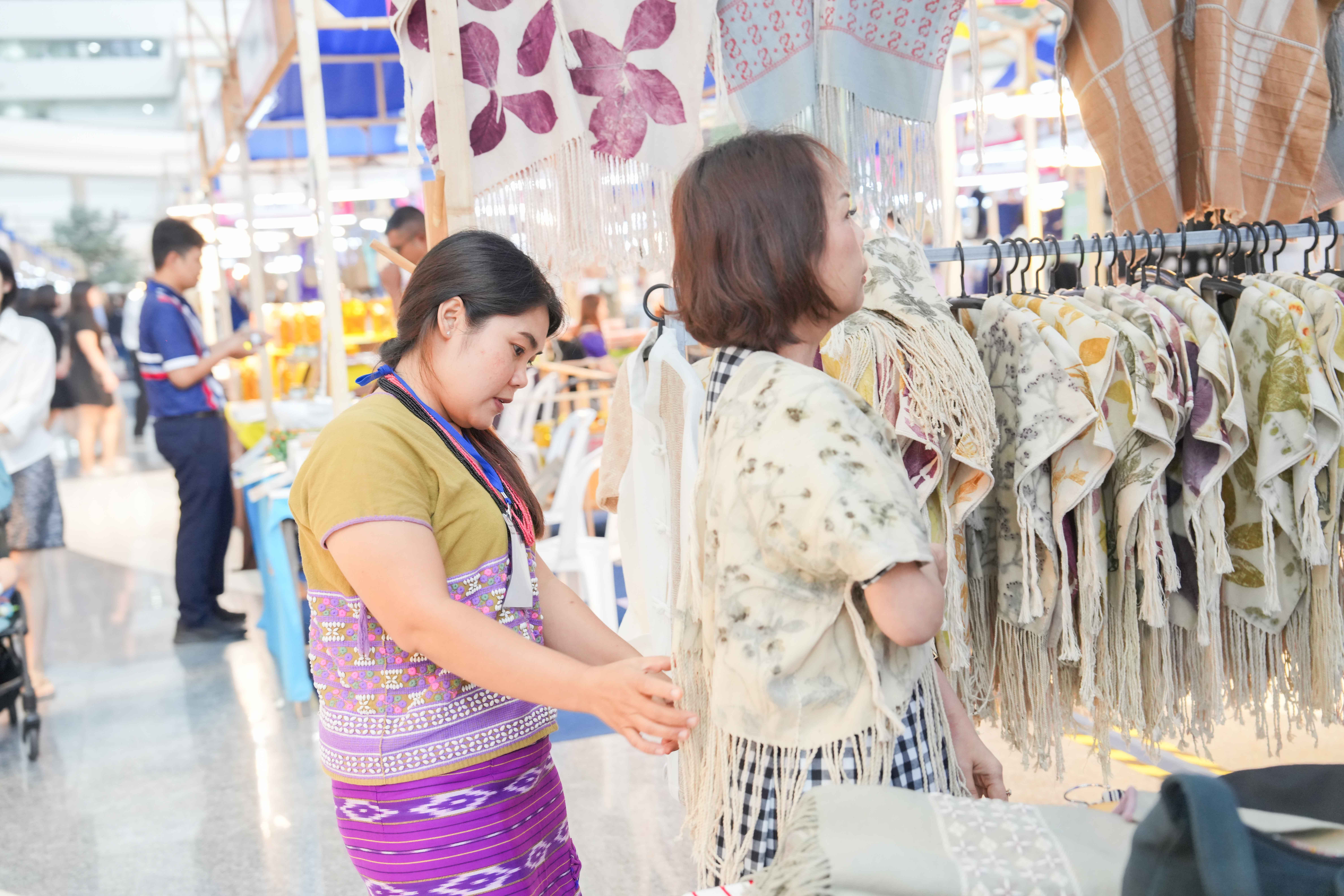
Local artisans bring cultural understanding, inherited skills, and knowledge of materials. Design partners can add market insights, product development methods, and contemporary design perspectives.
When these strengths meet, the result can feel both authentic and relevant.
This shared learning process is important because modern design should not erase the original identity of the craft. Instead, it should help that identity communicate with a wider audience.
For Sandals World, the aim is therefore not to turn traditional art into a passing trend. The aim is to create a bridge between cultural knowledge and new opportunities.
Eco-Print: When Nature Becomes Contemporary Design
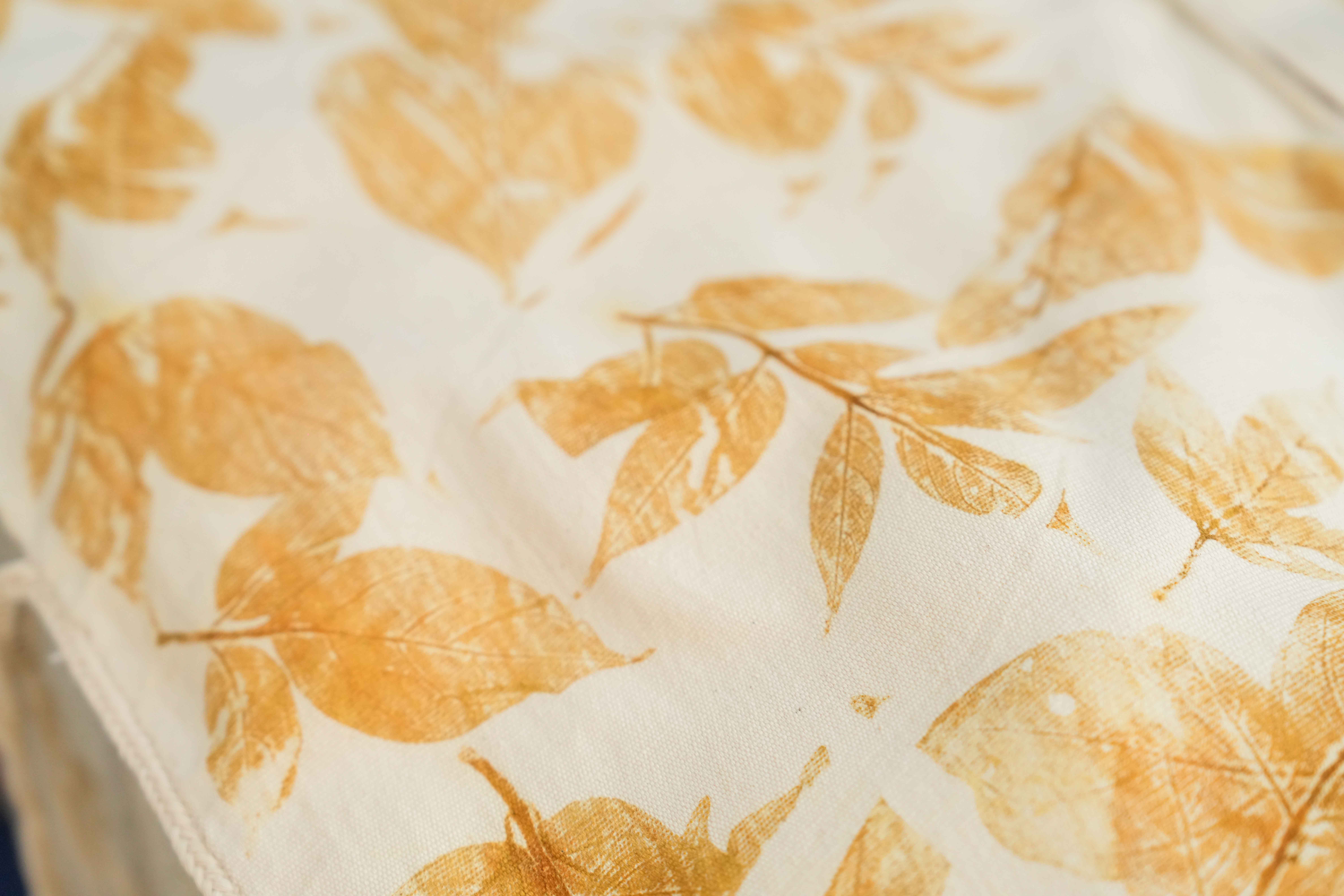
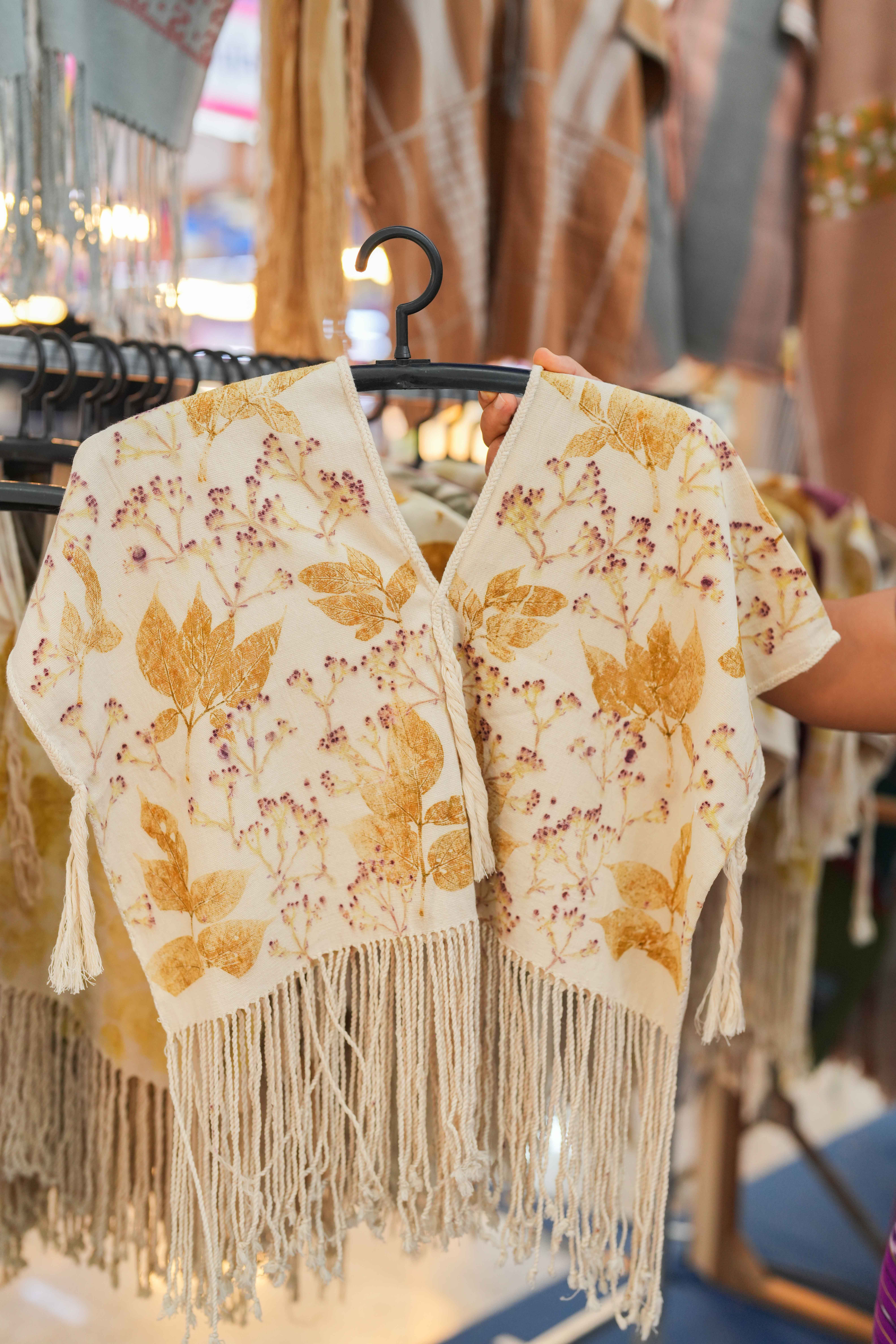
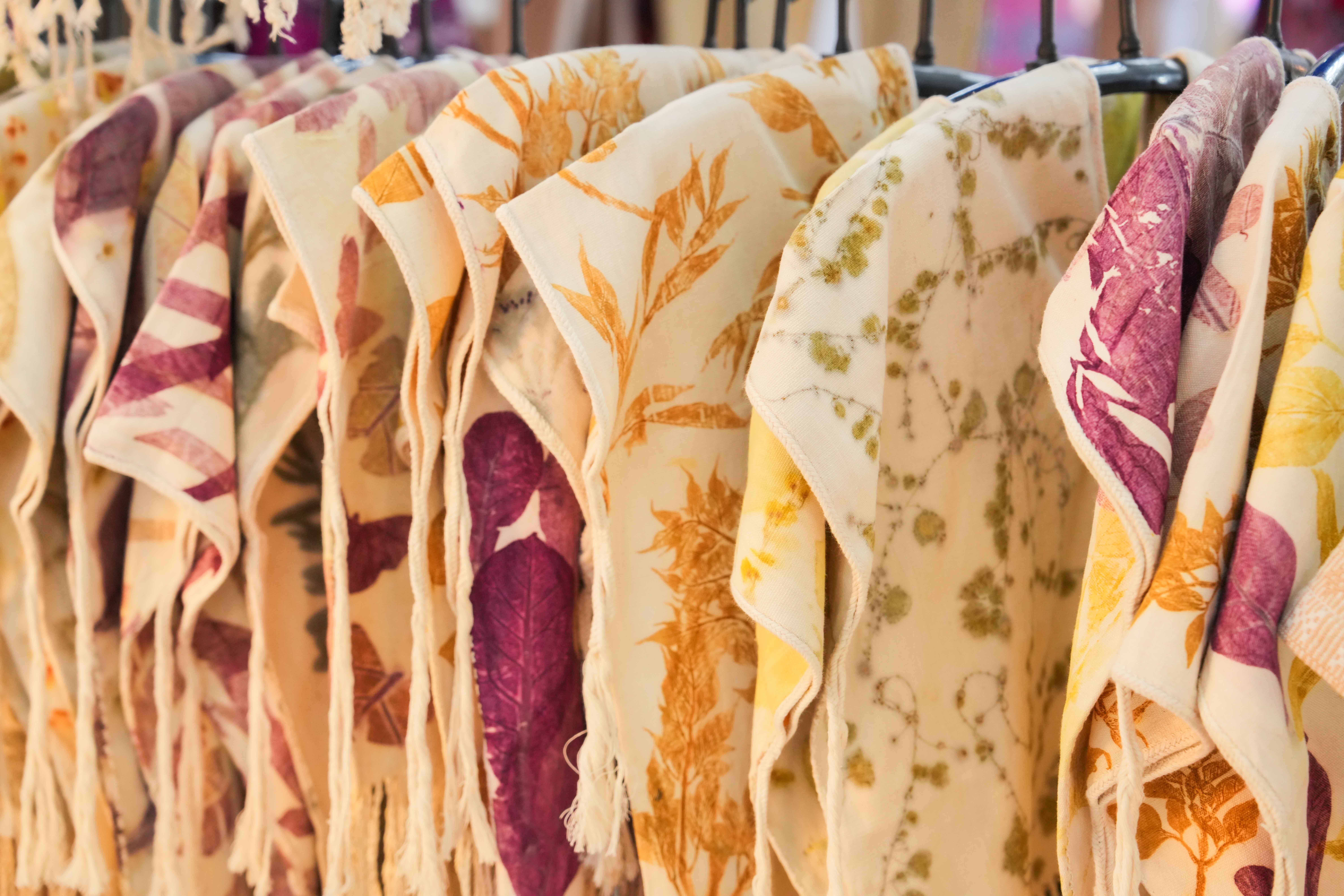
Another important learning area is Eco-print. Sandals World has also supported the use of natural materials in clothing and lifestyle products.
Eco-print techniques allow leaves, flowers, and botanical elements to create patterns on fabric. Each result can look slightly different.
That variation creates a special handmade character. It also gives each piece a sense of individuality.
However, responsible sustainability should go beyond the word “natural.”
Eco-print still requires careful choices. These include raw material sourcing, water use, energy, mordants, durability, and waste management.
For Sandals World, sustainability is therefore a process. It requires continuous learning and improvement.
This approach avoids using “eco” only as a marketing label. Instead, it encourages better decisions throughout product development.
D NICE MARKET: Where Community Creativity Meets the Real Market
These stories eventually moved beyond the communities where they began.
From 30 September to 2 October 2026, products from across Thailand gathered at OTOP Quadrant D: D NICE MARKET in Bangkok.
The event brought together around 1,900 OTOP Quadrant D products from 76 provinces. More than 500 booths joined the event. In addition, there were 64 OTOP food booths.
However, D NICE MARKET was more than a shopping event.
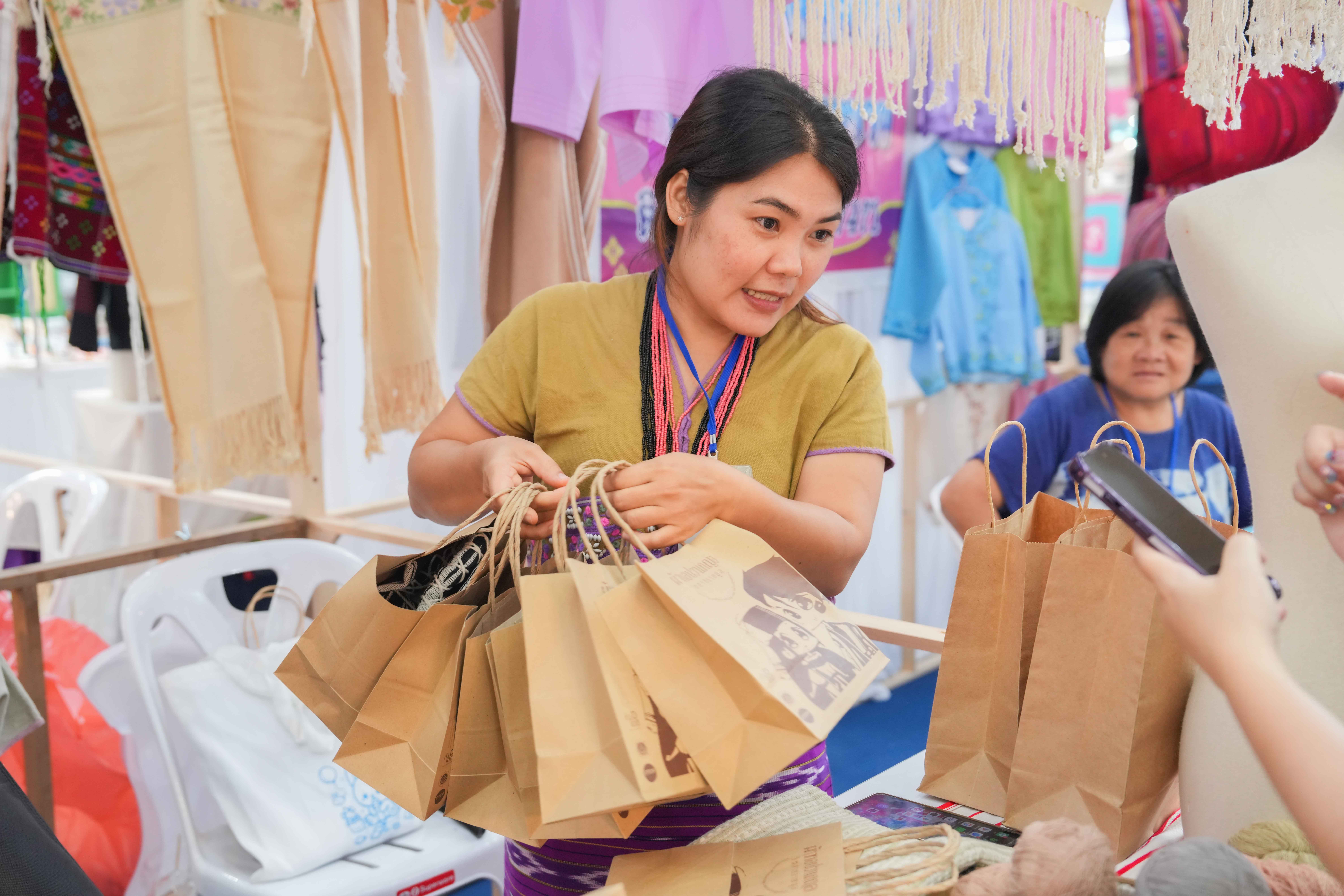
It gave community entrepreneurs a chance to meet real customers. They could observe behavior, test products, receive feedback, and understand market demand.
From Community Workshops to a Real Marketplace
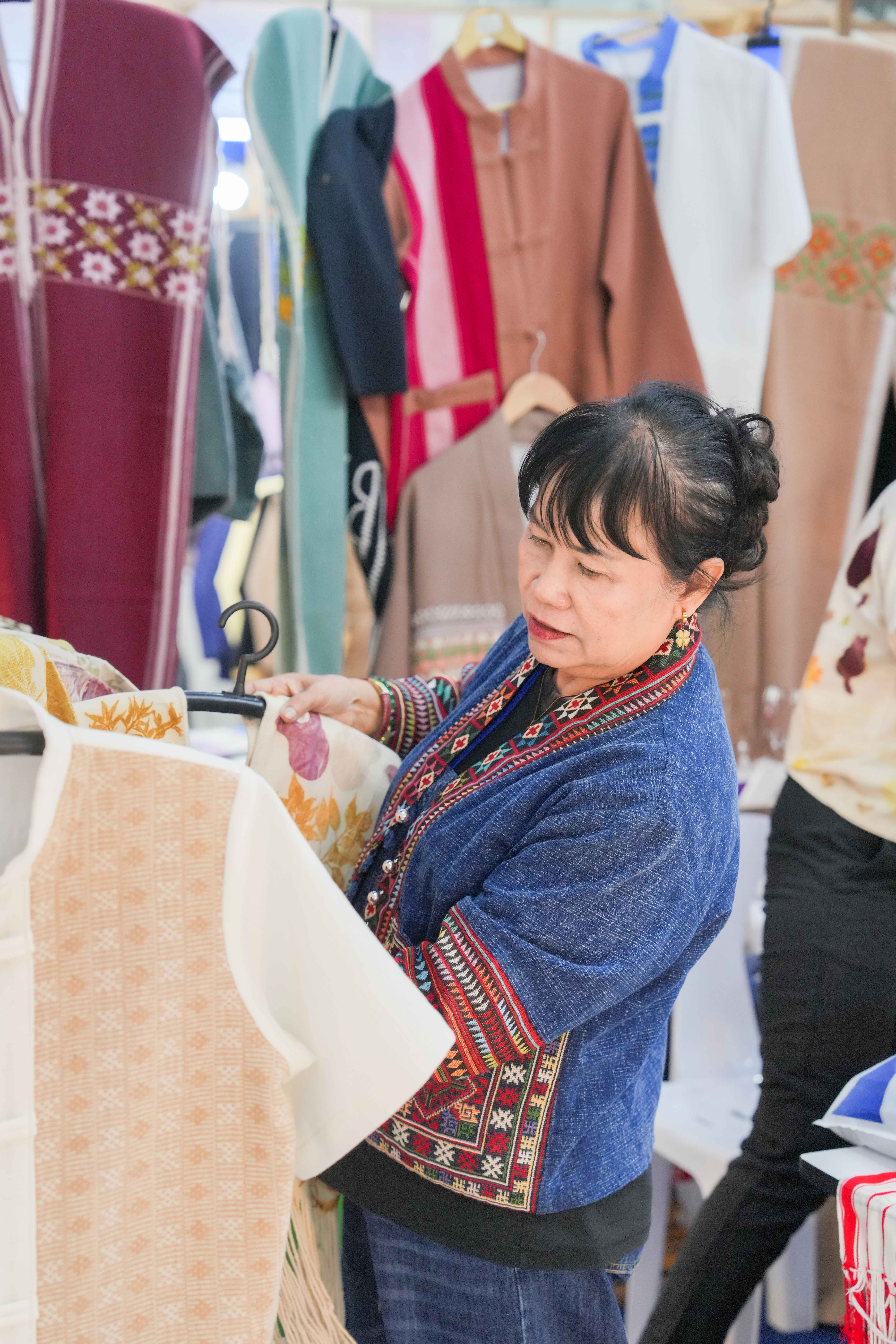
For the Mae Hong Son community, joining the event marked an important step.
Products that began with traditional skills and community learning entered a real market space. Visitors could see the details, touch the materials, ask questions, and understand the stories behind each piece.
More importantly, customers could choose to support those products directly.
At that moment, community development became visible. The work moved from workshops and learning spaces into an environment where customers could respond to it in real time.
This experience also gave artisans another form of knowledge: market knowledge.
They could observe which products attracted attention, which stories interested visitors, and how customers responded to design, function, and price.
Developing Confidence, Not Just Products
Supporting local craftsmanship should not mean replacing traditional knowledge.
A stronger approach starts by identifying what already has value.
Design, branding, fashion, and market knowledge can then support existing skills. These tools can help communities develop without losing their identity.
When traditional knowledge meets new ideas, new possibilities appear.
A textile motif might inspire a pair of sandals. Natural materials may become details in modern fashion. Eco-print techniques may grow into a new collection.
A story from a small village in Mae Hong Son could also reach customers in Bangkok. In the future, it may even reach international markets.
Sustainability Is Also About Keeping Skills Alive
This idea supports the vision of Sustainable Thai Craft Sandals.
Sustainability is not only about materials. It also means keeping skills relevant, creating opportunities, and supporting cultural knowledge.
A product becomes more meaningful when the people behind it can continue developing their craft.
In that sense, sustainability also involves economic opportunity. If craftsmanship can generate income, younger generations may see more reasons to learn and continue those skills.
Therefore, preserving craft is not only about protecting the past. It is also about creating conditions that allow cultural knowledge to have a future.
Is Local Art Still Valuable? The Economy Says Yes
From an economic perspective, the answer is increasingly clear.
Creative industries contribute to both GDP and employment. Thailand also has cultural assets across all 77 provinces.
These local assets can create new economic value. They can support tourism, design, fashion, crafts, and community businesses.
Traditional craftsmanship does not matter only because it is old.
Its value also comes from being distinctive, difficult to copy, and connected to real places and people.
This difference can become a competitive advantage.
Global markets are full of similar products. Authentic local stories, however, remain difficult to reproduce.
The challenge is not to keep every craft unchanged forever.
Instead, communities need opportunities to adapt. Younger generations must also see that traditional skills can create careers, income, pride, and innovation.
From Mae Hong Son to the Next Chapter of Sandals World
For Sandals World, seeing the Mae Hong Son community at D NICE MARKET had deep meaning.
It was not simply about displaying products inside one booth.
The journey began with learning. After that came experimentation, design development, production, and skill-building.
Finally, the products met real customers.
The development of Art & Craft Sandals, Eco-print products, and other community creations will continue. There is still room to improve quality, branding, design, storytelling, and sustainability.
However, each step proves one important idea.
Local culture does not need to choose between the past and the future. It can carry both at the same time.
The Future of Thailand Sandals Can Begin with Local Identity
The future of Thai handmade sandals may not depend on copying global trends.
Thailand already has something more powerful: culture, craftsmanship, local knowledge, and stories that belong to specific communities.
These qualities can help Thailand sandals stand apart in a global market.
Modern consumers can find thousands of similar products online. What remains much harder to copy is authenticity.
A product connected to a real place has context. A handmade detail has evidence of human skill. A cultural story gives the product meaning beyond function.
The real opportunity comes when someone sees a product and immediately feels:
“This comes from Thailand. There is a story here that cannot be found anywhere else.”
Thank You for Supporting Thai Community Craft
Sandals World would like to thank everyone who visited D NICE MARKET and explored the work created by Thai communities.
We deeply appreciate every conversation, every question, and every moment spent learning about the products.
Most importantly, your support gives meaning to the work behind each piece.
When you purchase a handmade product, you may take home more than an object. Behind every piece are hours of work, skills passed between generations, local identity, and cultural memories.
Your purchase can also help create income for the makers. More importantly, it sends a powerful message to communities: their knowledge and craftsmanship still matter.
To everyone who supported the Mae Hong Son community and other Thai makers, we are sincerely grateful.
By choosing local craft, you help traditional art move beyond the past and into the future.
Together, we continue the journey of Sandals World through three ideas:
Handmade. Community. Local.
Because every step toward Sustainable Thai Craft Sandals can help carry the stories of Thai communities further into the future.
𝙎𝙖𝙣𝙙𝙖𝙡𝙨 𝙒𝙤𝙧𝙡𝙙 𝙞𝙨 𝙏𝙝𝙖𝙞𝙡𝙖𝙣𝙙’𝙨 𝙡𝙖𝙧𝙜𝙚𝙨𝙩 𝙝𝙪𝙗 𝙤𝙛 𝙖𝙧𝙩𝙞𝙨𝙩𝙞𝙘 𝙝𝙖𝙣𝙙𝙢𝙖𝙙𝙚 𝙨𝙖𝙣𝙙𝙖𝙡𝙨


ABOUT THE CONTENT CREATOR
BUNTHARIK INSIRI
(Content Writer)

The Ocean Is Heating Faster Than Ever: Why Low-Carbon Design Must Start Now
Post Views: 1 What if the ocean we know today no longer looks the same [...]
Oct
If Local Art Disappears, What Will the World Remember? From Mae Hong Son to D NICE MARKET with Sandals World
Post Views: 13 Imagine a future where traditional patterns disappear from local communities. Craft techniques [...]
Oct

VPADA Handmade Sandals: Where Thai Craft Blooms Into Modern Style
Post Views: 8 “Walk with nature, step with grace.” What if a small woven flower, [...]
Oct

Plastic Waste and Sustainable Sandals: Better Materials, Better Truth, Better Steps
Post Views: 16 Plastic has transformed modern life. Its lightweight structure, versatility, and low cost [...]
Oct

What’s Really Under Your Feet? From Plastic and EVA Foam to BIO EVA SW GREEN
Post Views: 18 Plastic is everywhere. We drink from it, carry food in it, build [...]
Sep

Only 9% Gets Recycled: Are We Solving the Plastic Crisis the Wrong Way?
Post Views: 16 Every time we drop a plastic bottle into a recycling bin, we [...]
Sep

Bangkok Flood 2026: Why Bangkok Flooded So Severely | Sandals World
Post Views: 27 At the end of September 2026, one question was on the minds [...]
Sep
El Niño 2026 and Sustainable Thai Craft Sandals: Why Every Step Matters
Post Views: 22 The climate is changing in ways that are becoming harder to ignore. [...]
Sep
SANDALS WORLD GUIDE



Artistic Handmade Sandals
BY
SANDALS WORLD THAILAND
The Largest Hub
of Artistic Handmade Sandals in Thailand.