

Knowledge & Insights
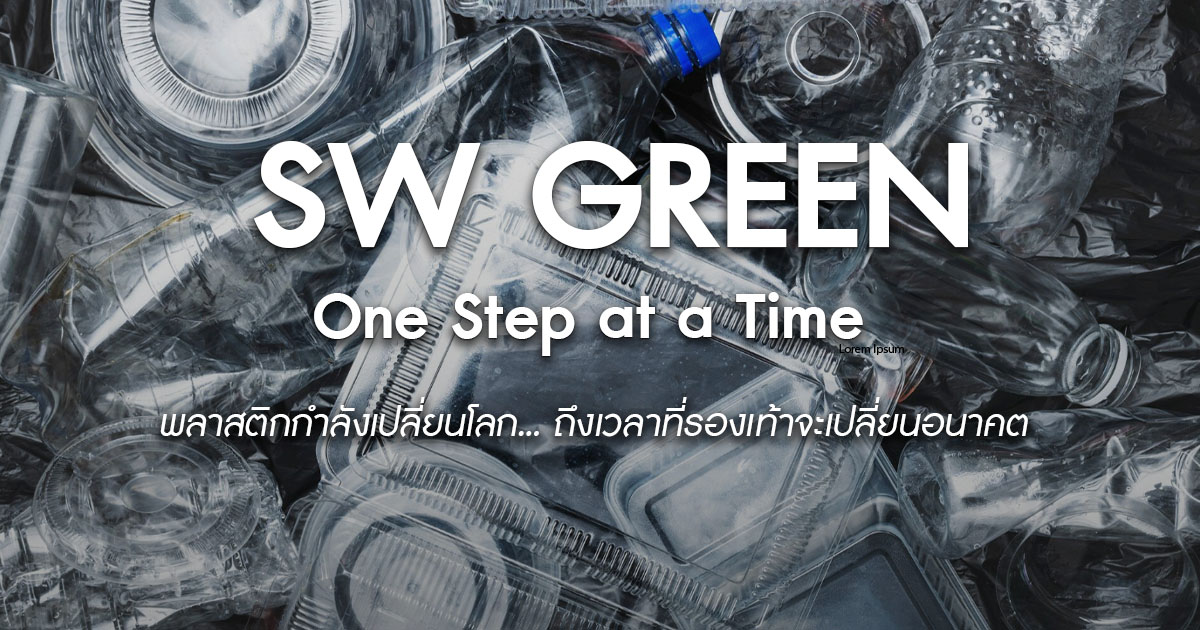
SW GREEN: One Step at a Time
Jul
SW GREEN: A Small Project From Thailand That Is Helping Make This World More Sustainable One Step at a Time
The World Does Not Need One Hero — It Needs Everyone to Choose to Do the Right Thing
In an era when every major brand races to announce a Net Zero target for 2050, and every corporate giant publishes a sustainability report running hundreds of pages thick, something tends to go missing from those conversations.
That missing thing is actually doing it — starting today.
Sandals World did not wait until 2050. It did not wait for regulation to compel the change. It did not wait for market pressure to build first. Instead, it began transforming the DNA of the organisation through a project called SW GREEN a framework designed so that every handmade sandal leaving an artisan’s hands actively contributes to making this world more genuinely sustainable.

What Is SW GREEN? More Than a Name. More Than a Logo.
SW GREEN is not a green sticker placed on a paper bag. It is not a phrase printed in an annual report.
It is a mindset embedded in every decision the organisation makes from selecting the first piece of material, to delivering the last pair of sandals into a customer’s hands.
SW GREEN rests on a single question the Sandals World team asks itself every time a decision needs to be made —
“Does what we choose today make the world better or worse?”
If the answer is “worse,” that is the signal to find another way. If the answer is “better,” that is the SW GREEN path.
The 3 Pillars of SW GREEN: How It Helps Make the World More Sustainable
Pillar 1 — Low Carbon From the Very Origin
The problem with most footwear is not only at the production stage. It starts with the materials chosen in the first place.
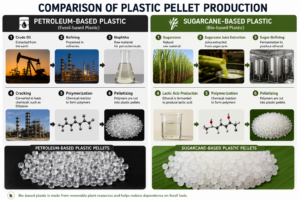
The EVA foam from crude oil that the global footwear industry has relied on for decades begins its life through the extraction of fossil fuels buried underground — releasing carbon at every stage. Drilling, refining, chemical synthesis, and transportation all add to that total before a single sole is formed.
SW GREEN changes that starting point entirely.
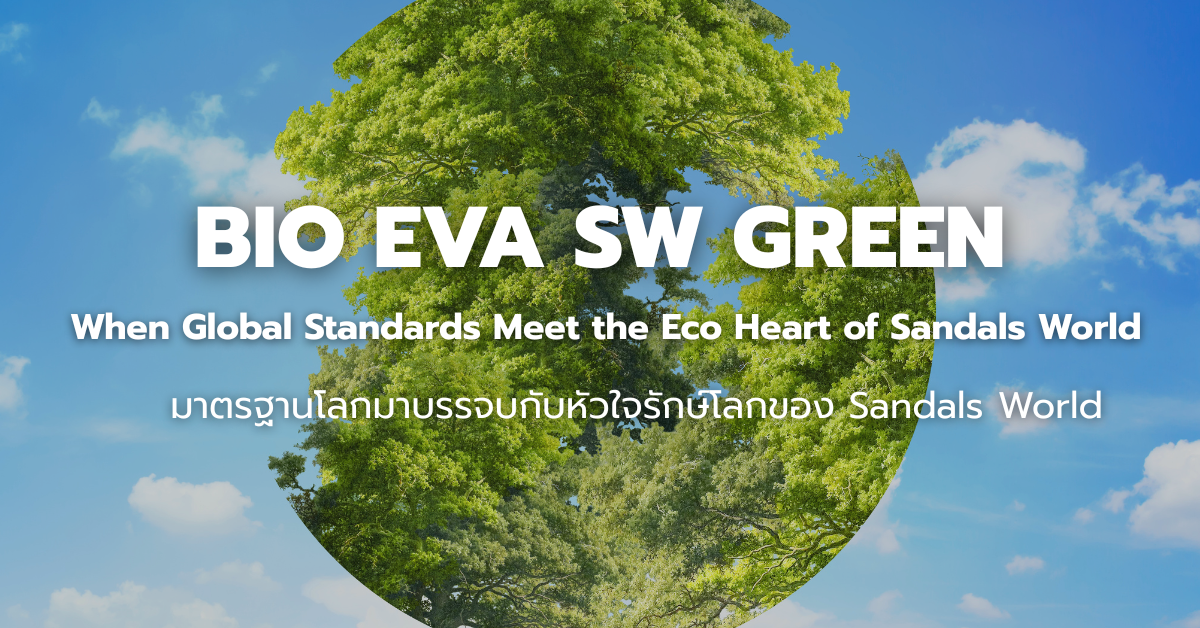
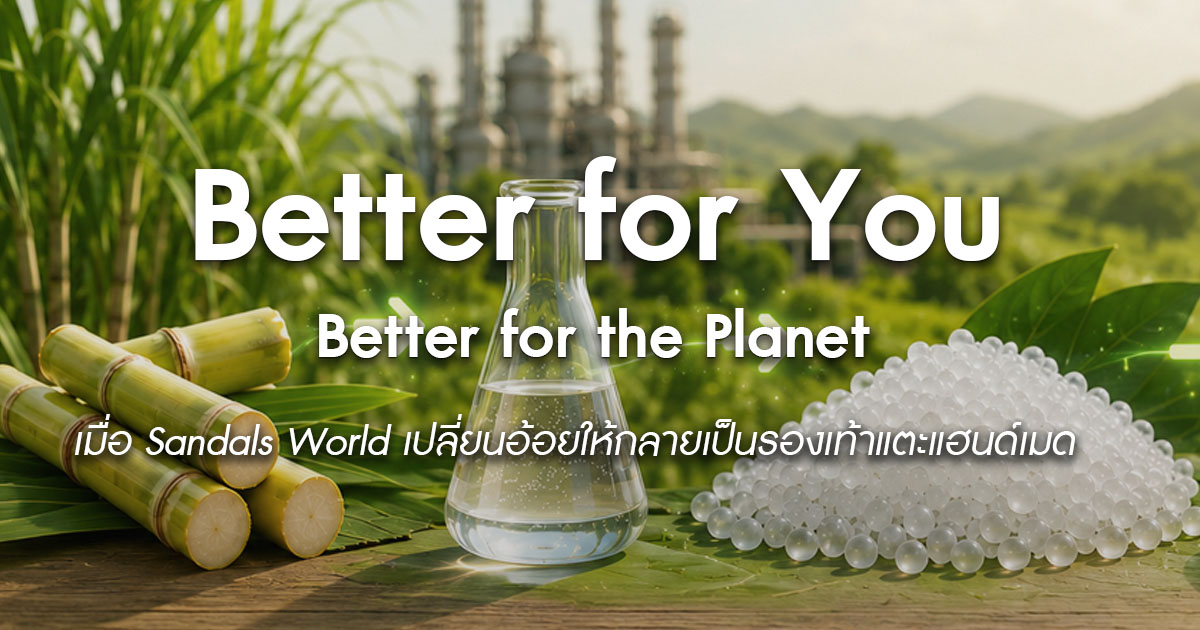
The BIO EVA used in every Art & Craft Sandals pair from Sandals World begins with sugarcane growing in soil, powered by sunlight and rainwater. As sugarcane grows, it absorbs CO₂ from the atmosphere through photosynthesis converting that carbon into biomass before it moves into the production process: Bio-ethanol → Bio-based Ethylene → BIO EVA.
The result is a foam sole with a carbon footprint substantially lower than petroleum EVA, verified under the ASTM D6866 international standard by independent laboratories.
Combined with a natural rubber outsole where rubber trees also absorb CO₂ as they grow every pair of Thailand sandals from Sandals World stands on a foundation that is genuinely kind to the world’s atmosphere from its very origin.
Pillar 2 — Handmade Production That Makes Exactly What Is Needed — No More, No Less
One of the largest problems in the fashion industry is overproduction.
Fast fashion produces billions of garments each year, and over 30% of those pieces never reach a customer becoming waste while still in the warehouse.
SW GREEN addresses this through an entirely different production model.
The handmade process is, by its very nature, a controlled one. Skilled artisans cannot produce Artistic Handmade Sandals by the millions in a short period. That is not a limitation — it is an advantage.
Production that matches real demand means:
- No excess stock that becomes waste
- No energy spent producing things no one needs
- Every pair that leaves the workshop has someone waiting for it, carries genuine value, and holds real meaning
Furthermore, handmade production uses materials more precisely than machines. Artisans cut and use each piece of material with intention — making the material waste generated in the production process significantly lower than factory manufacturing.
Pillar 3 — Communities That Receive, Not Just Communities That Are Used
Genuine sustainability is not only about the environment. It includes the sustainability of people.
SW GREEN is designed so that value flows back to the communities that create it — not accumulating at the top of a corporate hierarchy.
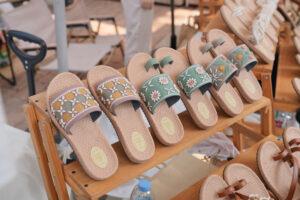
The designs of Sustainable Thai Craft Sandals come from real local communities. Whether it is the patterns from macramé craft reflecting traditional rope-tying wisdom, or motifs from northern Thai communities whose cultural roots run hundreds of years deep — every design has an origin that is real and traceable.
When community artisans receive fair compensation, they have a reason to pass their skills forward. Younger generations recognise the value in what their ancestors built. And cultures that once risked disappearing are given a genuine path to continue.
That is sustainability in a dimension deeper than carbon footprint — it is building a system that can sustain itself over the long term.
SW GREEN in the Broader Picture: When One Pair of Sandals Becomes Part of Something Larger
Consider a world where every footwear brand chose materials from renewable sources, produced only what was genuinely needed, and paid fair wages to the hands that made their products.
Does that world feel too far away?
Perhaps — if you look at it from the level of international policy and multilateral agreements.
But if you look at it from the level of daily decisions, that world begins with every pair you choose to buy.
Every pair of handmade sandals produced under SW GREEN is evidence that this model works in practice — not only in theory, but in the sole beneath your feet.
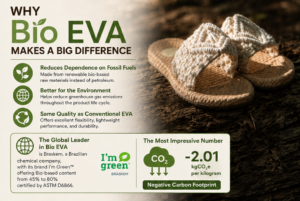
Why SW GREEN Is Different From Greenwashing
The most honest question anyone should ask a brand that claims to care about the planet is simply “Can you prove it?”
SW GREEN answers that question at several levels.
At the material level — BIO EVA is verified under ASTM D6866 by independent laboratories. Natural rubber carries traceable provenance from sources within Thailand.
At the production level — handmade craftsmanship in limited quantities genuinely reduces waste compared to factory production. This is measurable, not claimed.
At the community level — designs come from real communities. Compensation flows directly to artisans. Community names are not borrowed for marketing — they are credited as co-creators.
At the product level — every pair has a longer useful life than cheap synthetic alternatives, because quality natural materials and skilled craftsmanship simply last longer than low-cost plastic.
The difference between Greenwashing and SW GREEN is the difference between “words printed on paper” and “something provable in every pair.”

A More Sustainable World, Built One Step at a Time
A sustainable world does not emerge from a single large summit or a single international treaty. It emerges from small decisions made repeatedly, every day, by ordinary people.
Sandals World chose to be part of those small decisions — through SW GREEN, a project that does not wait for the world to change first, but starts by changing itself.
Every pair of Art & Craft Sandals standing on BIO EVA SW GREEN is one step of that change. And every time you choose to wear Artistic Handmade Sandals from Sandals World, you become part of that step too.
Because a world that grows more sustainable one step at a time begins with the step you take today.
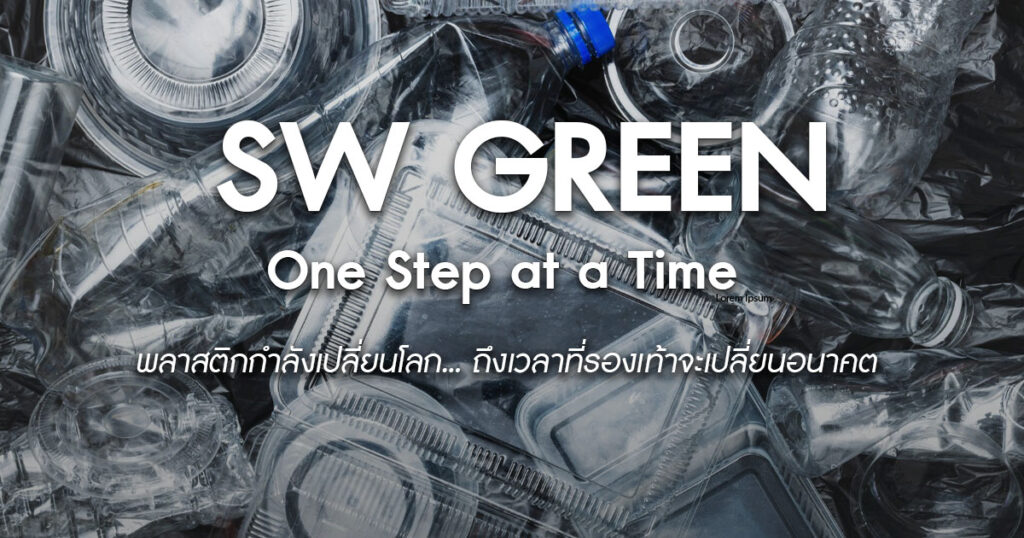
พลาสติกกำลังเปลี่ยนโลก… ถึงเวลาที่รองเท้าจะเปลี่ยนอนาคต | Sandals World กับโครงการ SW GREEN ที่เริ่มจากอ้อย ไม่ใช่น้ำมัน
เมื่อพลาสติกไม่ได้อยู่แค่ในทะเล แต่กำลังอยู่ในร่างกายของเรา
ทุกครั้งที่เราหยิบขวดน้ำ พลาสติกห่ออาหาร หรือซื้อสินค้าชิ้นใหม่ เราอาจไม่ทันคิดว่าสิ่งเหล่านี้จะเดินทางไปสิ้นสุดที่ไหน
ความจริงคือ พลาสติกจำนวนมหาศาลไม่ได้หายไปจากโลก แต่เพียงเปลี่ยนรูปร่าง และย้อนกลับมาหาเราอีกครั้ง
ปัจจุบัน โลกผลิตพลาสติกมากกว่า 400 ล้านตันต่อปี และมีพลาสติกหลายล้านตันไหลลงสู่มหาสมุทรทุกปี ขณะเดียวกัน นักวิจัยยังตรวจพบ ไมโครพลาสติก ในเลือดมนุษย์ ปอด รกของทารก น้ำดื่ม และมหาสมุทรทั่วโลก จนโครงการสิ่งแวดล้อมแห่งสหประชาชาติ (UNEP) ยังคงจัดให้ Plastic Pollution เป็นหนึ่งในวิกฤตสิ่งแวดล้อมที่สำคัญที่สุดของโลก
นี่ไม่ใช่ปัญหาของทะเลเพียงอย่างเดียว แต่เป็นปัญหาที่เชื่อมโยงกับสุขภาพของผู้คน ระบบนิเวศ และอนาคตของโลกทั้งใบ
โลกไม่ได้ต้องการผลิตให้น้อยลงเพียงอย่างเดียว แต่ต้องเลือกวัสดุให้ดีขึ้น
หลายปีที่ผ่านมา คำว่า sustainability กลายเป็นหัวข้อสำคัญในแทบทุกอุตสาหกรรม ตั้งแต่พลังงาน อาหาร ไปจนถึงแฟชั่น
ผู้คนเริ่มตั้งคำถามว่า สินค้าที่เราใช้ทุกวันผลิตจากอะไร ใช้ทรัพยากรแบบไหน และเมื่อหมดอายุการใช้งานแล้ว จะส่งผลกระทบต่อโลกมากเพียงใด
อุตสาหกรรมแฟชั่นเองก็เผชิญความท้าทายไม่ต่างกัน เพราะตลอดห่วงโซ่การผลิต ตั้งแต่วัตถุดิบ การผลิต การขนส่ง ไปจนถึงการกำจัด ล้วนเกี่ยวข้องกับการใช้พลังงานและทรัพยากรธรรมชาติ
ดังนั้น การเปลี่ยนแปลงที่แท้จริงจึงไม่ได้อยู่ที่การสร้างสินค้าให้น้อยลงเท่านั้น แต่ยังอยู่ที่การออกแบบสินค้าให้ใช้วัสดุที่รับผิดชอบต่อโลกมากขึ้น มีอายุการใช้งานยาวนานขึ้น และสร้างคุณค่าให้กับผู้คนที่อยู่เบื้องหลังการผลิต
Sandals World เชื่อว่ารองเท้าหนึ่งคู่สามารถเป็นส่วนหนึ่งของการเปลี่ยนแปลงได้
สำหรับ Sandals World รองเท้าไม่ใช่เพียงสินค้าแฟชั่น แต่เป็นพื้นที่ที่รวมเรื่องราวของผู้คน งานฝีมือ วัสดุ และความรับผิดชอบต่อสิ่งแวดล้อมเข้าไว้ด้วยกัน
แนวคิดนี้จึงนำไปสู่การพัฒนาโครงการ SW GREEN ซึ่งเป็นอีกก้าวสำคัญของแบรนด์ในการสร้าง Sustainable Thai Craft Sandals ที่ตอบโจทย์ทั้งการใช้งาน ความสวยงาม และความยั่งยืน
SW GREEN ไม่ได้เริ่มต้นจากคำว่า “รักษ์โลก” เพียงอย่างเดียว แต่เริ่มจากคำถามง่าย ๆ ว่า
“เราจะทำให้รองเท้าคู่หนึ่งสร้างผลกระทบต่อโลกน้อยลงได้อย่างไร”
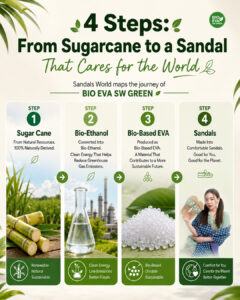
BIO EVA จากอ้อย วัสดุที่ช่วยลดการพึ่งพาพลาสติกจากปิโตรเลียม
หนึ่งในหัวใจสำคัญของโครงการ SW GREEN คือการเลือกใช้วัสดุ BIO EVA
แทนที่จะใช้โฟม EVA ที่ผลิตจากปิโตรเลียมเพียงอย่างเดียว Sandals World เลือกใช้ BIO EVA ที่ผลิตจากวัตถุดิบหมุนเวียนอย่างอ้อย
อ้อยไม่ได้เป็นเพียงพืชเศรษฐกิจของไทยเท่านั้น แต่ยังเป็นแหล่งชีวมวลที่สามารถนำมาผลิตเป็น Bio-Ethanol และต่อยอดเป็น Bio-based EVA ซึ่งช่วยลดการพึ่งพาทรัพยากรฟอสซิล
วัสดุชนิดนี้มีส่วนช่วยลดการปล่อยคาร์บอนตลอดวงจรการผลิตเมื่อเทียบกับการใช้วัตถุดิบจากปิโตรเลียมทั้งหมด และสอดคล้องกับแนวทาง Low Carbon Materials ที่ได้รับการยอมรับในระดับสากล
สำหรับ Sandals World การเลือก BIO EVA จึงไม่ใช่เพียงการเปลี่ยนวัสดุ แต่เป็นการเปลี่ยนวิธีคิดตั้งแต่ต้นทางของการผลิต
ความยั่งยืนที่เริ่มจากชุมชน ไม่ใช่แค่จากโรงงาน
จุดเด่นของ Sandals World ไม่ได้อยู่เพียงวัสดุ แต่ยังอยู่ที่เรื่องราวของผู้คน
รองเท้าแต่ละคู่เกิดจากการทำงานร่วมกับช่างฝีมือและชุมชนในหลายพื้นที่ของประเทศไทย
บางคอลเลกชันใช้ศิลปะ Macramé ที่ถักด้วยมือทีละเส้น
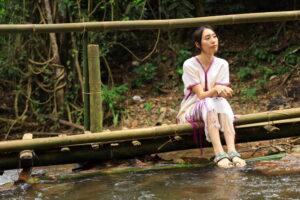
บางดีไซน์ได้รับแรงบันดาลใจจากภูมิปัญญาของชุมชนภาคเหนือ ถ่ายทอดลวดลายดั้งเดิมสู่รองเท้าที่สามารถสวมใส่ได้ในชีวิตประจำวัน
ทุกผลงานสะท้อนให้เห็นว่า handmade ไม่ใช่เพียงวิธีการผลิต แต่คือการรักษาทักษะที่ส่งต่อกันมาหลายชั่วอายุคน
นั่นคือเหตุผลที่ handmade sandals ของ Sandals World มีคุณค่ามากกว่าความสวยงาม เพราะทุกคู่ช่วยสร้างรายได้ให้กับชุมชน สนับสนุนช่างฝีมือ และรักษามรดกทางวัฒนธรรมของไทยให้ยังคงมีชีวิตอยู่
เมื่อความสวยงามเดินคู่กับการใช้งานจริง
รองเท้าที่ดีไม่ควรดูดีเพียงอย่างเดียว แต่ควรทำให้ผู้สวมใส่รู้สึกสบายทุกก้าว
Sandals World จึงให้ความสำคัญกับการออกแบบรองรับการใช้งานจริง
พื้นรองเท้าถูกออกแบบแบบ Contour Footbed เพื่อรองรับสรีระของเท้า ช่วยกระจายน้ำหนัก และเพิ่มความสบายระหว่างการเดิน
ชั้นพื้นด้านล่างเลือกใช้ ยางพาราแท้จากประเทศไทย ซึ่งเป็นอีกหนึ่งวัสดุที่สะท้อนความเป็นไทย พร้อมคุณสมบัติในการยึดเกาะพื้นได้ดี ช่วยลดการลื่นไถล และเพิ่มความมั่นใจในทุกการก้าว
เมื่อรวมกับชั้นโฟม BIO EVA ของ SW GREEN จึงได้รองเท้าที่มีทั้งน้ำหนักเบา ความยืดหยุ่น และแนวคิดด้านสิ่งแวดล้อมในคู่เดียว
นี่คือเหตุผลที่ Thailand sandals จาก Sandals World ถูกออกแบบให้ตอบโจทย์ทั้งแฟชั่นและการใช้งานจริง
ศิลปะ งานคราฟต์ และความยั่งยืน สามารถเดินไปด้วยกันได้
หลายคนมักมองว่าความยั่งยืนคือการลดทอนความสวยงาม
แต่ Sandals World เชื่อในสิ่งตรงกันข้าม
รองเท้าที่ดีควรเป็นทั้งงานศิลปะและผลิตภัณฑ์ที่ใช้งานได้จริง
ด้วยเหตุนี้ ทุกคอลเลกชันจึงถูกออกแบบให้เป็นมากกว่าแฟชั่น แต่เป็น Artistic Handmade Sandals ที่ผสมผสานภูมิปัญญาท้องถิ่นเข้ากับดีไซน์ร่วมสมัย
ลวดลายถักมือ รายละเอียดของงานคราฟต์ และวัสดุธรรมชาติ ล้วนทำให้รองเท้าแต่ละคู่มีเอกลักษณ์เฉพาะตัว
แนวคิดเดียวกันยังสะท้อนผ่านการเป็น Art & Craft Sandals ที่เชื่อมโยงศิลปะ วัฒนธรรม และนวัตกรรมวัสดุเข้าไว้ด้วยกัน
รองเท้าแต่ละคู่จึงไม่ได้เป็นเพียงสิ่งที่สวมใส่ แต่เป็นเรื่องราวที่สามารถเดินทางไปพร้อมกับผู้สวมใส่ได้ทุกวัน
ทุกการเลือกซื้อ คือการเลือกอนาคตของโลก
แม้รองเท้าหนึ่งคู่จะไม่สามารถแก้ปัญหาขยะพลาสติกทั้งโลกได้
แต่การเลือกวัสดุที่ดีกว่า การสนับสนุนช่างฝีมือ และการให้ความสำคัญกับการออกแบบที่ใช้งานได้ยาวนาน คือจุดเริ่มต้นของการเปลี่ยนแปลงที่จับต้องได้
Sandals World เชื่อว่า หากผู้คนจำนวนมากเริ่มเลือกสินค้าที่ผลิตอย่างรับผิดชอบ ผลกระทบเชิงบวกก็จะค่อย ๆ ขยายตัวจากผู้ผลิตไปสู่ผู้บริโภค จากชุมชนไปสู่ประเทศ และจากประเทศไปสู่โลก
นั่นคือเหตุผลที่โครงการ SW GREEN ไม่ได้เป็นเพียงการพัฒนาวัสดุใหม่ แต่เป็นคำมั่นสัญญาที่จะสร้างรองเท้าซึ่งเคารพทั้งธรรมชาติ ผู้คน และวัฒนธรรมไทย
ก้าวเล็ก ๆ ที่สร้างความเปลี่ยนแปลงได้จริง
วิกฤตพลาสติกอาจเป็นปัญหาระดับโลก แต่การเปลี่ยนแปลงมักเริ่มจากการตัดสินใจเล็ก ๆ ของแต่ละคน
การเลือกรองเท้าที่ผลิตจากวัสดุซึ่งช่วยลดการพึ่งพาพลาสติกจากปิโตรเลียม การสนับสนุนงานฝีมือไทย และการเลือกสินค้าที่ให้คุณค่ากับทั้งผู้ผลิตและสิ่งแวดล้อม คืออีกวิธีหนึ่งที่ทุกคนสามารถมีส่วนร่วมได้
ที่ Sandals World เราเชื่อว่าความงาม ความสบาย และ sustainability ไม่จำเป็นต้องเลือกอย่างใดอย่างหนึ่ง
เราสามารถรวมทุกสิ่งไว้ในรองเท้าคู่เดียวได้
และทุกก้าวที่คุณเดิน อาจเป็นอีกก้าวที่ช่วยพาโลกไปสู่อนาคตที่ดีกว่า ผ่าน handmade sandals, Thailand sandals และ Sustainable Thai Craft Sandals ที่สร้างขึ้นด้วยหัวใจของช่างฝีมือไทย วัสดุที่ใส่ใจโลก และความเชื่อว่าการเปลี่ยนแปลงเริ่มต้นได้จากทุกก้าวของเรา
#Sandalsworld#รองเท้าartandcraft#รองเท้าแตะสานแฮนด์เมด #artandcraftsandals #artistichandmadesandals#handmade#artandcraft#sandals#รองเท้าแฮนด์เมด#รองเท้าแตะใส่แล้วไม่ลื่น#รองเท้ายางพารา#ใส่ไปไหนก็ได้ #BIOEVA #SWGREEN #BIOBASED #BIOEVATHAILAND
บทความโดย
Sandals World | Art & Craft Sandals | Sustainable Thai Craft Sandals Tags: handmade sandals, sandals world, foot health,
Thailand sandals, artistic handmade sandals, art & craft sandals, plantar fasciitis, bunion, sustainable sandals and BIO EVA ,SW GREEN

ABOUT THE CONTENT CREATOR
BUNTHARIK INSIRI
(Content Writer)
Brand Partner News Sustainability Knowledge & Insights Sandals World News Community Brand Stories Travel & Destinations Events
The Ocean Is Heating Faster Than Ever: Why Low-Carbon Design Must Start Now
Post Views: 3 What if the ocean we know today no longer looks the same [...]
Oct
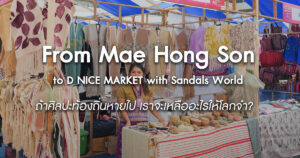
If Local Art Disappears, What Will the World Remember? From Mae Hong Son to D NICE MARKET with Sandals World
Post Views: 13 Imagine a future where traditional patterns disappear from local communities. Craft techniques [...]
Oct

VPADA Handmade Sandals: Where Thai Craft Blooms Into Modern Style
Post Views: 9 “Walk with nature, step with grace.” What if a small woven flower, [...]
Oct

Plastic Waste and Sustainable Sandals: Better Materials, Better Truth, Better Steps
Post Views: 16 Plastic has transformed modern life. Its lightweight structure, versatility, and low cost [...]
Oct
What’s Really Under Your Feet? From Plastic and EVA Foam to BIO EVA SW GREEN
Post Views: 18 Plastic is everywhere. We drink from it, carry food in it, build [...]
Sep
Only 9% Gets Recycled: Are We Solving the Plastic Crisis the Wrong Way?
Post Views: 16 Every time we drop a plastic bottle into a recycling bin, we [...]
Sep

Bangkok Flood 2026: Why Bangkok Flooded So Severely | Sandals World
Post Views: 27 At the end of September 2026, one question was on the minds [...]
Sep
El Niño 2026 and Sustainable Thai Craft Sandals: Why Every Step Matters
Post Views: 22 The climate is changing in ways that are becoming harder to ignore. [...]
Sep
SANDALS WORLD GUIDE

The Largest HubArtistic Handmade Sandals
BY
SANDALS WORLD THAILAND
of Artistic Handmade Sandals in Thailand.
Pingback: With Every Step You Take, What Are You Leaving Behind? - SANDALSWORLD