

Brand Stories
Thailand Tourism 2026: Fewer Tourists, But Is Thailand Entering a New Era of Travel?
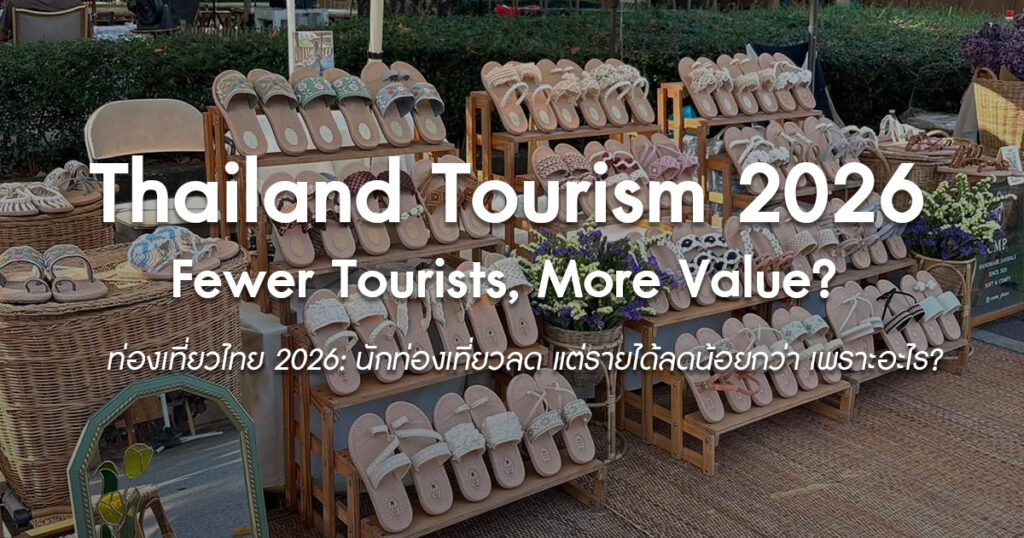
Nov
Fewer international visitors, changing spending patterns, and a growing focus on meaningful experiences. Could this be the beginning of a new chapter for Thailand’s tourism industry?
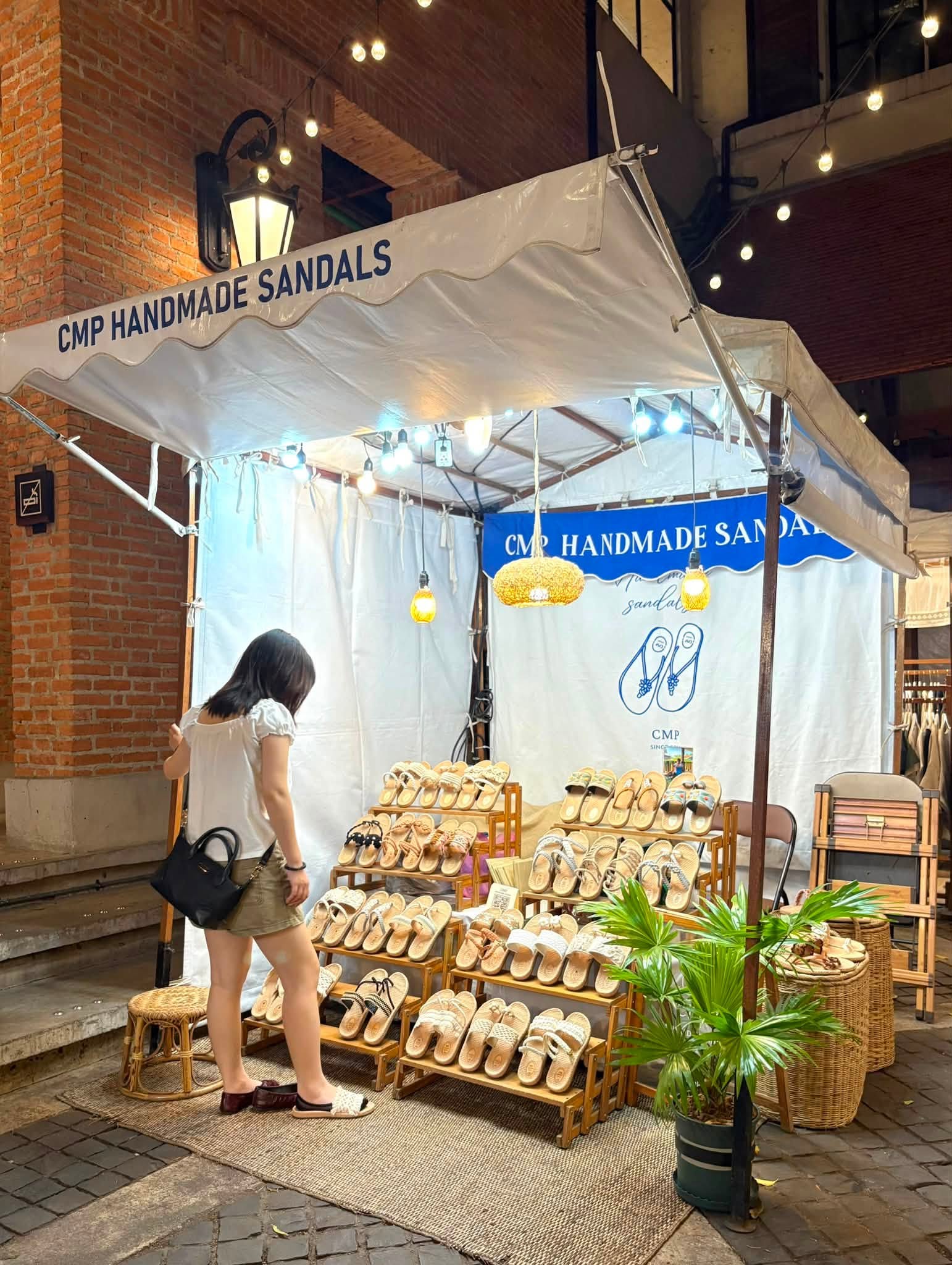
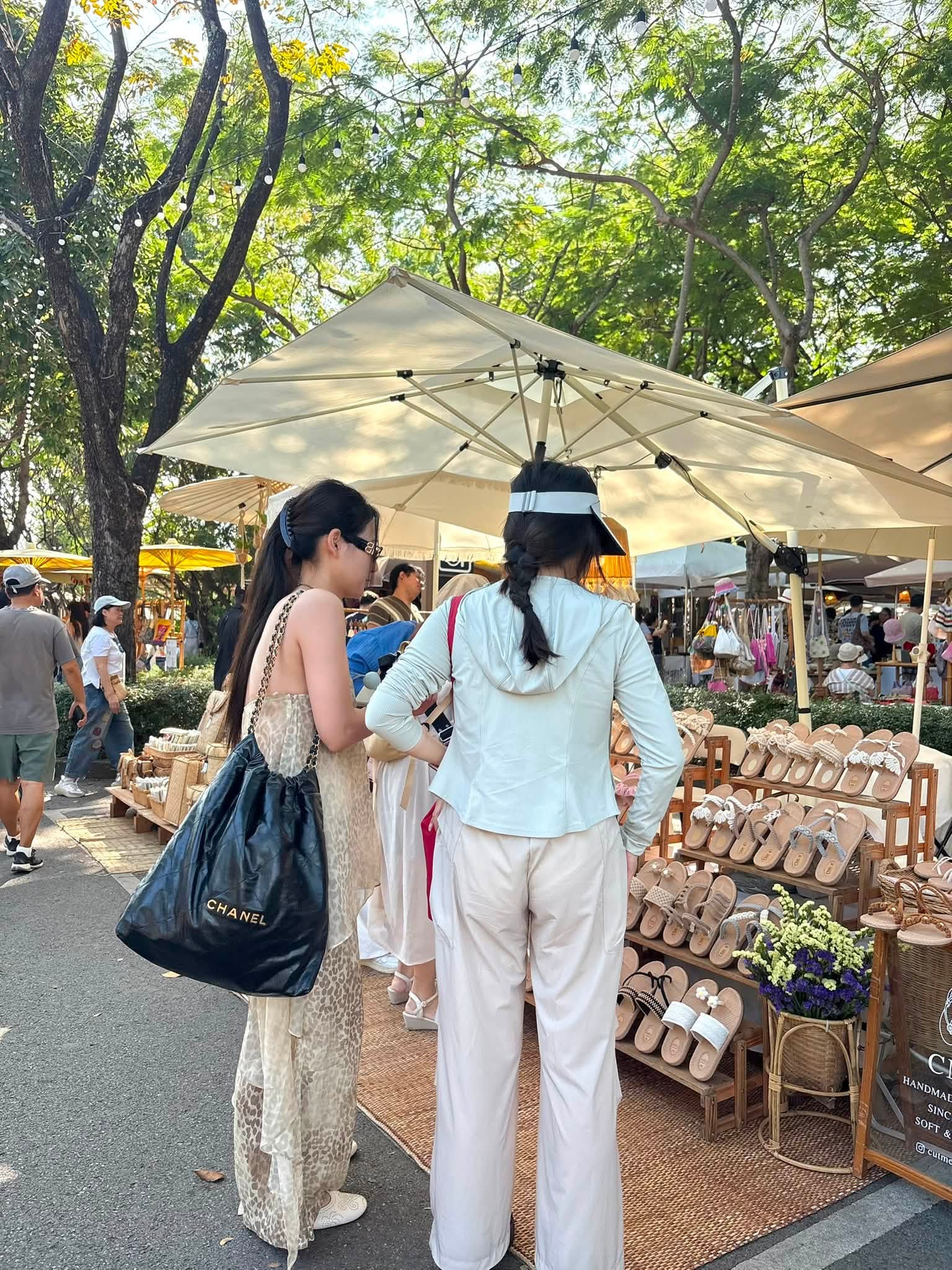
Imagine wandering through a charming market in Chiang Mai. Around you are independent cafés, colorful textiles, local artwork, and small stalls filled with handmade treasures.
You weren’t planning to buy anything. Yet something catches your eye.
A local artisan is carefully knotting a pair of sandals by hand. Each detail takes patience, skill, and time. Suddenly, those sandals feel like more than another souvenir.
You find yourself wondering about the person who made them.
What makes an ordinary product worth bringing home from a trip?
Sometimes, the answer has little to do with price. Instead, it comes down to the experience, the story, and the memories attached to it.
That question feels particularly relevant in 2026, as Thailand’s tourism industry faces a changing landscape.
International tourist arrivals are declining. However, tourism revenue has fallen at a slower rate.
So, what does this really tell us?
Are travelers changing the way they spend? Could meaningful experiences and locally made products become more important to Thailand’s tourism economy?
And perhaps most importantly, what opportunities could this create for Thai craftsmanship, local communities, and independent handmade brands?
Thailand Tourism 2026: Fewer Visitors, but a Different Revenue Story
According to figures from Thailand’s Ministry of Tourism and Sports, reported by The Nation in November 2026, Thailand welcomed approximately 25.46 million international tourists between January 1 and October 31, 2026.
That represents a 4.59% decline compared with the same period in 2025.
Meanwhile, international tourism revenue reached approximately 1.24 trillion baht, down 2.85% year over year.
At first glance, fewer arrivals might seem like bad news for one of Southeast Asia’s most recognizable travel destinations.
However, the figures reveal something worth examining.
Tourist numbers have fallen more sharply than overall tourism revenue.
Based on these figures, average tourism revenue per international arrival was approximately 48,700 baht, slightly higher than during the comparable period in 2025.
Of course, this doesn’t mean every traveler is spending more.
The difference could reflect several factors, including changing visitor demographics, longer stays, travel costs, or shifts in the countries tourists are arriving from.
Nevertheless, the data raises an important question.
What if Thailand’s tourism success depends not only on how many people visit, but also on the value each journey creates?
That idea could influence how the country approaches tourism in the years ahead.

Why Are Fewer International Tourists Visiting Thailand?
Thailand remains an attractive destination for millions of travelers.
From tropical beaches and vibrant street food to historic temples and creative neighborhoods, the country offers experiences that are difficult to replicate elsewhere.
Yet the global travel industry has changed.
Higher living costs, airfare prices, and economic uncertainty can influence where people choose to travel. At the same time, neighboring destinations such as Vietnam, Malaysia, and Indonesia continue to strengthen their tourism offerings.
As a result, travelers have more choices than ever.
Research published by KASIKORN RESEARCH CENTER in August 2026 also highlighted growing caution around travel spending, including reduced spending on souvenirs among some visitors.
This doesn’t necessarily mean Thailand is becoming less appealing.
Instead, it suggests that attracting visitors may require more than beautiful scenery, affordable accommodation, and familiar attractions.
Travelers can compare destinations instantly. They can research local experiences, read reviews, and discover lesser-known places before boarding a plane.
Consequently, Thailand faces a different challenge.
How can the country offer experiences that travelers genuinely remember, rather than simply compete on price?
From Value for Money to Value Through Meaning
An important shift is already taking shape.
In November 2026, the Tourism Authority of Thailand (TAT) introduced its tourism direction for 2027 under the concept of Value Over Volume.
Rather than focusing exclusively on increasing tourist arrivals, the approach emphasizes the economic, cultural, and social value created by tourism.
Another key idea is the transition from Value for Money to Value Through Meaning.
In simple terms, the goal is to offer travelers something more meaningful than a cheap holiday.
That might involve learning traditional weaving from a local artisan, joining a community-based cultural experience, or discovering products inspired by regional heritage.
For some visitors, these personal encounters may become the most memorable parts of their trip.
Importantly, meaningful tourism doesn’t have to be luxurious.
A conversation with a craftsperson or a visit to a small local workshop can be just as memorable as an expensive attraction.
This creates an interesting opportunity for Thailand’s creative industries.
After all, cultural experiences don’t end when travelers leave a destination. Sometimes, they continue through the products people bring home.
Are Tourists Shopping Less, or Simply Shopping Differently?
Shopping has long been an important part of traveling in Thailand.
According to research from the Tourism Authority of Thailand, published in October 2026, approximately 91.05% of international visitors in its 2025 survey participated in shopping activities during their trips.
The survey also reported a 21.04% increase in shopping expenditure.
Popular categories included clothing, souvenirs, cosmetics, fragrances, and Thai products.
However, those findings relate to 2025. They should not be interpreted as proof that shopping expenditure increased at the same rate in 2026.
Furthermore, other research suggests that some tourists have become more cautious about discretionary purchases.
Together, these findings raise an interesting question.
When travelers become more selective about spending, what makes a product worth buying?
The cheapest option isn’t necessarily the most appealing.
Some consumers prioritize quality and practicality. Others appreciate original design, craftsmanship, or the story behind an item.
For tourists, a purchase can also represent something personal.
It might remind them of a favorite destination, an unexpected conversation, or a cultural experience they couldn’t have enjoyed anywhere else.
These possibilities deserve further research. Nevertheless, they offer valuable questions for Thai businesses trying to understand changing travel behavior.

Beyond Souvenirs: Why Wearable Thai Crafts Deserve Attention
Think about the last souvenir you bought while traveling.
Do you still use it?
Or has it spent most of its life sitting on a shelf?
Traditional souvenirs have their own charm. However, there is another interesting product category worth exploring: wearable souvenirs.
These are items that travelers can use long after their holidays end.
A handmade bag, a locally designed shirt, a piece of jewelry, or a pair of sandals can become part of everyday life.
Unlike decorative souvenirs, wearable products combine memories with practical value.
Imagine buying a pair of handmade sandals during a trip to Chiang Mai.
You wear them while exploring local markets and cafés. Later, you bring them home and continue wearing them on weekends.
Over time, the sandals become a reminder of Thailand.
This doesn’t mean all travelers prefer wearable souvenirs. However, the concept presents an opportunity for local brands that combine design, functionality, and cultural identity.
For businesses producing handmade sandals in Thailand, this creates a compelling connection between travel, fashion, and craftsmanship.
The product is no longer simply something purchased during a holiday.
It becomes something that travels home with its owner.
Thai Craftsmanship: The Value Behind Every Handmade Product
Thailand has a rich tradition of craftsmanship.
From handwoven textiles and basketry to jewelry and contemporary fashion accessories, local artisans continue to transform traditional skills into modern products.
In June 2026, the Tourism Authority of Thailand introduced its Craft Thailand initiative, highlighting 50 Thai craft brands across five areas, including Bangkok, Chiang Mai, Khon Kaen, Ayutthaya, and Songkhla–Pattani.
The initiative connects local creativity with cultural tourism and community-based economic opportunities.
More importantly, it highlights an idea that deserves greater attention.
Craftsmanship is not just something tourists can buy. It can also become part of the experience that brings them closer to Thai culture.
Consider the work behind a handmade product.
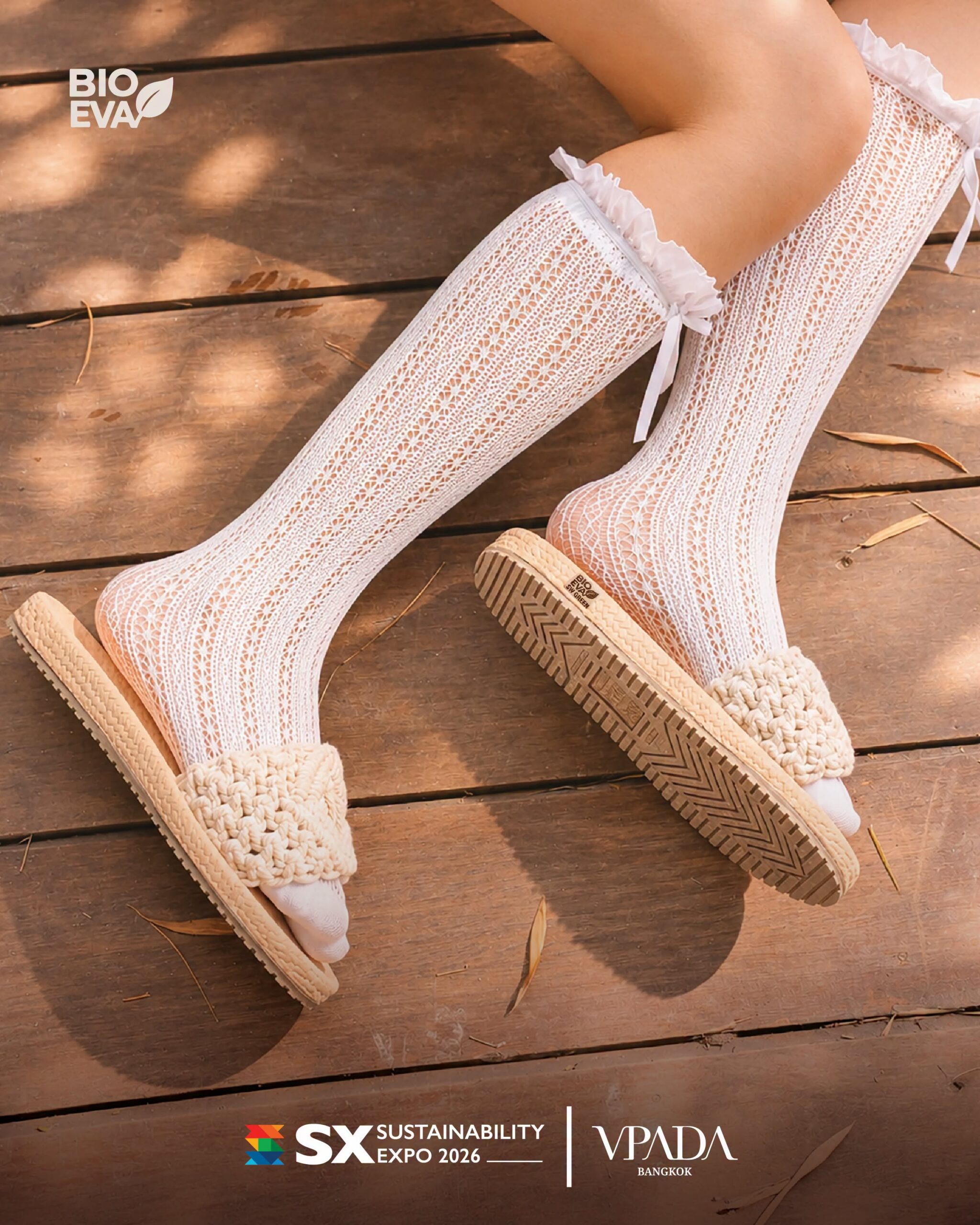
A woven textile may require specialized techniques. A handcrafted bag involves careful preparation and assembly. Meanwhile, a pair of macramé sandals requires precise knotting, balance, and design.
These details often remain invisible when customers see only the finished product.
Yet once travelers understand the process, their appreciation may change.
They begin to recognize the time, skills, and human effort involved.
This is where Thai handmade fashion has an opportunity to distinguish itself.
Rather than competing exclusively through low prices, local brands can highlight original designs, authentic craftsmanship, and practical quality.
At the same time, supporting local production can help create employment and income opportunities.
However, meaningful sustainability claims should also be supported by evidence, including fair compensation, consistent orders, and measurable benefits for participating communities.

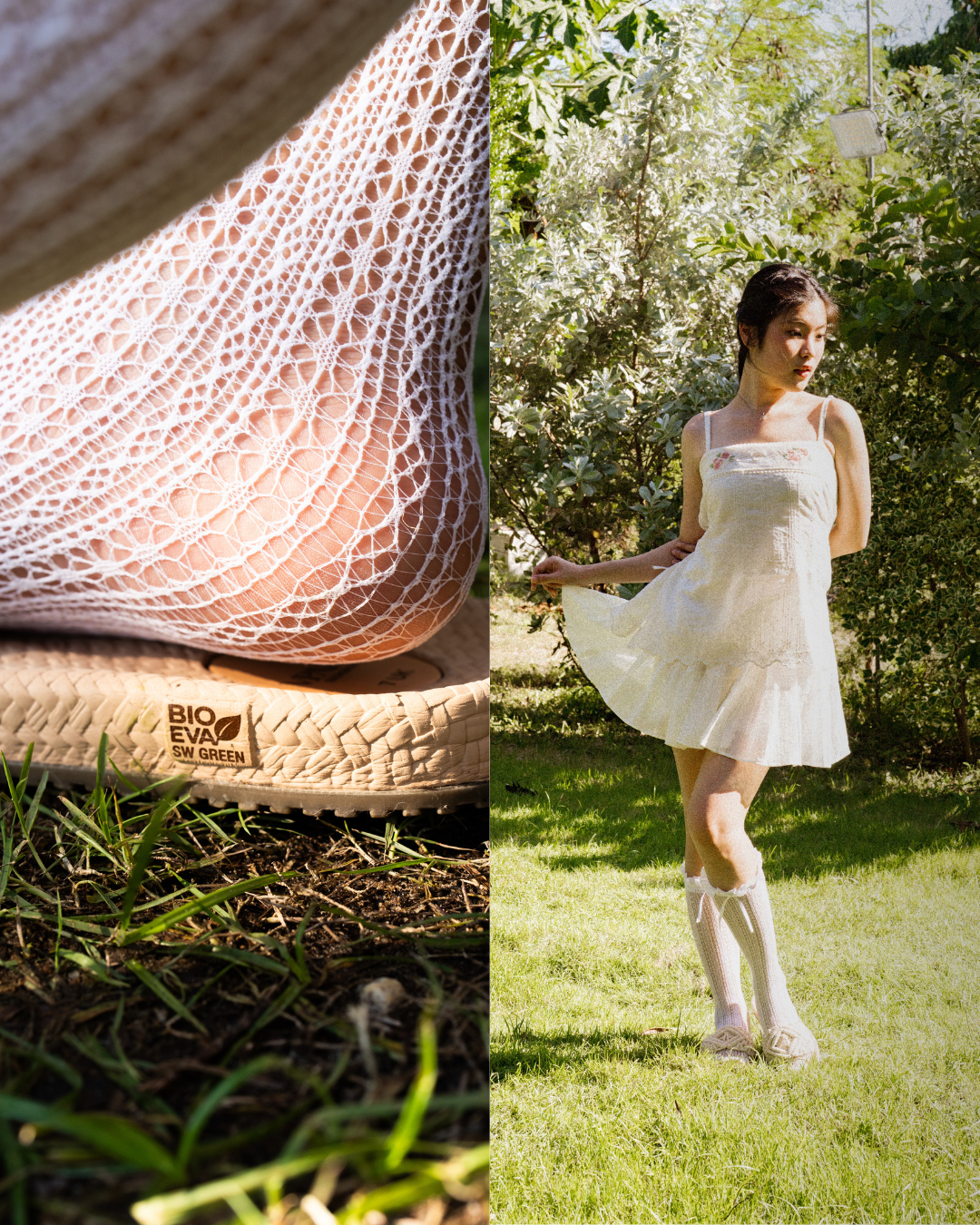
Sandals World: Bringing Thai Handmade Craftsmanship Into Everyday Fashion
As Thailand explores a tourism model built around meaningful experiences, local craftsmanship offers an interesting way to connect culture with products travelers can use.
This idea sits at the heart of Sandals World, a creative hub bringing together Thai handmade sandal brands, artisans, and local craftsmanship.
The platform celebrates the creativity and individuality of Thai makers while exploring opportunities to develop more responsible products.
Through its vision of Sustainable Thai Craft Sandals, Sandals World aims to connect three essential values: handmade craftsmanship, community, and local identity.
Its partner brands demonstrate how traditional techniques can become contemporary fashion.
For example, VPADA Bangkok and Milala Handmade incorporate macramé knotting and other decorative techniques into modern sandal designs.
These creations represent the artistic possibilities of Artistic Handmade Sandals, where skilled handwork becomes part of the product’s visual identity.
Likewise, Art & Craft Sandals connect practical footwear with creativity and cultural inspiration.
Instead of treating sandals as basic holiday essentials, the designs invite travelers to appreciate the details behind each pair.
For Sandals World, craftsmanship also extends beyond the finished product.
Through its Step Together with Sandals World initiative in Mae Hong Son, the organization works to support traditional textile skills and local production opportunities among Pga K’Nyau artisans.
One result is DEUA ROOTS, a collection developed with VPADA that incorporates traditional woven elements and Job’s tears bead embroidery into contemporary sandals.
These projects show how a fashion product can connect design, local knowledge, and community participation.
For travelers interested in discovering Thailand sandals with distinctive craftsmanship, such products offer something beyond conventional mass-produced footwear.
They provide an opportunity to encounter a different side of Thai creativity.
𝙎𝙖𝙣𝙙𝙖𝙡𝙨 𝙒𝙤𝙧𝙡𝙙 𝙞𝙨 𝙏𝙝𝙖𝙞𝙡𝙖𝙣𝙙’𝙨 𝙡𝙖𝙧𝙜𝙚𝙨𝙩 𝙝𝙪𝙗 𝙤𝙛 𝙖𝙧𝙩𝙞𝙨𝙩𝙞𝙘 𝙝𝙖𝙣𝙙𝙢𝙖𝙙𝙚 𝙨𝙖𝙣𝙙𝙖𝙡𝙨


ABOUT THE CONTENT CREATOR
BUNTHARIK INSIRI
(Content Writer)
Sandals World | Art & Craft Sandals | Sustainable Thai Craft Sandals Tags: handmade sandals, sandals world, foot health,
Thailand sandals, artistic handmade sandals, art & craft sandals, plantar fasciitis, bunion, sustainable sandals and BIO EVA ,SW GREEN