

Sandals World News, Sustainability
What’s Really Under Your Feet? From Plastic and EVA Foam to BIO EVA SW GREEN
Sep
Plastic is everywhere. We drink from it, carry food in it, build with it and even walk on it. However, one important fact often gets lost in the conversation: plastic is not one material.
A water bottle, shopping bag, food container, PVC pipe and pair of sandals may all contain plastic. Yet each product can use a completely different polymer with different properties, production methods and recycling challenges.
PET, HDPE, LDPE, PP, PVC, PS, PUR and EVA all belong to the broad plastic family. Still, they behave very differently. Some offer rigidity, while others provide flexibility. Certain plastics tolerate heat, whereas others work better as lightweight foam.
For sandals world, understanding these differences matters because EVA Foam plays an important role in modern footwear. EVA offers a useful combination of light weight, flexibility and cushioning. As a result, manufacturers commonly use it in soles, midsoles and handmade sandals.
However, conventional EVA usually relies on fossil-derived feedstocks. That reality raises a new question: Can we keep the performance of EVA while reducing our dependence on fossil resources?
This question sits at the heart of BIO EVA SW GREEN, a material-development direction from Sandals World that explores sugarcane-based renewable feedstocks as part of a Low Carbon and sustainability strategy.
Plastic Is Not Just Plastic: Why Polymer Type Matters
To understand the problem, we first need to understand what plastic actually is. Most plastics contain long molecular chains called polymers. Different molecular structures create different properties.
Manufacturers also add ingredients such as pigments, stabilizers, plasticizers and processing aids. Therefore, even two products made from the same broad polymer family may perform differently.
Think of a polymer as the main ingredient in a recipe. Changing the main ingredient changes the result. At the same time, changing the additional ingredients can alter flexibility, strength, colour and durability.
This diversity makes plastic extremely useful. On the other hand, it also makes recycling more complicated.
A product may contain several polymers, glue, fabric, rubber, colour coatings and decorative parts. Once manufacturers combine these materials, recyclers may struggle to separate them economically.
For that reason, “recyclable” does not always mean “recycled.”

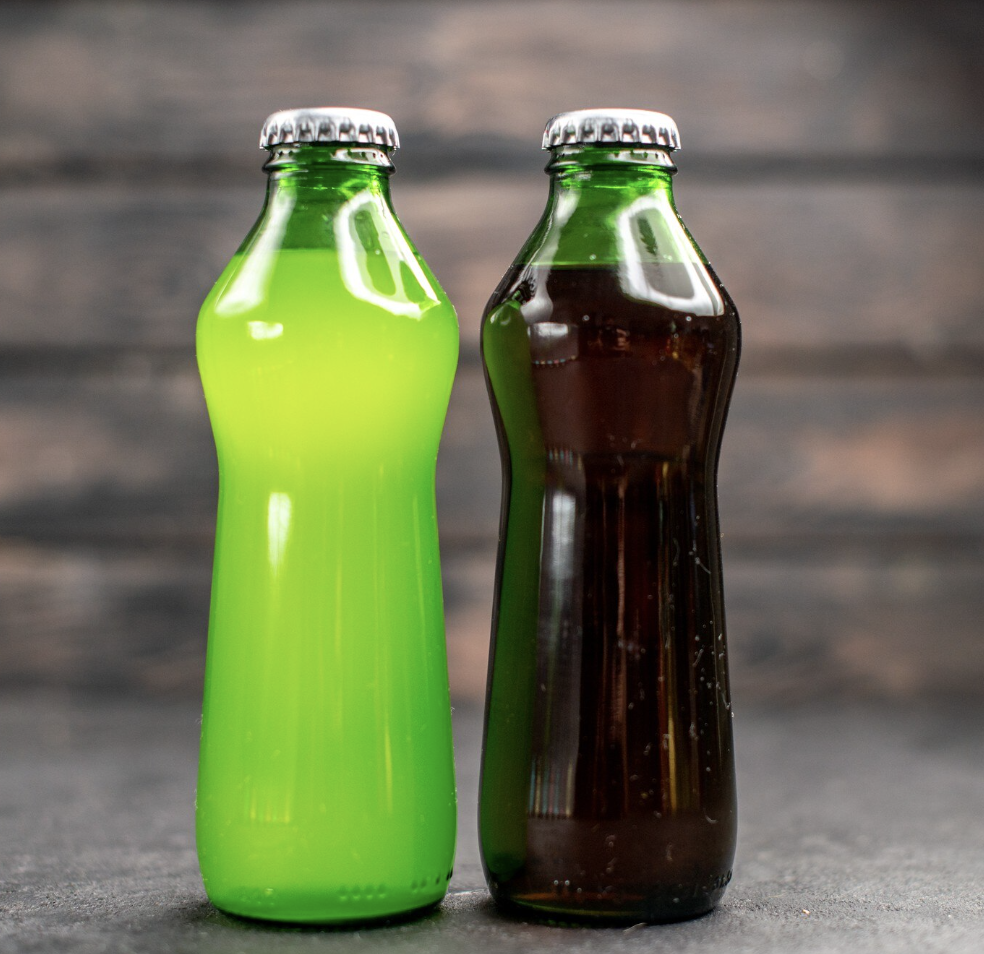
PET: The Familiar Plastic Behind Drinking Bottles
PET stands for Polyethylene Terephthalate. Most people know it from water bottles, soft-drink bottles and food packaging.
This material combines clarity, strength and low weight. Moreover, many countries already have collection systems for PET, which gives it an advantage over some other polymers.
Still, recycling depends on more than the polymer itself. Labels, colours, contamination and other attached materials can reduce the quality of recycled PET.
Therefore, good product design and effective sorting systems remain essential.

HDPE: Strong, Durable and Widely Used
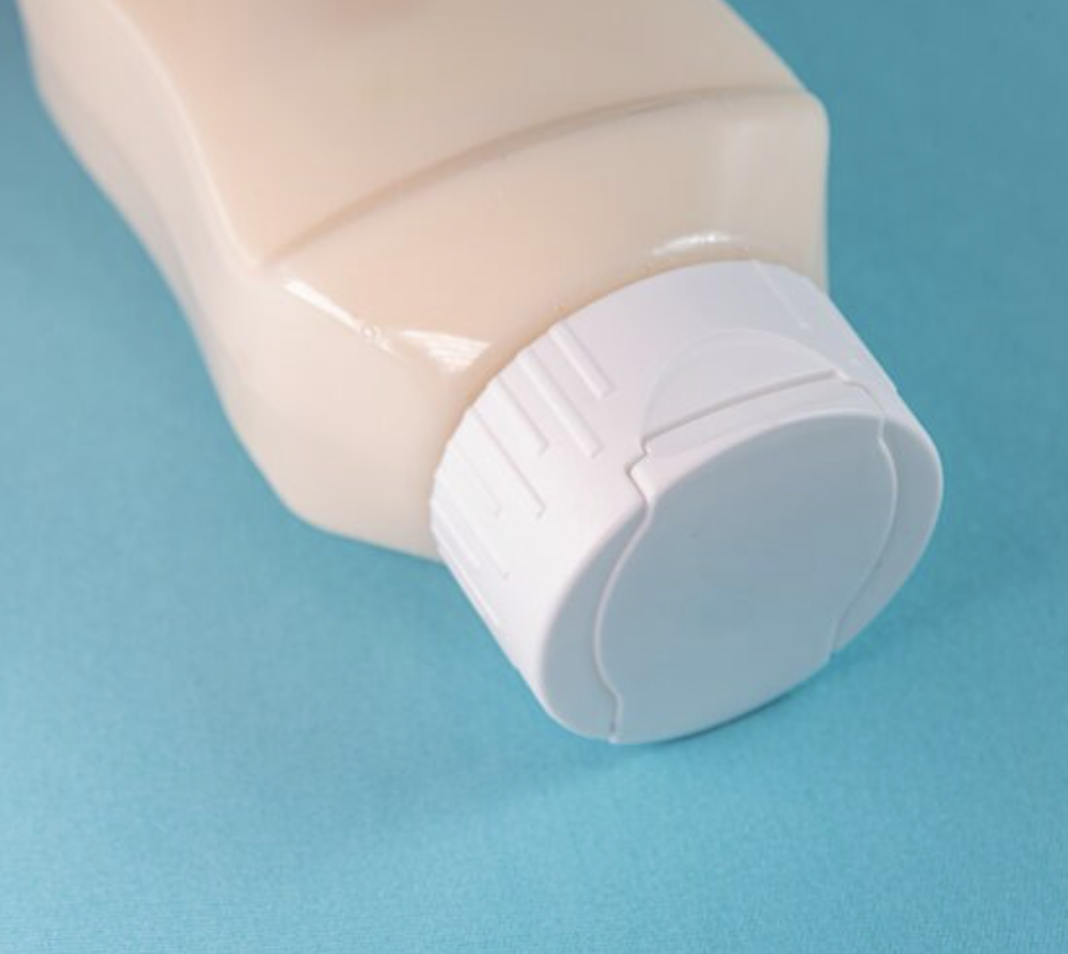
HDPE, or High-Density Polyethylene, commonly appears in milk bottles, shampoo bottles, cleaning-product containers and larger plastic packaging.
Compared with some flexible plastics, HDPE offers greater rigidity and good chemical resistance. Consequently, manufacturers use it for products that need strength and durability.
HDPE also has relatively established recycling pathways in many markets. Nevertheless, proper sorting still matters.
When manufacturers combine HDPE with incompatible materials, the recycling process becomes more difficult.
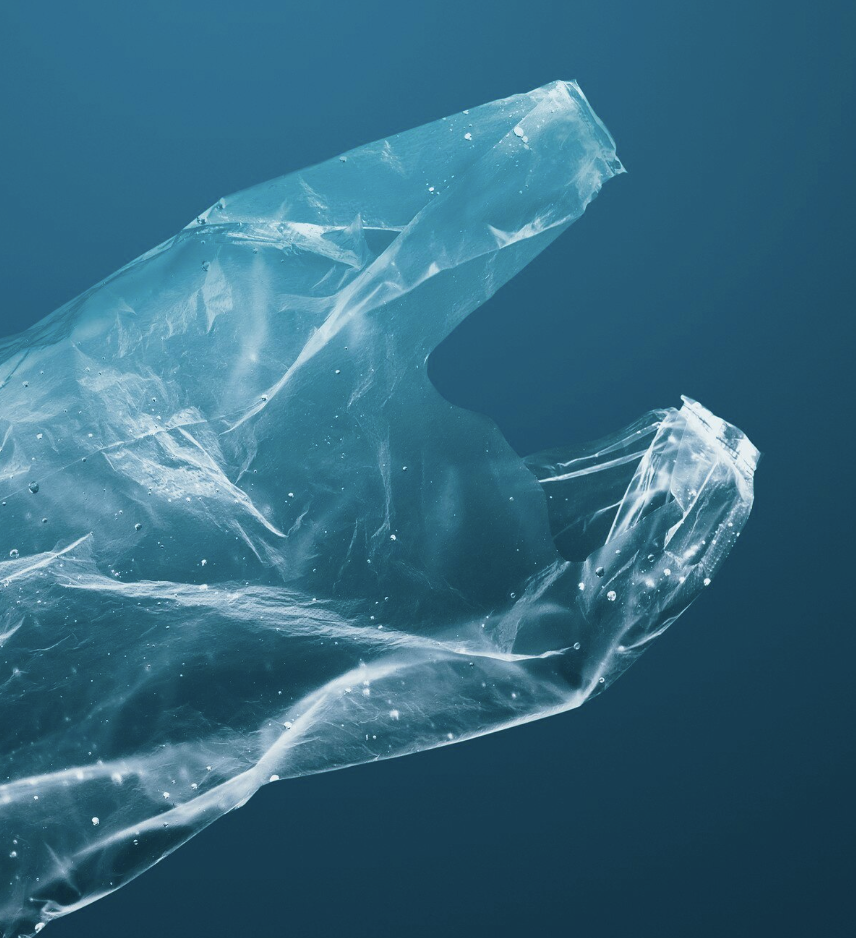
LDPE: Flexible but Harder to Collect
LDPE means Low-Density Polyethylene. We often see it in shopping bags, flexible films and soft packaging.
Its flexibility makes it useful for countless everyday applications. However, the same lightweight structure can cause problems during recycling.
Thin films may become tangled in sorting equipment. Food residue can also contaminate flexible packaging.
As a result, LDPE may be technically recyclable but still fail to reach an effective recycling system.
This difference between theoretical recyclability and real recycling is one of the biggest challenges in the plastic economy.
PP: Lightweight and Heat Resistant
Polypropylene, or PP, appears in food containers, bottle caps, household products, furniture and automotive parts.
Manufacturers value PP because it combines low weight with durability and relatively good heat resistance. Therefore, it works well in products that face repeated use.
Recycling systems for PP continue to develop. Yet collection rates vary across countries and cities.
Once again, product design matters. A simple PP container can be easier to process than a product that combines PP with several other materials.
PVC: One Polymer with Many Personalities
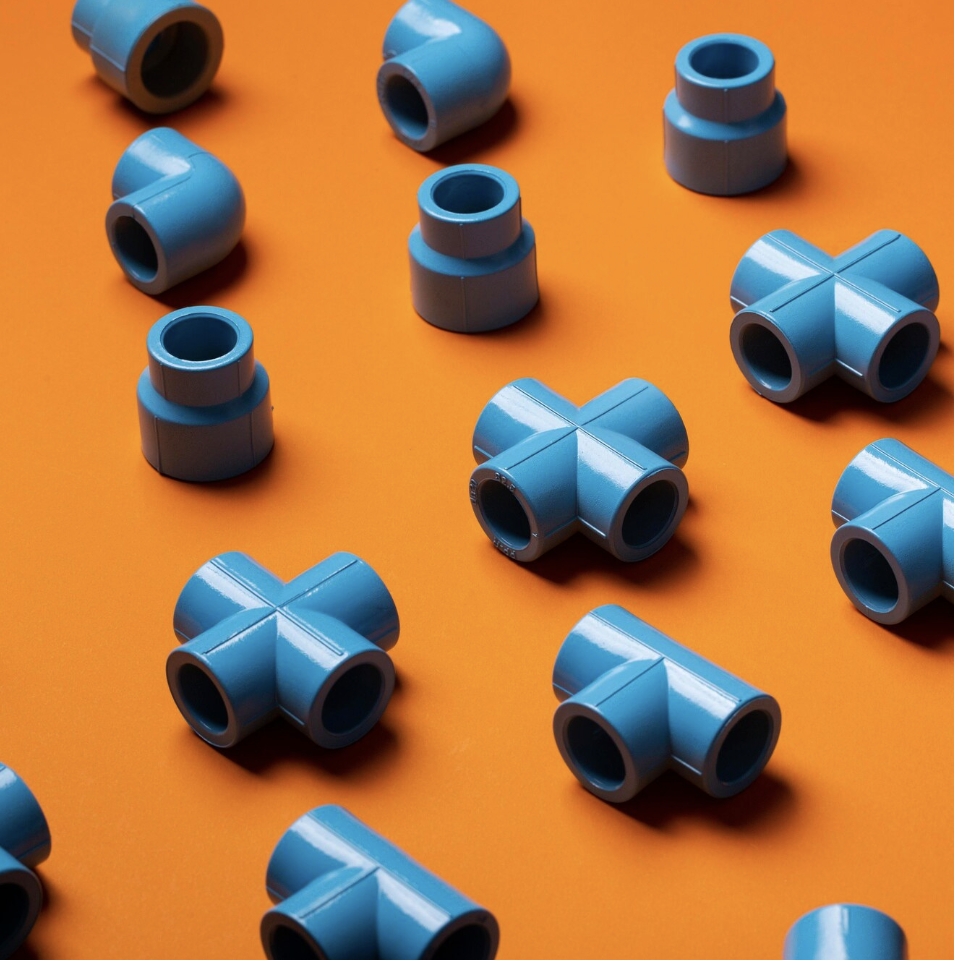
PVC stands for Polyvinyl Chloride. It appears in pipes, flooring, electrical cables, construction materials and flexible products.
Manufacturers can make PVC rigid or soft by changing its formulation. This versatility creates many useful applications.
However, different additives can also complicate recycling. Products may contain plasticizers, pigments and other substances that require specific processing.
Therefore, identifying the polymer alone does not tell us everything about its recycling potential.
PS: Very Light, but Difficult to Recover
PS, or Polystyrene, comes in both rigid and foam forms. Expanded polystyrene is especially familiar as lightweight protective packaging.
Its low weight provides a practical advantage during use. However, it creates a logistical challenge after disposal.
A large volume of expanded foam may contain very little material by weight. Consequently, collection and transportation can become expensive unless recycling facilities have suitable compaction systems.
This example shows why recycling depends on economics as well as chemistry.

PUR: Why Not All Foams Are the Same
Polyurethane, often called PUR or PU, appears in mattresses, furniture, insulation, automotive parts and footwear.
At first glance, polyurethane foam may look similar to EVA Foam. Chemically, however, the two materials differ significantly.
Some polyurethane systems form cross-linked structures. As a result, manufacturers cannot simply melt and reshape them like common thermoplastics.
So, the word “foam” tells us very little about how a material behaves at the end of its life.
EVA Foam: The Plastic Hiding Under Our Feet
EVA stands for Ethylene Vinyl Acetate. Manufacturers create this copolymer by combining ethylene and vinyl acetate.
By adjusting the formulation, they can control softness, flexibility and resilience. After foaming, EVA becomes lightweight and cushioning while retaining useful shock-absorbing properties.
These qualities explain why the footwear industry uses EVA extensively in midsoles, insoles and sandals.
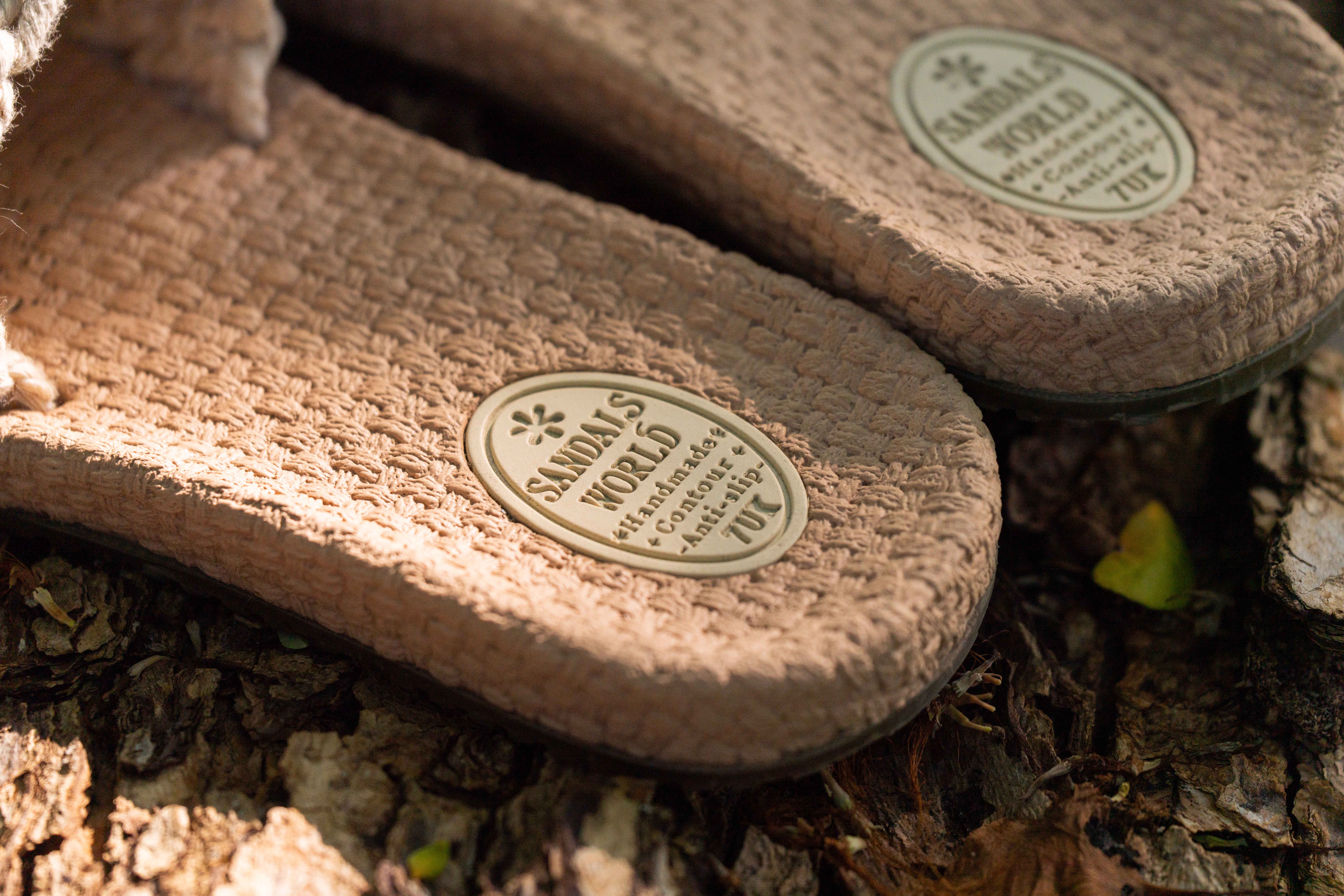
For Sandals World, EVA has another important role. A pair of handmade sandals needs more than beautiful craftsmanship. The structure beneath the foot also influences comfort, weight and everyday usability.
Macramé, crochet, weaving and other handmade techniques may define the visual identity. Meanwhile, the sole determines much of the walking experience.
Therefore, materials and craftsmanship must work together.
The Bigger Question: Where Does Conventional EVA Come From?
The problem with conventional EVA is not simply that it belongs to the plastic family. Instead, one major sustainability question concerns its feedstock.
Traditional EVA production commonly relies on ethylene derived from fossil resources such as petroleum or natural gas.
These fossil resources take millions of years to form. Once extracted and consumed, humans cannot renew them on a meaningful timescale.
Recycling can help reduce demand for virgin resources. However, recycling alone cannot solve the entire challenge.
Footwear often combines foam, rubber, textiles, adhesives and decorative materials. Separating all these components after use can require complex processes.
Therefore, a better approach must begin earlier: at the material and design stage.

From Oil to Sugarcane: How BIO EVA Changes the Starting Point
Bio-EVA introduces a different idea. Instead of completely replacing EVA chemistry, manufacturers can change the source of part of the carbon used to produce it.
The basic pathway looks like this:
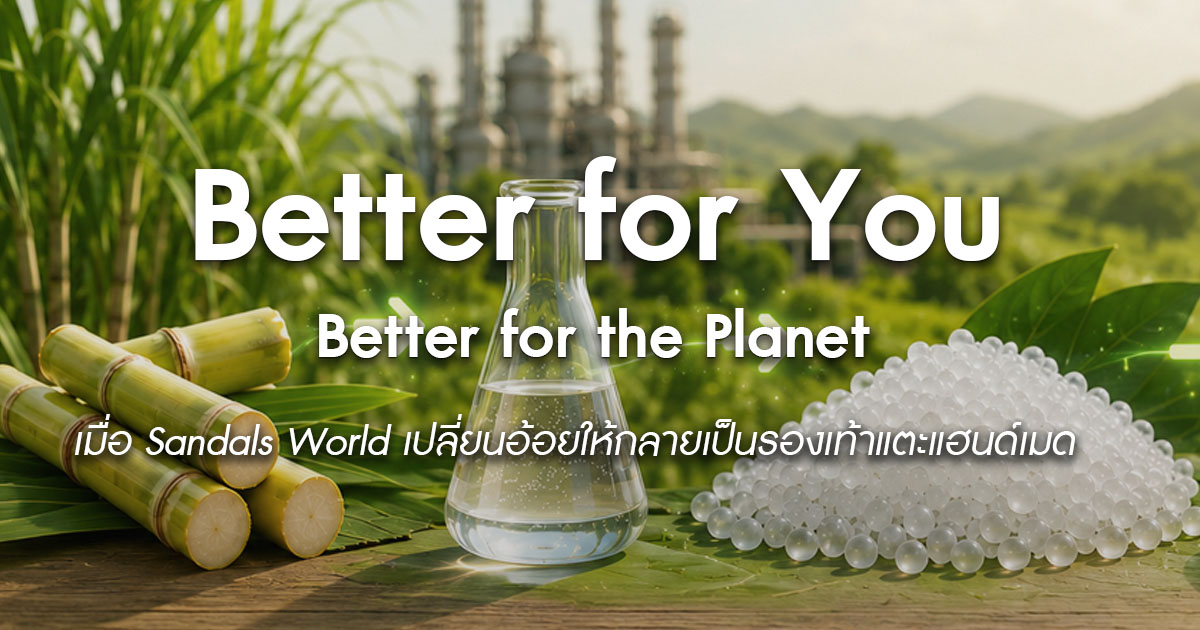
Sugarcane → Sugar → Bio-Ethanol → Bio-Ethylene → Bio-EVA
Sugarcane is a renewable agricultural resource. Farmers can grow and harvest it again within agricultural cycles.
During growth, sugarcane also absorbs carbon dioxide through photosynthesis. Producers can then ferment sugar into ethanol and convert that ethanol into renewable ethylene.
Finally, manufacturers can use renewable ethylene as a feedstock for bio-based polymers, including certain grades of EVA.
This process does not make plastic disappear. Instead, it changes part of the material’s starting point from fossil resources toward renewable biomass.
That distinction lies at the centre of BIO EVA SW GREEN.
BIO EVA SW GREEN: What It Means and What It Does Not Mean
Clear sustainability communication matters. Therefore, BIO EVA should not be described as “100% sugarcane sandals” unless verified material data supports that exact claim.
Likewise, bio-based does not automatically mean biodegradable.
These terms describe different characteristics.
Bio-based describes where some of the material’s carbon comes from. Biodegradable, in contrast, describes how a material can break down under specific environmental conditions.
With Bio-EVA, renewable sugarcane-based feedstock can replace part of the fossil-derived feedstock used in conventional EVA.
Commercial Bio-EVA grades can contain different percentages of bio-based material depending on their formulation.
For sandals world, the important direction is therefore clear: reduce dependence on fossil-derived raw materials while maintaining the performance needed for comfortable footwear.
From Thai Craft to Sustainable Thai Craft Sandals
This material development connects naturally with the identity of Sandals World.
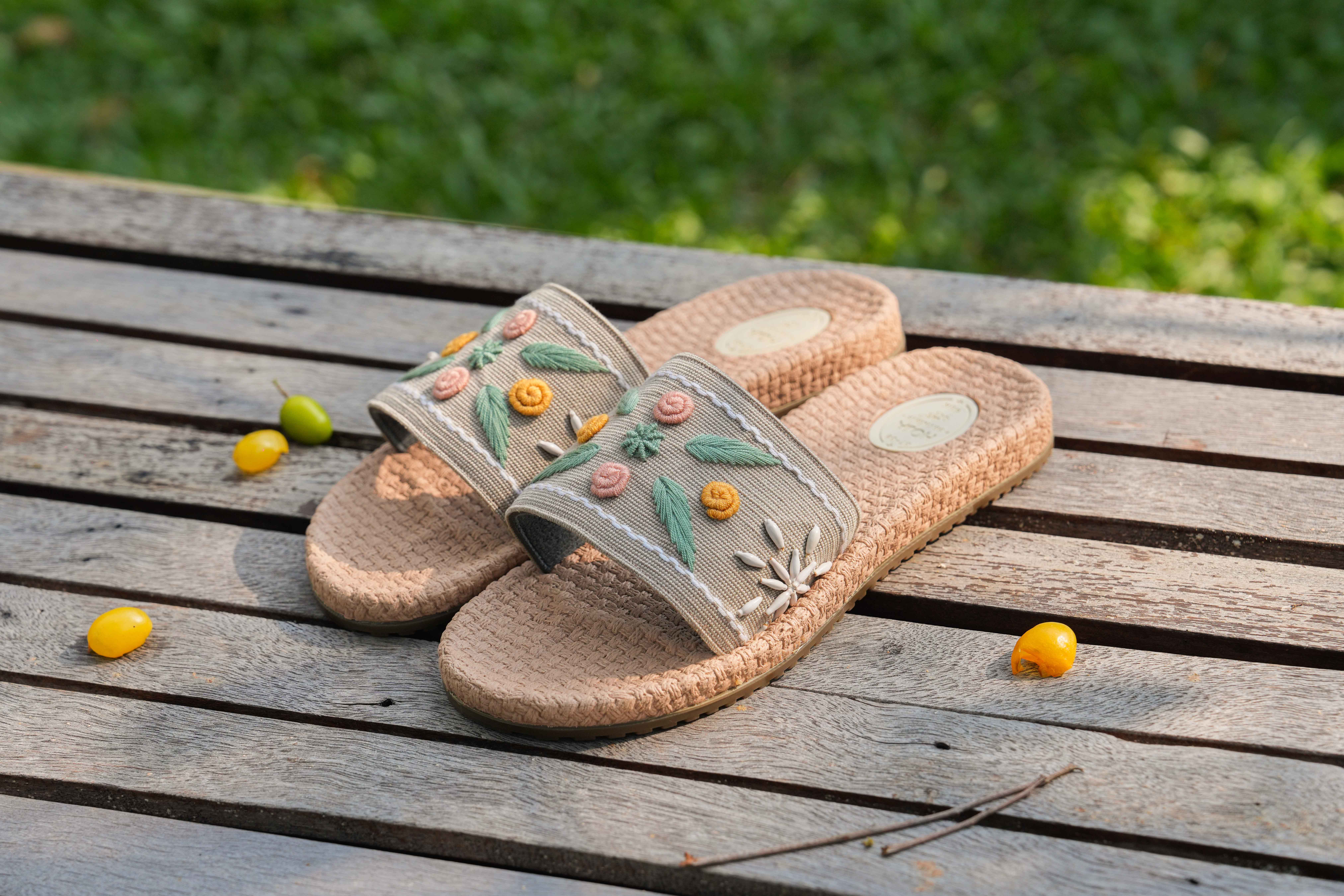
Thai craftsmanship already gives each product a distinctive story. Macramé, crochet, embroidery and weaving add texture, culture and human skill to Thailand sandals.
However, craft alone cannot define the next generation of sustainable footwear.
If we want to develop Sustainable Thai Craft Sandals, we must look at both the visible and invisible parts of the product.
The visible layer includes colour, craft and design. Meanwhile, the invisible layer includes raw materials, energy, carbon sources, product durability and end-of-life considerations.
Together, these layers can create a more complete approach to sustainability.

Three Ideas That Must Move Together: Design, Materials and Comfort
Design That People Want to Keep
Sustainable products still need emotional value. Customers should want to wear them repeatedly rather than replace them quickly.
That principle supports the vision of Artistic Handmade Sandals. Beautiful design, Thai identity and skilled craftsmanship can create products with stronger personal value.
Likewise, Art & Craft Sandals can connect contemporary fashion with traditional skills instead of treating craft as decoration alone.
Materials That Look Beyond Fossil Resources
BIO EVA SW GREEN focuses on another part of the equation: materials.
Replacing part of fossil-based feedstock with renewable sugarcane-based alternatives offers one pathway toward lower fossil dependence.
Still, responsible development should continue. Material efficiency, bio-based content, manufacturing energy, durability and carbon footprint all require attention.
A credible Low Carbon strategy depends on measurable progress, not simply green language.
Comfort That Encourages Longer Use
Comfort also plays an important role in sustainability.
If sandals look sustainable but feel uncomfortable, customers may stop wearing them. Consequently, a product may reach the end of its useful life much sooner than expected.
Lightweight cushioning, flexibility and foot-supporting design can encourage repeated use.
In other words, durability and usability belong in the sustainability conversation too.
Sustainability Starts Before the Recycling Bin
Recycling remains important, but it comes too late to solve every problem.
By the time a consumer throws away a product, manufacturers have already made most major material decisions.
They have selected the polymers, adhesives, colours, components and construction methods. Those choices strongly affect what recyclers can do later.
For this reason, the future of sustainable footwear requires better questions from the beginning.
Can we reduce fossil-derived material? Can renewable feedstocks replace part of it? Can we simplify material combinations? Can we make the product last longer? Can we create something that customers genuinely want to keep?
These questions move sustainability from a waste-management issue to a design strategy.
The Future of Sandals May Begin with Something We Cannot See
When we look at handmade sandals, our eyes naturally go to colour, texture, knots, weaving and craftsmanship.
Yet the next generation of footwear may depend just as much on something invisible: the origin of the carbon inside the material.
Did that carbon begin in fossil resources? Could part of it come from renewable sugarcane instead? Can the material deliver comfort while reducing dependence on fossil feedstocks?
For Sandals World, BIO EVA SW GREEN is not simply a change from one foam to another. It represents a broader shift in how we think about product development.
The question is no longer only, “Does this pair look beautiful?”
We can now ask something more ambitious:
“Can a pair of sandals combine Thai craftsmanship, everyday comfort, thoughtful design and better material choices in one product?”
That question represents the direction of Sustainable Thai Craft Sandals.
Craft and technology do not need to compete. Beautiful design and sustainability do not need to exist on opposite sides either.
Instead, the future can bring them together.
From Thai Craft to Better Materials. From EVA Foam to BIO EVA. From Handmade Sandals to a More Thoughtful Step Forward.
𝙎𝙖𝙣𝙙𝙖𝙡𝙨 𝙒𝙤𝙧𝙡𝙙 𝙞𝙨 𝙏𝙝𝙖𝙞𝙡𝙖𝙣𝙙’𝙨 𝙡𝙖𝙧𝙜𝙚𝙨𝙩 𝙝𝙪𝙗 𝙤𝙛 𝙖𝙧𝙩𝙞𝙨𝙩𝙞𝙘 𝙝𝙖𝙣𝙙𝙢𝙖𝙙𝙚 𝙨𝙖𝙣𝙙𝙖𝙡𝙨


ABOUT THE CONTENT CREATOR
BUNTHARIK INSIRI
(Content Writer)
Sandals World | Art & Craft Sandals | Sustainable Thai Craft Sandals Tags: handmade sandals, sandals world, foot health,
Thailand sandals, artistic handmade sandals, art & craft sandals, plantar fasciitis, bunion, sustainable sandals and BIO EVA ,SW GREEN

What’s Really Under Your Feet? From Plastic and EVA Foam to BIO EVA SW GREEN
Post Views: 1 Plastic is everywhere. We drink from it, carry food in it, build [...]
Sep
Only 9% Gets Recycled: Are We Solving the Plastic Crisis the Wrong Way?
Post Views: 5 Every time we drop a plastic bottle into a recycling bin, we [...]

Bangkok Flood 2026: Why Bangkok Flooded So Severely | Sandals World
Post Views: 13 At the end of September 2026, one question was on the minds [...]
Sep
El Niño 2026 and Sustainable Thai Craft Sandals: Why Every Step Matters
Post Views: 17 The climate is changing in ways that are becoming harder to ignore. [...]
Sep
Circular Fashion: Why Your Sandals Deserve a Second Life
Post Views: 13 What happens to your favorite pair of sandals when you stop wearing [...]
Sep

Chic Handmade: From Fingertips to Every Step The Story Behind Artistic Handmade Sandals from Thailand
Post Views: 13 In a world where factories can produce thousands of shoes every day, [...]
Sep

From Thai Craft to BIO EVA: How Sandals World Is Rethinking the Future of Sandals
Post Views: 11 When people think about sandals, they often think about comfort, summer, travel, [...]
Sep

Bangkok Just Became Asia’s #2 Most Repeat-Visited City in 2026 Here’s Why It’s Time to Walk the City in Handmade Sandals from Thailand
Post Views: 18 Give Bangkok another round of applause! Agoda, the world’s leading digital travel [...]
Sep
SANDALS WORLD GUIDE
Artistic Handmade Sandals
BY
SANDALS WORLD THAILAND
The Largest Hub
of Artistic Handmade Sandals in Thailand.