

Brand Stories
Only 9% Gets Recycled: Are We Solving the Plastic Crisis the Wrong Way?
Every time we drop a plastic bottle into a recycling bin, we expect it to return as something new. Recycling feels like the responsible choice, and it remains an important part of waste management. However, the global numbers reveal a much bigger problem.
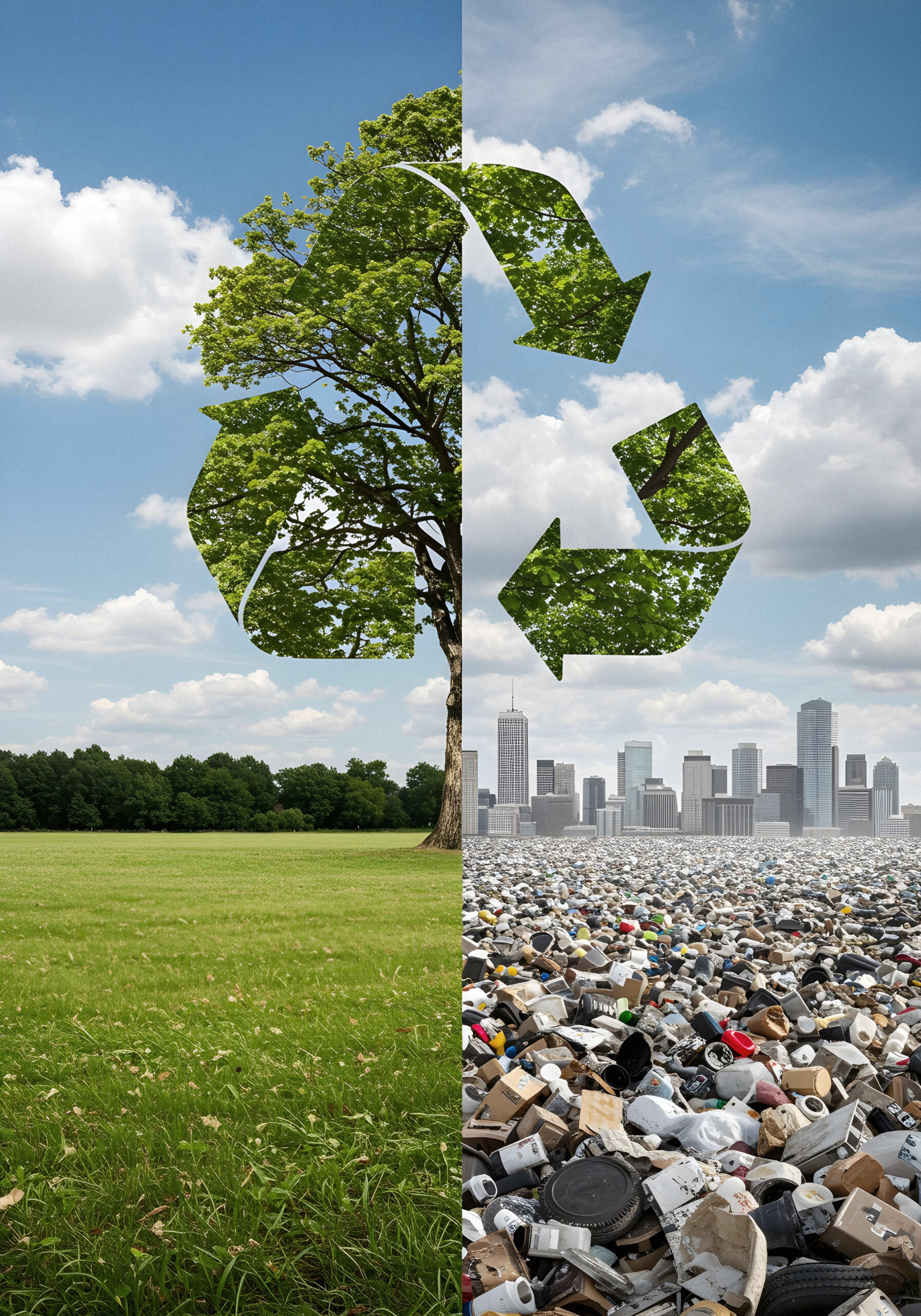
According to the OECD, the world generated around 353 million tonnes of plastic waste in 2019, yet only about 9% actually returned to the economy through recycling. Landfills received almost half of the total, incineration accounted for around 19%, while poor waste management allowed another large share to escape into the environment.
At the same time, plastic consumption continues to rise. UNEP reports that the world used more than 500 million tonnes of plastic in 2024, generating roughly 400 million tonnes of plastic waste every year. Without significant changes, global plastic waste could reach around 1.2 billion tonnes annually by 2060.
These figures reveal an uncomfortable truth: sustainability cannot begin and end with a recycling bin.
Instead of asking only, “How can we recycle more?”, we also need to ask a more difficult question: Why are we creating so much waste in the first place?
The 9% Problem: What Really Happens After the Recycling Bin?
Many people assume that putting plastic into a recycling system guarantees a second life for the material. In reality, the process involves far more than collection.
In 2019, recycling systems collected approximately 55 million tonnes of global plastic waste. Sorting, contamination and processing losses removed a significant portion from the recycling stream. As a result, only around 33 million tonnes successfully became recycled material. That equals roughly 9% of total plastic waste.
Imagine 100 kilograms of discarded plastic. On average, only around 9 kilograms successfully return as recycled material.
The distinction matters:
Collected for Recycling ≠ Actually Recycled
Recycling still plays an essential role. Nevertheless, no recycling system can keep pace if society produces disposable materials faster than it can recover them. Therefore, real sustainability must extend beyond waste management into material selection, product design, consumption habits and product longevity.
Why Is Plastic So Difficult to Recycle?
Plastic is not a single material. PET, HDPE, LDPE, PP, PVC, EVA and many other polymers have different chemical structures, melting temperatures and applications.
Modern products often make recycling even harder because manufacturers combine several materials in one item. Packaging may include plastic film, adhesives, printed inks, aluminium layers and different polymers. Separating those materials after use can cost more than the recovered material itself.
Contamination creates another challenge. Food residue, oil and liquids can make plastic difficult to process. Recycling facilities must collect, sort, clean, transport and prepare these materials before turning them into something useful again. Each extra step requires energy, water, infrastructure and money.
Material quality also changes over time. Mechanical recycling exposes plastic to heat and processing, which can gradually weaken its properties. Instead of returning to the same application repeatedly, some plastic moves into lower-value products through downcycling.
The journey may look like this:
High-quality plastic → Lower-value product → Harder-to-recycle material → Waste
For this reason, recycling cannot create an endless loop for every type of plastic.
Plastic Does Not Disappear When We Throw It Away
Waste can travel much farther than most of us imagine. During heavy rainfall, water carries plastic bottles, bags, packaging and fragments from streets into drainage systems. Canals and rivers then transport some of this waste toward the ocean.
The route can happen quickly:
City → Drainage → Canal → River → Ocean
UNEP estimates that more than 11 million tonnes of plastic enter the ocean every year. Scientists also estimate that approximately 75–199 million tonnes of plastic may already exist in marine environments worldwide.
Therefore, plastic piled beside roads, rivers and canals represents more than an urban cleanliness problem. It forms part of a much larger environmental crisis.
Once plastic reaches the ocean, recovery becomes extremely difficult. Waves, sunlight and physical movement break larger items into smaller fragments. Over time, those particles can spread throughout marine ecosystems and become increasingly difficult to remove.
Our Oceans Face More Than One Crisis
Plastic pollution does not act alone. Marine ecosystems already face pressure from overfishing, climate change, habitat loss, coastal development and rising ocean temperatures.
Plastic adds another burden.
The FAO reported in its 2025 global assessment that 35.5% of assessed marine fishery stocks were overfished. Meanwhile, millions of tonnes of plastic continue to enter aquatic environments every year.
We should not claim that plastic pollution alone causes global fish populations to decline. The relationship is far more complex. However, plastic contributes additional environmental pressure to ecosystems that already struggle with several major threats.
Marine pollution can affect wildlife through ingestion, entanglement and habitat disturbance. It can also create wider consequences for fisheries, coastal tourism, food systems and communities that depend on healthy oceans.
Plastic pollution, therefore, goes beyond waste. It has become a resource, design and sustainability challenge.
Thailand Is Losing Valuable Resources to Plastic Waste
The plastic crisis is not happening somewhere far from Thailand.
A World Bank study examining PET, HDPE, LDPE and PP found that Thailand recycled only about 17.6% of these key plastic resins in 2018. Approximately 2.88 million tonnes did not return to the recycling system.
That loss also carries an enormous economic cost. The World Bank estimated that Thailand loses around US$3.6–4.0 billion in material value each year when useful plastic resources leave the productive economy instead of circulating back into it.
Consider the journey behind one plastic product. Companies must obtain raw materials, process them, manufacture the item and transport it through the supply chain. Consumers then buy and use it. Yet some products serve their purpose for only a few minutes before becoming waste.
This pattern defines the traditional linear economy:
Take → Make → Use → Waste
A circular economy aims for a different model:
Design → Use → Reuse → Recover → Regenerate
Perhaps the most important word in that sequence is the first one: Design.
Why Better Design Matters More Than Recycling Alone
The OECD projects that global plastic waste could rise from around 353 million tonnes in 2019 to more than 1 billion tonnes by 2060 if current trends continue. Recycling rates may improve during that period, but the enormous growth in waste could overwhelm those gains.
Simply put, we cannot recycle our way out of the plastic crisis.
A stronger sustainability strategy needs to begin much earlier. Businesses can remove unnecessary materials, choose resources more carefully and develop products that last longer. Designers can also make products easier to repair, reuse or recover.
This approach changes the traditional model:
Produce → Consume → Throw Away → Recycle
into something more circular:
Reduce → Redesign → Reuse → Repair → Recycle → Regenerate
The difference goes beyond terminology. Instead of waiting for waste to appear, we begin preventing unnecessary waste during the design process.
What Do Sandals Have to Do With the Plastic Crisis?
Every physical product has a life cycle. A bottle has one. So does a shirt, a smartphone or a pair of sandals.
Materials enter a supply chain, manufacturers transform them into products, stores sell them and consumers use them. Eventually, every product reaches the end of its useful life. For that reason, the footwear industry also belongs in the global sustainability conversation.
At sandals world, developing handmade sandals can involve more than creating beautiful designs. Responsible product development also asks where materials come from, how long products can last and whether better material choices can reduce environmental pressure.
Other questions matter too. Can craftsmanship create products that people value for longer? Can production support local communities? Can designers reduce unnecessary waste before manufacturing even begins?
In this context, handmade means more than “made by hand.” Craft represents skill, time, human knowledge and attention to detail. When thoughtful design supports those qualities, products can move away from disposable consumption and toward longer-lasting value.
Thailand Sandals Can Tell a Different Story
Thailand has a powerful resource that mass production cannot easily copy: local craftsmanship.
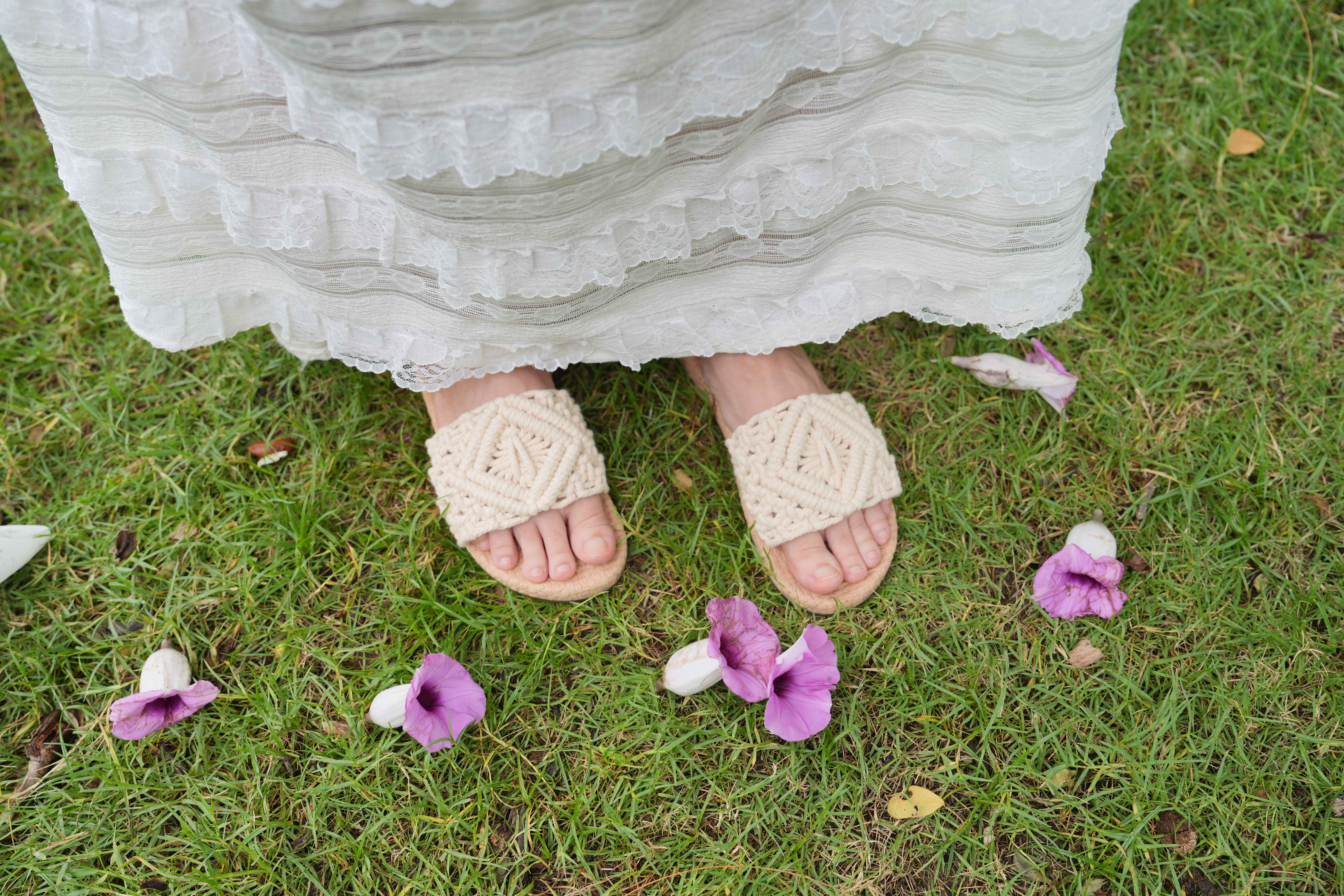
Macramé, crochet, weaving, embroidery and traditional techniques carry knowledge that artisans have developed across generations. Combining those skills with contemporary design creates an opportunity for Thailand sandals to compete through identity, creativity and cultural value rather than price alone.
This philosophy also shapes the idea of Artistic Handmade Sandals. Beautiful design remains important, but modern products should consider more than appearance. Material origin, production methods, durability and end-of-life possibilities all deserve attention.
Similarly, Art & Craft Sandals can connect craftsmanship with responsible production. Craft techniques give each product cultural and emotional value, while thoughtful material choices can help reduce unnecessary environmental impact.
When businesses work with local makers and communities, economic value can also travel beyond large factories and conventional mass-production systems.
Together, these ideas create a more meaningful approach to sustainable design.

Sustainable Thai Craft Sandals: Beyond the Eco Label
The word “sustainable” appears everywhere today. However, adding an eco-friendly label does not automatically reduce a product’s environmental impact.
Meaningful sustainability requires better questions.
Where do the materials come from? How much waste does production create? Can the product last longer? Can local craftsmanship generate fair economic opportunities? Can better design reduce dependence on unnecessary resources?
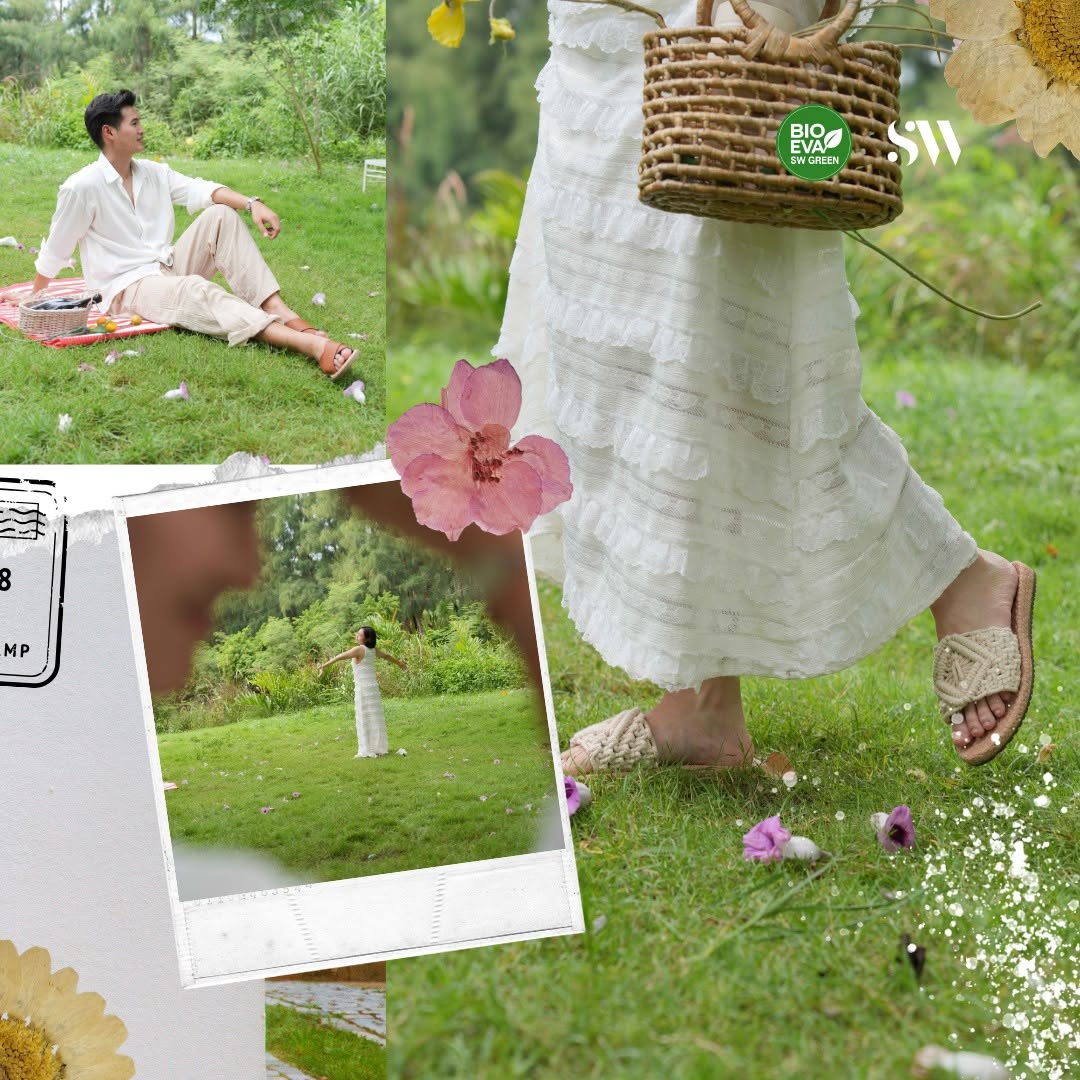
For sandals world, the idea of Sustainable Thai Craft Sandals connects four core elements: design, materials, craftsmanship and community.
The goal is not to claim that any manufactured product has zero impact. Almost everything we make requires materials, energy and transportation. Instead, responsible development focuses on understanding those impacts and improving each stage over time.
This approach creates a stronger foundation for sustainability than simply waiting until a product becomes waste and hoping recycling will solve the problem.

Waste Begins Before the Trash Bin
When plastic floats down a river, we often see the moment it becomes an environmental problem. Yet the real story started much earlier.
Material selection shaped the product first. Design determined how much material it required. Manufacturing influenced its durability, while product development decisions affected whether people could repair, reuse or recycle it later.
By the time an item reaches a trash bin, many of its most important environmental decisions have already happened.
That is why the 9% recycling figure deserves attention. It does not mean we should stop recycling. Instead, it shows why recycling alone is not enough.
The world needs stronger collection systems, better recycling infrastructure and more responsible consumer behavior. At the same time, businesses need to rethink how they design and manufacture products from the beginning.
For Sandals World, sustainability does not begin when a pair of sandals reaches the end of its useful life. It begins before production starts, when designers choose materials, techniques and the purpose behind each product.
Perhaps the best way to address the waste crisis is not simply to ask how we can throw things away more responsibly.
A more powerful question comes first:
How can we create things better from the beginning?
That question represents another step toward Sustainable Thai Craft Sandals, where thoughtful design, handmade craftsmanship, local communities and sustainability can move forward together.
𝙎𝙖𝙣𝙙𝙖𝙡𝙨 𝙒𝙤𝙧𝙡𝙙 𝙞𝙨 𝙏𝙝𝙖𝙞𝙡𝙖𝙣𝙙’𝙨 𝙡𝙖𝙧𝙜𝙚𝙨𝙩 𝙝𝙪𝙗 𝙤𝙛 𝙖𝙧𝙩𝙞𝙨𝙩𝙞𝙘 𝙝𝙖𝙣𝙙𝙢𝙖𝙙𝙚 𝙨𝙖𝙣𝙙𝙖𝙡𝙨


ABOUT THE CONTENT CREATOR
BUNTHARIK INSIRI
(Content Writer)
Sandals World | Art & Craft Sandals | Sustainable Thai Craft Sandals Tags: handmade sandals, sandals world, foot health,
Thailand sandals, artistic handmade sandals, art & craft sandals, plantar fasciitis, bunion, sustainable sandals and BIO EVA ,SW GREEN
Only 9% Gets Recycled: Are We Solving the Plastic Crisis the Wrong Way?
Post Views: 1 Every time we drop a plastic bottle into a recycling bin, we [...]
Bangkok Flood 2026: Why Bangkok Flooded So Severely | Sandals World
Post Views: 10 At the end of September 2026, one question was on the minds [...]
Sep
El Niño 2026 and Sustainable Thai Craft Sandals: Why Every Step Matters
Post Views: 16 The climate is changing in ways that are becoming harder to ignore. [...]
Sep
Circular Fashion: Why Your Sandals Deserve a Second Life
Post Views: 13 What happens to your favorite pair of sandals when you stop wearing [...]
Sep

Chic Handmade: From Fingertips to Every Step The Story Behind Artistic Handmade Sandals from Thailand
Post Views: 13 In a world where factories can produce thousands of shoes every day, [...]
Sep

From Thai Craft to BIO EVA: How Sandals World Is Rethinking the Future of Sandals
Post Views: 11 When people think about sandals, they often think about comfort, summer, travel, [...]
Sep
Bangkok Just Became Asia’s #2 Most Repeat-Visited City in 2026 Here’s Why It’s Time to Walk the City in Handmade Sandals from Thailand
Post Views: 15 Give Bangkok another round of applause! Agoda, the world’s leading digital travel [...]
Sep

Chiang Mai, a World-Class City and the Art & Craft Sandals Behind Its Charm
Post Views: 15 Chiang Mai is no longer just a beloved destination for Thai travelers [...]
Sep
SANDALS WORLD GUIDE
Artistic Handmade Sandals
BY
SANDALS WORLD THAILAND
The Largest Hub
of Artistic Handmade Sandals in Thailand.