

Knowledge & Insights
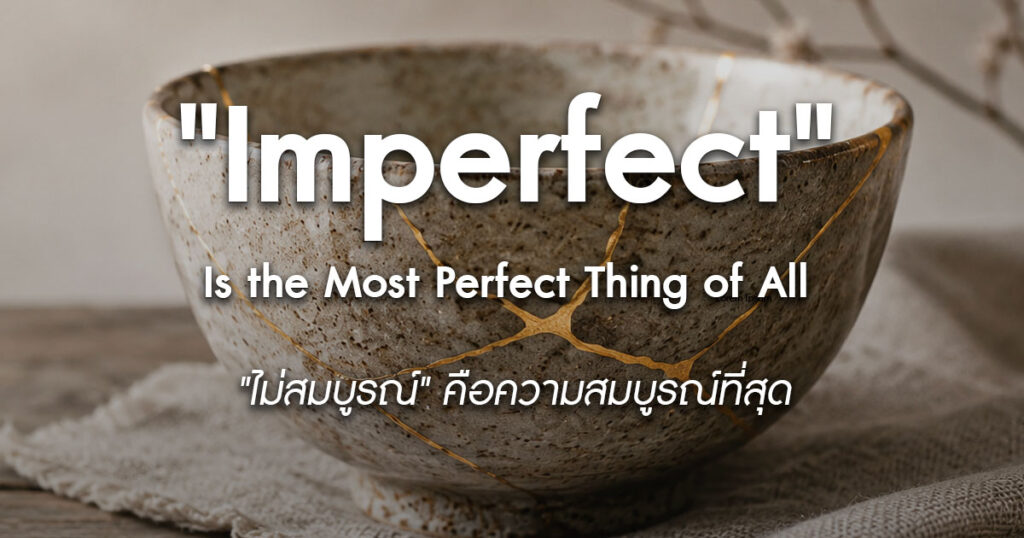
“Imperfect” Is the Most Perfect Thing of All
Jul
“Imperfect” Is the Most Perfect Thing of All: How Wabi-Sabi and Sandals World’s Handmade Art Teach Us to See the Beauty in Every Mark a Human Hand Leaves Behind
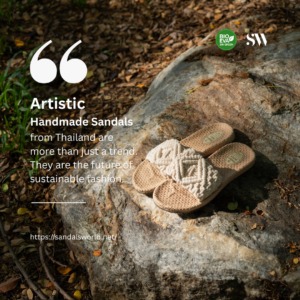
There Is a Mark on a Handmade Sandal That You Might Think Is a Flaw
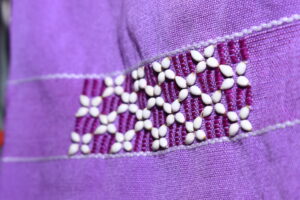
A pattern that is slightly asymmetrical. A stitch that drifts a fraction from a straight line. A colour that runs a shade deeper or lighter than the catalogue image.
You might look at these things and think “this isn’t quite perfect.”
But if you look again, you might see something entirely different evidence that human hands touched this.
And that is the deepest beauty of all.
What Is Wabi-Sabi? A Philosophy the World Is Rediscovering
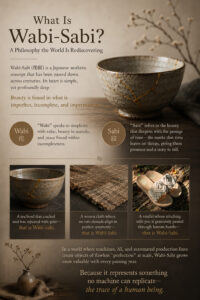
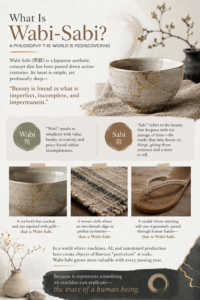
Wabi-Sabi (侘寂) is a Japanese aesthetic concept that has been passed down across centuries. Its heart is simple, yet profoundly deep
Beauty is found in what is imperfect, incomplete, and impermanent.
“Wabi” speaks to simplicity with value, beauty in scarcity, and peace found within incompleteness. “Sabi” refers to the beauty that deepens with the passage of time the marks that time leaves on things, giving them presence and a story to tell.
A tea bowl that cracked and was repaired with gold that is Wabi-Sabi. A woven cloth where no two threads align in perfect symmetry that is Wabi-Sabi. A sandal whose stitching tells you it genuinely passed through human hands that is Wabi-Sabi.
In a world where machines, AI, and automated production lines create objects of flawless “perfection” at scale, Wabi-Sabi grows more valuable with every passing year. Because it represents something no machine can replicate the trace of a human being.
Why Does Imperfection Hold More Value Than Perfection?
Think of the objects in your home that you love most. Most of them are rarely the ones that emerged from a factory in flawless condition. They are the ones that carry marks of time, of hands, and of a story.
Psychologists call this the “Labour Theory of Value” the more we recognise the effort and time embedded in something, the more we value it. Research from Harvard Business School found that people assign 17% more value to goods they know passed through human hands, compared to factory-made equivalents, even when the final results look identical on the surface.
Furthermore, the slight imperfections in handmade work send an important signal that this is real, that it comes from a real person, and that no other piece in the world is exactly the same.
That is something factory “perfection” can never provide.
Kintsugi: When a Crack Becomes Gold
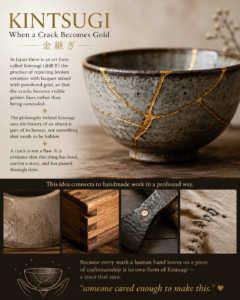
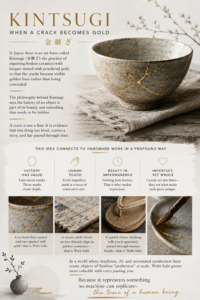
In Japan there is an art form called Kintsugi (金継ぎ) the practice of repairing broken ceramics with lacquer mixed with powdered gold, so that the cracks become visible golden lines rather than being concealed.
The philosophy behind Kintsugi says the history of an object is part of its beauty, not something that needs to be hidden.
A crack is not a flaw. It is evidence that this thing has lived, carries a story, and has passed through time.
This idea connects to handmade work in a profound way. Because every mark a human hand leaves on a piece of craftsmanship is its own form of Kintsugi — a trace that says: “someone cared enough to make this.”
Sandals World and Wabi-Sabi: When Imperfection Is the Point
Sandals World does not try to build Artistic Handmade Sandals that are “perfect” in the way a machine understands perfection.
Instead, the brand builds sandals that are “complete” in the way Wabi-Sabi understands completeness complete in the sense that they tell a full and honest story, with nothing false in any layer, and every detail coming from the hands and heart of a real human being.
The small differences between one pair and another are not defects. They are the fingerprints of the artisan proof that no two pairs are identical, just as no two human beings are ever identical.

Community Is the Soul: When Wabi-Sabi Grows From the Roots of a Community
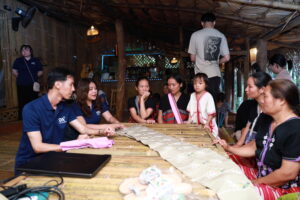
What makes the Art & Craft Sandals of Sandals World carry a Wabi-Sabi that runs deeper than simply “made by hand” is the fact that the design originates from real communities.
Every pattern on Thailand sandals from Sandals World was not produced by a design team in an office with expensive software. Rather, it emerged from communities that carry wisdom accumulated over hundreds of years.
Craft From the Community The art of rope-tying and cord weaving, passed down from generation to generation. Every knot tied by hand has a rhythm and a form that never repeats in perfect symmetry and that is the beauty, not a mistake. The patterns on Sandals World sandals are not merely decoration. They are the living transfer of skill from one pair of hands to the next.
Patterns From Northern Thai Communities The highland communities of northern Thailand carry a design language entirely their own. Patterns that appear simple but carry full meaning. Forms that are not perfectly symmetrical, yet hold more power than any shape a computer could generate.
When these designs live on a pair of handmade sandals, they do not simply look beautiful they speak. They speak of origin, of people, and of a culture that is still alive.
The Marks of Time: Why Handmade Sandals Grow More Beautiful With Wear
Wabi-Sabi teaches that beauty does not live only in the moment when something is new. It deepens as time passes.
Sustainable Thai Craft Sandals from Sandals World, made from natural materials genuine leather, hand-woven textiles, natural rubber gradually conform to the shape of the wearer’s foot over time.
Sandals worn for several years begin to hold the shape of a specific person’s foot. They say: “this is how this person walks.” That is an object with a relationship to its owner not simply something bought, used, and discarded.
In this way, handmade sandals from Sandals World do not simply wear down over time. They accumulate layers of story like Kintsugi, where every mark is gold, not blemish.

Why Is the World Turning Back to Handmade in the Age of AI?
This is a genuinely fascinating phenomenon. In an era when AI can generate a flawless “perfect” image in one second, people are placing more value on handmade work than ever before.
Because handmade work communicates something AI cannot that one human being sat down, thought, worked, made mistakes, corrected them, and tried again to bring this thing into existence.
The imperfection in handmade work is evidence of humanity a truth that AI can never create, because AI has no human errors. No hesitation. No hands that cut a piece, then return to look at it again.
That is why every pair of Artistic Handmade Sandals from Sandals World holds value that AI cannot manufacture because every pair contains a human being within it.
Wear the Sandals and Wear the Philosophy
Wabi-Sabi is not simply a Japanese aesthetic concept. It is a deeper truth that beauty does not live in perfection, but in the honesty of what stands before us.
Sandals World builds Art & Craft Sandals on that belief. Every pair emerging from community hands whether the macramé pattern born from fingers and cord, or the design from northern Thai communities with roots running deep into culture carries an imperfection that is part of what it is.
And that is precisely what makes it most complete.
Because when you wear handmade sandals from Sandals World, you are not simply wearing footwear. You are wearing a philosophy that says imperfection is the most beautiful part of everything a human being makes.
Step forward. And be proud of every mark that human hands left behind.

“ไม่สมบูรณ์” คือความสมบูรณ์ที่สุด: เมื่อ Wabi-Sabi และงาน Handmade ของ Sandals World สอนให้เราเห็นความงามในทุกรอยที่มือมนุษย์ทิ้งไว้
มีรอยหนึ่งบนรองเท้าแตะที่คุณอาจคิดว่าเป็นข้อบกพร่อง
ลวดลายที่ไม่สมมาตรสักเล็กน้อย รอยเย็บที่เอียงไปจากเส้นตรงสักนิด สีที่เข้มกว่าหรืออ่อนกว่าตัวอย่างในแคตตาล็อกไปเล็กน้อย
คุณอาจมองสิ่งเหล่านี้แล้วคิดว่า “ตรงนี้ไม่ค่อยสมบูรณ์เท่าไหร่”
แต่ถ้าคุณมองใหม่อีกครั้ง คุณอาจเห็นสิ่งที่ต่างออกไป หลักฐานว่ามือมนุษย์แตะสิ่งนี้มา
และนั่นคือความงามที่ลึกที่สุด
Wabi-Sabi คืออะไร? ปรัชญาที่โลกกำลังกลับมาเรียนรู้ใหม่
Wabi-Sabi (侘寂) คือแนวคิดสุนทรียศาสตร์ญี่ปุ่นที่สืบทอดมาหลายศตวรรษ หัวใจของมันง่ายมาก แต่ลึกมาก
ความงามคือสิ่งที่ไม่สมบูรณ์ ไม่สมบูรณ์แบบ และไม่ถาวร
“Wabi” หมายถึงความเรียบง่ายที่มีคุณค่า ความงามในความขาดแคลน และความสงบในความไม่สมบูรณ์ “Sabi” หมายถึงความงามที่เพิ่มขึ้นตามกาลเวลา รอยของเวลาที่ทำให้สิ่งของมีตัวตนและมีเรื่องราว
ภาชนะชาที่แตกร้าวแล้วซ่อมด้วยทองคำ — นั่นคือ Wabi-Sabi ผ้าทอที่ลายไม่ตรงกันสมบูรณ์ทุกเส้น — นั่นคือ Wabi-Sabi รองเท้าแตะที่รอยเย็บบอกว่าผ่านมือมนุษย์จริง ๆ — นั่นคือ Wabi-Sabi
ในโลกที่เครื่องจักร AI และสายพานอัตโนมัติผลิตสิ่งของที่ “สมบูรณ์แบบ” ออกมาได้ทุกชิ้น Wabi-Sabi กลายเป็นสิ่งที่ทรงคุณค่ามากขึ้นทุกวัน เพราะมันคือสิ่งที่เครื่องจักรไม่มีวันสร้างได้ — ร่องรอยของมนุษย์
ทำไมความไม่สมบูรณ์ถึงมีคุณค่ามากกว่าความสมบูรณ์แบบ?
ลองนึกถึงของที่คุณรักที่สุดในบ้าน ส่วนใหญ่มักไม่ใช่สิ่งที่ออกมาจากโรงงานอย่างสมบูรณ์แบบ แต่คือสิ่งที่มีรอยของเวลา รอยของมือ และรอยของเรื่องราว
นักจิตวิทยาเรียกปรากฏการณ์นี้ว่า “Labor Theory of Value” ยิ่งเราเห็นว่ามีความพยายามและเวลาอยู่เบื้องหลังสิ่งใด เราก็ยิ่งให้คุณค่ากับมันมากขึ้น งานวิจัยจาก Harvard Business School พบว่า ผู้คนให้คุณค่าสินค้าที่พวกเขารู้ว่าผ่านมือมนุษย์มากกว่าสินค้าจากโรงงานถึง 17% แม้ผลลัพธ์สุดท้ายจะดูเหมือนกันภายนอก
และยิ่งไปกว่านั้น งาน handmade ที่มีความไม่สมบูรณ์อยู่บ้างยังส่งสัญญาณสำคัญ — ว่ามันเป็นของจริง มาจากคนจริง และไม่มีชิ้นที่สองในโลกที่เหมือนกันทุกอณู
นั่นคือสิ่งที่ความ “สมบูรณ์แบบ” จากโรงงานไม่มีวันให้ได้
Kintsugi: เมื่อรอยแตกกลายเป็นทองคำ
ในญี่ปุ่นมีศิลปะที่ชื่อว่า Kintsugi (金継ぎ) การซ่อมแซมภาชนะที่แตกด้วยยางไม้ผสมผงทองคำ ทำให้รอยแตกกลายเป็นสายทองที่มองเห็นได้ชัดเจน แทนที่จะซ่อนไว้
ปรัชญาเบื้องหลัง Kintsugi บอกว่า ประวัติศาสตร์ของสิ่งของคือส่วนหนึ่งของความงามของมัน ไม่ใช่สิ่งที่ต้องซ่อน
รอยแตกไม่ใช่ข้อบกพร่อง มันคือหลักฐานว่าสิ่งนี้มีชีวิต มีเรื่องราว และผ่านเวลามา
แนวคิดนี้เชื่อมโยงกับงาน handmade ในทางที่ลึกมาก เพราะทุกรอยที่มือมนุษย์ทิ้งไว้บนงานฝีมือคือ Kintsugi ในรูปแบบของตัวมันเอง — ร่องรอยที่บอกว่า “มีคนใส่ใจสร้างสิ่งนี้ขึ้นมา”
Sandals World กับ Wabi-Sabi: เมื่อความไม่สมบูรณ์คือจุดขาย
Sandals World ไม่ได้พยายามสร้าง Artistic Handmade Sandals ที่ “สมบูรณ์แบบ” ในแบบที่เครื่องจักรเข้าใจ
แต่สร้างรองเท้าแตะที่ “สมบูรณ์” ในแบบที่ Wabi-Sabi เข้าใจ สมบูรณ์ในความหมายที่ว่ามันเล่าเรื่องราวได้ครบถ้วน ไม่มีส่วนไหนที่โกหก และทุกรายละเอียดมาจากมือและใจของมนุษย์จริง ๆ
ความแตกต่างเล็กน้อยระหว่างคู่หนึ่งกับอีกคู่หนึ่งไม่ใช่ข้อบกพร่อง มันคือลายนิ้วมือของช่างฝีมือ หลักฐานที่พิสูจน์ว่าไม่มีสองคู่ที่เหมือนกัน เหมือนกับที่ไม่มีสองมนุษย์ที่เหมือนกัน
ชุมชนคือจิตวิญญาณ: เมื่อ Wabi-Sabi เกิดจากรากของชุมชน
สิ่งที่ทำให้ Art & Craft Sandals ของ Sandals World มีความ Wabi-Sabi ที่ลึกซึ้งกว่าการแค่ “ทำด้วยมือ” คือการที่ดีไซน์มาจากชุมชนจริง ๆ
ทุกลวดลายบน Thailand sandals ของ Sandals World ไม่ได้ถูกออกแบบโดยทีมดีไซน์ในออฟฟิศที่มีซอฟต์แวร์ราคาแพง แต่เกิดขึ้นจากชุมชนที่มีภูมิปัญญาสะสมมาหลายร้อยปี
งาน Macramé จากชุมชน ศิลปะการผูกเชือกและการถักเงื่อนที่ถ่ายทอดจากรุ่นสู่รุ่น ทุกเงื่อนที่ผูกด้วยมือมีจังหวะและรูปทรงที่ไม่เคยซ้ำกันสมบูรณ์แบบ และนั่นคือความงาม ไม่ใช่ข้อผิดพลาด ลวดลาย macramé บนรองเท้าแตะของ Sandals World จึงไม่ใช่แค่การตกแต่ง แต่คือการส่งต่อทักษะที่มีชีวิตจากมือหนึ่งสู่อีกมือหนึ่ง
ลวดลายจากชุมชนชาวเหนือ ชุมชนบนพื้นที่สูงในภาคเหนือของไทยมีภาษาดีไซน์ที่เป็นเอกลักษณ์ของตัวเอง ลวดลายที่ดูเหมือนเรียบง่ายแต่แบกความหมายไว้เต็ม ๆ รูปทรงที่ไม่สมมาตรสมบูรณ์แบบ แต่กลับทรงพลังกว่ารูปทรงที่คอมพิวเตอร์สร้างขึ้น
เมื่อดีไซน์เหล่านี้มาอยู่บน handmade sandals แต่ละคู่ มันไม่ได้แค่ “ดูสวย” มันพูด พูดถึงที่มา พูดถึงคน และพูดถึงวัฒนธรรมที่ยังมีชีวิตอยู่
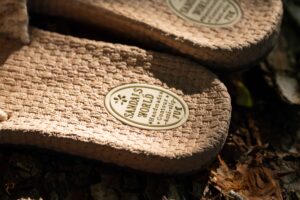
รอยของเวลา: ทำไมรองเท้าแตะแฮนด์เมดที่ใส่นานยิ่งสวยขึ้น
Wabi-Sabi บอกว่าความงามไม่ได้อยู่แค่ตอนที่สิ่งของยังใหม่ แต่เพิ่มขึ้นตามกาลเวลา
Sustainable Thai Craft Sandals ของ Sandals World ที่ผลิตจากวัสดุธรรมชาติ ทั้งหนังแท้ ผ้าทอมือ และยางพาราธรรมชาติ จะค่อย ๆ ปรับตัวตามรูปเท้าของผู้สวมใส่เมื่อเวลาผ่านไป
รองเท้าแตะที่ใส่มาหลายปีจะมีรูปทรงที่บอกว่า “เท้าของคนคนนี้เป็นแบบนี้” นั่นคือสิ่งของที่มีความสัมพันธ์กับเจ้าของมัน ไม่ใช่แค่สิ่งของที่ซื้อมาแล้วใช้แล้วทิ้ง
ในแง่นี้ รองเท้าแตะ handmade จาก Sandals World ไม่ได้สึกหรอเมื่อเวลาผ่านไป มันเพิ่มชั้นของเรื่องราว เหมือน Kintsugi ที่แต่ละรอยคือทองคำ ไม่ใช่รอยด่าง
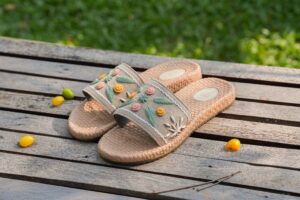
ทำไมโลกถึงกลับมาหา Handmade มากขึ้นในยุค AI?
นี่เป็นปรากฏการณ์ที่น่าสนใจมาก ในยุคที่ AI สามารถสร้างภาพสวยงาม “สมบูรณ์แบบ” ได้ในหนึ่งวินาที คนกลับยิ่งหันมาให้ความสำคัญกับงาน handmade มากขึ้น
เพราะงาน handmade บอกสิ่งที่ AI บอกไม่ได้ ว่ามีมนุษย์คนหนึ่งนั่งคิด ลงมือ ผิดพลาด แก้ไข และพยายามอีกครั้งเพื่อสร้างสิ่งนี้ขึ้นมา
ความไม่สมบูรณ์ในงาน handmade คือหลักฐานของมนุษยธรรม ความจริงที่ AI ไม่มีวันสร้างได้ เพราะ AI ไม่มีข้อผิดพลาดแบบมนุษย์ ไม่มีความลังเล ไม่มีมือที่ตัดไปแล้วต้องกลับมาดูอีกครั้ง
และนั่นคือเหตุผลที่ทุกคู่ของ Artistic Handmade Sandals จาก Sandals World มีคุณค่าที่ AI ผลิตไม่ได้ เพราะทุกคู่มีมนุษย์อยู่ข้างใน

สวมรองเท้าแตะ และสวมปรัชญา
Wabi-Sabi ไม่ใช่แค่แนวคิดสุนทรียศาสตร์ญี่ปุ่น มันคือความจริงที่ลึกกว่านั้น ว่าความงามไม่ได้อยู่ในความสมบูรณ์แบบ แต่อยู่ในความจริงของสิ่งที่อยู่ตรงหน้า
Sandals World สร้าง Art & Craft Sandals บนความเชื่อนี้ ทุกคู่ที่ออกมาจากมือชุมชน ไม่ว่าจะเป็นลวดลาย macramé ที่เกิดจากนิ้วมือและเชือก หรือดีไซน์จากชาวเหนือที่มีรากลึกในวัฒนธรรม ต่างมีความไม่สมบูรณ์ที่เป็นส่วนหนึ่งของตัวมัน
และนั่นคือสิ่งที่ทำให้มันสมบูรณ์ที่สุด
เพราะเมื่อคุณสวม handmade sandals จาก Sandals World คุณไม่ได้แค่สวมรองเท้า คุณกำลังสวมปรัชญาที่บอกว่า ความไม่สมบูรณ์คือส่วนที่สวยที่สุดของสิ่งที่มนุษย์สร้าง
ก้าวออกไป และภูมิใจในทุกรอยที่มือมนุษย์ทิ้งไว้

#Sandalsworld#รองเท้าartandcraft#รองเท้าแตะสานแฮนด์เมด #artandcraftsandals #artistichandmadesandals#handmade#artandcraft#sandals#รองเท้าแฮนด์เมด#รองเท้าแตะใส่แล้วไม่ลื่น#รองเท้ายางพารา#ใส่ไปไหนก็ได้ #BIOEVA #SWGREEN #BIOBASED #BIOEVATHAILAND
บทความโดย
Sandals World | Art & Craft Sandals | Sustainable Thai Craft Sandals Tags: handmade sandals, sandals world, foot health,
Thailand sandals, artistic handmade sandals, art & craft sandals, plantar fasciitis, bunion, sustainable sandals and BIO EVA ,SW GREEN

ABOUT THE CONTENT CREATOR
BUNTHARIK INSIRI
(Content Writer)
Brand Partner News Sustainability Knowledge & Insights Sandals World News Community Brand Stories Travel & Destinations Events

Are Your Sandals Harming the Planet Before You Even Wear Them? The BIO EVA Revolution
Post Views: 9 What if your favorite pair of sandals had already left an environmental [...]
Oct

The Ocean Is Heating Faster Than Ever: Why Low-Carbon Design Must Start Now
Post Views: 7 What if the ocean we know today no longer looks the same [...]
Oct

If Local Art Disappears, What Will the World Remember? From Mae Hong Son to D NICE MARKET with Sandals World
Post Views: 15 Imagine a future where traditional patterns disappear from local communities. Craft techniques [...]
Oct

VPADA Handmade Sandals: Where Thai Craft Blooms Into Modern Style
Post Views: 10 “Walk with nature, step with grace.” What if a small woven flower, [...]
Oct

Plastic Waste and Sustainable Sandals: Better Materials, Better Truth, Better Steps
Post Views: 19 Plastic has transformed modern life. Its lightweight structure, versatility, and low cost [...]
Oct

What’s Really Under Your Feet? From Plastic and EVA Foam to BIO EVA SW GREEN
Post Views: 19 Plastic is everywhere. We drink from it, carry food in it, build [...]
Sep

Only 9% Gets Recycled: Are We Solving the Plastic Crisis the Wrong Way?
Post Views: 18 Every time we drop a plastic bottle into a recycling bin, we [...]
Sep

Bangkok Flood 2026: Why Bangkok Flooded So Severely | Sandals World
Post Views: 28 At the end of September 2026, one question was on the minds [...]
Sep
SANDALS WORLD GUIDE




The Largest HubArtistic Handmade Sandals
BY
SANDALS WORLD THAILAND
of Artistic Handmade Sandals in Thailand.