

Brand Stories
From Favorite Sandals to Circular Craft: A Sustainable Journey with Sandals World
Aug
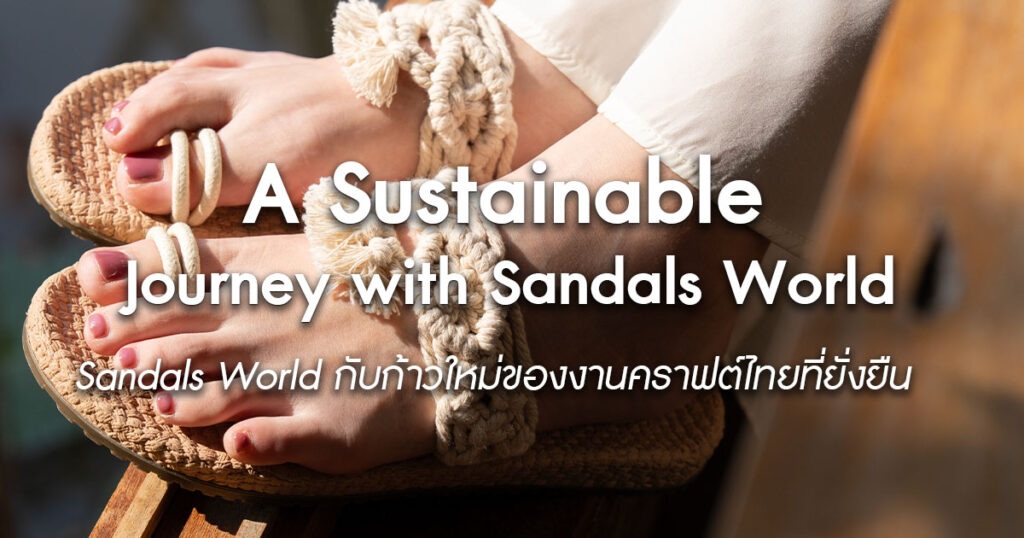
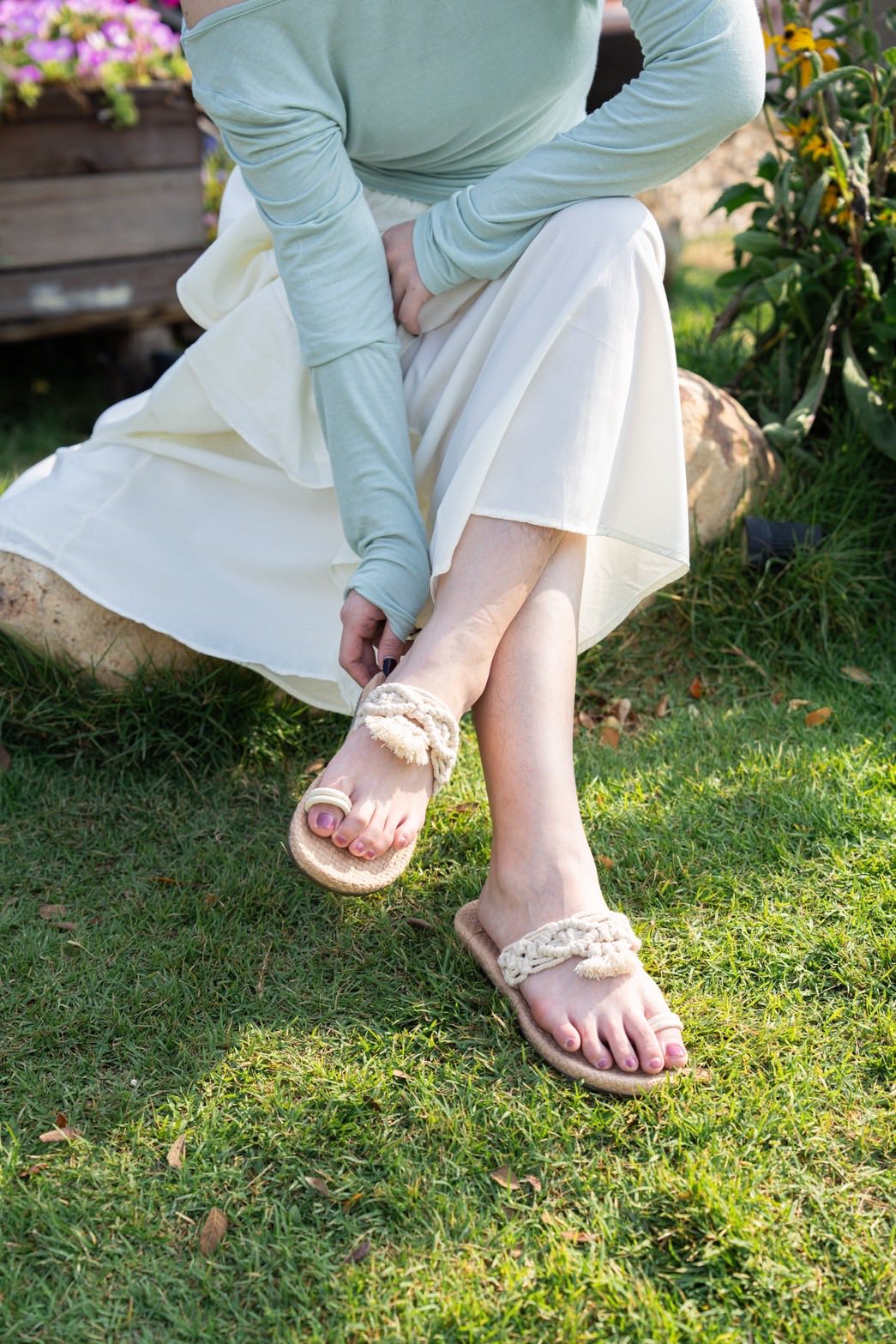
A pair of sandals offers more than comfort and style. Each pair carries materials, creative ideas, production time, and the skills of its maker. Handmade sandals hold even greater meaning because craftspeople shape every detail with care.
However, many consumers throw away their footwear when it breaks or falls out of fashion. This habit wastes materials, energy, craftsmanship, and design value. The circular economy offers a better way forward.
Through circular thinking, Sandals World can help footwear remain useful for longer. This approach can also support Thai craftspeople, reduce waste, and encourage responsible consumption.
Most conventional footwear businesses follow a linear model. They take raw materials, manufacture products, sell them, and leave customers to discard them after use. People often describe this system as “take, make, use, and throw away.”
Every stage adds value to a pair of sandals. Designers create the form, craftspeople shape the materials, and retailers connect the product with customers. Packaging, transportation, branding, and communication also contribute to its final value.
The handmade process adds another important layer. Craftspeople invest their time, experience, and attention in each pair. As a result, handmade footwear contains both practical and cultural value.
When a customer throws away a pair, the system loses more than rubber, leather, fabric, or foam. It also loses the energy, ideas, skills, and working hours behind the product.
This problem raises an important question: How can the footwear industry keep products and materials in use for longer?
How the Value Hill Explains Circular Business
The Value Hill helps businesses understand how products gain and lose value throughout their life cycles. It divides a product’s journey into three stages: pre-use, use, and post-use.
During the pre-use stage, manufacturers and craftspeople gradually add value. They select materials, create designs, cut components, assemble products, and prepare them for sale. A product reaches the top of the hill when it becomes ready for the customer.
The use stage begins when the customer starts wearing the product. Proper care can keep the product near the top of the Value Hill for a longer period.
The post-use stage creates the main difference between linear and circular businesses. A linear business allows value to fall quickly when customers discard products. In contrast, a circular business uses maintenance, repair, reuse, refurbishment, and recycling to retain value.
For the Thailand sandals industry, this model creates new opportunities. Thai footwear brands can compete through durability, repair services, craftsmanship, responsible materials, and meaningful product stories.
Sustainability Means More Than Recycling
Many people connect sustainability with recycling. However, recycling represents only one part of a circular system. Businesses should first look for ways to keep the original product in use.
For example, a damaged strap does not need to end the life of an entire pair. A craftsperson may replace the strap and return the sandals to the customer. This simple repair keeps the design, shape, materials, and original craftsmanship intact.
Recycling usually recovers only part of the raw material. The process may lose much of the value that designers and makers added during production. Repair often protects more value while using fewer new resources.
A circular value-retention plan can follow this order:
- Encourage regular cleaning and proper storageMaintain the –
- product before serious damage occursRepair or replace damaged
- partsResell, donate, or redistribute wearable productsRefurbish
- pairs that need more extensive work
- Recover useful components for new productsRecycle materials that no longer serve their original purpose
Therefore, sustainable footwear does not require recycled materials in every component. A durable, repairable, and well-loved pair can also support sustainability. In many cases, the most sustainable pair already sits in the customer’s wardrobe.

Handmade Sandals Carry Human and Cultural Value
The appeal of handmade sandals comes from the connection between the material, the maker, and the wearer. Craftspeople make thoughtful choices at every stage, from selecting colors and textures to shaping and assembling each component.
Small variations give handmade products their unique character. Standard mass production often removes these differences, but craft production celebrates them.
Artistic Handmade Sandals also give designers and craftspeople a space to express ideas. They can explore color, pattern, texture, form, and local inspiration. Customers receive a functional product along with artistic and emotional value.
Meanwhile, Art & Craft Sandals can introduce Thai creativity to a wider audience. Their stories may highlight local knowledge, contemporary design, skilled makers, or thoughtful material use.
These stories can change customer behavior. When people understand who created a product and how the maker produced it, they often develop a stronger connection with that product. They may clean it carefully, repair it when damage occurs, and keep it for longer.
As a result, storytelling can support circularity. It helps customers view footwear as meaningful craft rather than short-lived fashion.

Sandals World Can Connect a Circular Craft Network
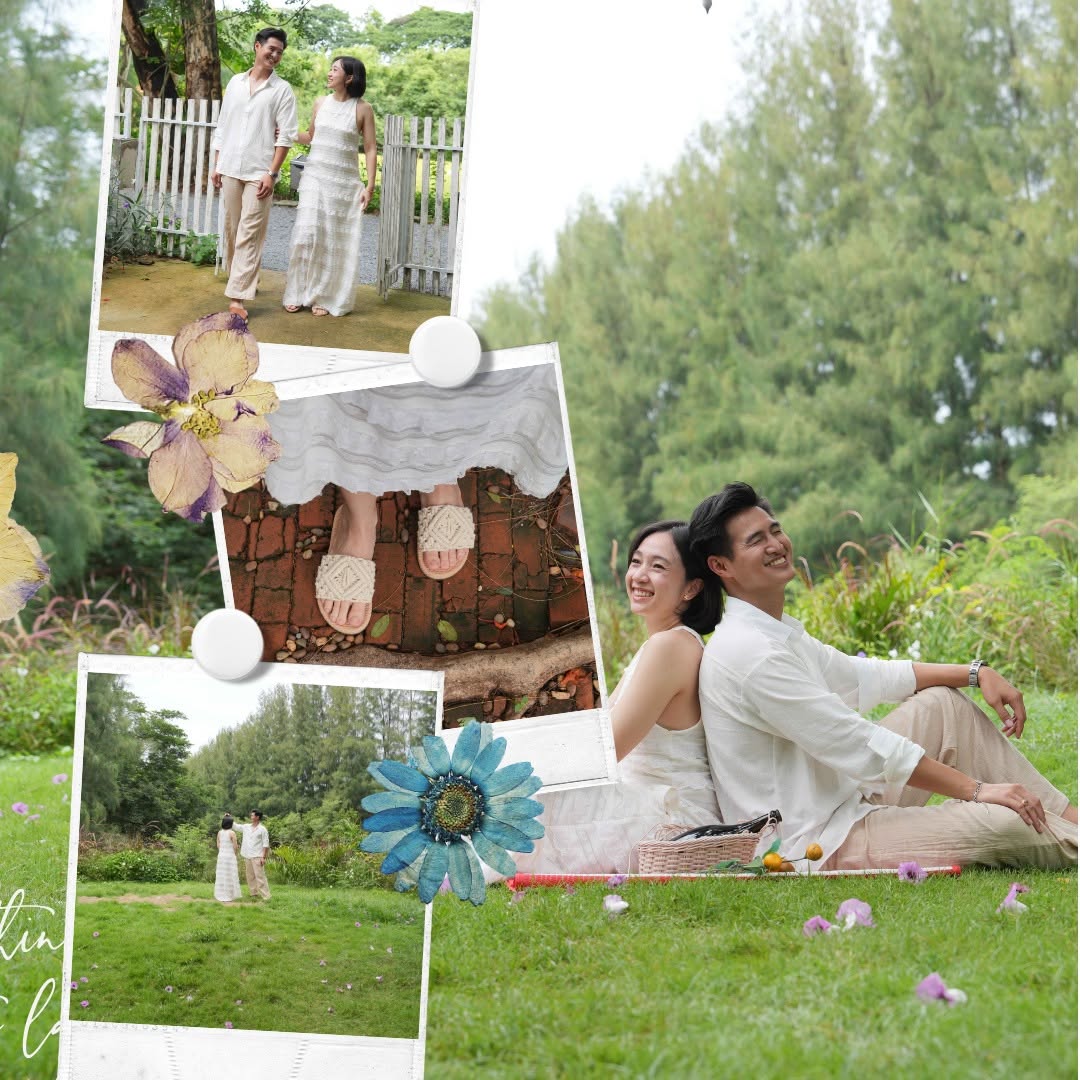
Sandals World has the potential to offer more than a platform for selling Thai footwear. It can connect designers, craftspeople, customers, repair specialists, suppliers, and recycling partners.
A circular program does not need to start with a complex system. Clear care instructions can create the first step. Better product information can follow. Brands can then explore repair services, return programs, or responsible material recovery.
Sandals World could develop circular initiatives such as:
- Publish care guides for different footwear materials
- Share simple cleaning and storage tips with customers
- Build a network of footwear repair specialistsOffer strap, sole, or component replacement
- Create collection points for unwanted sandalsInspect returned pairs for repair, reuse, or recycling
- Refurbish suitable footwear for resale or donationTurn production scraps into accessories or craft items
- Connect partner brands with responsible recyclers
- Organize workshops about repair and circular design
These actions could extend the relationship between brands and customers. Instead of ending after a purchase, that relationship could continue through care, repair, return, and recovery.
A shared network would also help small brands manage resources more efficiently. One maker could use another maker’s leftover materials. Repair specialists could share practical knowledge with designers. Convenient collection points could help customers return products instead of throwing them away.
Sustainable Thai Craft Sandals Offer a New Direction
Sustainable Thai Craft Sandals can represent a new direction for Thai footwear. The idea combines creative design, skilled craftsmanship, and environmental responsibility.
However, brands need more than a green message. Customers want clear information that helps them make responsible choices. Honest communication can also build trust and strengthen brand value.
A footwear brand can start by answering practical questions:
- Which materials does the product contain?Where does the brand make its sandals?
- Who takes part in the production process?How should customers clean and store the product?
- Can a craftsperson repair or replace damaged parts?
- What should customers do at the end of the product’s life?
Clear answers give sustainability real meaning. They also help customers look beyond natural colors, recycled-looking packaging, or broad environmental claims.
Every manufactured product uses resources. Materials, labor, energy, and transportation all create environmental impacts. Therefore, brands should avoid claiming that a product causes no harm at all.
Instead, they can set realistic goals. They can reduce waste, use resources carefully, improve product quality, and extend product life. Brands can also report their progress honestly and continue improving their processes.
This practical approach makes Sustainable Thai Craft Sandals more credible. It turns sustainability from a marketing term into a long-term business commitment.

How Customers Can Extend the Life of Their Sandals
Manufacturers cannot create a circular economy alone. Customers also play an important role in keeping products and materials valuable.
Before buying new sandals, shoppers can consider their actual needs. A versatile pair that suits several occasions may reduce the need for frequent purchases. Customers can also check the quality, materials, care instructions, and repair options before making a decision.
Proper care can significantly extend product life. Owners should clean each material with a suitable method, keep footwear in a dry place, and avoid using it in conditions that may cause unnecessary damage.
When a problem appears, customers can inspect the soles, straps, fasteners, and decorative parts. A simple repair may restore the product and prevent waste.
Customers can also resell, donate, or pass on pairs that remain in good condition. These actions give footwear a second life and reduce demand for new raw materials.
Every responsible choice sends a message to the market. It tells brands that customers value durability, repairability, craftsmanship, and environmental responsibility.
Circular Design Can Support Thai Craftspeople
Circular business can create benefits beyond waste reduction. It can also generate new opportunities for local craftspeople.
Repair services need skilled hands. Refurbishment requires material knowledge and attention to detail. Upcycling gives designers new ways to turn leftover pieces into useful products.
These activities can create additional income while protecting traditional and contemporary craft skills. They also encourage younger makers to see new possibilities in local knowledge.
Sandals World could help introduce these skills to wider markets. Through stories, workshops, collaborations, and product-care services, the platform could connect customers with the people behind Thai footwear.
This connection adds value throughout the product’s life. It also shows that environmental responsibility and economic opportunity can grow together.
Keeping Thai Craftsmanship in Every Step
The shift from a linear model to a circular one will take time. Designers, makers, businesses, customers, repair specialists, and recycling partners must work together.
For Sandals World, circular thinking creates an opportunity to show that footwear can offer value beyond fashion. Thoughtful design, careful production, proper use, and after-sales support can extend product life and reduce waste.
Circular business does not focus only on turning waste into raw material. Its main goal involves preventing valuable products, components, skills, and resources from becoming waste too soon.
Maintenance keeps sandals in use. Repair restores their function. Resale and donation connect them with new owners. Refurbishment creates another opportunity for use, while responsible recycling recovers materials when no better option remains.
Through these actions, Thai craftsmanship can continue its journey from one step to the next. Sustainable Thai Craft Sandals can then help Thailand’s creative craft industry move forward with purpose, responsibility, and lasting value.
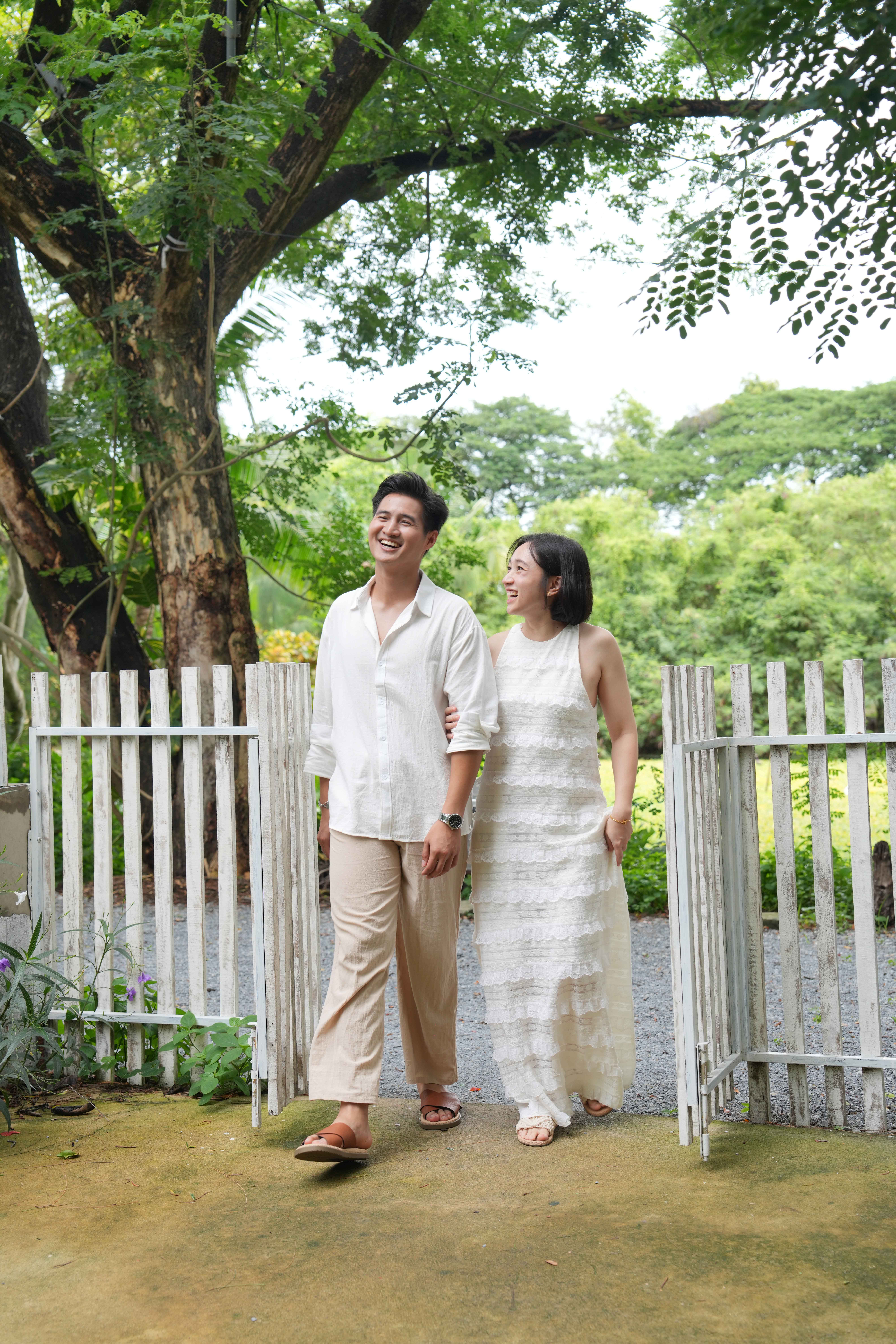
𝙎𝙖𝙣𝙙𝙖𝙡𝙨 𝙒𝙤𝙧𝙡𝙙 𝙞𝙨 𝙏𝙝𝙖𝙞𝙡𝙖𝙣𝙙’𝙨 𝙡𝙖𝙧𝙜𝙚𝙨𝙩 𝙝𝙪𝙗 𝙤𝙛 𝙖𝙧𝙩𝙞𝙨𝙩𝙞𝙘 𝙝𝙖𝙣𝙙𝙢𝙖𝙙𝙚 𝙨𝙖𝙣𝙙𝙖𝙡𝙨


ABOUT THE CONTENT CREATOR
BUNTHARIK INSIRI
(Content Writer)
Sandals World | Art & Craft Sandals | Sustainable Thai Craft Sandals Tags: handmade sandals, sandals world, foot health,
Thailand sandals, artistic handmade sandals, art & craft sandals, plantar fasciitis, bunion, sustainable sandals and BIO EVA ,SW GREEN

Bangkok Flood 2026: Why Bangkok Flooded So Severely | Sandals World
Post Views: 4 At the end of September 2026, one question was on the minds [...]
Sep

El Niño 2026 and Sustainable Thai Craft Sandals: Why Every Step Matters
Post Views: 15 The climate is changing in ways that are becoming harder to ignore. [...]
Sep
Circular Fashion: Why Your Sandals Deserve a Second Life
Post Views: 13 What happens to your favorite pair of sandals when you stop wearing [...]
Sep
Chic Handmade: From Fingertips to Every Step The Story Behind Artistic Handmade Sandals from Thailand
Post Views: 13 In a world where factories can produce thousands of shoes every day, [...]
Sep

From Thai Craft to BIO EVA: How Sandals World Is Rethinking the Future of Sandals
Post Views: 11 When people think about sandals, they often think about comfort, summer, travel, [...]
Sep
Bangkok Just Became Asia’s #2 Most Repeat-Visited City in 2026 Here’s Why It’s Time to Walk the City in Handmade Sandals from Thailand
Post Views: 15 Give Bangkok another round of applause! Agoda, the world’s leading digital travel [...]
Sep

Chiang Mai, a World-Class City and the Art & Craft Sandals Behind Its Charm
Post Views: 15 Chiang Mai is no longer just a beloved destination for Thai travelers [...]
Sep

From Oil Wells to Sugarcane Fields: How Sandals World Turns Handmade Sandals Into a Climate Solution
Post Views: 19 Every year, we burn fossil fuels for energy and manufacturing. As a [...]
Sep
SANDALS WORLD GUIDE



Artistic Handmade Sandals
BY
SANDALS WORLD THAILAND
The Largest Hub
of Artistic Handmade Sandals in Thailand.