

Brand Stories
How Does Sugarcane End Up in Sandal Soles? Meet BIO EVA SW GREEN by Sandals World

Nov
Imagine holding two sandal soles. Someone tells you that one was made partly from sugarcane. What would you look for first? Tiny fibers in the foam? A hint of green from the stalk? Would you hold it a little closer to see if it smells sweet?
You could turn both soles over and still struggle to tell them apart. The part of the plant that makes its way into the foam is carbon from the sugar in its stalk. Through fermentation and a series of chemical changes, that carbon becomes part of EVA, the material used to make a kind of lightweight foam you might recognize the moment you step into a pair of sandals.
That’s the idea behind BIO EVA SW GREEN. Sandals World uses sugarcane-derived material to replace some of the petroleum-based inputs in the EVA foam soles of its handmade sandals. To see how a footwear project ended up with an interest in sugar, let’s go back to the moment a fresh stalk passes through a sugarcane press.
From a Drop of Sugarcane Juice to a Sheet of Foam
Watch a vendor press fresh sugarcane and you’ll see two things come out. A flattened stalk emerges on one side, its pale fibers still visible. On the other, a stream of golden juice runs into a jug. If you had to guess which one could become part of a sandal, the stalk might seem the obvious choice. You can already imagine those fibers woven into a strap. For bio-based EVA, though, the story follows the juice.
First, producers ferment the sugar using yeast to make ethanol. Because the raw material comes from a plant, it’s called bioethanol. Next, producers use a chemical process to remove water from the ethanol molecules, creating ethylene. The names sound similar, but the second one marks an important moment in the journey. Ethylene is where sugarcane enters the world of footwear materials.
Manufacturers commonly produce ethylene from fossil resources. The sugarcane route produces the same molecule from a different source. Manufacturers then combine ethylene with vinyl acetate to create a polymer called ethylene-vinyl acetate, or EVA. From there, they formulate the material, turn it into foam, and shape it into a sandal sole.
Each step helps explain something you can feel in the finished pair. Sugarcane supplies part of the raw material. The foam formulation and sole design influence how soft it feels under your heel and how easily it bends beneath the ball of your foot. Bio-based EVA already comes in different grades, including those developed for foam and footwear applications.
Why Change the Sole First?
Think of a Saturday when you head out for one iced coffee. On the way, you spot a market, stop to try on sunglasses, then walk all the way back to the first stall for the shirt you’re still thinking about. By the time you check your phone, it’s almost noon.
Later, you might remember how well your sandal straps went with your favorite trousers. If the soles fit you comfortably, there’s a good chance you barely thought about them all morning.
Footwear makers give that easily overlooked part plenty of thought. A sole needs to flex where your forefoot bends. Its thickness has to suit the shape of the sandal, and its weight matters the moment you pick it up. Changing the material raises two questions. Where does it come from? And once you’ve turned it into a sole, will people still love walking in it?
With BIO EVA SW GREEN, Sandals World set out to replace some petroleum-based inputs while keeping the qualities people appreciate in EVA foam, including lightness, flexibility, and comfort. You can judge the fit for yourself. Next time you try on a pair, take a few steps past the mirror and turn around at your usual pace. Does the sole bend as you push off? Do the straps hold your foot comfortably, or do you curl your toes to keep the sandal in place? That short walk tells you more than pressing your thumb into the foam.
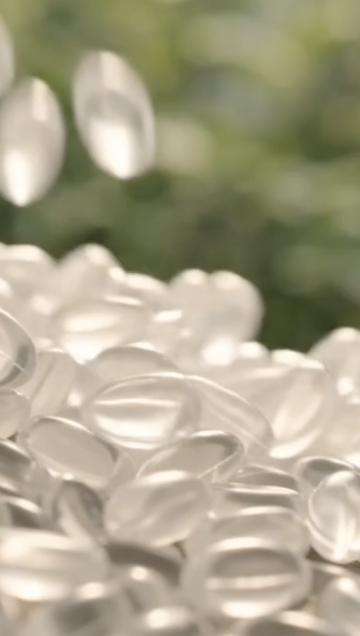
Turn the Sandal Over and You’ll Find the Other Half of the Story
Underfoot, there’s chemistry. On top, everything can start with a single cord. Look closely at a macramé strap by Milala Handmade and you can follow that cord from one knot to the next. The maker controls the spacing as the pattern opens out across the foot. Change the color of just one strand and your eye starts to follow a different path through the same design. It’s the kind of handmade detail that often disappears in a full-length outfit photo.
At VPADA Bangkok, a crocheted flower might catch your eye from across the shop. Pick it up and look from the side. One petal lifts toward the light while another overlaps its neighbor, casting a tiny shadow. If you love Artistic Handmade Sandals, the flower itself might be what draws you in. If your interest in Art & Craft Sandals runs to how things are made, you’ll probably turn the strap over to see how the maker attached each petal.
These details explain where a new sole fits into the wider Sandals World story. Each brand already has a recognizable style shaped by its makers, techniques, and choice of colors. For designs that use BIO EVA SW GREEN, the foam adds another detail worth discovering. A traveler searching for “Thailand sandals” might choose a pair for the knotwork and go home with a story about sugarcane, too.


What Does “Made With Sugarcane” Actually Tell You?
The most important word is partly. Follow a sandal from the cord across your foot to the foam beneath your heel, then down to the outsole that meets the pavement. Each part serves a different purpose and can come from a different source. In BIO EVA SW GREEN, sugarcane supplies part of the raw material for the EVA foam layer. That’s where the campaign’s phrase Less Petroleum applies.
This distinction comes in handy when you see a percentage on a product label. The first question to ask is “A percentage of what?” A manufacturer might report the share of bio-based carbon in a particular grade of EVA resin. That figure measures something different from the proportion of plant-derived material in a finished sandal by weight. Even within one manufacturer’s EVA range, bio-based carbon content can vary by grade. Knowing which component a number describes is just as important as knowing the number itself.
What about the other end of the sandal’s life? Will the foam break down like a discarded sugarcane stalk? Bio-based tells you where some of the carbon came from. Biodegradability is a separate property that requires evidence about the finished material and the conditions under which it breaks down. A sugarcane symbol on a label alone gives you no basis for putting a worn-out sole in the soil or your home compost bin.
A Pair You’ll Reach for Again
Conversations about sustainability often begin with big questions about resources, manufacturing, and what happens to a product after use. In a sandal shop, a smaller question can get you a surprisingly good answer. Try asking, “Can you show me which layer uses sugarcane?” Or, if a hand-knotted strap catches your eye, “If this loosens over time, can it be adjusted?” Both questions give the maker a chance to show you something about the pair in your hands.
If you’re looking for Sustainable Thai Craft Sandals, there’s one more question worth asking yourself. How often will you reach for this pair? A color that works with the clothes you already own, a strap that sits comfortably, and a sole you enjoy walking in all help a sandal earn its place by the door. And if you’ve met the person who tied the straps, you may remember exactly where that pattern began.
Now imagine those two soles in your hands again. You still might not spot the sugarcane by sight. But if a friend points to your favorite sandals and asks, “Where’s the sugarcane in those?” you’ll know exactly which layer to show them. And you’ll have a story to tell that starts with a single drop of juice.
𝙎𝙖𝙣𝙙𝙖𝙡𝙨 𝙒𝙤𝙧𝙡𝙙 𝙞𝙨 𝙏𝙝𝙖𝙞𝙡𝙖𝙣𝙙’𝙨 𝙡𝙖𝙧𝙜𝙚𝙨𝙩 𝙝𝙪𝙗 𝙤𝙛 𝙖𝙧𝙩𝙞𝙨𝙩𝙞𝙘 𝙝𝙖𝙣𝙙𝙢𝙖𝙙𝙚 𝙨𝙖𝙣𝙙𝙖𝙡𝙨


ABOUT THE CONTENT CREATOR
BUNTHARIK INSIRI
(Content Writer)
Sandals World | Art & Craft Sandals | Sustainable Thai Craft Sandals Tags: handmade sandals, sandals world, foot health,
Thailand sandals, artistic handmade sandals, art & craft sandals, plantar fasciitis, bunion, sustainable sandals and BIO EVA ,SW GREEN

How Does Sugarcane End Up in Sandal Soles? Meet BIO EVA SW GREEN by Sandals World
Views: 1 Imagine holding two sandal soles. Someone tells you that one was made partly [...]
Nov

6,000 Tons of Industrial Waste in Thailand: Real Recycling or Just Dumping the Problem on Someone Else?
Views: 27 6,000 Tons of Industrial Waste in Thailand: Real Recycling or Just Dumping the [...]
Nov

From Sugarcane Fields to Sandals: Why Is Sugarcane Becoming a Key Material for Bio-Based EVA?
Views: 16 From Sugarcane Fields to Sandals: Why Is Sugarcane Becoming a Key Material for [...]
Nov

Thai Dress Adventure 2026: Explore Bangkok, Discover Thai Culture & Style Your Day with VPADA BANGKOK
Views: 19 VPADA BANGKOK Dress Thai, Walk VPADA! — Thai Charm in Every Step. Café [...]
Nov

Where Does Our Waste Really Go? And How Long Can We Keep Living This Way?
Views: 30 As environmental challenges become impossible to ignore, Sandals World is taking a small [...]
Nov
From Oil to Sugarcane: How Plastic Materials Are Changing the Future of Handmade Sandals
Views: 31 Fossil-Based Plastic vs. Bio-Based EVA: A New Material Choice for Handmade Sandals Have [...]
Nov

Milala Handmade at POPUPASIA 2026: Every Knot Tells a Story, Every Connection Matters
Views: 50 More Than Sandals. A Story of Craftsmanship, Love, and the People Who Make [...]
Nov

Thailand Tourism 2026: Fewer Tourists, But Is Thailand Entering a New Era of Travel?
Views: 34 Fewer international visitors, changing spending patterns, and a growing focus on meaningful experiences. [...]
Nov
SANDALS WORLD GUIDE



Artistic Handmade Sandals
BY
SANDALS WORLD THAILAND
The Largest Hub
of Artistic Handmade Sandals in Thailand.