

Brand Stories
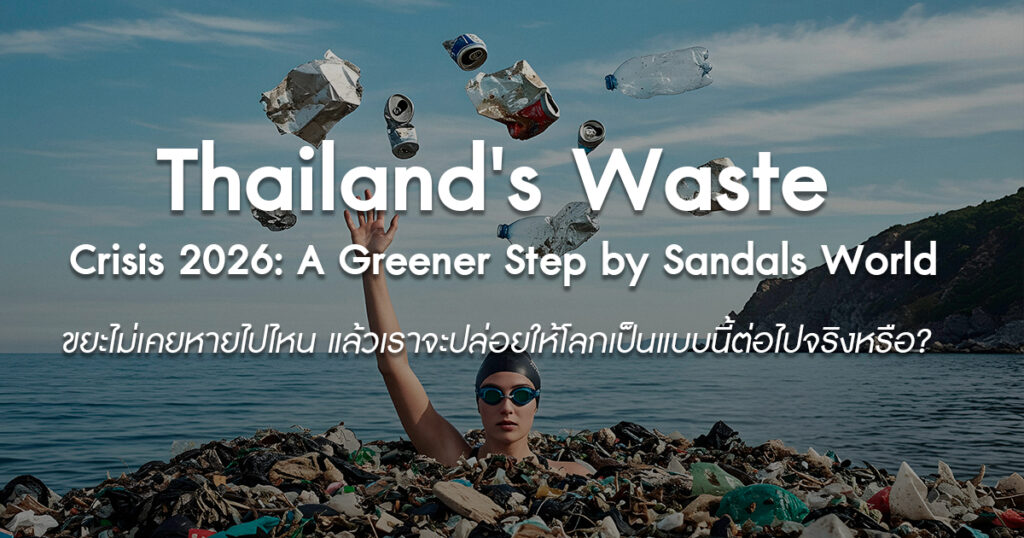
Where Does Our Waste Really Go? And How Long Can We Keep Living This Way?
Nov
As environmental challenges become impossible to ignore, Sandals World is taking a small but meaningful step toward a better future through BIO EVA SW GREEN.
Have you ever wondered what happens to the things we throw away?
The plastic cup we use for a few minutes. The takeaway box we toss after lunch. The old pair of sandals we no longer wear.
For us, their story often ends the moment they land in the trash.
But for the planet, that might be where the story begins.
And while we rarely think about these things once they’re out of sight, they don’t simply disappear.
Something we use for just a few minutes can leave an environmental footprint that lasts far longer than we ever imagined.
Today, this isn’t just a problem happening somewhere else in the world.
It’s happening right here in Thailand.
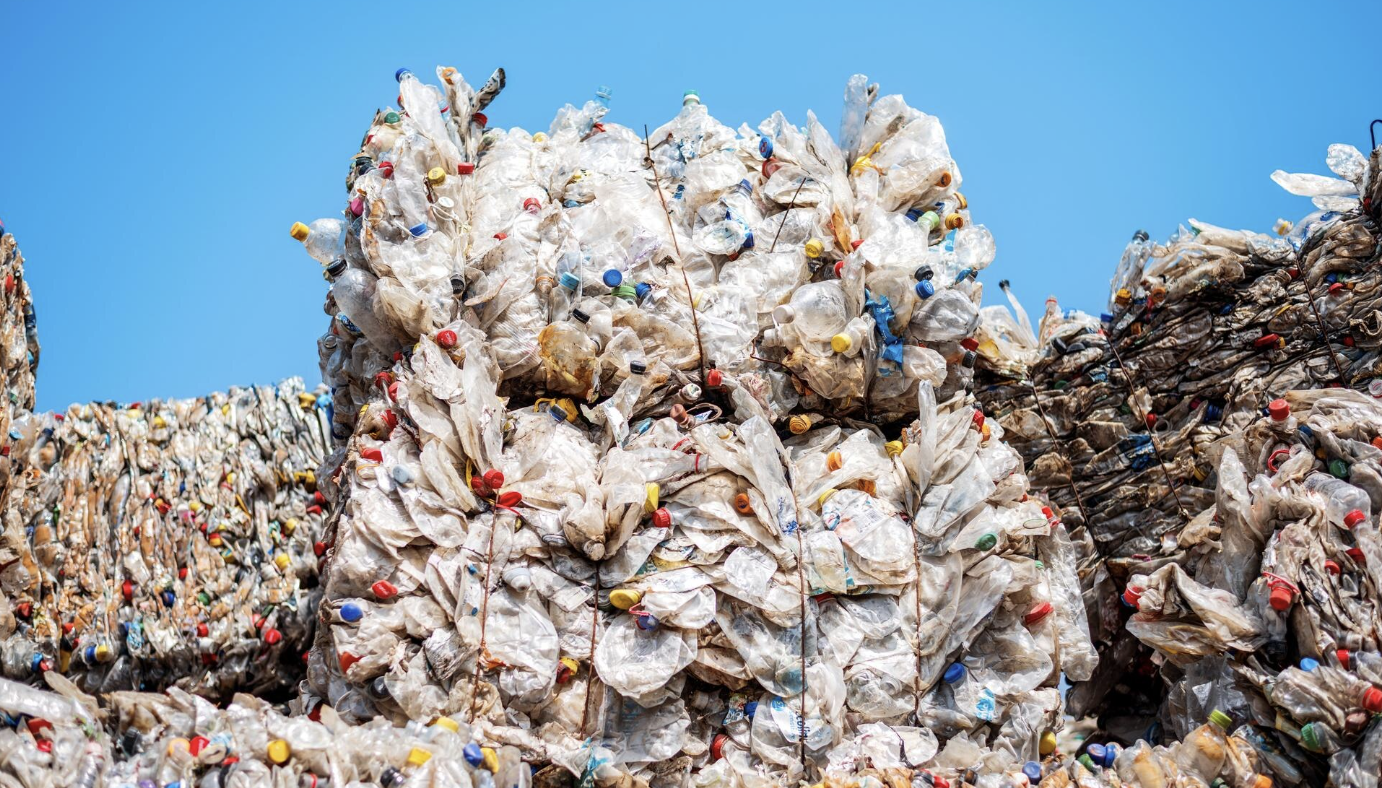
Thailand’s Growing Waste Problem: What Are We Leaving Behind?
According to Thailand’s Pollution Control Department, the country generated approximately 27.20 million tonnes of municipal solid waste in 2024, equivalent to around 74,529 tonnes every single day.
Of that amount, approximately 4.73 million tonnes were disposed of through methods that did not meet proper technical standards.
Imagine thousands of large garbage trucks collecting waste from our homes, restaurants, markets, and businesses every day.
We might never see all that waste in one place. Yet just because it’s out of sight doesn’t mean it’s gone.
Food waste buried in oxygen-poor conditions can release methane, a powerful greenhouse gas that contributes to global warming.
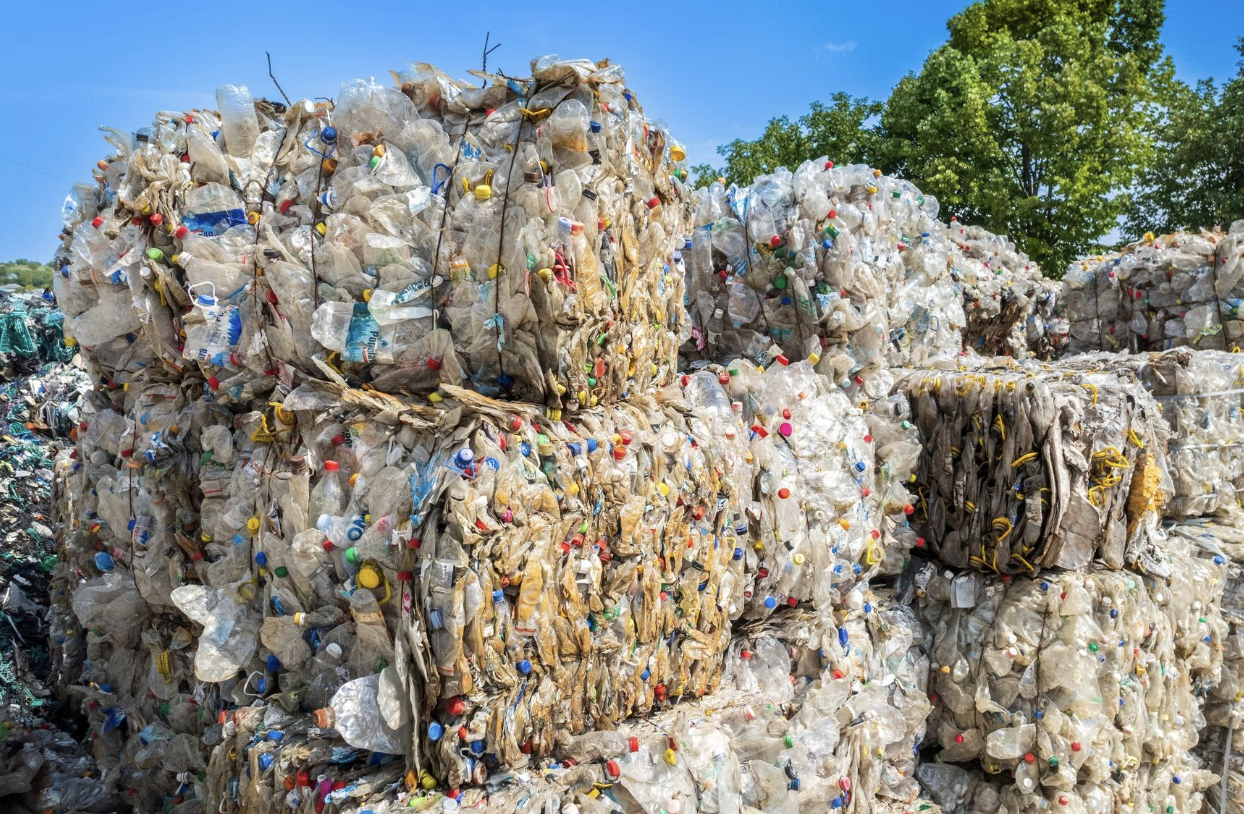
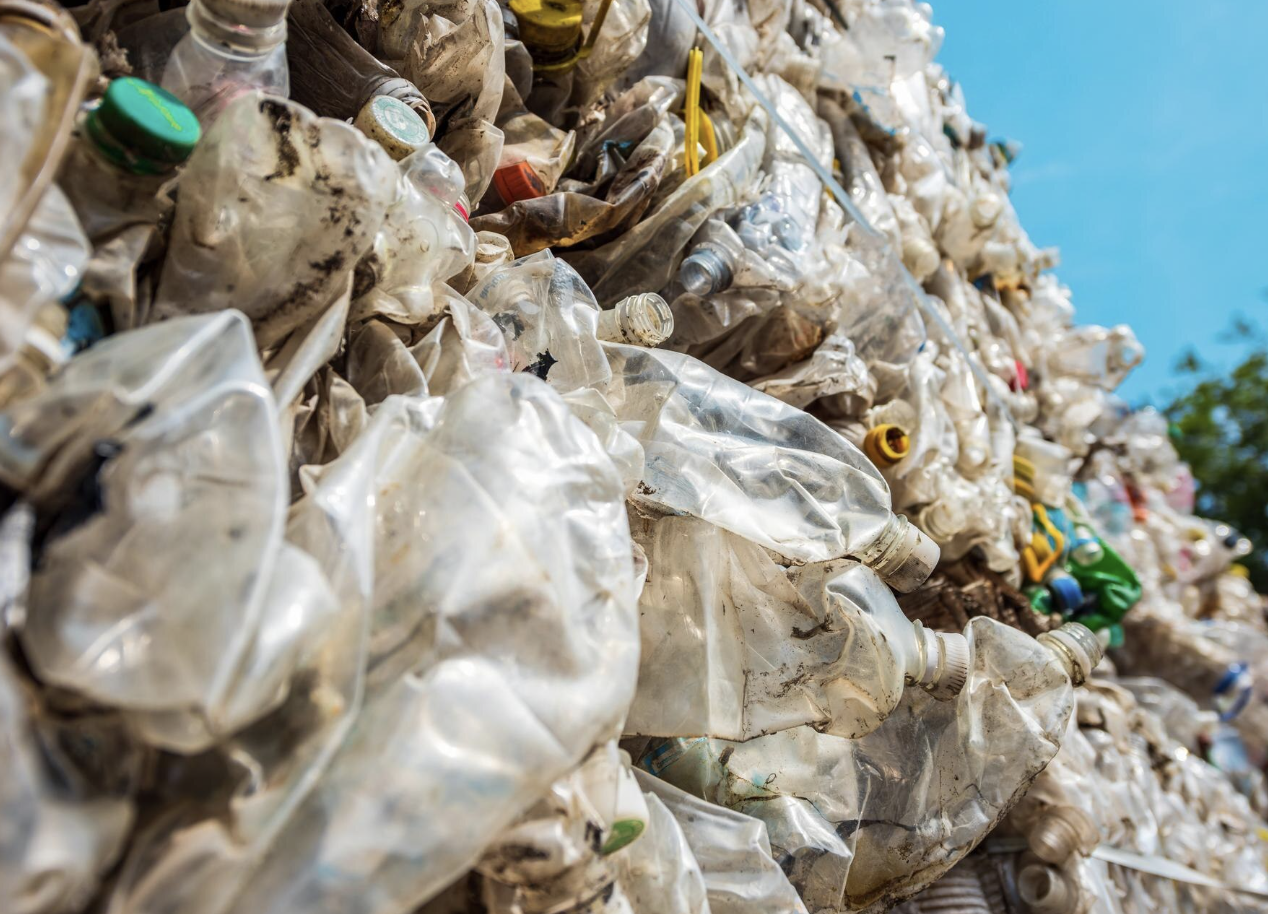
Plastic waste that escapes into the environment can gradually break into smaller fragments, eventually becoming microplastics.
Meanwhile, poorly managed dumpsites can produce contaminated water that may seep into the soil and surrounding waterways.
This is why waste is no longer just a question of keeping our streets clean.
It’s also about the water we drink, the air we breathe, the ecosystems we depend on, and the kind of future we’re creating.
Perhaps the most concerning part is that we continue generating new waste every day, while much of yesterday’s waste still needs to be managed.
The Environmental Crisis Goes Beyond Waste
Over the past few years, Thailand has faced environmental challenges that have become increasingly difficult to ignore.
During certain months, we check PM2.5 pollution levels before leaving home.
Some communities experience repeated flooding, while farmers in other parts of the country worry about whether there will be enough water for their next harvest.
We also face water pollution, coastal erosion, and the gradual deterioration of natural ecosystems.
Each problem has its own causes. Not all of them are directly connected to waste.
However, they remind us of something important.
The way we produce, consume, and manage resources has consequences for the environment around us.
Climate change can sound like a distant global issue until its effects become part of everyday life.
It might mean higher living costs, health concerns, lost agricultural income, or uncertainty for communities that depend on tourism and natural resources.
We may not be able to solve these problems on our own.
But once we become aware of them, perhaps the more important question is:
What are we willing to do differently?
Sustainability Shouldn’t Be Someone Else’s Responsibility
When people hear the word sustainability, they often think about planting trees, saving electricity, or using fewer plastic bags.
Those actions matter.
But sustainability is also about how we design products, choose materials, manufacture goods, and manage what happens when those products are no longer needed.
Think about the things we use every day.
The clothes we wear. The bags we carry. Even our favorite pair of sandals.
Every product has a story that begins long before it reaches the store.
It starts with raw materials, moves through manufacturing and transportation, continues throughout its useful life, and eventually reaches the point where it must be repaired, reused, recycled, or disposed of.
If we truly want to reduce our environmental impact, changing consumer habits alone may not be enough.
Brands and manufacturers have responsibilities, too.
We need to ask ourselves whether there are better ways to make the things we create.
And for Sandals World, that question brought us back to the very foundation of our handmade sandals.
Sandals World: When Craftsmanship Inspires a New Question
At Sandals World, handmade sandals have always meant more to us than something to wear.
Behind every pair is a story of patience, creativity, traditional skills, and the people who bring each design to life.
We believe Thai craftsmanship deserves to be seen, appreciated, and celebrated.
Through our collections of Artistic Handmade Sandals and Art & Craft Sandals, we aim to connect local craftsmanship with contemporary fashion while creating opportunities for artisans and communities across Thailand.
Yet as we continued developing our designs and supporting local makers, we began paying closer attention to something that often goes unnoticed.
The materials beneath our feet.
Footwear manufacturers commonly produce traditional EVA foam using petrochemical feedstocks derived from fossil resources such as oil and natural gas.
EVA is popular for good reasons.
It’s lightweight, flexible, comfortable, and capable of providing cushioning for everyday movement.
But understanding where those materials come from made us wonder:
What if we could maintain the comfort and craftsmanship we value while reducing our reliance on fossil-based raw materials?
It was a simple question.
But it led us toward something new.
That was the beginning of BIO EVA SW GREEN.
BIO EVA SW GREEN: From Sugarcane to a New Material Choice
Most of us know sugarcane as a crop used to produce sugar and ethanol.
But what if sugarcane could also help us rethink the materials used in everyday footwear?
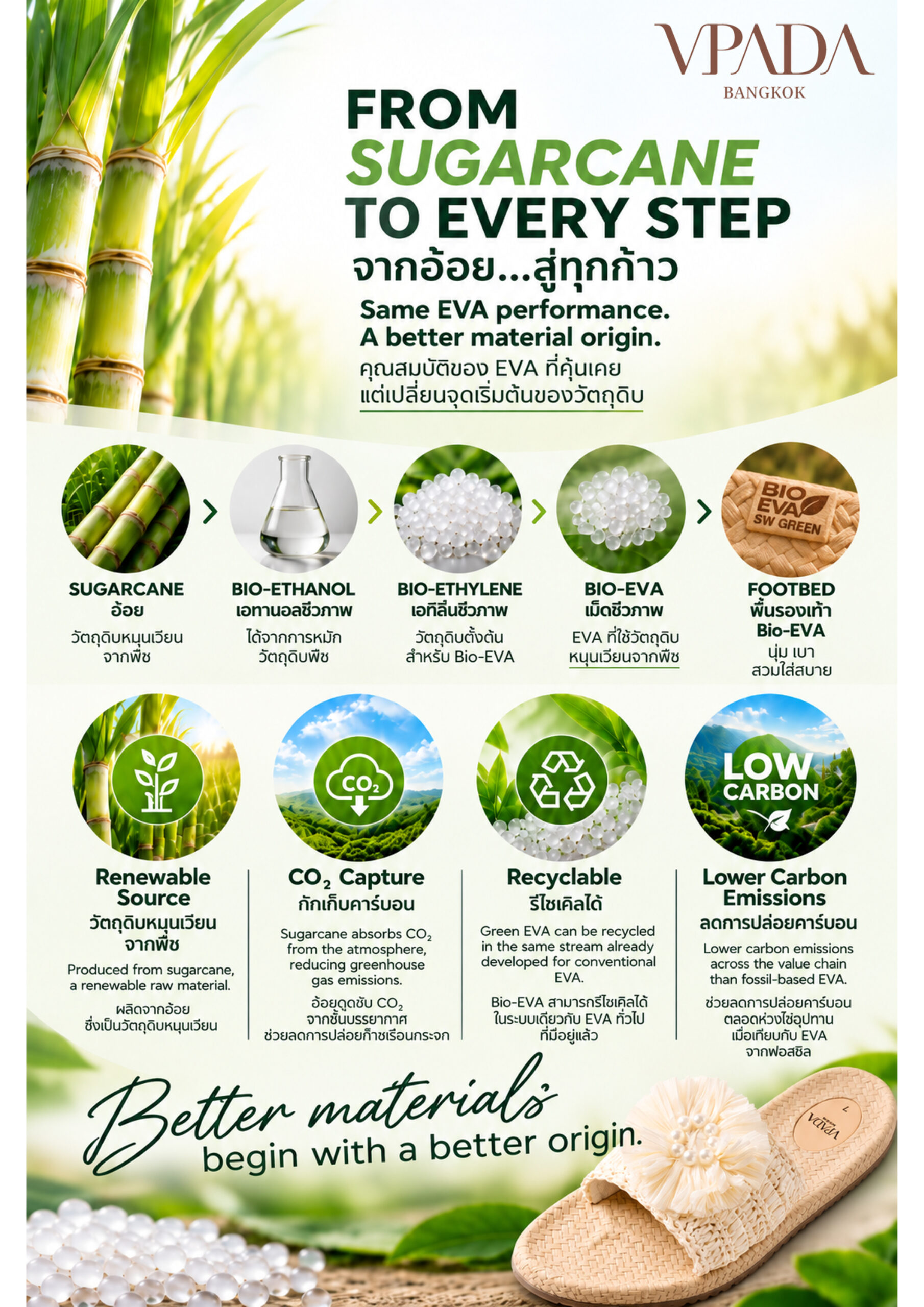
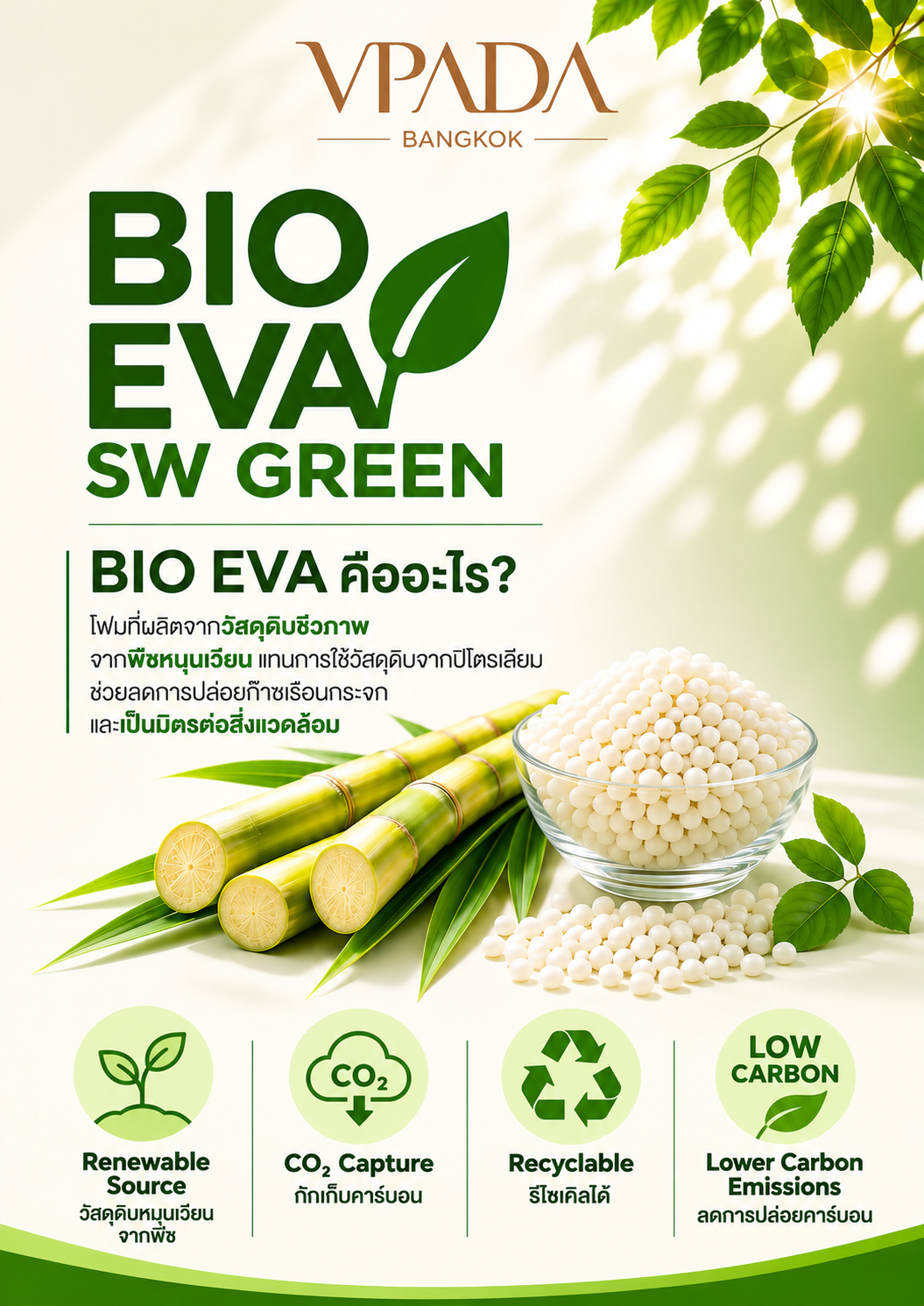
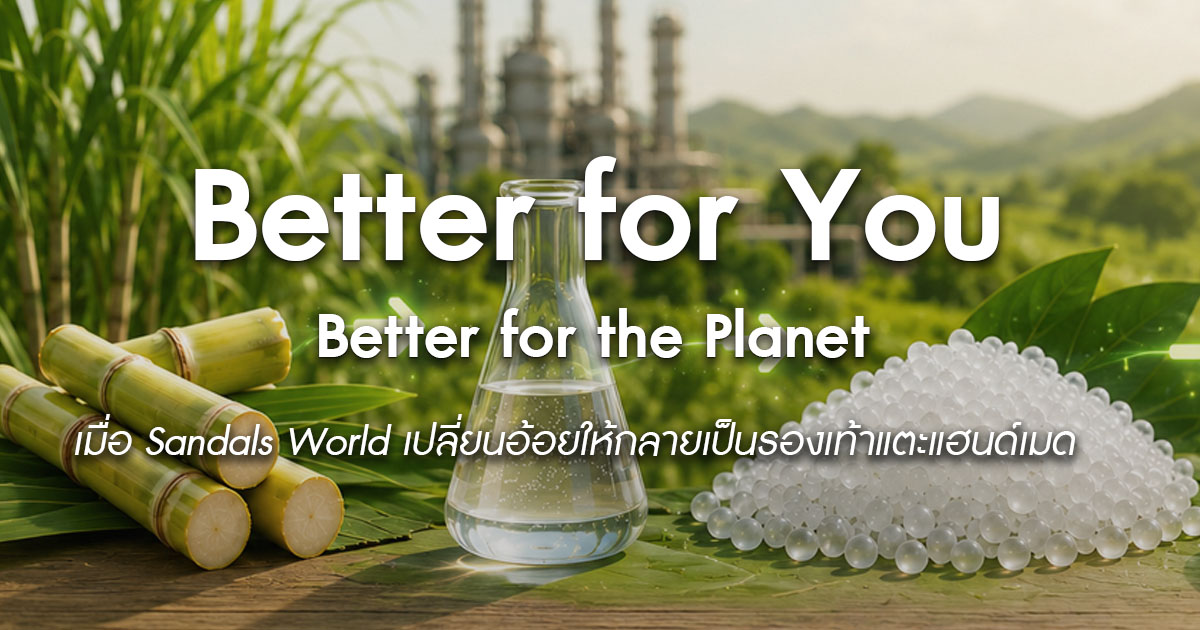
Today, sugarcane can serve as a renewable feedstock for producing certain types of polymers, including bio-based EVA.
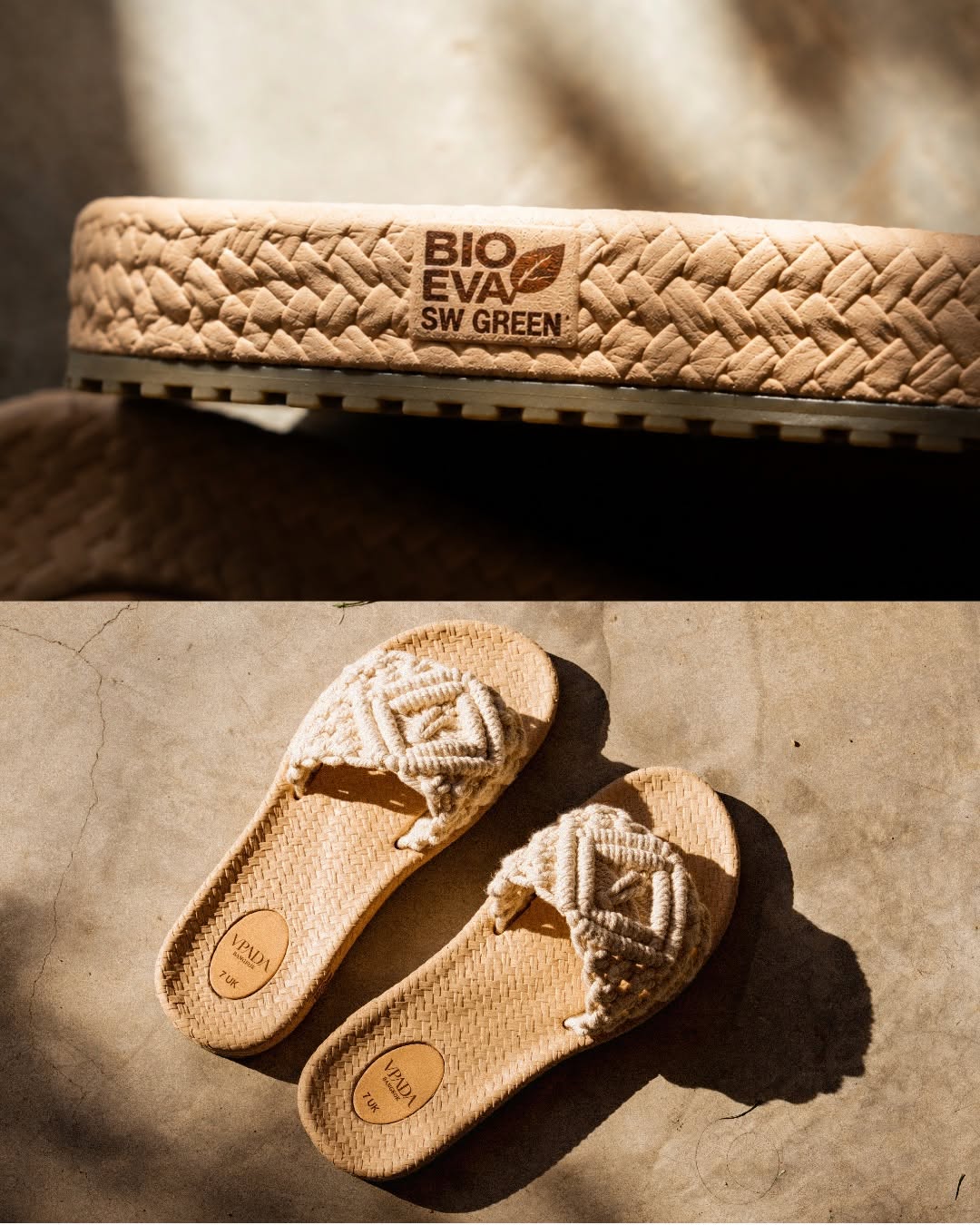
Through BIO EVA SW GREEN, Sandals World has begun exploring and introducing sugarcane-based EVA into our sandal soles, with the goal of reducing dependence on petroleum-derived feedstocks wherever practical.
The process begins with sugarcane, which can be used to produce bioethanol.
Next, manufacturers convert bioethanol into bioethylene, an essential building block for producing bio-based EVA. They then transform the resulting material into lightweight foam suitable for footwear.
The material can subsequently be processed into foam for footwear applications.
Sugarcane → Bioethanol → Bioethylene → Bio-based EVA → Foam Sole
What’s exciting is that bio-based EVA can retain the performance characteristics that make conventional EVA useful in footwear, including its lightweight feel, flexibility, and cushioning properties.
For us, changing materials isn’t about compromising comfort or leaving craftsmanship behind.
It’s about finding ways for thoughtful material choices, beautiful design, and everyday functionality to move forward together.
Alongside this development, Sandals World also continues to explore the use of Thai natural rubber in suitable sandal outsoles.
Our ambition is to make Sustainable Thai Craft Sandals more than just a fashion description.
We want that idea to reflect a growing commitment to craftsmanship, responsible material choices, and the communities behind our products.

Does Sugarcane-Based EVA Mean Biodegradable Sandals?
Not necessarily.
And we think it’s important to be clear about that.
A material being bio-based does not automatically mean it is biodegradable.
Bio-based EVA remains a polymer material and still requires proper management at the end of its useful life.
Producing plant-based materials also involves energy, water, agricultural land, and other resources.
That’s why understanding a product’s environmental impact requires looking at its entire life cycle, rather than focusing on a single ingredient.
We are not claiming that sandals made with BIO EVA SW GREEN have no environmental impact.
Nor are we suggesting that switching to sugarcane-based materials will solve the global plastic waste crisis.
What we are doing is beginning to replace part of the fossil-derived feedstock used in our materials with renewable, plant-based alternatives.
For Sandals World, this represents a material transition with the potential to support more responsible production practices.
And importantly, it’s a journey that still requires research, testing, and continuous improvement.
Because sustainability should never be just a beautiful word printed on a label.
It should be something we can explain, evaluate, and keep improving.
We Can’t Change Everything Today. But We Can Choose to Do Better.
Change isn’t always easy.
Especially when it involves materials, production processes, costs, and the practical limitations that every business faces.
We face those challenges, too.
Some materials may take longer to replace, while certain production processes still require further research and development. Although we haven’t reached every goal yet, we’re committed to making steady progress.
But we’ve come to believe that waiting for the perfect solution can sometimes prevent us from making any progress at all.
So rather than waiting until everything is perfect, we’ve decided to begin with what we can change.
Today, that means reconsidering the materials we use in our sandal soles.
Tomorrow, it might mean improving production processes, reducing waste, extending product life, or exploring better ways to manage products after use.
Meaningful improvements take time, and every new idea brings something valuable to learn. Not everything will go exactly as planned, but each experience helps us move forward.
But that’s part of making progress.
We may not be able to change the entire world in a single day. But we believe we can make choices today that are better than the ones we made yesterday.
That’s what BIO EVA SW GREEN means to us.
It’s not a declaration that we’ve achieved sustainability.
It’s a commitment to keep moving in a more thoughtful direction.
Small Steps Can Still Lead to Meaningful Change
Environmental responsibility shouldn’t belong to just one person, one community, or one company.
As consumers, Making more conscious choices can start with something simple. By buying only what we need, choosing durable products, and caring for what we already own, we can gradually reduce our environmental impact.
As manufacturers, we can look more closely at how our products are made.
We can question the materials we use, improve our processes, and consider the environmental impact of our decisions.
For Sandals World, BIO EVA SW GREEN is one step along that journey.
We hope that one day, Thailand sandals will be recognized not only for their beautiful craftsmanship and creative designs, but also for the care and responsibility that go into making them.
We want to help build a future where handmade products can celebrate local culture, support artisan communities, and encourage more thoughtful use of our planet’s resources.
We know one decision won’t change the world overnight.
But meaningful change often begins when someone decides to do something differently.
And perhaps that is where we all need to start.
We may not have all the answers today. But we’ll keep learning, improving, and choosing a better way forward, one step at a time.
Because a better future doesn’t begin with perfection.
It begins with a thoughtful step.
BIO EVA SW GREEN by Sandals World
Same Craft. New Sole. Greener Future.

𝙎𝙖𝙣𝙙𝙖𝙡𝙨 𝙒𝙤𝙧𝙡𝙙 𝙞𝙨 𝙏𝙝𝙖𝙞𝙡𝙖𝙣𝙙’𝙨 𝙡𝙖𝙧𝙜𝙚𝙨𝙩 𝙝𝙪𝙗 𝙤𝙛 𝙖𝙧𝙩𝙞𝙨𝙩𝙞𝙘 𝙝𝙖𝙣𝙙𝙢𝙖𝙙𝙚 𝙨𝙖𝙣𝙙𝙖𝙡𝙨


ABOUT THE CONTENT CREATOR
BUNTHARIK INSIRI
(Content Writer)
Sandals World | Art & Craft Sandals | Sustainable Thai Craft Sandals Tags: handmade sandals, sandals world, foot health,
Thailand sandals, artistic handmade sandals, art & craft sandals, plantar fasciitis, bunion, sustainable sandals and BIO EVA ,SW GREEN

Thai Dress Adventure 2026: Explore Bangkok, Discover Thai Culture & Style Your Day with VPADA BANGKOK
Views: 2 VPADA BANGKOK Dress Thai, Walk VPADA! — Thai Charm in Every Step. Café [...]
Nov
Where Does Our Waste Really Go? And How Long Can We Keep Living This Way?
Views: 21 As environmental challenges become impossible to ignore, Sandals World is taking a small [...]
Nov
From Oil to Sugarcane: How Plastic Materials Are Changing the Future of Handmade Sandals
Views: 24 Fossil-Based Plastic vs. Bio-Based EVA: A New Material Choice for Handmade Sandals Have [...]
Nov

Milala Handmade at POPUPASIA 2026: Every Knot Tells a Story, Every Connection Matters
Views: 44 More Than Sandals. A Story of Craftsmanship, Love, and the People Who Make [...]
Nov

Thailand Tourism 2026: Fewer Tourists, But Is Thailand Entering a New Era of Travel?
Views: 22 Fewer international visitors, changing spending patterns, and a growing focus on meaningful experiences. [...]
Nov

Milala Handmade: From a Simple Knot to Handmade Sandals Loved Around the World | The Power of Knot
Views: 16 Have you ever picked up a pair of beautiful sandals and wondered how [...]
Nov

LOy Krathong, LOve Thai Style! Celebrate Thai Culture, Express Your Style, and Craft Happy Memories with VPADA
Views: 93 Who says traditional Thai fashion is only for special occasions? And who says [...]
Nov

From Sugarcane to Every Step: VPADA x Sandals World Unveils BIO EVA SW GREEN at SX2026
Views: 45 What if the next big change in sustainable fashion starts with something we [...]
Nov
SANDALS WORLD GUIDE
Artistic Handmade Sandals
BY
SANDALS WORLD THAILAND
The Largest Hub
of Artistic Handmade Sandals in Thailand.