

Brand Stories
El Niño 2026 and Sustainable Thai Craft Sandals: Why Every Step Matters
Sep
The climate is changing in ways that are becoming harder to ignore.
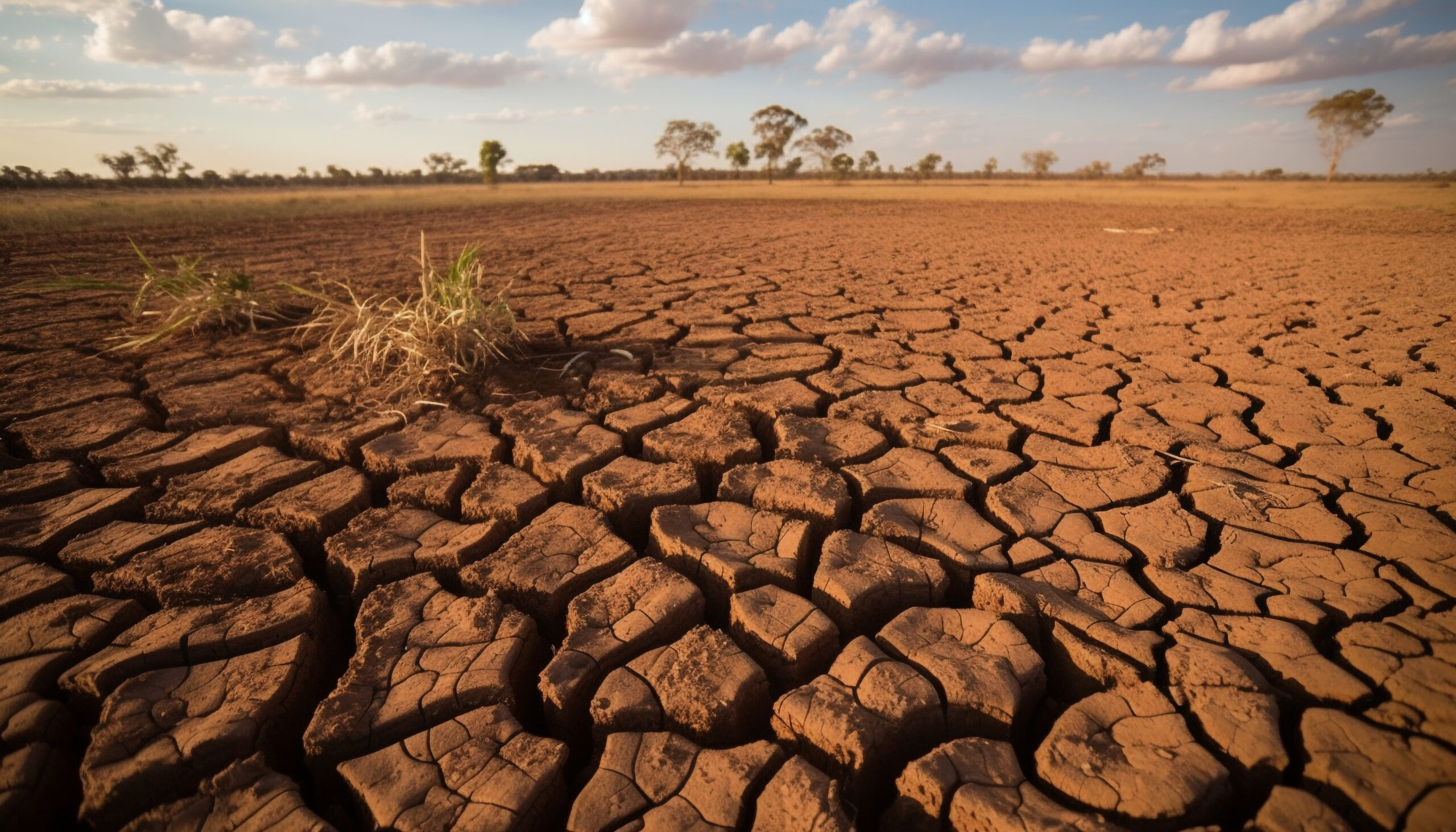
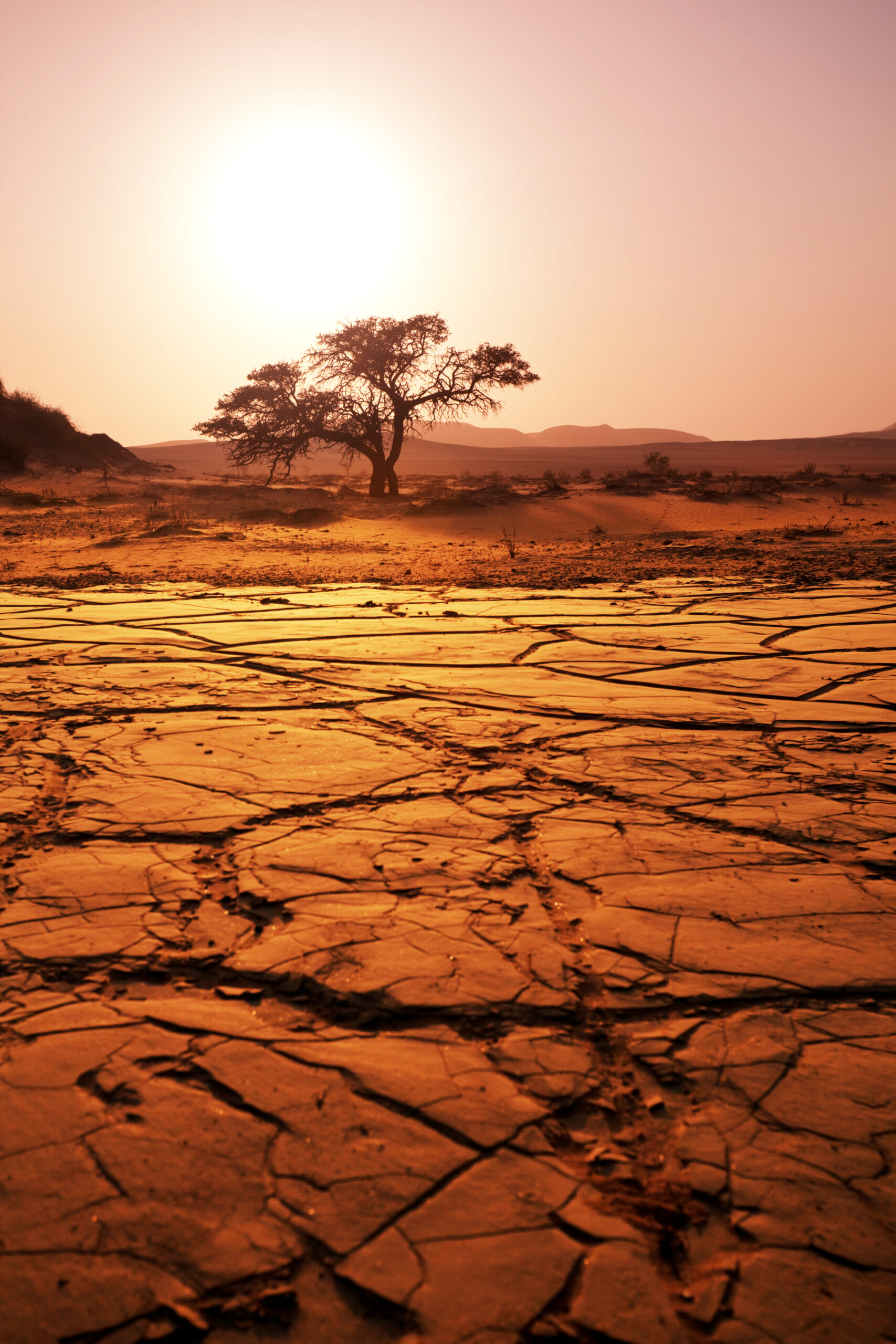
Heatwaves last longer. Heavy rain can arrive within hours. Drought can affect one region while floods hit another. Meanwhile, wildfires are becoming more destructive under extremely hot and dry conditions.
In 2026, another major climate factor has entered the conversation: El Niño.
For most people, El Niño may sound like a distant scientific term. However, what happens thousands of kilometres away in the tropical Pacific can influence rainfall, temperature, drought, agriculture, ecosystems, and communities across many parts of the world.
That raises another question.
What does El Niño have to do with something as small as a pair of sandals?
At Sandals World, the answer starts with a simple idea. One pair of shoes cannot solve climate change. However, every product still requires materials, energy, transportation, craftsmanship, and resources.
Therefore, every design decision creates an opportunity to do something better.
This thinking has shaped the direction of Sustainable Thai Craft Sandals, where Thai craftsmanship, alternative materials, local resources, comfort, and sustainability meet within one product.
2026 Is Another Warning From a Warming World
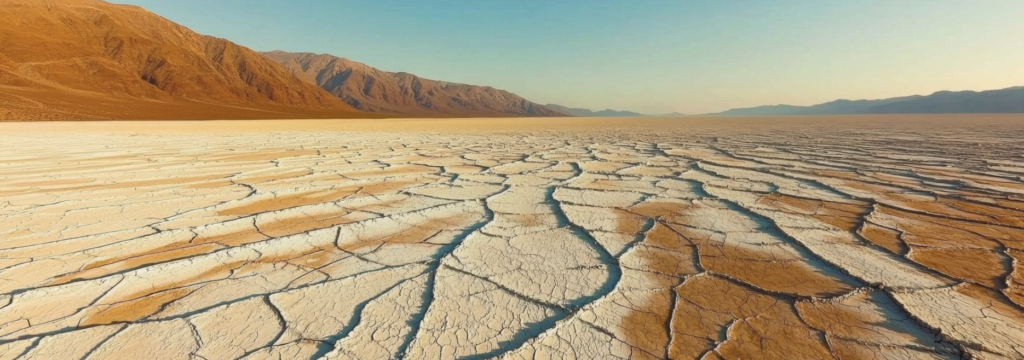
The numbers behind today’s climate trends are difficult to overlook.
According to the Copernicus Climate Change Service, the global average surface air temperature in July 2026 reached 16.90°C. That was about 1.47°C above the estimated 1850–1900 pre-industrial average for July. July 2026 ranked jointly with July 2024 as the second-warmest July on record, behind July 2023.
The World Meteorological Organization also expects global temperatures to remain close to record levels during the coming years.
Its 2026–2030 climate outlook estimates a 91% probability that at least one year between 2026 and 2030 will temporarily exceed 1.5°C above the 1850–1900 average. In addition, WMO estimates an 86% chance that at least one year during that period will exceed 2024 as the warmest year on record.
A temporary year above 1.5°C does not mean the Paris Agreement’s long-term temperature threshold has automatically been permanently crossed. Nevertheless, it shows how close the world is moving toward levels associated with greater climate risks.
Heat, Flood, Fire and Drought are no longer isolated environmental topics.
They are becoming part of the economic, social, agricultural and design challenges of our time.
What Is El Niño?
To understand why 2026 deserves particular attention, we first need to understand El Niño.
El Niño forms part of a natural climate cycle known as the El Niño–Southern Oscillation, or ENSO. ENSO describes interactions between the tropical Pacific Ocean and the atmosphere above it.
Under normal conditions, easterly trade winds blow across the tropical Pacific from east to west. These winds help push warm surface water toward the western Pacific.
During El Niño, however, these trade winds weaken significantly and can sometimes change their normal pattern.
As the winds weaken, warm surface water spreads back toward the central and eastern tropical Pacific. As a result, sea-surface temperatures in these areas become warmer than usual. NOAA describes El Niño as a large-scale weakening of the trade winds together with warming of the surface layers across the central and eastern equatorial Pacific.
Although this process begins in the Pacific, its influence does not necessarily remain there.
Changes in ocean temperatures affect tropical rainfall and atmospheric circulation. Those shifts can then influence weather patterns much farther away.
Consequently, some regions may face increased drought risk. Others may experience heavier rainfall, unusual heat, flooding or changes in storm patterns.
However, El Niño does not create exactly the same weather everywhere. Local climate systems, ocean conditions and other atmospheric patterns continue to influence the final result.


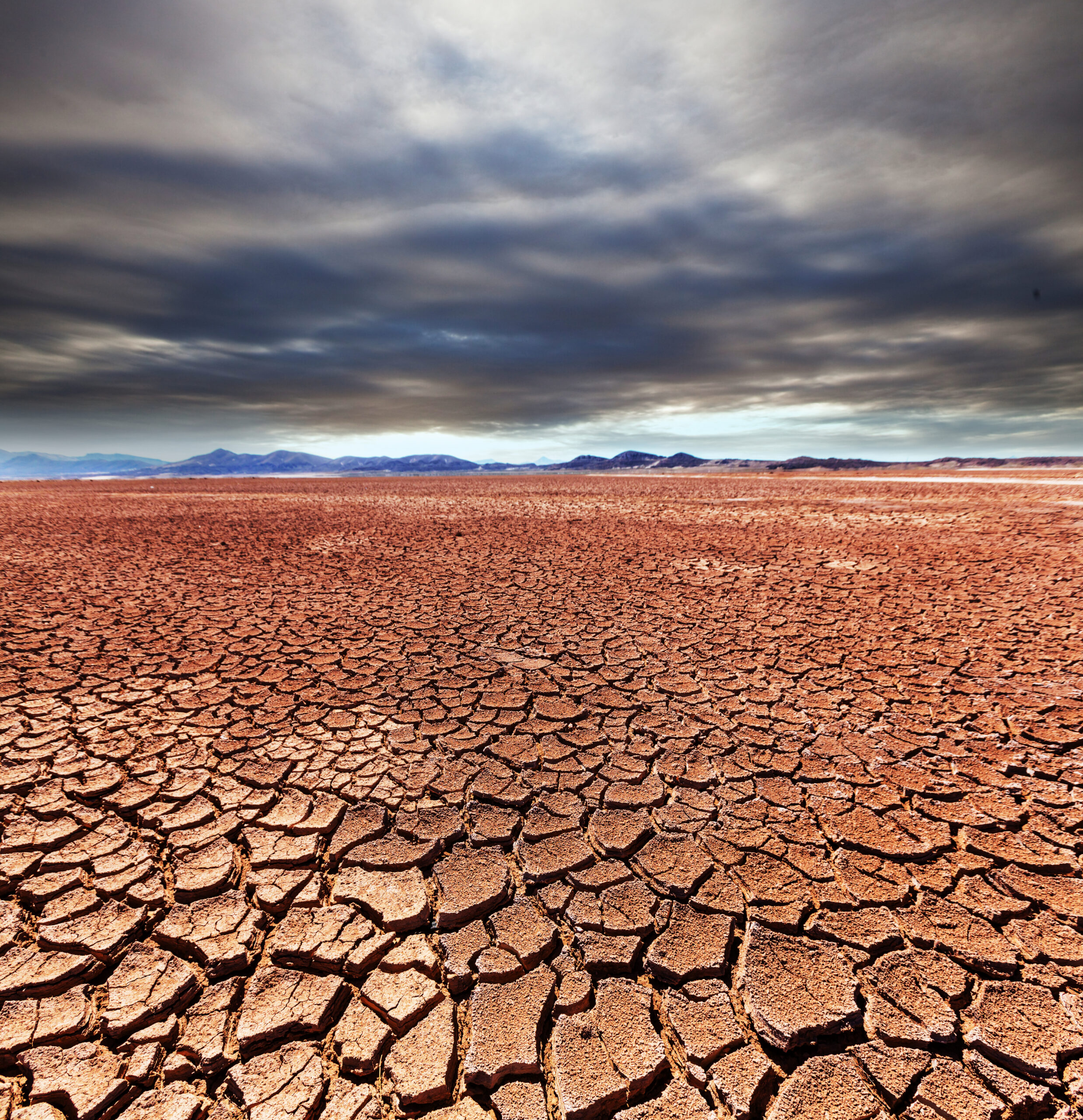
The term “Super El Niño” often appears in news reports when an El Niño becomes exceptionally intense.
However, it is important to understand that “Super El Niño” is not an official WMO or NOAA classification.
Scientists normally monitor El Niño using sea-surface temperature anomalies in specific areas of the tropical Pacific, particularly the Niño 3.4 region.
NOAA notes that there is no official universal strength classification. Nevertheless, an Oceanic Niño Index anomaly of around +1.5°C or above is often described as strong, while around +2.0°C or above is informally considered very strong or historically strong.
History provides several major examples.
The El Niño events of 1982–83, 1997–98 and 2015–16 rank among the strongest events in the modern observational record. NOAA data show that the 2015–16 event reached an Oceanic Niño Index of approximately 2.6°C, while 1997–98 reached around 2.4°C using the same historical dataset.
Therefore, the term “Super El Niño” works better as a public communication term than as a precise scientific category.
.

Why El Niño 2026 Matters
The current event deserves attention because it is intensifying rapidly.
On 3 September 2026, WMO reported that El Niño was firmly established and expected to strengthen into a very strong event. The organization also reported a nearly 100% probability that El Niño will persist through February 2027.
WMO’s September seasonal outlook goes even further.
Its multi-model ensemble projects the average Niño 3.4 sea-surface temperature anomaly at approximately 3.6°C for September–November 2026, with intensification expected to peak around November and December. This remains a forecast rather than an observed final peak, but it demonstrates how unusual the current ocean conditions may become.
A strong El Niño can shift rainfall and temperature patterns across different regions. When it occurs on top of already elevated global temperatures, climate risks can become even more complex.
Therefore, climate adaptation and carbon reduction cannot depend on one industry alone.
Energy matters.
Transportation matters.
Agriculture matters.
Manufacturing matters.
And consumer products matter too.
What Can a Pair of Sandals Possibly Change?
A pair of sandals may appear insignificant beside a global climate system.
Of course, one pair of handmade sandals cannot stop El Niño, prevent a flood or reverse global warming.
That is not the point.
The more useful question is this:
Can we design everyday products with less dependence on fossil-based resources, greater use of renewable materials, stronger local value and longer practical use?
For Sandals World, that question has become the foundation of product development.
Instead of approaching sustainability as a marketing message added after production, Sandals World aims to consider it from the beginning of the design process.
The approach focuses on three connected areas:
Design. Materials. Comfort.
1. Design: Turning Thai Craft Into Contemporary Style
The first pillar is beauty.
However, beautiful design does not need to lose its cultural identity.
Sandals World works with partner brands, craftspeople and local communities to bring traditional techniques into contemporary footwear.
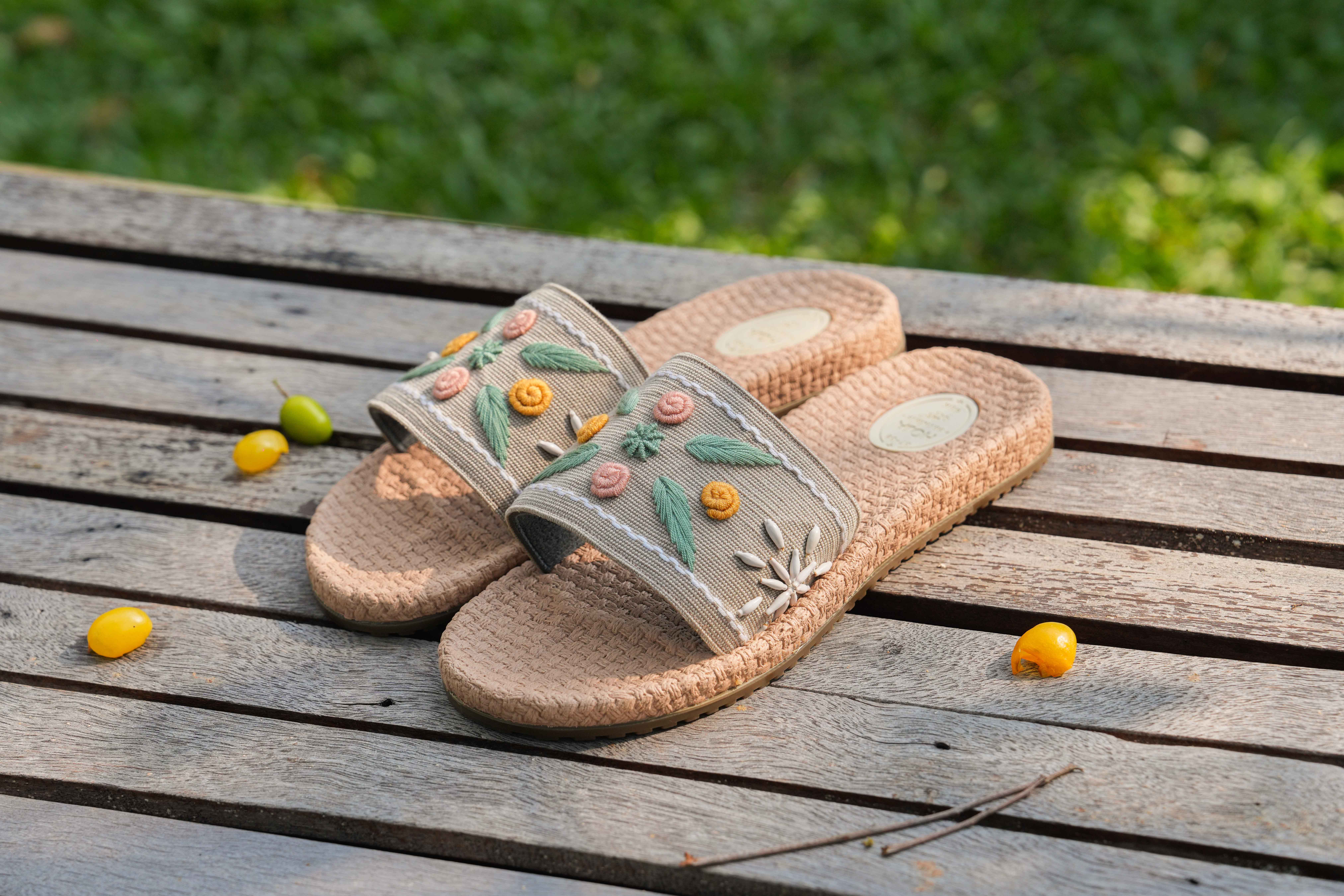
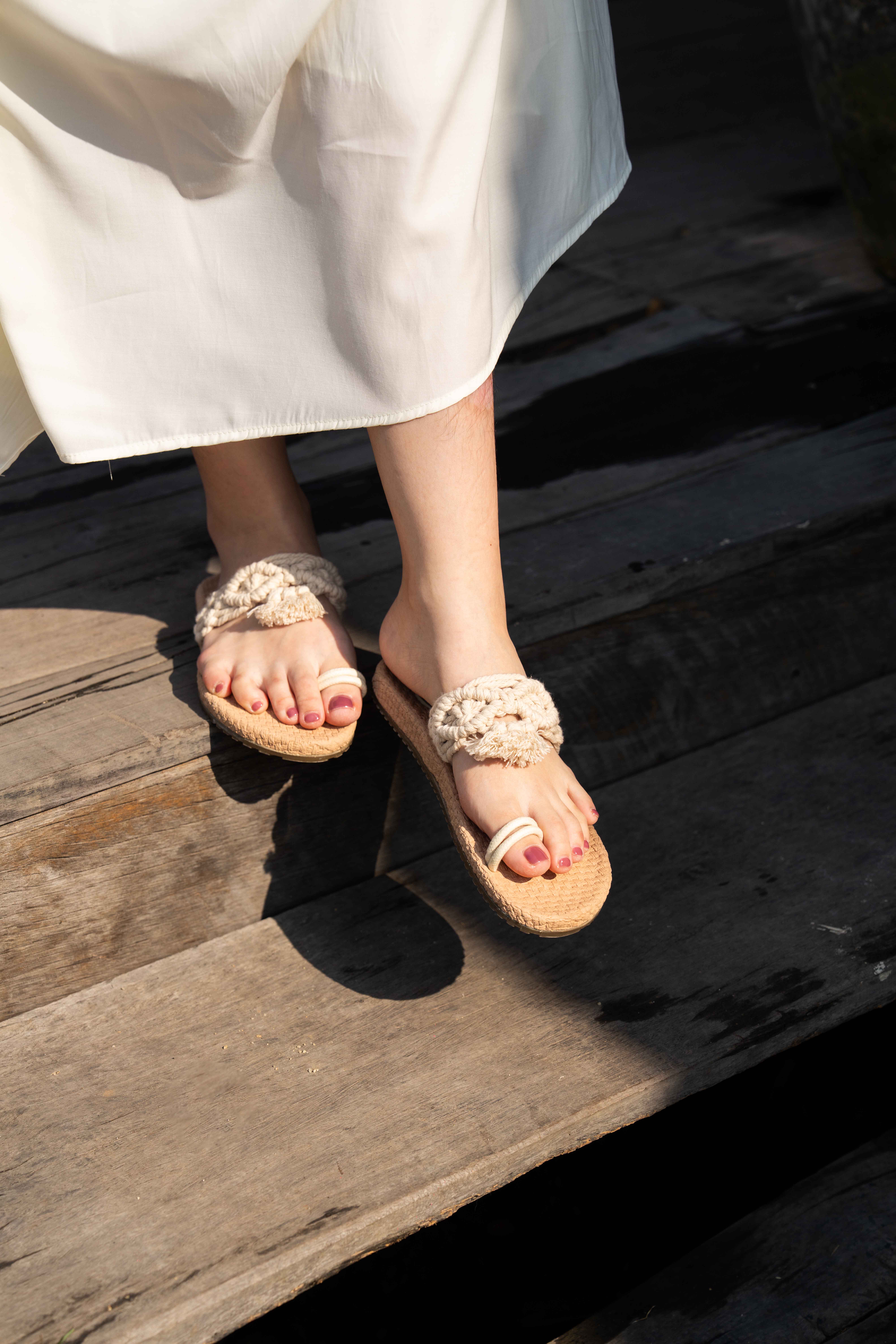
These techniques include macramé, crochet, embroidery, weaving and other handmade crafts inspired by different parts of Thailand.
Some designs connect with northern communities and traditional textile knowledge. Others reinterpret local techniques through modern colours, shapes and everyday fashion.
This creates a different meaning for handmade.
Craft does not need to remain only in museums, souvenir shops or traditional settings. Instead, artisans can transform their knowledge into products that belong naturally in modern life.
This concept sits behind Artistic Handmade Sandals and Art & Craft Sandals.
They can carry Thai identity without looking trapped in the past.
For international customers searching for Thailand sandals, that distinction matters. The value is no longer simply “Made in Thailand.”
The stronger story becomes:
Designed through Thailand, crafted through Thailand and connected to the people behind Thai craftsmanship.
2. Materials: From Fossil Resources to Sugarcane-Based BIO EVA
The second pillar focuses on materials.
Conventional EVA foam relies heavily on petrochemical feedstocks. EVA remains popular because it is lightweight, flexible and suitable for footwear. However, its fossil-based supply chain creates another question for brands looking toward a lower-carbon future.
This is where SW GREEN enters the Sandals World strategy.
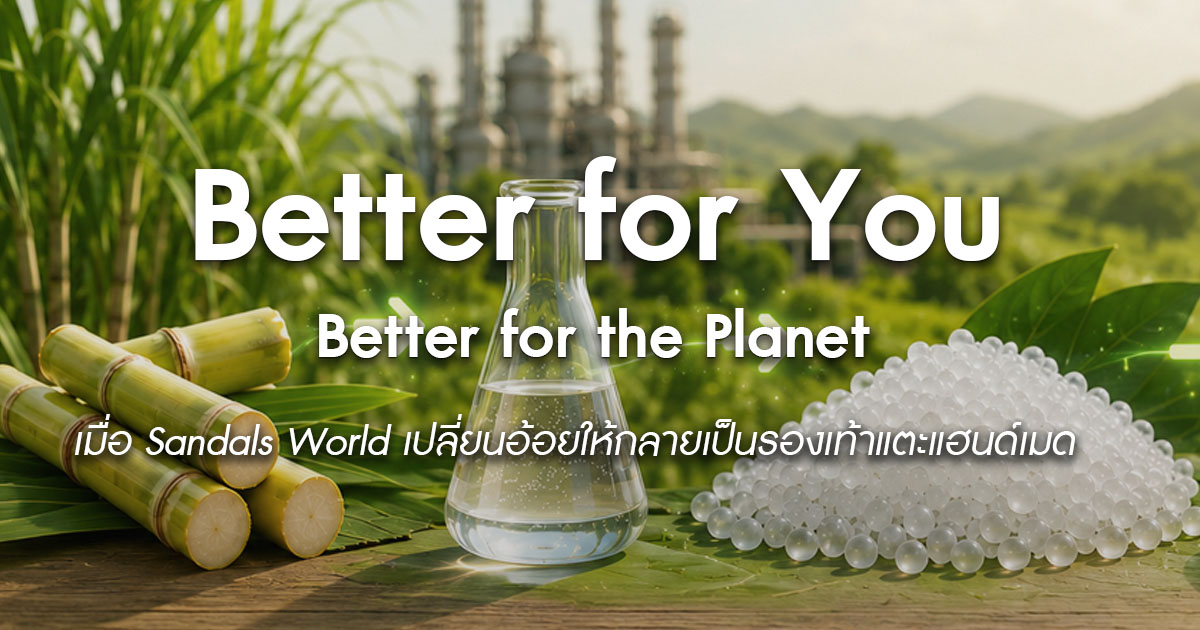
Sandals World is developing sandal footbeds using BIO EVA with sugarcane-derived feedstock, helping reduce dependence on fossil-origin raw materials.
The simplified material pathway looks like this:
Sugarcane → Bio-Ethanol → Bio-Ethylene → BIO EVA → Sandals
Sugarcane can grow again after harvesting. Petroleum, in contrast, originates from finite geological resources that took millions of years to form.
Moving from fossil feedstock toward renewable biological feedstock therefore provides an opportunity to reduce fossil-carbon dependence within the material supply chain.
However, BIO EVA does not mean “zero impact.”
Agriculture, manufacturing, energy, transportation and end-of-life management still create environmental impacts.
That distinction is important.
Real sustainability should not depend on exaggerated claims. Instead, brands should identify measurable areas where they can reduce impacts and continue improving them.
That is the direction behind SW GREEN.
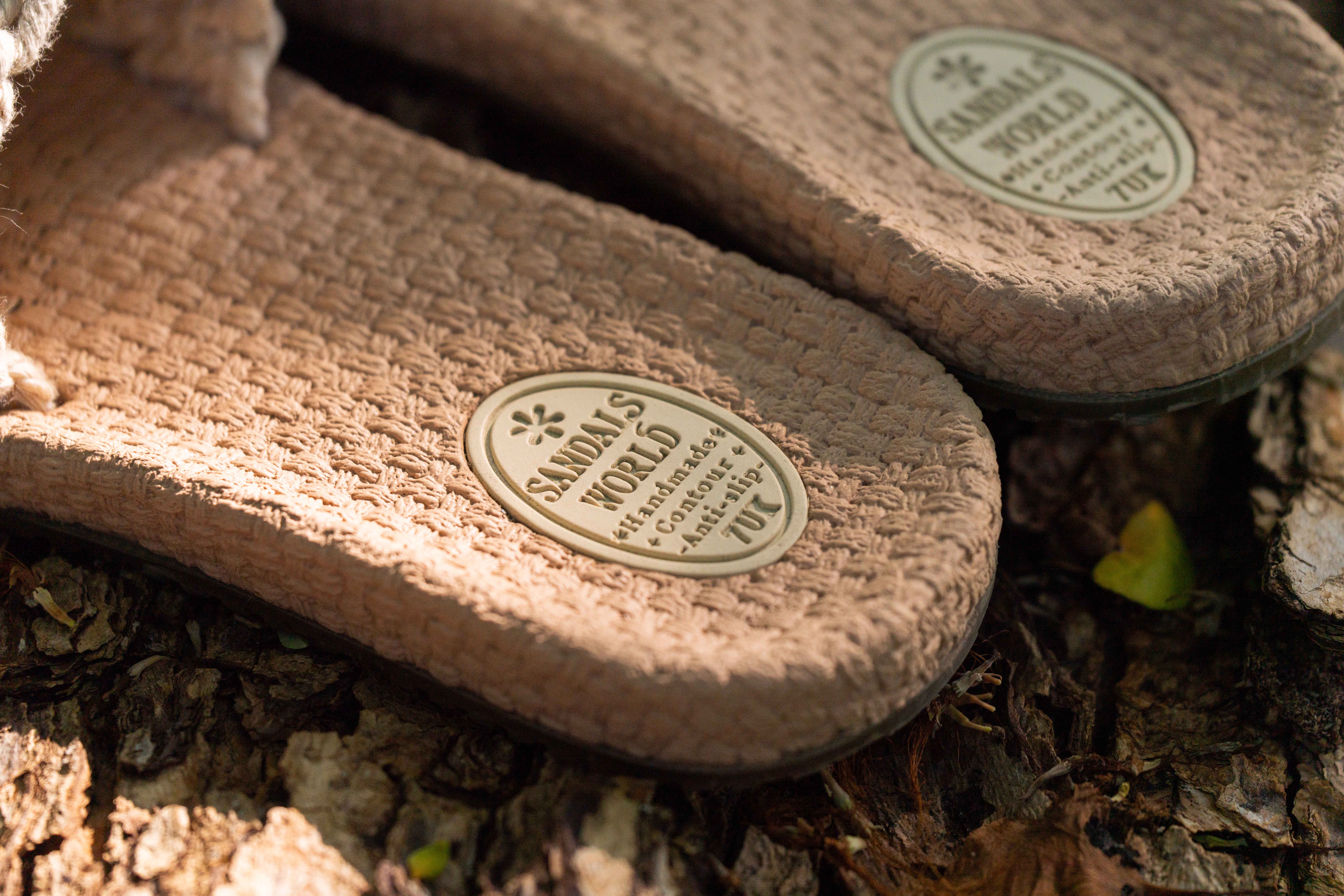
3. Thai Natural Rubber: Local Material With Practical Performance
Sandals World also looks closer to home for another key material: Thai natural rubber.
Thailand has long played an important role in the natural rubber industry. Using natural rubber in the outsole therefore creates both practical and local value.
The rubber outsole provides grip and helps reduce slipping during everyday use.
More importantly, it demonstrates that sustainable product development does not always mean searching for a completely new material.
Sometimes, the opportunity already exists within local resources.
Combining sugarcane-based BIO EVA with Thai natural rubber creates a material story that connects renewable feedstock, local resources and footwear performance.
This connection forms an important part of the vision for Sustainable Thai Craft Sandals.
4. Comfort: Sustainability Only Works When People Want to Use the Product
There is another part of sustainability that receives less attention: comfort.
A product cannot create meaningful long-term value if people do not want to use it.
That is why Sandals World develops a contoured footbed designed to follow the natural shape of the foot more closely.
The footbed aims to support everyday walking and distribute pressure more comfortably, while the natural rubber outsole helps improve grip.
This creates an important relationship between sustainability and product life.
If customers enjoy wearing a product, they are more likely to use it repeatedly.
Therefore, comfort is not separate from sustainable design.
It supports it.
From Climate Anxiety to Better Design Decisions
Climate change is a system-level problem.
No responsible brand should claim that changing one material or producing one pair of environmentally conscious sandals will solve it.
However, that does not mean small decisions have no value.
Manufacturers can rethink materials.
Designers can reconsider durability.
Brands can work more closely with local communities.
Consumers can choose products they expect to use repeatedly.
Meanwhile, businesses can measure their impacts more carefully and improve their supply chains over time.
For Sandals World, this journey begins with a pair of sandals.
A design can carry Thai craft.
A material can reduce dependence on fossil feedstock.
Natural rubber can connect the product with local resources.
A comfortable footbed can encourage repeated use.
And a handmade product can carry the knowledge of a community into a new market.
Sustainable Thai Craft Sandals: Small Steps Still Need the Right Direction
El Niño 2026 reminds us how interconnected the planet really is.
A change in trade winds above the Pacific can alter ocean temperatures. Those ocean temperatures can change atmospheric circulation. In turn, those changes can influence rainfall, heat and weather thousands of kilometres away.
Our products also exist within connected systems.
Every material has an origin.Every craft has a maker.Every production process uses resources.Every purchase creates demand.
That is why Sandals World sees sustainability not as a finished destination, but as a direction.
Through SW GREEN, sugarcane-based BIO EVA, Thai natural rubber, local craftsmanship, contemporary design and contoured comfort, Sandals World is working toward a new interpretation of Sustainable Thai Craft Sandals.
Not because one pair of sandals can change the climate.
But because the future will be shaped by millions of decisions about how we design, what we produce, what materials we choose and what kind of value we want our products to leave behind.
When the world is changing this quickly, every step may be small.
But every step should move in the right direction.
𝙎𝙖𝙣𝙙𝙖𝙡𝙨 𝙒𝙤𝙧𝙡𝙙 𝙞𝙨 𝙏𝙝𝙖𝙞𝙡𝙖𝙣𝙙’𝙨 𝙡𝙖𝙧𝙜𝙚𝙨𝙩 𝙝𝙪𝙗 𝙤𝙛 𝙖𝙧𝙩𝙞𝙨𝙩𝙞𝙘 𝙝𝙖𝙣𝙙𝙢𝙖𝙙𝙚 𝙨𝙖𝙣𝙙𝙖𝙡𝙨


ABOUT THE CONTENT CREATOR
BUNTHARIK INSIRI
(Content Writer)
Sandals World | Art & Craft Sandals | Sustainable Thai Craft Sandals Tags: handmade sandals, sandals world, foot health,
Thailand sandals, artistic handmade sandals, art & craft sandals, plantar fasciitis, bunion, sustainable sandals and BIO EVA ,SW GREEN
El Niño 2026 and Sustainable Thai Craft Sandals: Why Every Step Matters
Post Views: 1 The climate is changing in ways that are becoming harder to ignore. [...]
Sep
Circular Fashion: Why Your Sandals Deserve a Second Life
Post Views: 5 What happens to your favorite pair of sandals when you stop wearing [...]
Sep

Chic Handmade: From Fingertips to Every Step The Story Behind Artistic Handmade Sandals from Thailand
Post Views: 7 In a world where factories can produce thousands of shoes every day, [...]
Sep

From Thai Craft to BIO EVA: How Sandals World Is Rethinking the Future of Sandals
Post Views: 6 When people think about sandals, they often think about comfort, summer, travel, [...]
Sep
Bangkok Just Became Asia’s #2 Most Repeat-Visited City in 2026 Here’s Why It’s Time to Walk the City in Handmade Sandals from Thailand
Post Views: 11 Give Bangkok another round of applause! Agoda, the world’s leading digital travel [...]
Sep

Chiang Mai, a World-Class City and the Art & Craft Sandals Behind Its Charm
Post Views: 10 Chiang Mai is no longer just a beloved destination for Thai travelers [...]
Sep
From Oil Wells to Sugarcane Fields: How Sandals World Turns Handmade Sandals Into a Climate Solution
Post Views: 14 Every year, we burn fossil fuels for energy and manufacturing. As a [...]
Sep

One Pair, One Story: Find Handmade Sandals at White Market Chiang Mai
Post Views: 16 Chiang Mai turns a simple walk into a lasting memory. Some visitors [...]
Sep
SANDALS WORLD GUIDE
Artistic Handmade Sandals
BY
SANDALS WORLD THAILAND
The Largest Hub
of Artistic Handmade Sandals in Thailand.