

Brand Stories
Chewa, Chesue, and Chepola
Jul
Overline
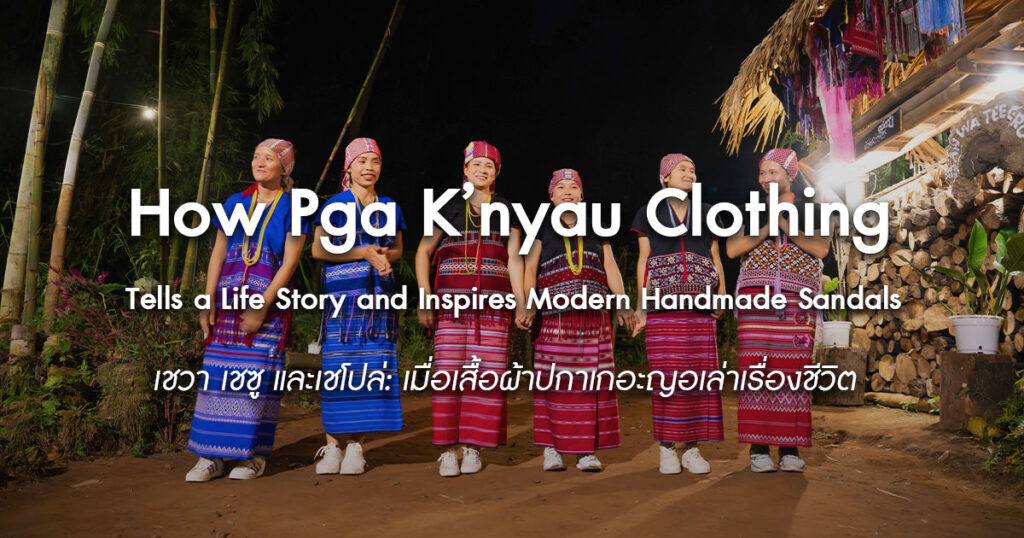
How Pga K’nyau Clothing Tells a Life Story and Inspires Modern Handmade Sandals
What if your clothes could introduce you before you said a single word?
For the Pga K’nyau people, clothing does more than cover the body. Colors, patterns, shapes, and woven details can communicate age, gender, marital status, family responsibilities, and a person’s place within the community.
Names such as Chewa, Chesue, and Chepola represent more than different clothing styles. Each garment reflects a stage of life—from youth and freedom to marriage, responsibility, and a stronger connection with family.
Today, global fashion increasingly values authentic stories and cultural craftsmanship. As a result, Pga K’nyau weaving can inspire contemporary products, including sandals that transform traditional colors, embroidery, woven patterns, and Job’s tears beadwork into wearable art.
However, responsible design requires more than copying an attractive pattern. Every thread has an origin. Every symbol carries meaning. Most importantly, living communities continue to protect and develop this cultural knowledge.
Pga K’nyau communities may use different names and spellings for their garments. This article uses “Chepola” according to the original topic. However, other sources call men’s shirts “Che Ngo” or “Che Roh.” Designers should confirm every term with the community before using it for a collection or commercial product.
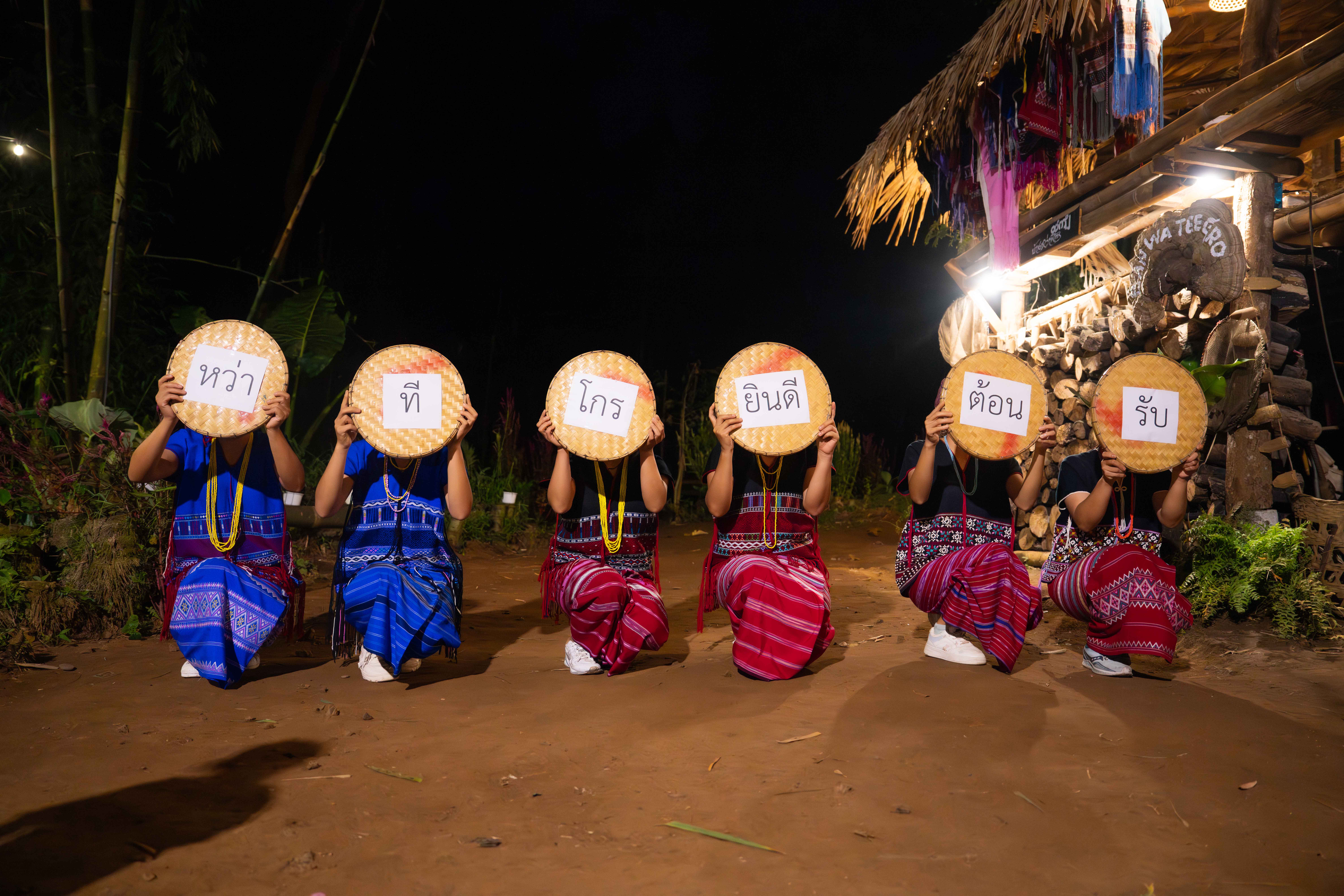
Pga K’nyau Clothing Tells a Life Story
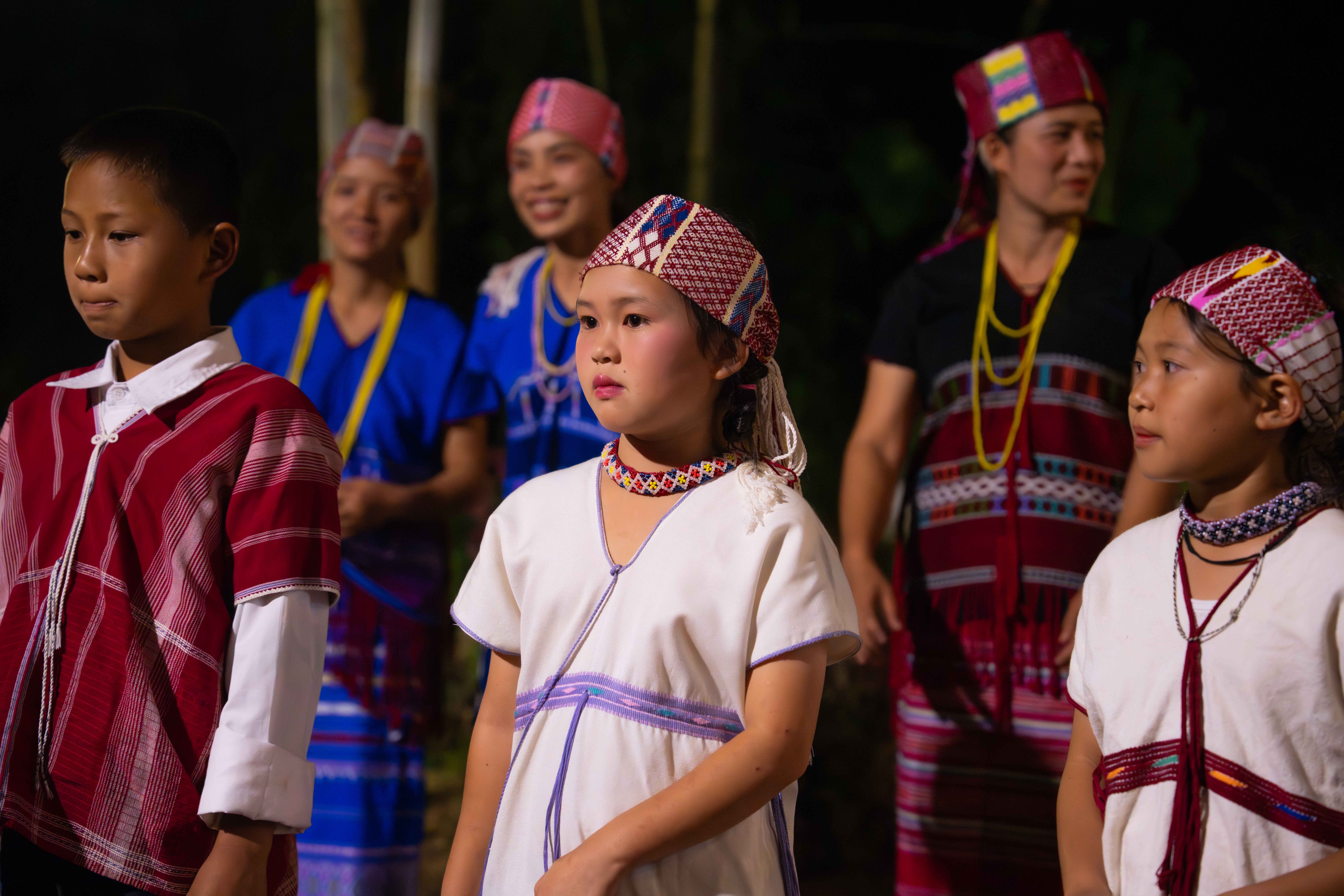
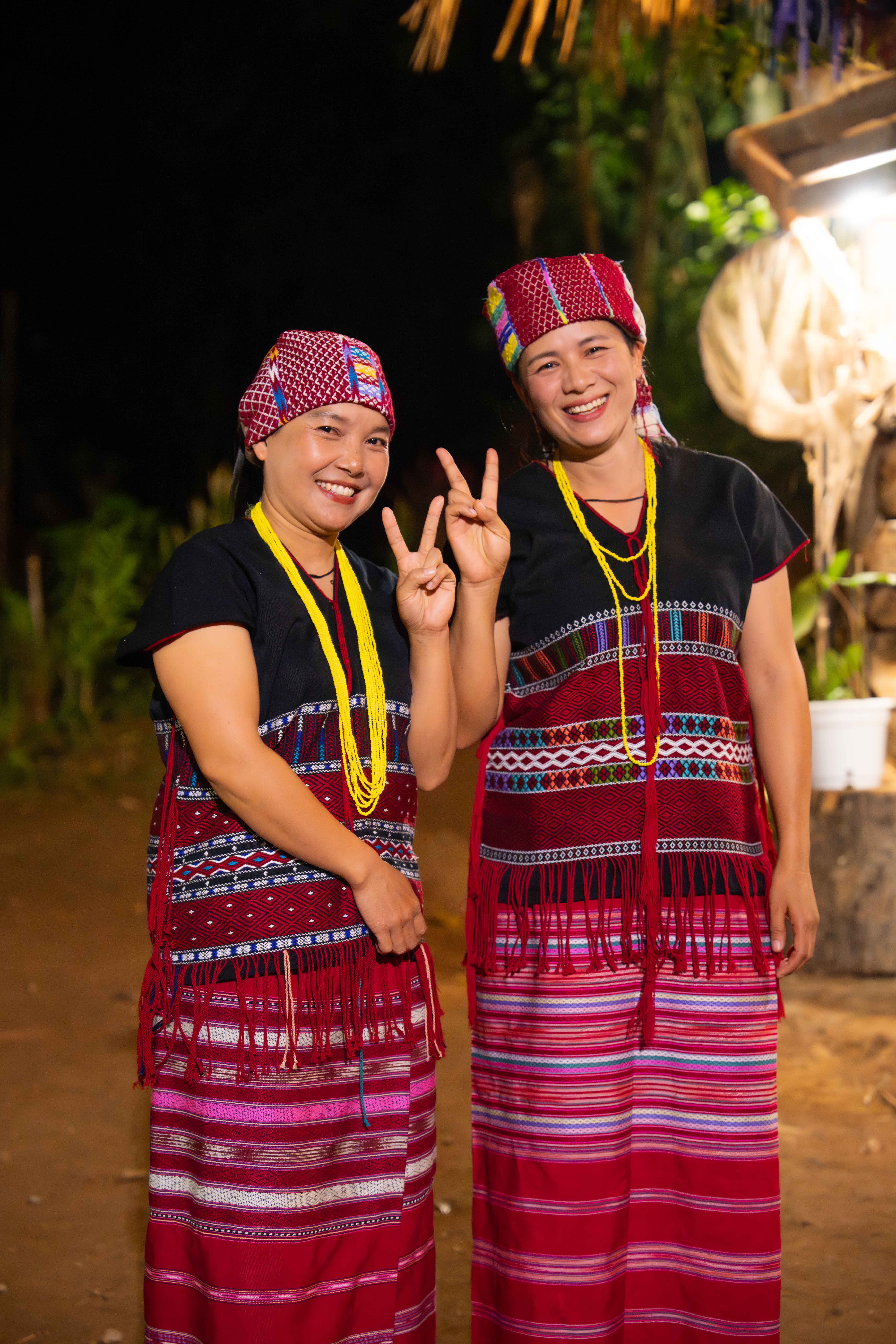
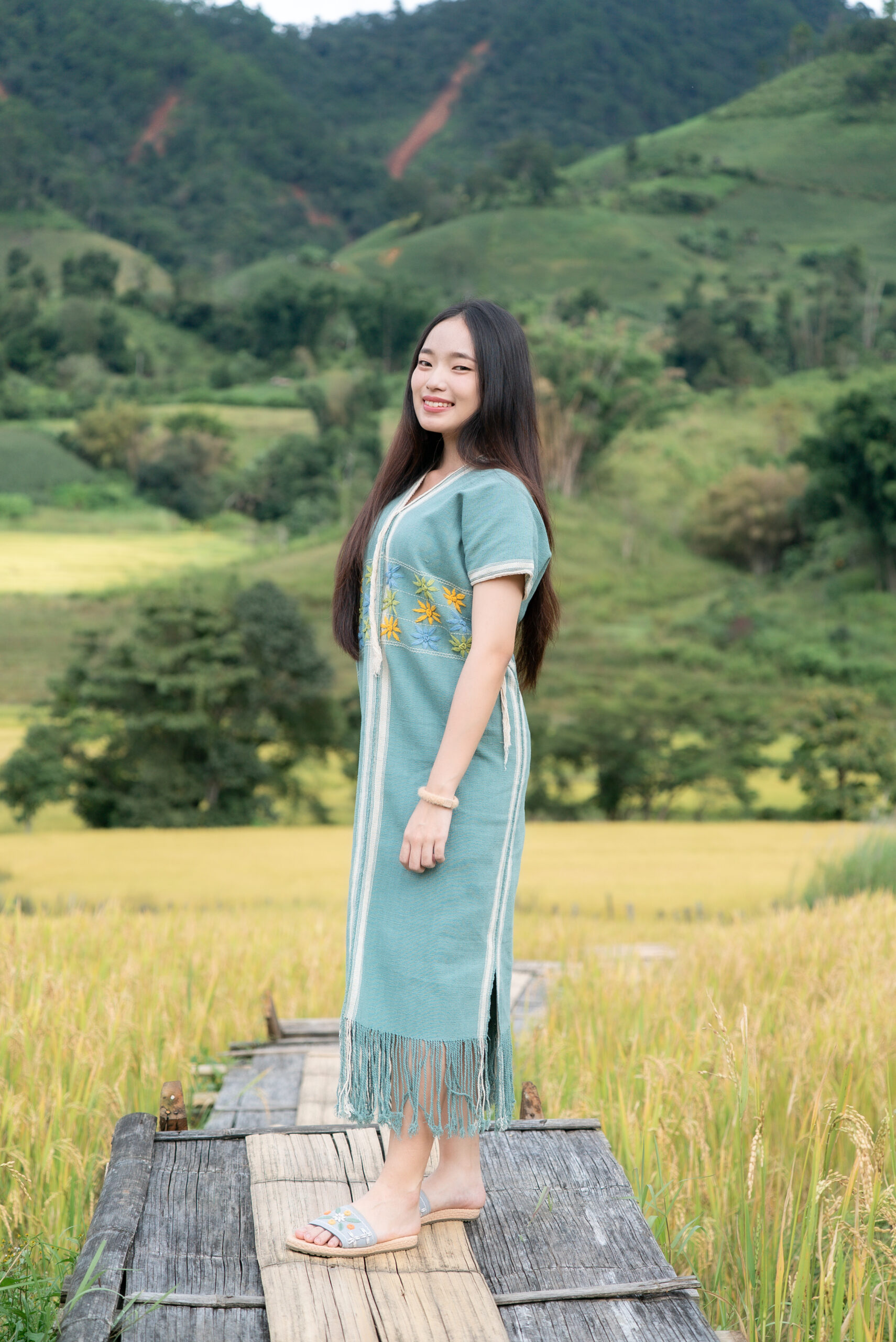
Pga K’nyau clothing can communicate the wearer’s stage of life. Traditionally, girls and unmarried women wear long white tunics. Married women change into two-piece outfits that combine darker blouses with red woven skirts.
Their garments often feature more elaborate weaving, embroidery, and Job’s tears beadwork. Meanwhile, men commonly wear shorter shirts with colored stripes and dark trousers. Styles may vary because each community has its own techniques, dialect, and design traditions. Chiang Mai University’s cultural archive explains these shared characteristics.Therefore, people within the community can “read” clothing. Color, form, and decorative details reveal more than personal taste. They also communicate identity, social roles, and responsibility.
Many Pga K’nyau garments also show similar designs on the front and back. Community interpretations connect this symmetry with honesty and trust. In other words, a person should act consistently, whether others stand in front of them or behind them.Some traditional garments also have no pockets. This detail can express openness because the wearer has nothing to hide. The Pga K’nyau Association for Sustainable Development shares these meanings from a community perspective.Consequently, the beauty of Pga K’nyau clothing comes from both appearance and purpose. Every design decision can carry a lesson about identity and daily life.
Chewa: White, Youthful, and Free
Chewa refers to the long white garment that young unmarried women traditionally wear. White represents purity, peace, simplicity, and a stage of life before marriage introduces new family responsibilities.
Compared with married women’s clothing, Chewa usually features fewer decorative elements. Nevertheless, simplicity does not reduce its value. Instead, the quiet white surface allows fine woven lines, colored threads, and delicate details to stand out.
Chewa can also symbolize youth and personal freedom. During this stage, a young woman continues to learn, grow, and explore her future.
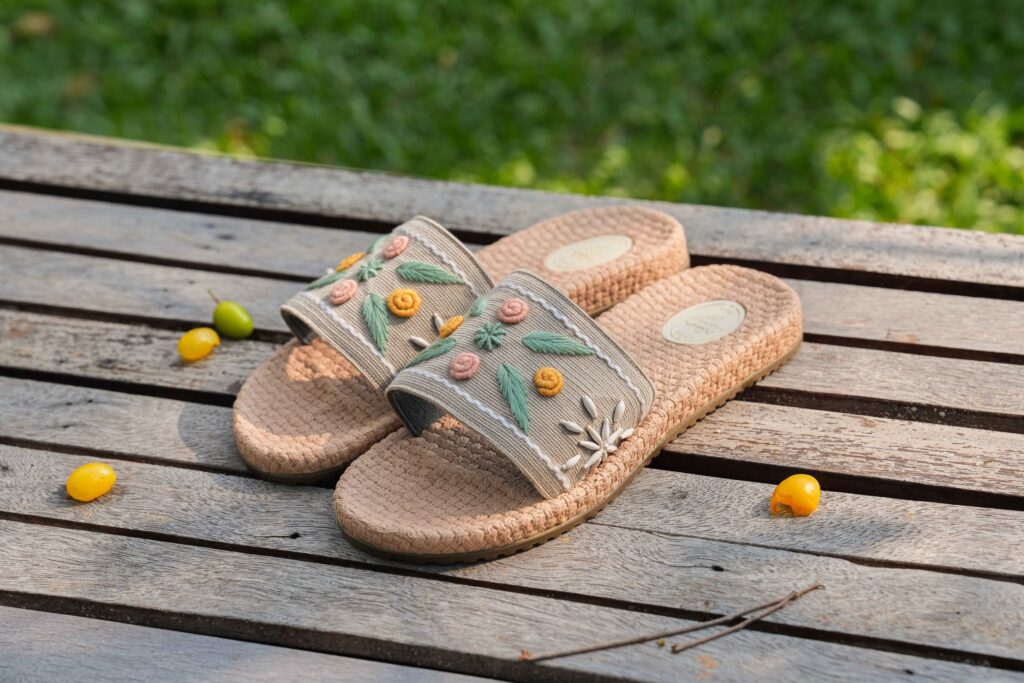
Designers who want to translate Chewa into modern handmade sandals could begin with natural white, ivory, raw cotton, and soft beige. Small red lines or naturally dyed details could create contrast without overpowering the design.
For example, sandal straps could feature white handwoven cotton with minimal geometric accents. A clean silhouette would keep the design light and easy to wear. Moreover, it would allow the texture of the handmade fabric to become the main visual feature.
This approach does not copy the complete garment. Instead, it communicates the spirit of Chewa through simplicity, freshness, and freedom.
Chesue: Patterns of Marriage and Responsibility
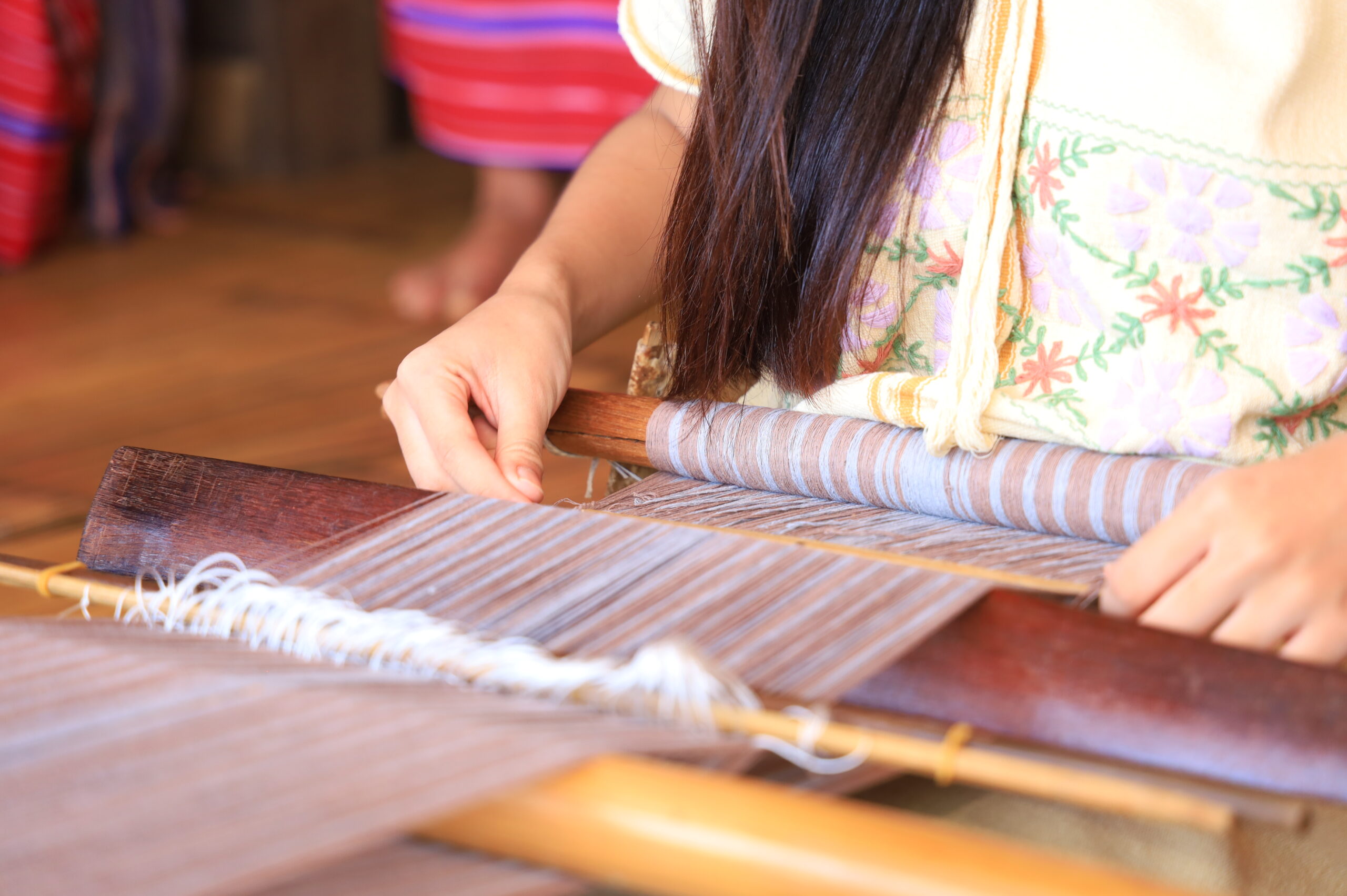
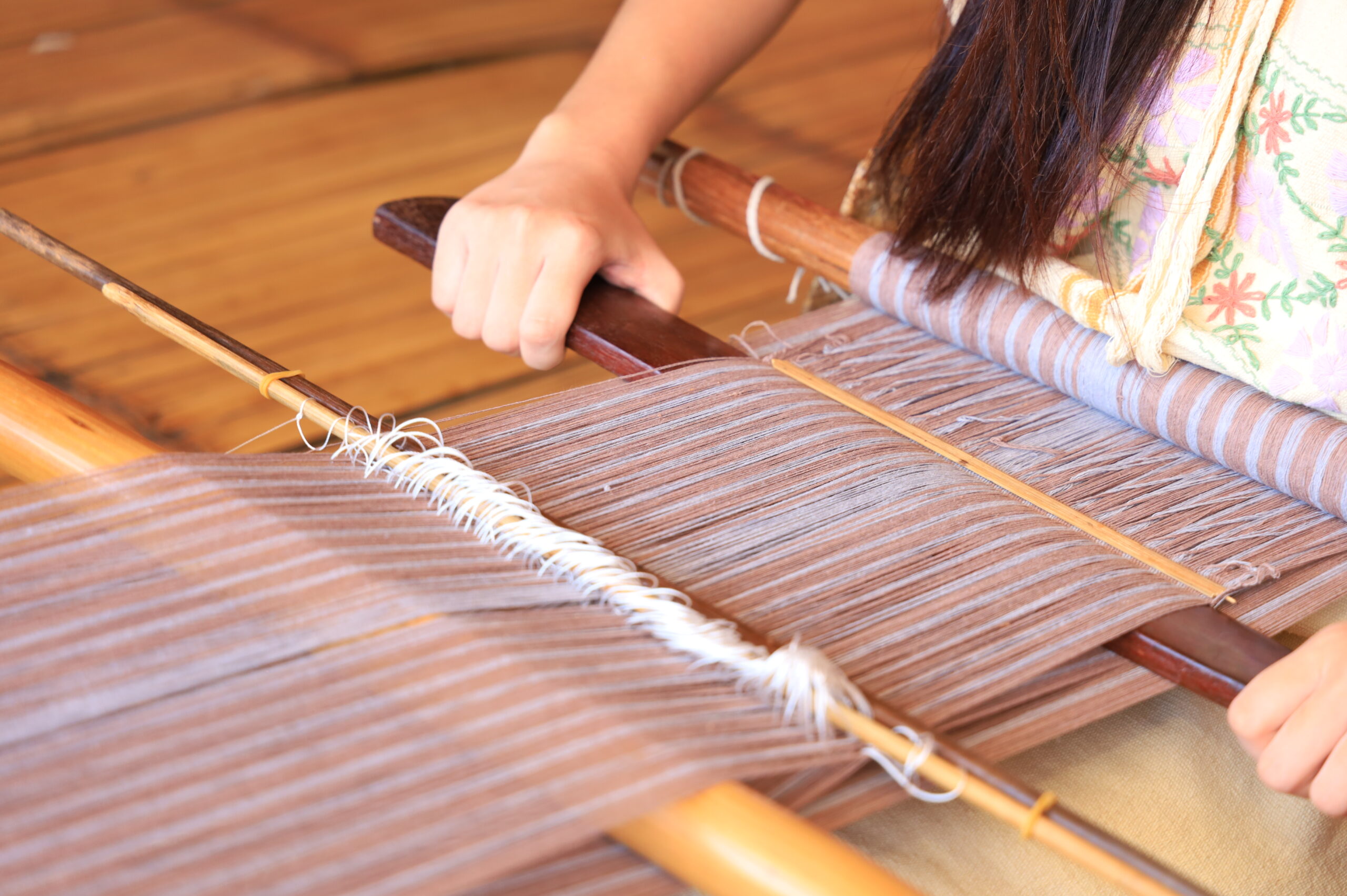
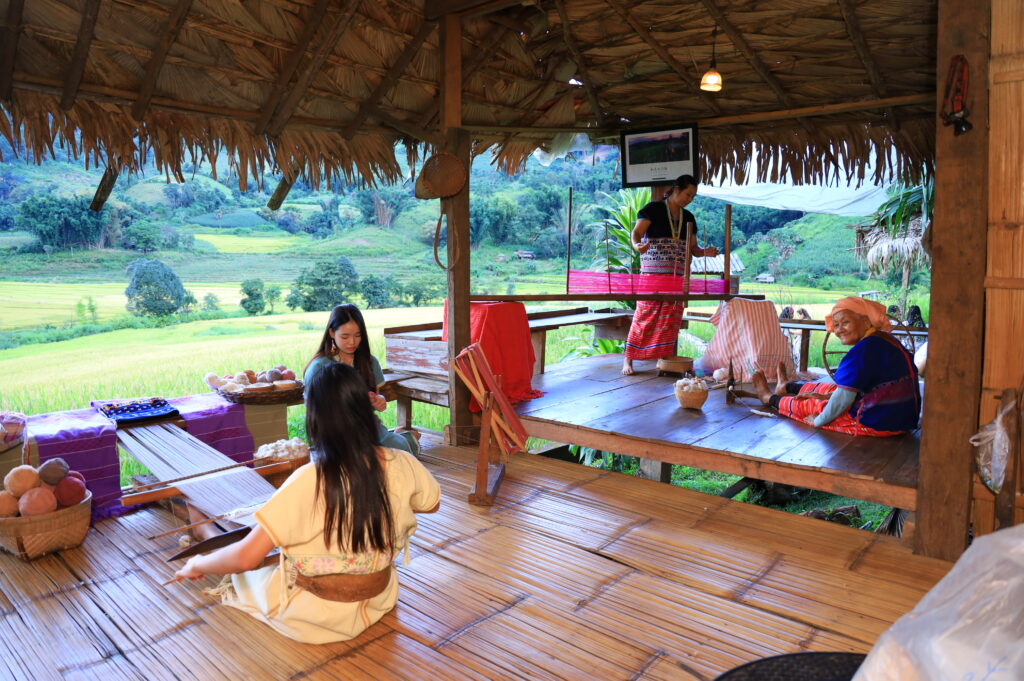
After marriage, a Pga K’nyau woman traditionally changes from Chewa into Chesue. She pairs the blouse with a woven skirt, clearly marking the beginning of a new chapter in her life.
Chesue often combines black, dark blue, or other deep colors with detailed weaving and embroidery. Artisans may also add Job’s tears beads to create texture and visual rhythm.
These details hold deeper meaning. Marriage introduces new responsibilities, so the garment becomes more complex as the wearer takes on additional family roles.
In this sense, each pattern can represent another layer of adult life. The clothing grows more detailed because life itself now includes more duties, relationships, and commitments.
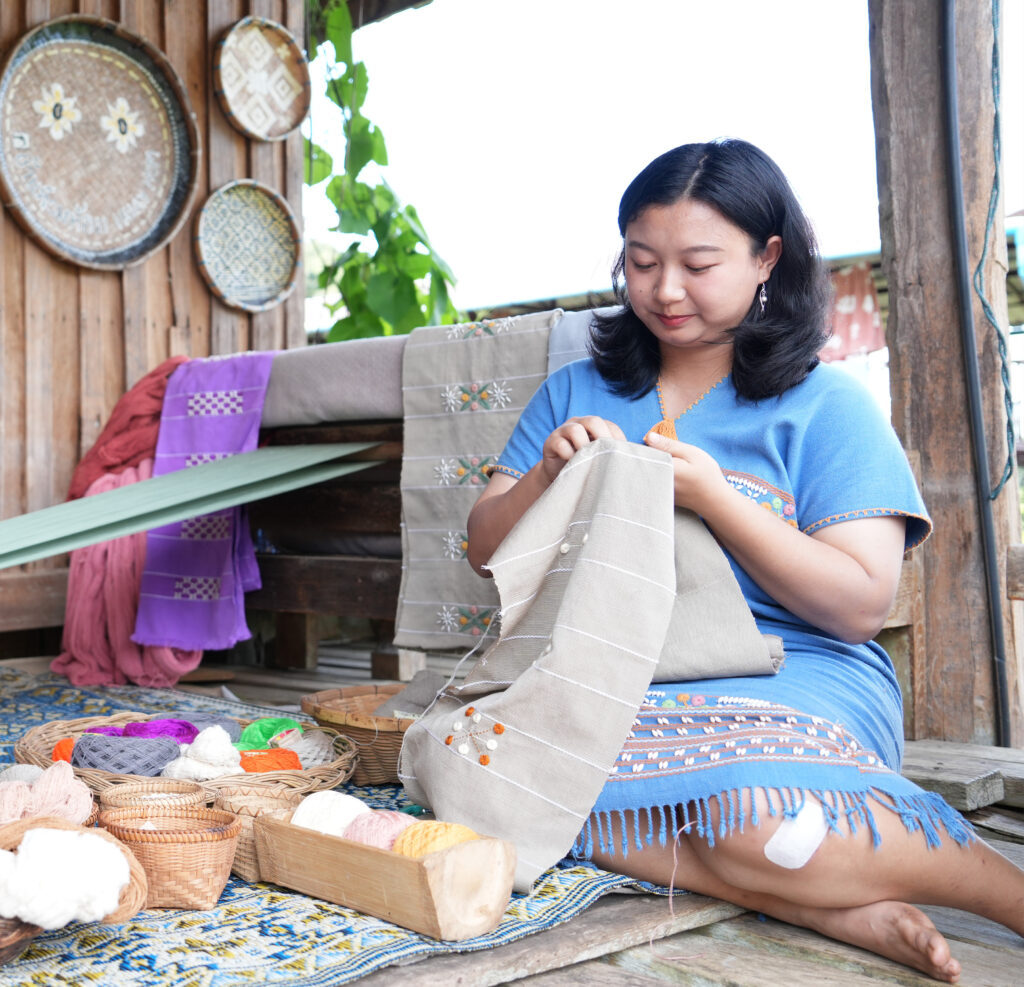
Job’s tears beadwork adds another special dimension. Artisans carefully select, prepare, and arrange each seed by hand. One seed may look simple, but many seeds together create rhythm, balance, and meaning.
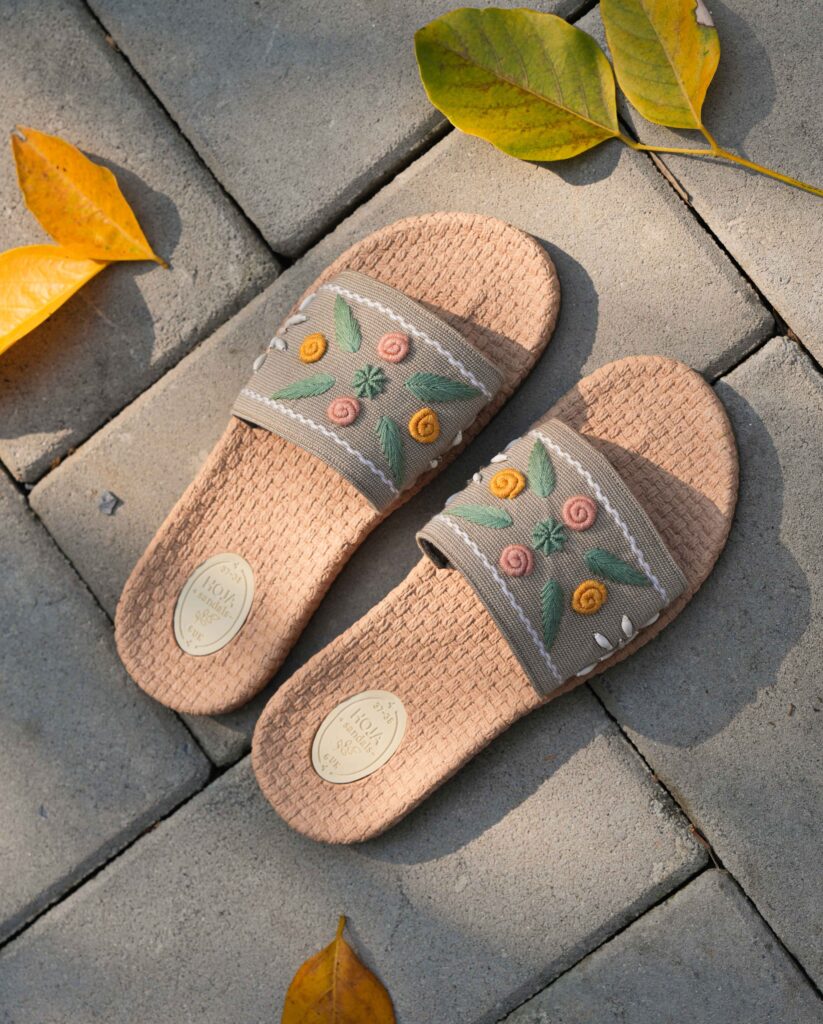
To turn the spirit of Chesue into Artistic Handmade Sandals, designers could begin with a dark woven base. Red, white, and naturally dyed lines could then introduce contrast.
Job’s tears beads could decorate the edges of the straps. However, designers must place them carefully to prevent friction against the foot. Strong stitching would also help the details withstand regular use.
The final design would offer more than decorative footwear. It would communicate maturity, stability, family, and responsibility through color and craftsmanship.
Chepola:
Energy and Another Community Role
Pga K’nyau communities may use different terms for men’s clothing. Some sources use “Che Ngo” or “Che Roh.” In this article, Chepola represents another role within the wider system of Pga K’nyau dress.
Unlike women’s clothing, men’s garments do not always change clearly before and after marriage. Boys and adult men may wear similar shirt structures. These shirts usually have shorter lengths than women’s tunics and often feature red fabric, bold stripes, or geometric bands.
Red commonly communicates strength, youthfulness, energy, and vitality. Although the garment may look simpler than Chesue, its clear lines and geometric structure offer strong potential for contemporary design.
For modern Art & Craft Sandals, designers could select one visual element instead of reproducing the whole garment. Red-and-black stripes, horizontal bands, or small geometric forms could become the main feature of a unisex design.
This method would express confidence and energy while keeping the footwear easy to style. It could also make the design suitable for people of different genders and ages.
Before using “Chepola” as a product or collection name, however, a brand should confirm its meaning with the community. Cultural respect begins with correct language.
How Can Traditional Textiles Become Modern Sandals?
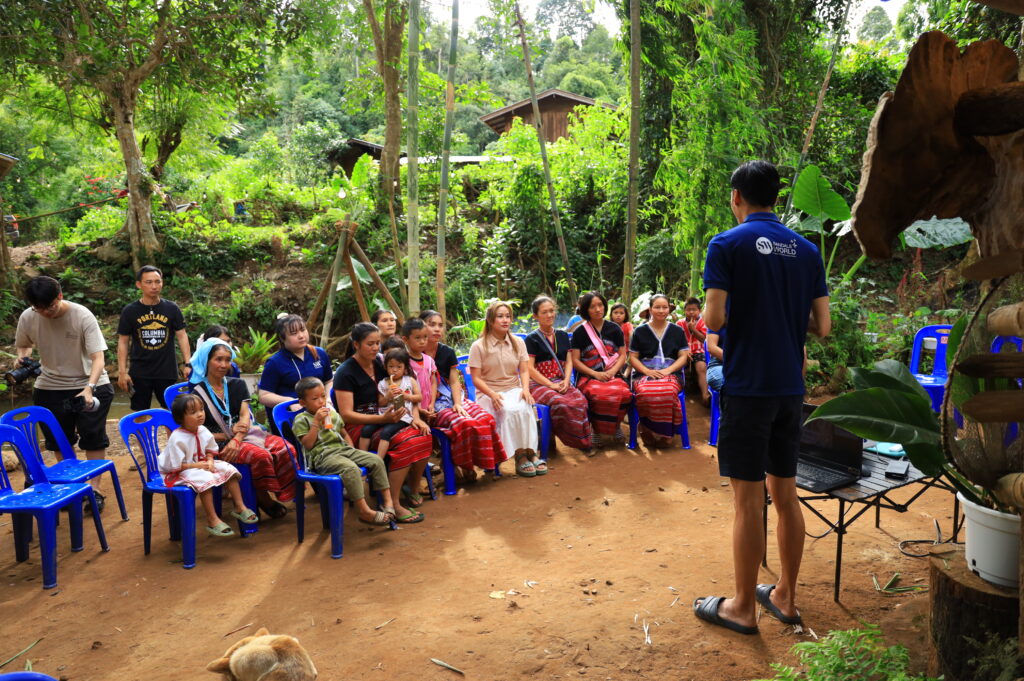
Transforming Pga K’nyau textiles into modern sandals should not begin with the question, “Which pattern will sell the most?” Instead, designers should ask, “Who created this pattern, what does it mean, and how can we develop it responsibly?” A respectful process requires research, collaboration, careful adaptation, and fair economic participation.
Understand the Pattern Before Using It
Some motifs may relate to marriage, community status, spirituality, or ceremonial traditions. Therefore, designers need to understand the meaning before selecting a pattern.
A visible pattern does not automatically become available for commercial use. The community should explain which elements can enter everyday fashion and which ones should remain within their original context.
Create With Community Artisans
Local weavers should join the creative process as design partners. They can recommend colors, explain symbols, adjust weaving techniques, and identify sensitive cultural elements.
Meanwhile, footwear designers can contribute knowledge about sizing, comfort, construction, and durability. Together, both sides can create a new product without removing the community from its own story.
This co-creation model also helps sandals world build long-term relationships instead of treating community craftsmanship as a temporary fashion trend.
Adapt the Design Instead of Copying It
A sandal strap offers much less space than a traditional garment. Therefore, designers should avoid shrinking an entire textile pattern onto the footwear.
Instead, they can select one color combination, weaving rhythm, geometric form, or embroidery technique. The community and designer can then develop that element into a new pattern.
For instance, Chewa could inspire a clean white collection. Chesue could lead to a darker design with layered details and Job’s tears beads. Meanwhile, Chepola could inspire a bold unisex style with red stripes.
4. Give Credit and Share Value Fairly
Every product should identify the artisan group or community behind the work. Product descriptions should also explain the origin of the fabric and the meaning of its inspiration.
Fair compensation must cover more than weaving and sewing. The community also contributes inherited knowledge, cultural meaning, and creative direction. Therefore, brands should recognize all forms of value.
Where Cultural Heritage Meets Everyday Comfort
Beauty can make someone stop and look. However, comfort encourages them to wear the same pair every day.
For this reason, successful Thailand sandals must balance craftsmanship with practical construction. Handwoven straps need soft inner linings to reduce friction. Designers must also finish fabric edges carefully and keep beads away from sensitive areas of the foot.
A contoured footbed can support the natural shape of the foot. In addition, Thai natural rubber can improve grip, while sugarcane-derived BIO EVA can provide lightweight cushioning.
Together, these materials connect cultural design with sustainability from the upper straps to the outsole.
This approach supports the idea of Sustainable Thai Craft Sandals. True sustainability considers comfort, durability, responsible materials, cultural respect, and artisan income at the same time.
A sandal that breaks quickly cannot support sustainability. Similarly, a brand cannot claim cultural responsibility while excluding the people who created the original knowledge.
How Sandals World Can Help Culture Move Forward
For Sandals World, a sandal can provide a small platform for a much larger story.
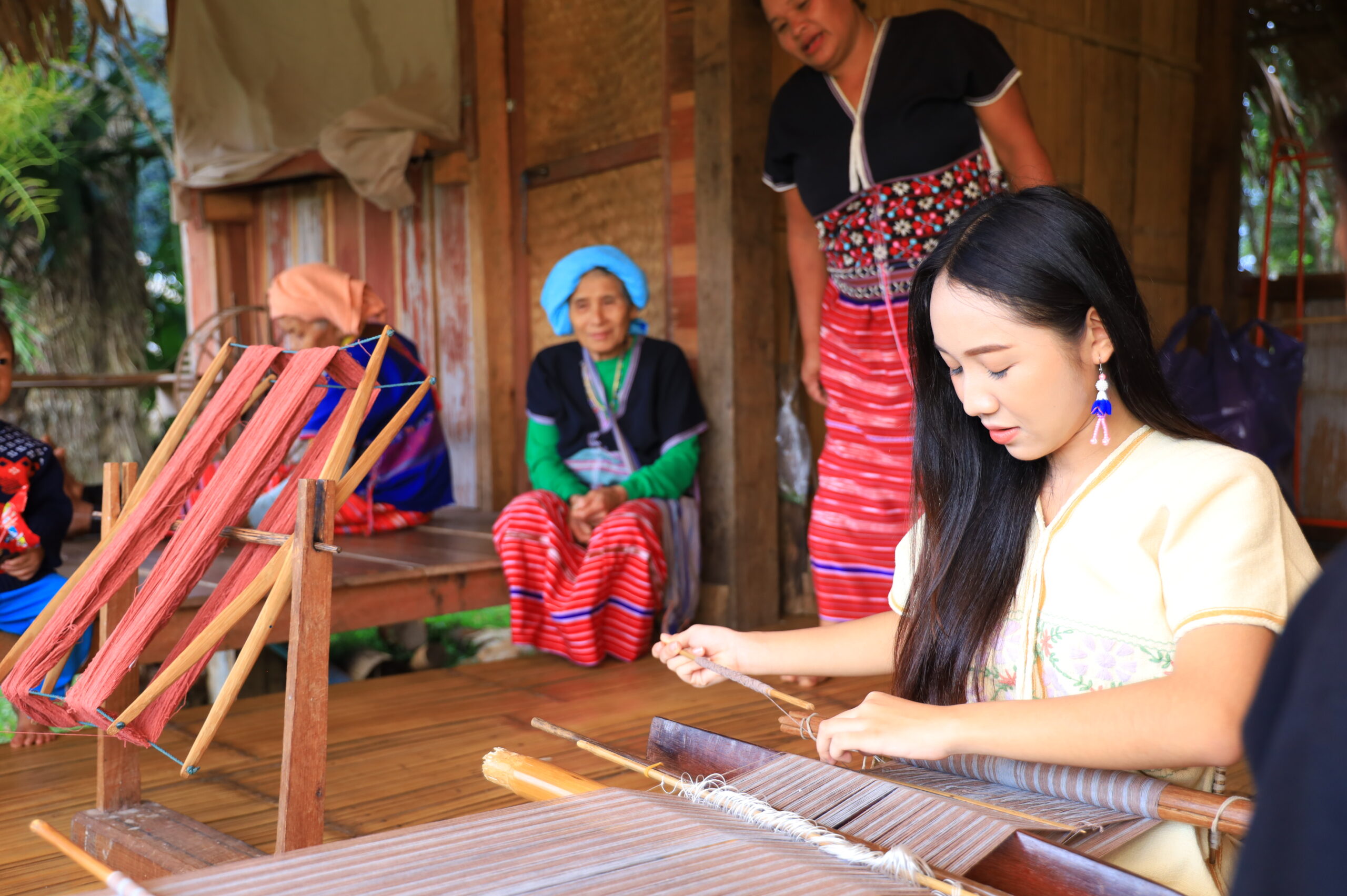
Pga K’nyau backstrap weaving, natural colors, hand embroidery, and Job’s tears beadwork can introduce new audiences to community craftsmanship from Mae Hong Son. Thoughtful footwear design can bring these techniques into everyday life while preserving their cultural origins.
Each garment can guide a different creative direction. Chewa represents freedom, lightness, and new beginnings. Chesue expresses maturity, family, and responsibility. Chepola introduces strength, energy, and another community role.
When artisans and designers work together, the final product will not simply “look ethnic.” Instead, it can become a pair of Artistic Handmade Sandals with a clear origin, genuine makers, and meaningful details.
Moreover, this process can create income for weaving groups and make traditional skills more relevant to younger generations. It can also encourage customers to learn about the people behind the products they choose.
Clothing Changes With Life, but Its Meaning Can Continue
Chewa, Chesue, and Chepola show us that clothing can record youth, marriage, family, identity, and ancestral teachings.
Nevertheless, contemporary fashion must approach cultural heritage with understanding. Designers should collaborate with communities, respect cultural boundaries, provide clear credit, and share economic value fairly.
When this happens, handmade sandals become more than beautiful products. They create a bridge between generations and help traditional weaving remain valuable in the modern world.
From garments that communicate stages of life to footwear that carries those stories forward, Pga K’nyau textiles show that culture does not need to remain still.
It can continue moving—one meaningful step at a time with Sandals World.

#Sandalsworld #รองเท้าartandcraft #รองเท้าแตะสานแฮนด์เมด #handmade #artandcraft #sandals #รองเท้าแฮนด์เมด #รองเท้าแตะใส่แล้วไม่ลื่น #รองเท้ายางพารา #ใส่ไปไหนก็ได้
บทความโดย
Sandals World | Art & Craft Sandals | Sustainable Thai Craft Sandals Tags: handmade sandals, sandals world, foot health,
Thailand sandals, artistic handmade sandals, art & craft sandals, plantar fasciitis, bunion, sustainable sandals and BIO EVA ,SW GREEN

ABOUT THE CONTENT CREATOR
BUNTHARIK INSIRI
(Content Writer)
Brand Partner News Sustainability Knowledge & Insights Sandals World News Community Brand Stories Travel & Destinations Events
Halloween in Chiang Mai: Too Many Beautiful Sandals to Choose From! Discover CMP Handmade Sandals
Views: 5 Spooky Season, Stylish Steps! What’s scarier than ghosts this Halloween? Finding so many [...]
Oct

BIO EVA: From Sugarcane to Every Step A New Chapter in Handmade Sandals
Views: 5 When we think of sugarcane, we often imagine sugar, sweet drinks, or agricultural [...]
Oct
Witheechon x SW GREEN: Bringing Thai Cultural Heritage into the Modern World Through Sandals World’s Three Pillars
Views: 9 Before a pair of sandals begins its journey, have you ever wondered about [...]
Oct

Milala Handmade Featured on PChome Taiwan: Thai Craftsmanship Heads to STRIKE ROCK FESTIVAL 2026
Views: 16 From carefully tied knots and handcrafted sandals to recognition in Taiwanese media, Milala [...]
Oct

Recycling Is No Longer Enough: How Europe’s Circular Fashion Movement Is Changing the Future of Fashion
Views: 14 Europe discards approximately five million tonnes of clothing every year, yet only around [...]
Oct

How Much Can One Tourist Contribute to a Local Community? Thailand’s Shift Beyond Visitor Numbers
Views: 21 How Much Does One Tourist Contribute to a Local Community? Thailand’s Tourism Economy [...]
Oct

BIO EVA: A Material Transition for Handmade Sandals
Views: 36 Material Transition A Thoughtful Shift Toward More Responsible Materials Can a pair of [...]
Oct

Milala Handmade Mini Heart Collection: A Small Heart with a Big Journey to Tainan
Views: 19 Big journeys do not always begin with something loud or dramatic. Sometimes, they [...]
Oct
SANDALS WORLD GUIDE

Artistic Handmade Sandals
BY
SANDALS WORLD THAILAND
The Largest Hub
of Artistic Handmade Sandals in Thailand.