

Brand Stories
A Greener World Begins with Materials: How to Make Truly Sustainable Choices

Jul
A greener world does not begin by turning everything green. Nor does it end when a brand prints the words “eco-friendly” on its packaging. Behind every product lies a much larger story involving raw materials, manufacturing, transportation, daily use, and what happens after the product is no longer needed.
The clothes we wear, the bags we carry, and even the sandals beneath our feet all begin with material choices. Therefore, if we genuinely want to protect the planet, we should ask more than whether a product looks sustainable.
Where did its materials come from? How was it produced? How long will it last? Most importantly, what will happen to it at the end of its life?
The more we understand materials, the better our decisions become. After all, true sustainability is not based on appearance or emotion alone. It grows from reliable information, transparent sourcing, thoughtful design, and a clear understanding of a product’s entire life cycle.

The Environmental Crisis Begins Before a Product Becomes Waste
Most people notice environmental problems when they see overflowing landfills, plastic waste in the ocean, or rubbish scattered across natural areas. However, a large part of a product’s environmental impact occurs long before it reaches the consumer.
According to UNEP’s Global Resources Outlook 2024, worldwide resource use increased from approximately 30 billion tonnes in 1970 to 106 billion tonnes today. If current production and consumption patterns continue, material extraction could rise by another 60% by 2060.
Moreover, the extraction and processing of natural resources account for more than 60% of global greenhouse gas emissions. Biomass production from agriculture and forestry is also associated with land-related biodiversity loss and water stress. UNEP: Global Resources Outlook 2024
Therefore, environmental damage does not begin when we throw something away. It begins when raw materials are taken from nature.
Material selection is consequently one of the most important parts of sustainability. Better choices can reduce environmental impacts at the beginning of a product’s journey instead of waiting to manage the damage at the end.
What Makes a Material Sustainable?
There is no single definition that makes one material perfect for every product. Each material comes with its own benefits, limitations, and environmental trade-offs.
Generally, a sustainable material should use resources efficiently and come from a traceable, responsibly managed source. Its production should also minimise unnecessary energy, water, hazardous chemicals, and waste.
However, the material itself is only one part of the story. The finished product should be safe, durable, comfortable, and suitable for regular use. Ideally, it should also be repairable, reusable, recyclable, or designed so that its components can be separated at the end of its life.
For example, a product made from natural materials may appear environmentally friendly. Yet, if it breaks quickly and needs frequent replacement, its total impact may be higher than that of a longer-lasting product made from a different material.
As a result, we should not judge sustainability from a single word on a label. Instead, we need to look at the complete system behind the product.
Natural Does Not Always Mean Sustainable
Natural materials often feel warm, safe, and closely connected to the environment. Nevertheless, the word “natural” does not guarantee that a material was produced responsibly.
Natural rubber is a good example. It is a renewable resource collected from rubber trees and can reduce dependence on some petroleum-based materials. Thailand is also one of the world’s major natural rubber producers. Therefore, using Thai rubber can create value for local agriculture and support domestic supply chains.
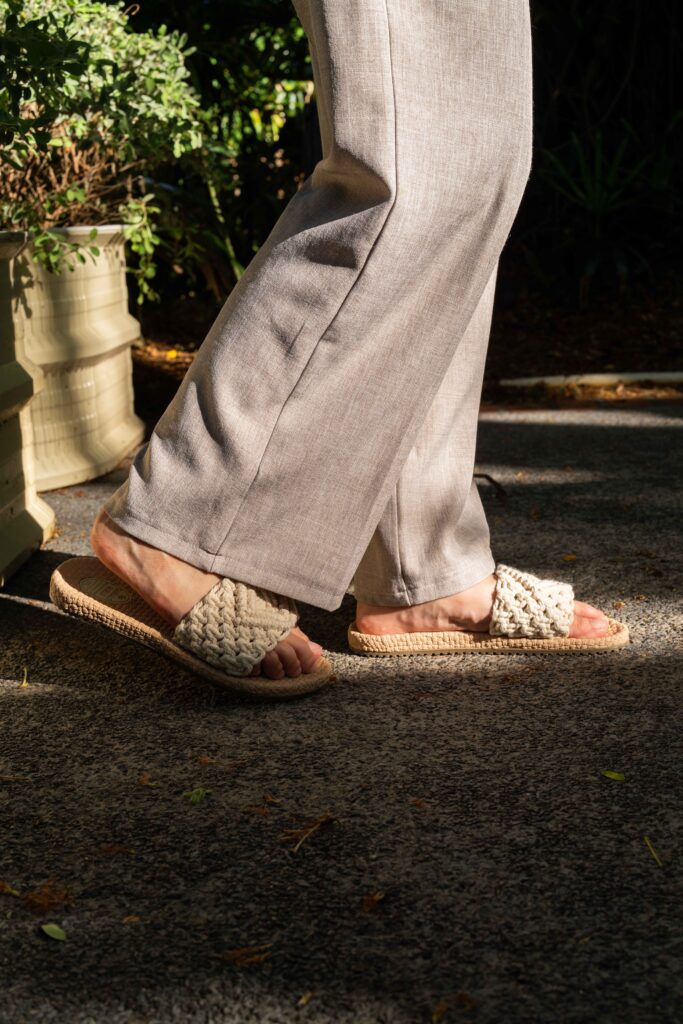
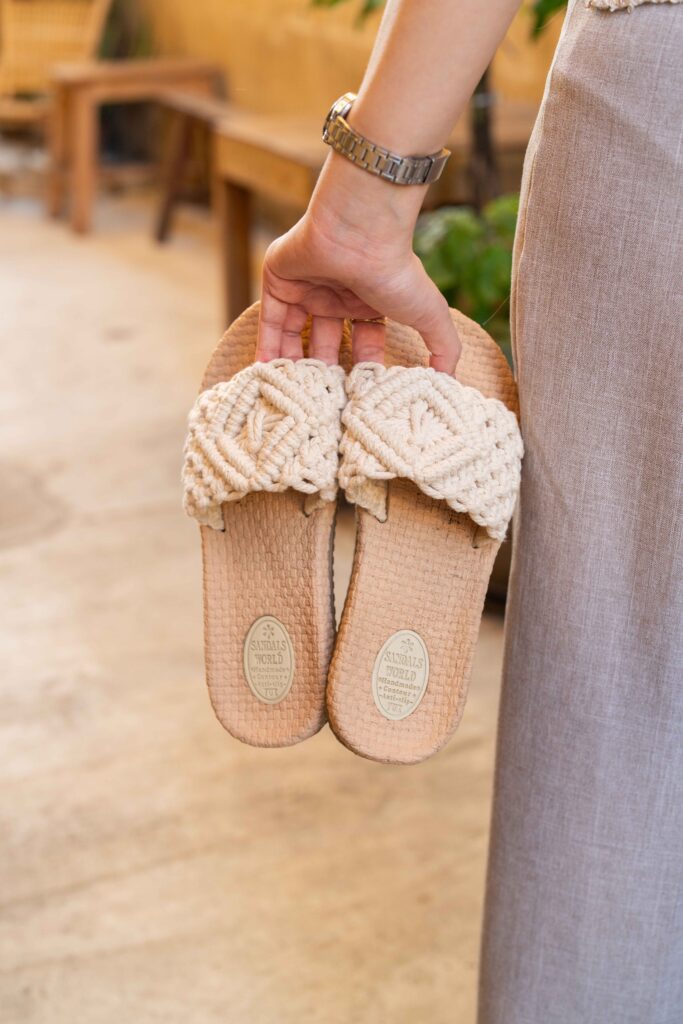
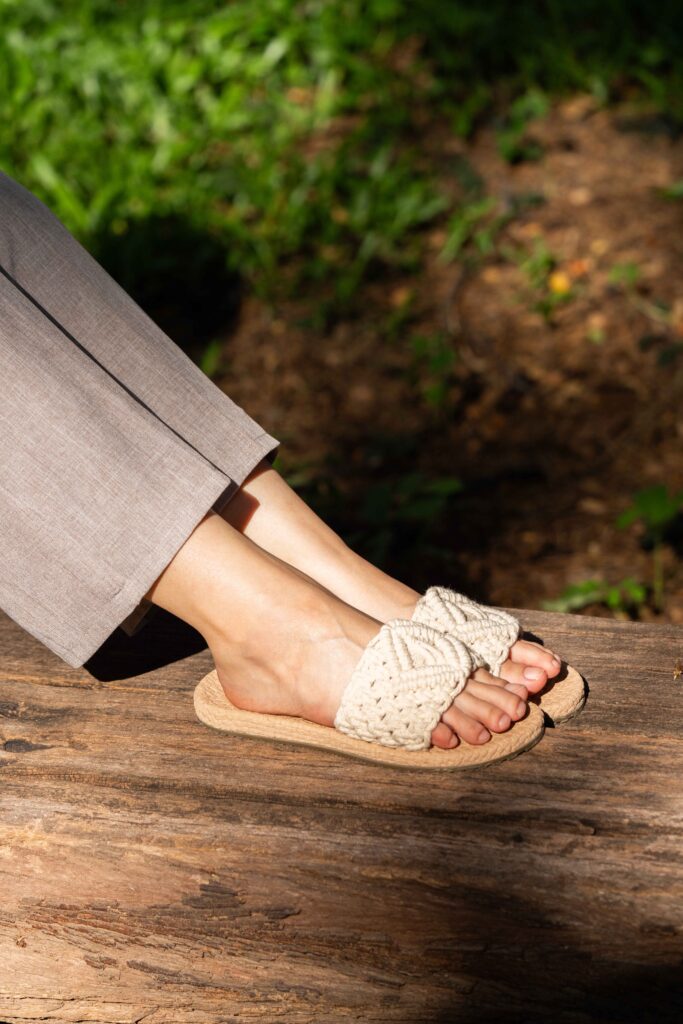
However, natural rubber may still cause environmental and social problems if its production involves deforestation, excessive chemical use, biodiversity loss, or unfair labour conditions.
The Forest Stewardship Council explains that natural rubber becomes a more responsible choice when it comes from transparent sources that protect forests, biodiversity, smallholders, and local communities. FSC: Natural Rubber
The same principle applies to cotton, leather, wood, plant fibres, and other natural materials. We should look beyond what a material is called and examine how it was grown, harvested, processed, and transported.
In other words, responsible sourcing matters just as much as natural origin.
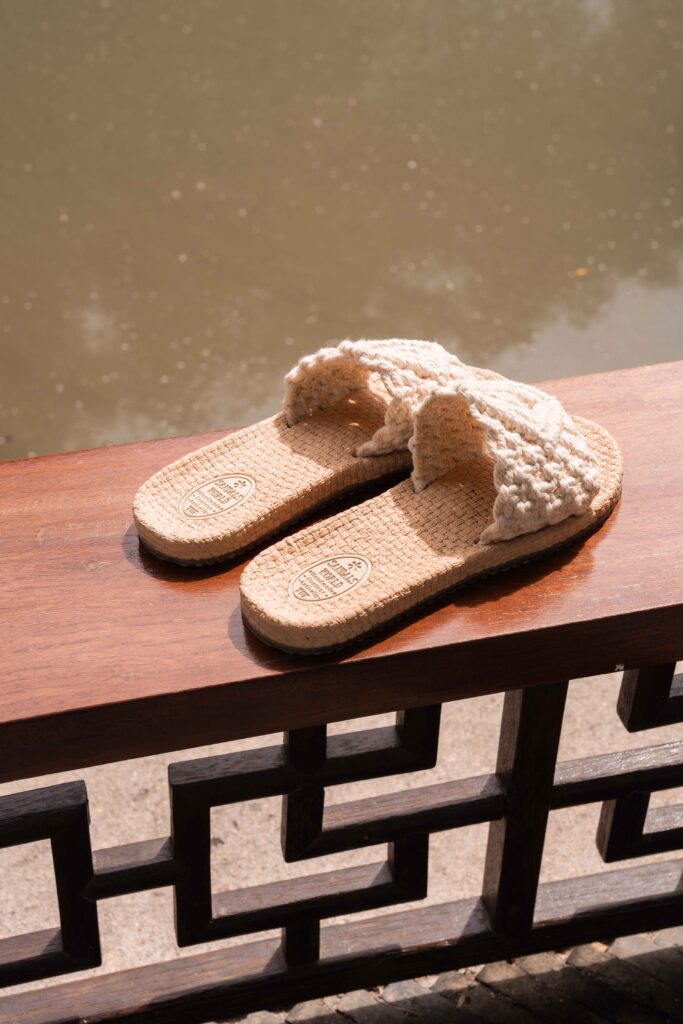
Bio-Based Does Not Automatically Mean Biodegradable
Bio-based materials are becoming increasingly popular in fashion, packaging, and footwear. These materials are produced fully or partly from biological resources such as sugarcane, corn, cassava, or agricultural by-products.
Because they can replace a portion of fossil-based feedstocks, bio-based materials may contribute to a lower dependence on petroleum. However, “bio-based” and “biodegradable” do not mean the same thing.
The European Commission explains that some bio-based plastics have chemical structures similar to conventional plastics. Therefore, they may not biodegrade in soil, home compost, or the natural environment. Their overall impact must still be assessed across the full life cycle, including agricultural production, land use, manufacturing, transportation, and end-of-life management. European Commission: Bio-Based, Biodegradable and Compostable Plastics
These terms have different meanings:
- Bio-based materials are produced fully or partly from biological resources.
- Biodegradable materials break down under specific biological conditions.
- Compostable materials meet defined standards for decomposition in a composting system, which may require an industrial facility.
- Recycled materials are produced using recovered waste or previously used resources.
- Recyclable materials can potentially enter a recycling process when a suitable collection and processing system exists.
Therefore, if a product uses sugarcane-based material, a brand may explain that it replaces part of its fossil-based feedstock with a renewable biological source. However, it should not claim that the product is biodegradable unless proper testing and certification support that statement.
True Sustainability Requires Life-Cycle Thinking
In 2025, the European Union introduced new Product Environmental Footprint Category Rules for clothing and footwear. These rules assess environmental impacts across the entire product life cycle—from raw material extraction and manufacturing to transportation, use, and end-of-life management.
Importantly, the method does not automatically favour natural, synthetic, or recycled materials. Instead, it applies the same science-based assessment to every material category. European Commission: Environmental Impact of Clothes and Shoes
This approach is known as life-cycle thinking. It helps prevent businesses from solving one environmental problem while accidentally creating another.
For instance, a plant-based material may reduce fossil resource use but require land, water, fertiliser, and energy during cultivation. Meanwhile, recycled material can reduce demand for virgin resources, yet the recycling process may still consume heat, electricity, or chemicals.
Before selecting a product or developing a new one, we should ask five important questions:
- Where did the raw materials come from, and can they be traced?
- How much energy, water, and chemicals were used during production?
- Is the finished product durable and suitable for long-term use?
- Can it be repaired, reused, separated, or recycled?
- Does a practical collection or waste-management system exist at its end of life?
These questions reveal whether a product genuinely reduces environmental impact or simply uses sustainability as a marketing image.
“Made to Last” Can Be More Important Than “Made to Look Green”
Durability is one of the most important yet frequently overlooked parts of sustainable design, especially in the footwear industry.
Imagine a pair of sandals produced with recycled material that breaks after only a few uses. The customer must quickly purchase another pair, which requires more materials, manufacturing, packaging, and transportation.
In contrast, well-designed footwear that remains comfortable and reliable for years can slow consumption and reduce the need for constant replacement.
For this reason, the EU Ecolabel criteria for footwear cover more than raw material selection. They also consider responsible sourcing, pollution reduction, restricted hazardous substances, and product durability testing. European Commission: EU Ecolabel for Footwear
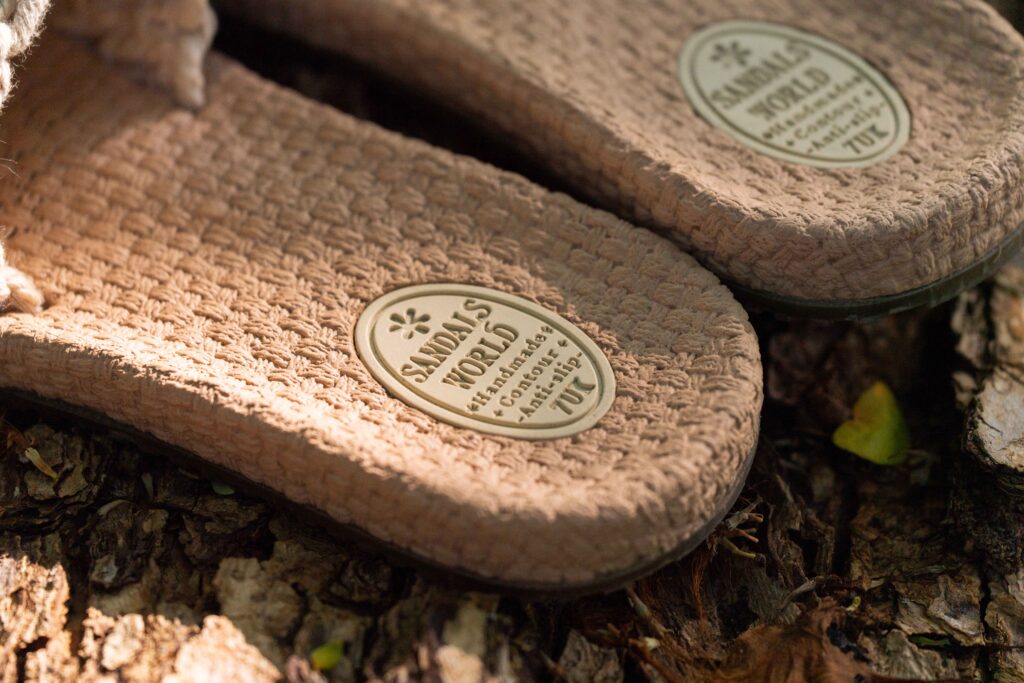
For handmade sandals, durability can also come from careful construction. Skilled makers can closely control knotting, stitching, weaving, and assembly. Moreover, thoughtful product design can improve comfort, fit, and everyday performance.
A sustainable product should not only contain better materials. It should also be something people genuinely want to use for a long time.
Handmade Is About More Than Beauty
The word handmade often brings to mind individuality, artistic details, and designs that do not look identical to mass-produced goods. However, handmade production can also create cultural, social, and environmental value.
Macramé knotting, crochet, embroidery, traditional weaving, and community-inspired patterns preserve skills passed from one generation to another. At the same time, local production can create income for artisans and distribute economic opportunities beyond large industrial factories.
When customers understand who made a product, where its design originated, and how much time went into each detail, the product gains emotional value. As a result, people may feel more connected to it, take better care of it, and keep it for longer.
For this reason, Artistic Handmade Sandals and Art & Craft Sandals can represent more than seasonal fashion. They can become wearable stories that connect creativity, culture, communities, and responsible material choices.
From Local Resources to Sustainable Thai Craft Sandals
Thailand has a unique advantage in sustainable footwear because the country possesses both valuable natural resources and a rich heritage of craftsmanship.
Thai artisans work with natural rubber, local fabrics, ropes, plant fibres, handwoven textiles, embroidery, and regional decorative techniques. Each community also brings its own cultural identity, colour combinations, textures, and patterns.
Therefore, Thailand sandals have the potential to become more than practical footwear or tourist souvenirs. When local materials meet contemporary design and transparent production, Thai sandals can represent a new direction for meaningful and responsible fashion.
The idea of Sustainable Thai Craft Sandals brings several elements together: thoughtfully selected materials, genuine craftsmanship, cultural storytelling, everyday comfort, product durability, and fair opportunities for local makers.
When these elements work as one system, a pair of sandals offers more than style. It communicates the origin of its materials, the hands behind its construction, and a commitment to using resources more carefully.
How Sandals World Turns Materials into Meaning
For Sandals World, creating a greener future means connecting design, materials, comfort, and community.
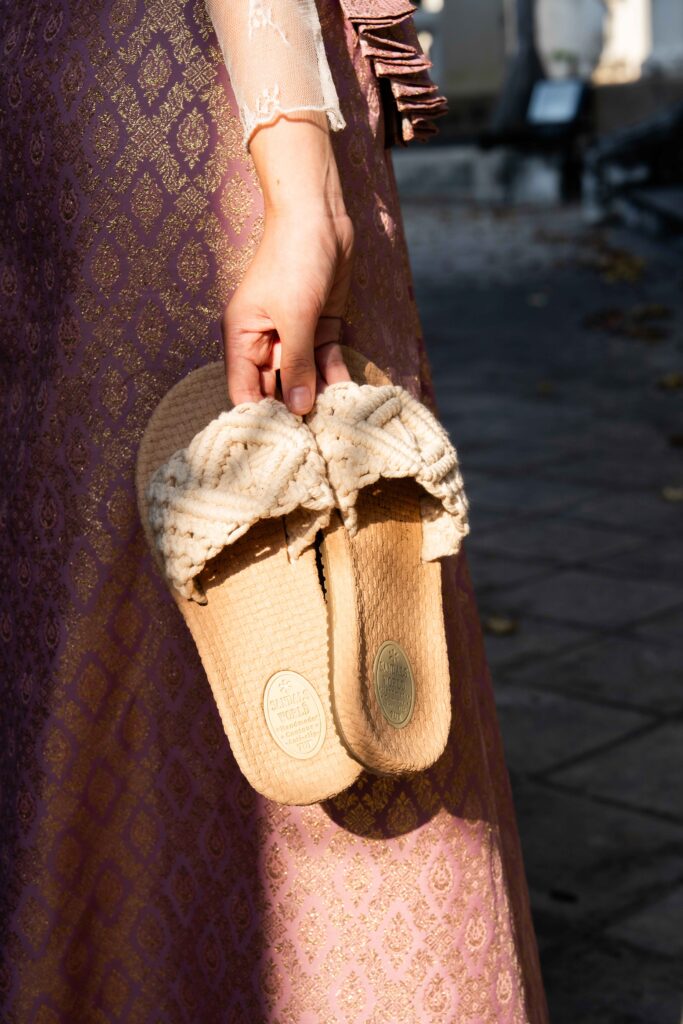
First, the designs celebrate diverse forms of Thai craftsmanship. Macramé, crochet, handwoven details, and patterns inspired by local communities give each pair of handmade sandals a recognisable identity. These details also make every product feel more personal and meaningful to the wearer.
Second, Sandals World highlights materials connected to Thailand. Natural rubber outsoles use one of the country’s important agricultural resources while offering practical grip and durability. Meanwhile, BIO EVA SW GREEN incorporates sugarcane-derived feedstock into EVA foam, replacing part of the conventional fossil-based input with a biological source.
Nevertheless, material selection alone cannot make a product fully sustainable. Comfort and long-term usability matter as well. Therefore, contoured footbeds are designed to support the shape of the foot, while natural rubber outsoles help provide traction for everyday movement.
When a pair feels comfortable, matches different outfits, and performs well in daily life, people are more likely to wear it frequently and keep it for longer.


From Local Resources to Sustainable Thai Craft Sandals
Thailand has a unique advantage in sustainable footwear because the country possesses both valuable natural resources and a rich heritage of craftsmanship.
Thai artisans work with natural rubber, local fabrics, ropes, plant fibres, handwoven textiles, embroidery, and regional decorative techniques. Each community also brings its own cultural identity, colour combinations, textures, and patterns.
Therefore, Thailand sandals have the potential to become more than practical footwear or tourist souvenirs. When local materials meet contemporary design and transparent production, Thai sandals can represent a new direction for meaningful and responsible fashion.
The idea of Sustainable Thai Craft Sandals brings several elements together: thoughtfully selected materials, genuine craftsmanship, cultural storytelling, everyday comfort, product durability, and fair opportunities for local makers.
When these elements work as one system, a pair of sandals offers more than style. It communicates the origin of its materials, the hands behind its construction, and a commitment to using resources more carefully.
How Sandals World Turns Materials into Meaning
For Sandals World, creating a greener future means connecting design, materials, comfort, and community.
First, the designs celebrate diverse forms of Thai craftsmanship. Macramé, crochet, handwoven details, and patterns inspired by local communities give each pair of handmade sandals a recognisable identity. These details also make every product feel more personal and meaningful to the wearer.
Second, Sandals World highlights materials connected to Thailand. Natural rubber outsoles use one of the country’s important agricultural resources while offering practical grip and durability. Meanwhile, BIO EVA SW GREEN incorporates sugarcane-derived feedstock into EVA foam, replacing part of the conventional fossil-based input with a biological source.
Nevertheless, material selection alone cannot make a product fully sustainable. Comfort and long-term usability matter as well. Therefore, contoured footbeds are designed to support the shape of the foot, while natural rubber outsoles help provide traction for everyday movement.
When a pair feels comfortable, matches different outfits, and performs well in daily life, people are more likely to wear it frequently and keep it for longer.
For this reason, Artistic Handmade Sandals and Art & Craft Sandals can represent more than seasonal fashion. They can become wearable stories that connect creativity, culture, communities, and responsible material choices.

How Sandals World Turns Materials into Meaning
For Sandals World, creating a greener future means connecting design, materials, comfort, and community.
First, the designs celebrate diverse forms of Thai craftsmanship. Macramé, crochet, handwoven details, and patterns inspired by local communities give each pair of handmade sandals a recognisable identity. These details also make every product feel more personal and meaningful to the wearer.
Second, Sandals World highlights materials connected to Thailand. Natural rubber outsoles use one of the country’s important agricultural resources while offering practical grip and durability. Meanwhile, BIO EVA SW GREEN incorporates sugarcane-derived feedstock into EVA foam, replacing part of the conventional fossil-based input with a biological source.
Nevertheless, material selection alone cannot make a product fully sustainable. Comfort and long-term usability matter as well. Therefore, contoured footbeds are designed to support the shape of the foot, while natural rubber outsoles help provide traction for everyday movement.
When a pair feels comfortable, matches different outfits, and performs well in daily life, people are more likely to wear it frequently and keep it for longer.
For this reason, Artistic Handmade Sandals and Art & Craft Sandals can represent more than seasonal fashion. They can become wearable stories that connect creativity, culture, communities, and responsible material choices.
Every Step Is a Choice About the Future
No single material is perfect for every application. Natural materials may carry sourcing risks. Bio-based materials may not biodegrade. Meanwhile, recycled materials can lose quality after repeated processing.
Even so, we can always choose a more responsible direction. We can use fewer resources, support durable products, value genuine craftsmanship, and consider the full journey of everything we buy.
For Sandals World, Sustainable Thai Craft Sandals do not represent a claim that one pair of footwear can solve every environmental problem. Instead, they represent continued progress—through local materials, community craftsmanship, practical comfort, thoughtful design, and longer product life.
A greener world is not created by marketing words. It grows from small, informed decisions made consistently.
Sometimes, one of those decisions begins with the materials beneath our feet and continues with every step we take.

#Sandalsworld #รองเท้าartandcraft #รองเท้าแตะสานแฮนด์เมด #handmade #artandcraft #sandals #รองเท้าแฮนด์เมด #รองเท้าแตะใส่แล้วไม่ลื่น #รองเท้ายางพารา #ใส่ไปไหนก็ได้
บทความโดย
Sandals World | Art & Craft Sandals | Sustainable Thai Craft Sandals Tags: handmade sandals, sandals world, foot health,
Thailand sandals, artistic handmade sandals, art & craft sandals, plantar fasciitis, bunion, sustainable sandals and BIO EVA ,SW GREEN

ABOUT THE CONTENT CREATOR
BUNTHARIK INSIRI
(Content Writer)
Brand Partner News Sustainability Knowledge & Insights Sandals World News Community Brand Stories Travel & Destinations Events
Halloween in Chiang Mai: Too Many Beautiful Sandals to Choose From! Discover CMP Handmade Sandals
Views: 5 Spooky Season, Stylish Steps! What’s scarier than ghosts this Halloween? Finding so many [...]
Oct

BIO EVA: From Sugarcane to Every Step A New Chapter in Handmade Sandals
Views: 5 When we think of sugarcane, we often imagine sugar, sweet drinks, or agricultural [...]
Oct

Witheechon x SW GREEN: Bringing Thai Cultural Heritage into the Modern World Through Sandals World’s Three Pillars
Views: 8 Before a pair of sandals begins its journey, have you ever wondered about [...]
Oct

Milala Handmade Featured on PChome Taiwan: Thai Craftsmanship Heads to STRIKE ROCK FESTIVAL 2026
Views: 15 From carefully tied knots and handcrafted sandals to recognition in Taiwanese media, Milala [...]
Oct

Recycling Is No Longer Enough: How Europe’s Circular Fashion Movement Is Changing the Future of Fashion
Views: 13 Europe discards approximately five million tonnes of clothing every year, yet only around [...]
Oct

How Much Can One Tourist Contribute to a Local Community? Thailand’s Shift Beyond Visitor Numbers
Views: 20 How Much Does One Tourist Contribute to a Local Community? Thailand’s Tourism Economy [...]
Oct

BIO EVA: A Material Transition for Handmade Sandals
Views: 32 Material Transition A Thoughtful Shift Toward More Responsible Materials Can a pair of [...]
Oct

Milala Handmade Mini Heart Collection: A Small Heart with a Big Journey to Tainan
Views: 18 Big journeys do not always begin with something loud or dramatic. Sometimes, they [...]
Oct
SANDALS WORLD GUIDE


Artistic Handmade Sandals
BY
SANDALS WORLD THAILAND
The Largest Hub
of Artistic Handmade Sandals in Thailand.