

Brand Stories
BIO EVA: From Sugarcane to Every Step A New Chapter in Handmade Sandals

Oct
When we think of sugarcane, we often imagine sugar, sweet drinks, or agricultural products. But what if this familiar plant could also become part of the materials used to make the sandals we wear every day?
This is where BIO EVA comes in.
BIO EVA is a foam material that can incorporate renewable, plant-derived raw materials, such as sugarcane, to partially replace conventional fossil-based ingredients.
For Sandals World, this material represents more than an innovation. It marks a new chapter in our journey toward more responsible material choices.
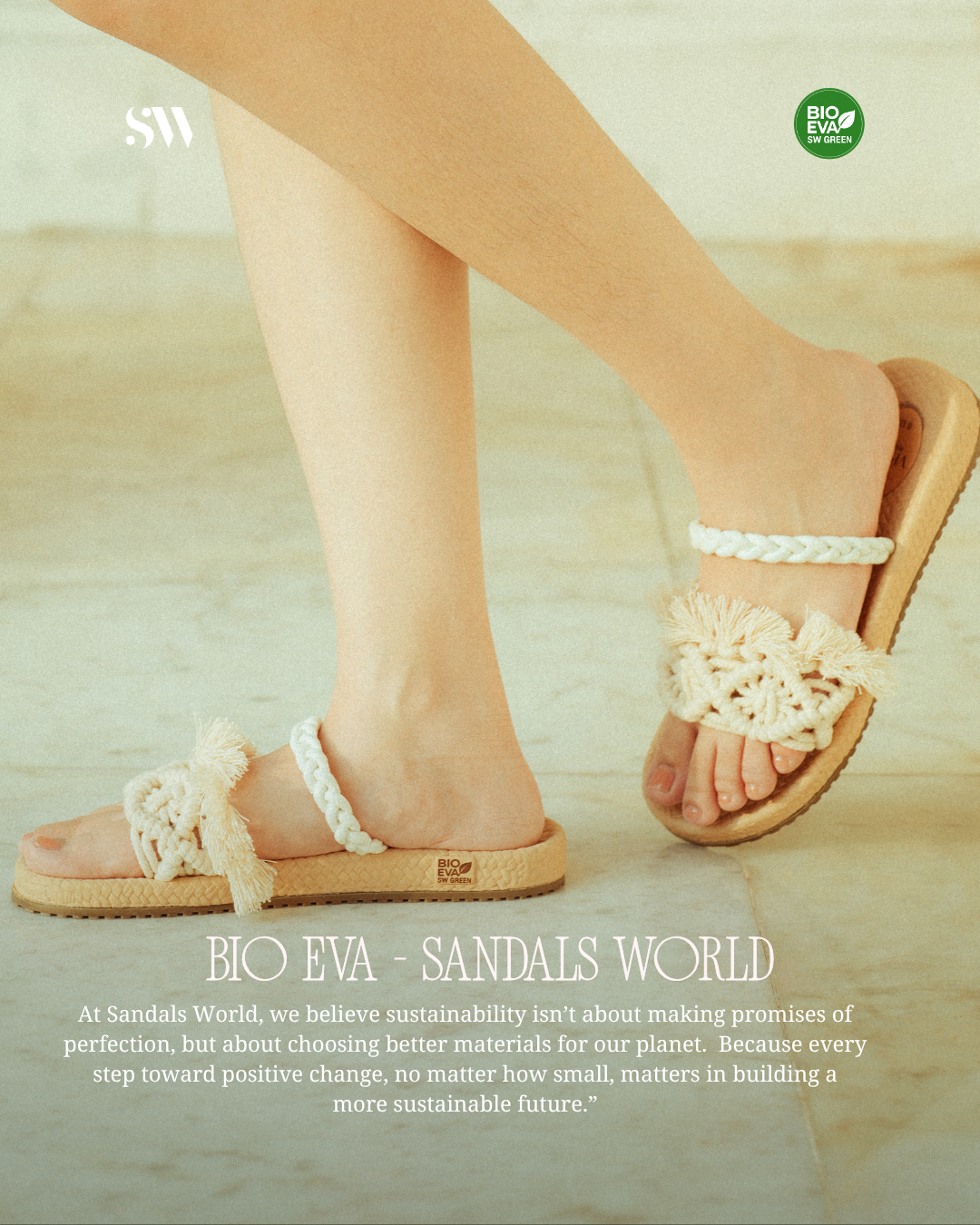
Sandals World has already begun introducing BIO EVA foam soles into its handmade sandals, starting with a collection from VPADA. This first step reflects our commitment to connecting modern materials with Thai craftsmanship, creative design, and sustainability.
What Is BIO EVA, and Why Is Sugarcane Important?
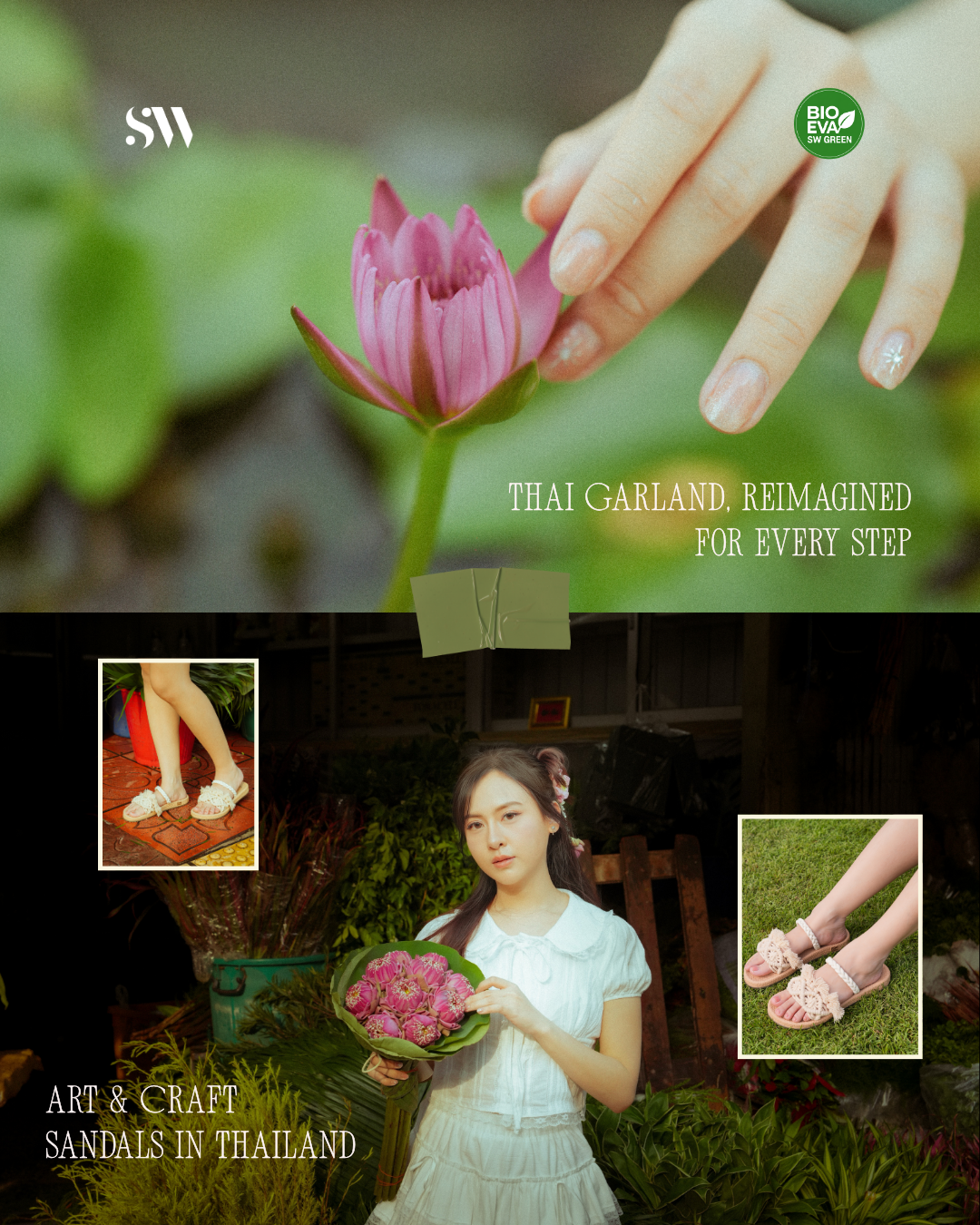
BIO EVA stands for bio-based Ethylene-Vinyl Acetate, a variation of EVA that incorporates raw materials derived from renewable biological sources.
Traditional EVA generally relies on fossil-based feedstocks, while some BIO EVA formulations use sugarcane-derived ethylene to replace a portion of these conventional ingredients.
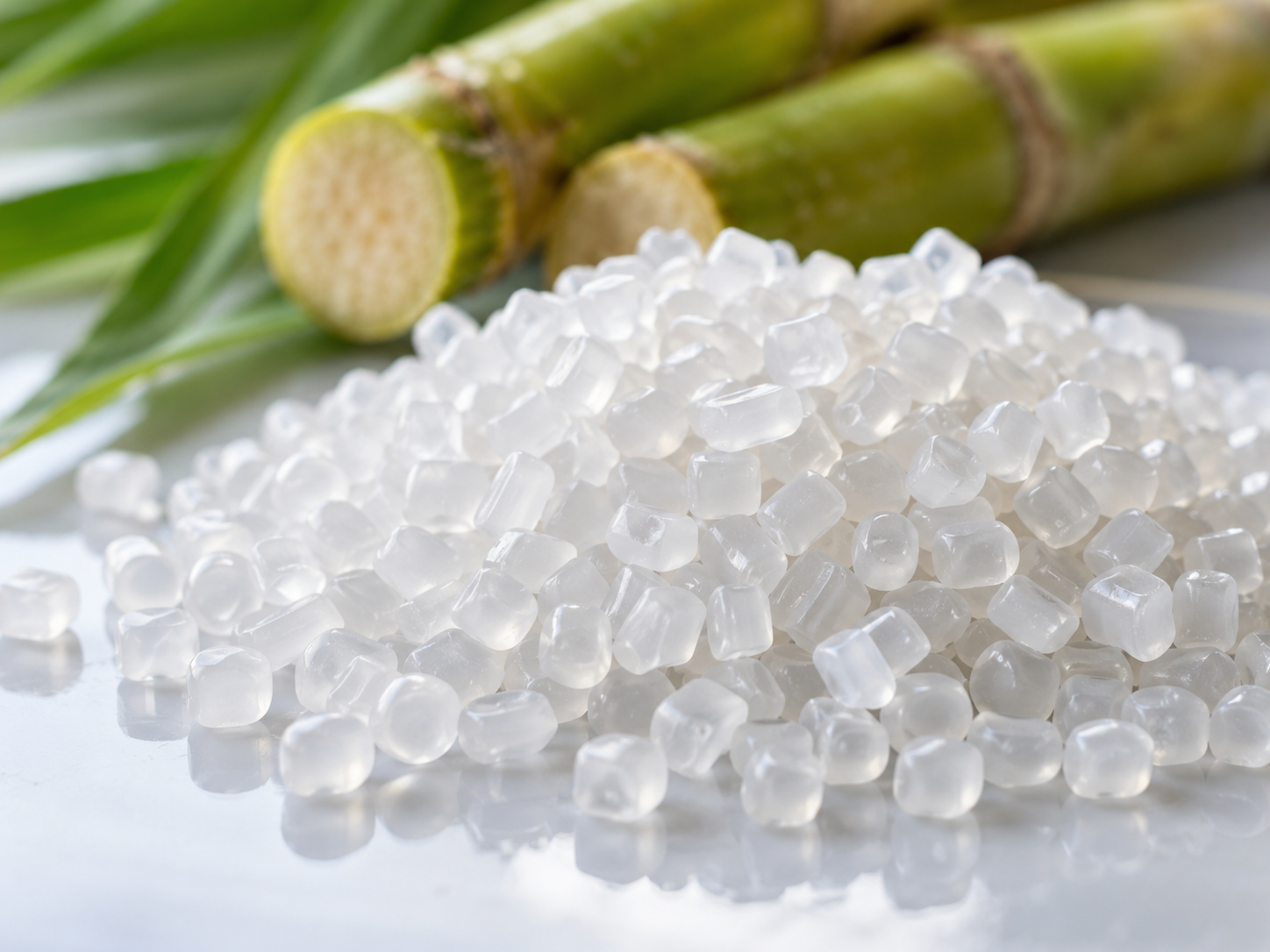
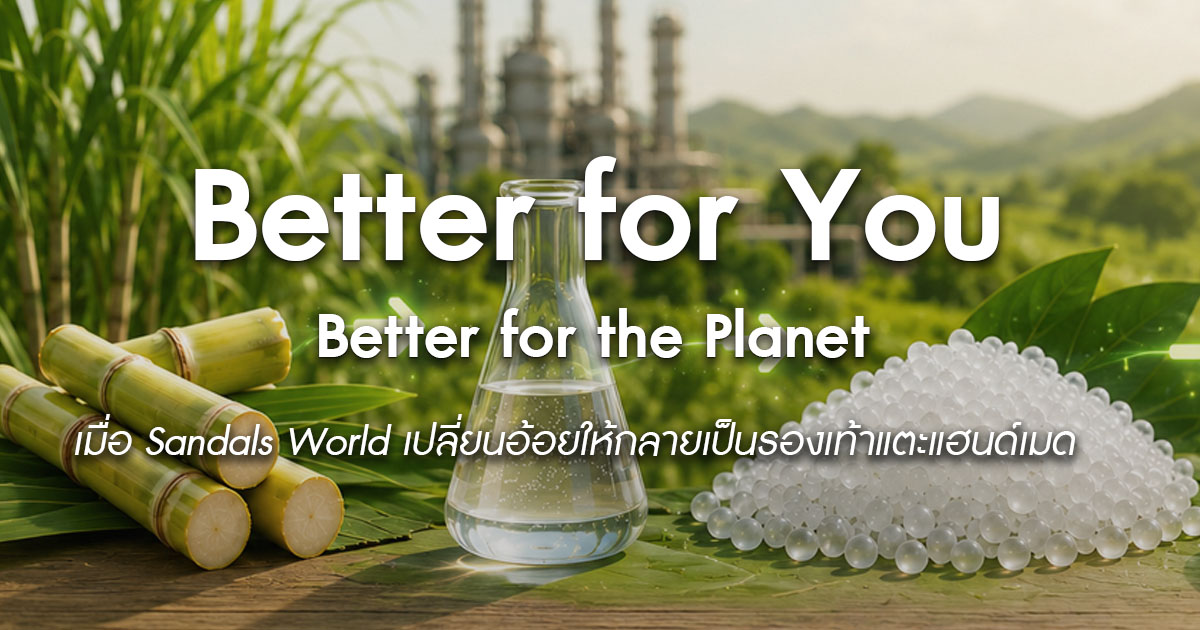
Sugarcane is an important renewable resource because it can be processed into bio-ethanol and subsequently into bio-ethylene, a building block used in EVA production.
However, BIO EVA does not necessarily contain 100% plant-based materials. The actual renewable content depends on the formulation and manufacturing process.
This distinction matters because choosing bio-based materials should be supported by transparent information rather than broad environmental promises.
From Sugarcane to Sandals: How BIO EVA Is Made
The journey from a sugarcane field to a sandal sole involves several industrial processes.
Sugarcane → Bio-Ethanol → Bio-Ethylene → Bio-Based EVA → Sandals
First, sugarcane is processed to produce bio-ethanol. The ethanol is then converted into bio-ethylene, which can be combined with other chemical components to produce bio-based EVA.
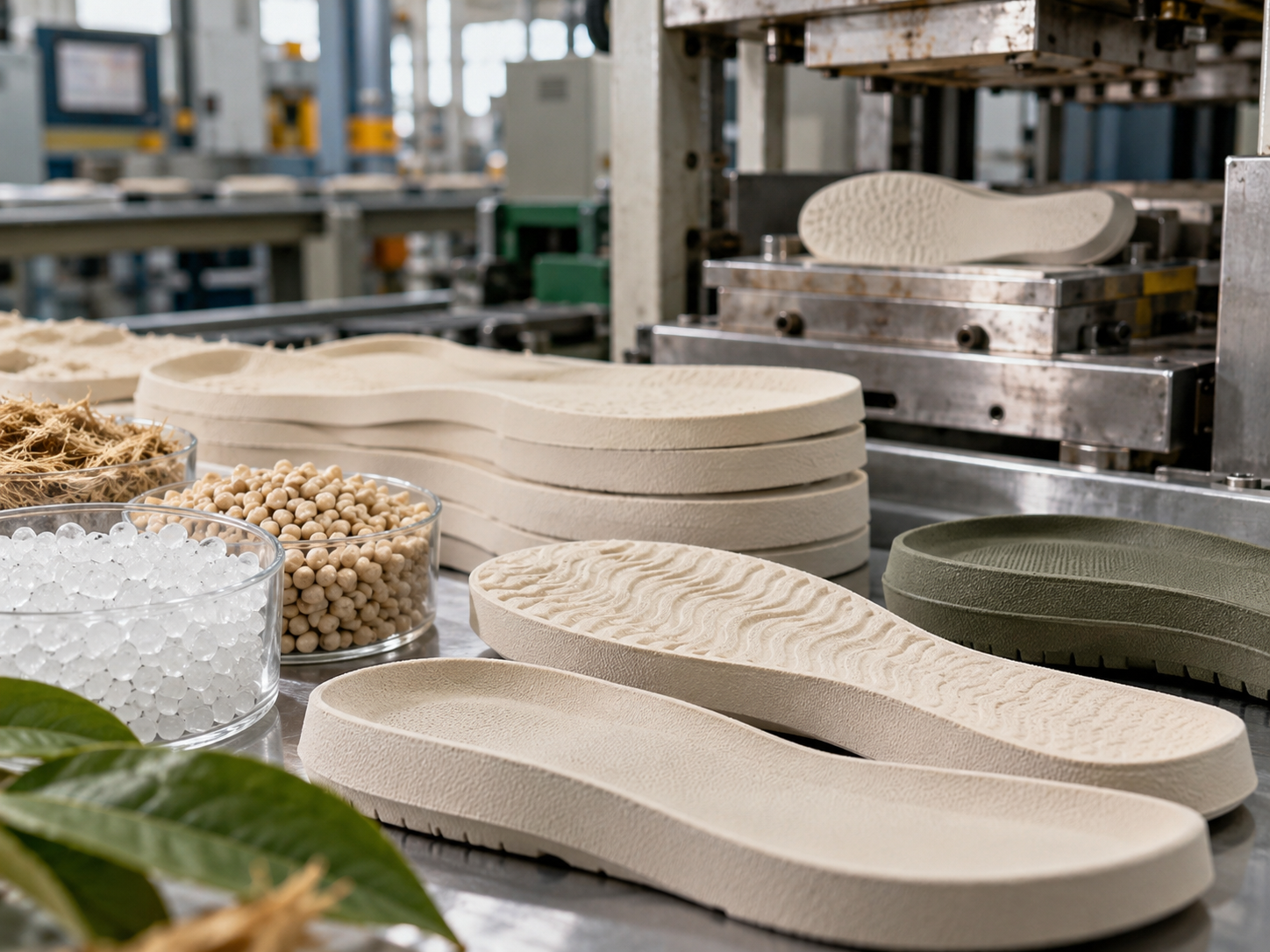
The resulting material can be processed into lightweight, flexible foam and shaped into sandal soles.
Its softness, flexibility, and cushioning performance depend on the specific formulation and production techniques.
What makes this process interesting is the opportunity to incorporate renewable agricultural resources into modern footwear materials.
A familiar crop can therefore become part of a new approach to manufacturing everyday products.
BIO EVA vs. Traditional EVA: What’s the Difference?
The main difference between conventional EVA and BIO EVA lies in where some of their raw materials originate.
Conventional EVA typically uses fossil-based feedstocks. BIO EVA can incorporate renewable feedstocks, such as sugarcane, to partially replace fossil-derived ingredients.
Both materials can provide the lightweight structure, flexibility, and cushioning commonly associated with foam sandals.
However, performance depends on material composition, manufacturing quality, and product design.
BIO EVA should therefore not be understood as an entirely natural material. Instead, it represents an opportunity to change part of the raw material supply while maintaining the functional qualities expected from footwear.

Can BIO EVA Help Reduce Environmental Impact?
BIO EVA offers a potential way to reduce dependence on fossil-based raw materials by incorporating renewable biological resources.
However, the presence of sugarcane-derived ingredients does not automatically make a product carbon-neutral, biodegradable, or environmentally harmless.
Agricultural production, manufacturing, energy consumption, transportation, and end-of-life disposal all contribute to a product’s environmental footprint.
Evaluating these impacts requires reliable information, including life cycle assessment where appropriate.
This is an important part of sustainability: making informed decisions, improving materials over time, and communicating environmental benefits without overstating them.
For Sandals World, BIO EVA is a meaningful material choice, not a zero-impact promise.
VPADA: The First Step in Sandals World’s BIO EVA Material Transition
A material innovation becomes especially meaningful when it moves beyond an idea and enters actual product development.
Sandals World has begun using BIO EVA foam soles, starting with a collection from VPADA, one of the Thai handmade brands within the Sandals World creative network.
This introduction marks an important step in our Material Transition, bringing an alternative foam material into the world of handcrafted footwear.
VPADA is known for its creative approach to handmade sandals, combining contemporary silhouettes with techniques such as crochet, macramé, and other decorative craftsmanship.
By introducing BIO EVA foam soles, the collection brings together modern material development and the artistic details that define VPADA’s identity.
Beautiful sandals can reflect thoughtful decisions not only through their appearance but also through the materials selected during production.
Importantly, this initial introduction does not mean every Sandals World product already uses BIO EVA. It represents the beginning of a broader development direction.


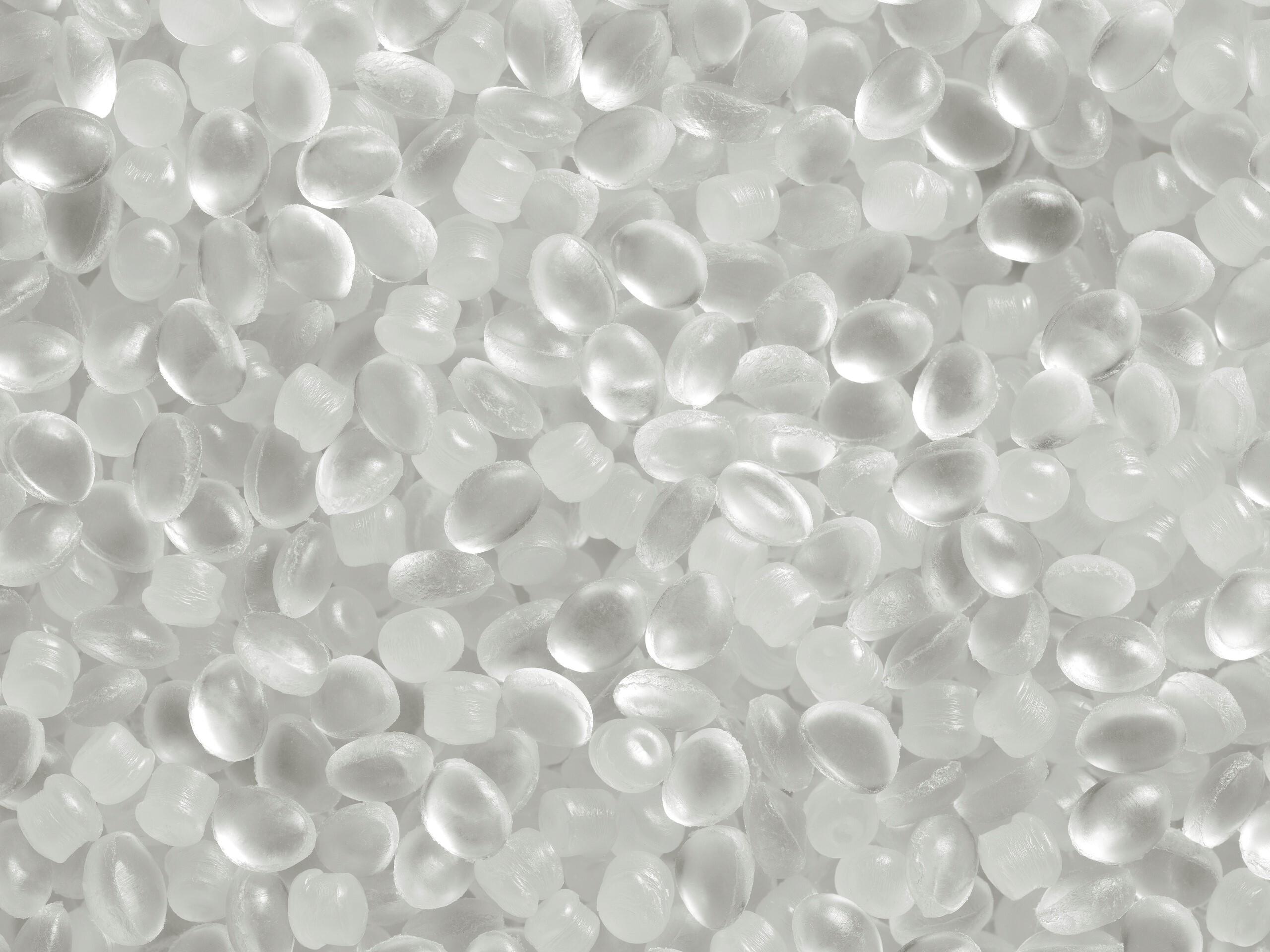

The identity of Thai handmade footwear extends beyond its physical materials.
Each design can reflect the skills of local makers, traditional techniques, and creative interpretations of Thai culture.
Through Artistic Handmade Sandals and Art & Craft Sandals, Sandals World aims to preserve these values while exploring opportunities for contemporary development.
The introduction of BIO EVA provides another possibility for creating Thailand sandals that combine craftsmanship, comfortable design, and greater attention to material selection.
Modern innovation does not have to replace traditional knowledge. Both can work together to create new opportunities for Thai makers and creative communities.
This relationship remains central to our vision for Sustainable Thai Craft Sandals.

SW GREEN: A Material Transition Already in Motion
Through SW GREEN, Sandals World continues to develop its approach to more responsible materials and long-term product improvement.
With BIO EVA foam soles now introduced through a VPADA collection, our Material Transition has moved from exploration into initial product application.
This is not a claim that our footwear has become completely sustainable. It is an ongoing effort to make more considered decisions about design, materials, product quality, and craftsmanship.
Our vision connects three important values: beautiful design, support for Thai craftsmanship and communities, and continuous environmental improvement.
We believe meaningful progress begins with practical decisions and grows through learning, development, and transparency.

From Sugarcane to Every Step: A More Thoughtful Future
BIO EVA does not solve every environmental challenge facing the footwear industry. Nevertheless, it demonstrates how alternative raw materials can become part of real product development.
For Sandals World, the introduction of BIO EVA foam soles through VPADA is a starting point for further material innovation, while continuing to celebrate the creativity of Thai handmade craftsmanship.
Because the future of sandals is not defined by beauty alone, but also by the thought and care behind every material choice.
“From Sugarcane to Every Step.”
A more thoughtful material choice, inspired by renewable resources and brought to life through Thai craftsmanship.
“A Better Material Choice, Not a Zero-Impact Promise.”
𝙎𝙖𝙣𝙙𝙖𝙡𝙨 𝙒𝙤𝙧𝙡𝙙 𝙞𝙨 𝙏𝙝𝙖𝙞𝙡𝙖𝙣𝙙’𝙨 𝙡𝙖𝙧𝙜𝙚𝙨𝙩 𝙝𝙪𝙗 𝙤𝙛 𝙖𝙧𝙩𝙞𝙨𝙩𝙞𝙘 𝙝𝙖𝙣𝙙𝙢𝙖𝙙𝙚 𝙨𝙖𝙣𝙙𝙖𝙡𝙨


ABOUT THE CONTENT CREATOR
BUNTHARIK INSIRI
(Content Writer)
Sandals World | Art & Craft Sandals | Sustainable Thai Craft Sandals Tags: handmade sandals, sandals world, foot health,
Thailand sandals, artistic handmade sandals, art & craft sandals, plantar fasciitis, bunion, sustainable sandals and BIO EVA ,SW GREEN

BIO EVA: From Sugarcane to Every Step A New Chapter in Handmade Sandals
Views: 1 When we think of sugarcane, we often imagine sugar, sweet drinks, or agricultural [...]
Oct

Witheechon x SW GREEN: Bringing Thai Cultural Heritage into the Modern World Through Sandals World’s Three Pillars
Views: 6 Before a pair of sandals begins its journey, have you ever wondered about [...]
Oct

Milala Handmade Featured on PChome Taiwan: Thai Craftsmanship Heads to STRIKE ROCK FESTIVAL 2026
Views: 11 From carefully tied knots and handcrafted sandals to recognition in Taiwanese media, Milala [...]
Oct

Recycling Is No Longer Enough: How Europe’s Circular Fashion Movement Is Changing the Future of Fashion
Views: 11 Europe discards approximately five million tonnes of clothing every year, yet only around [...]
Oct

How Much Can One Tourist Contribute to a Local Community? Thailand’s Shift Beyond Visitor Numbers
Views: 20 How Much Does One Tourist Contribute to a Local Community? Thailand’s Tourism Economy [...]
Oct

BIO EVA: A Material Transition for Handmade Sandals
Views: 29 Material Transition A Thoughtful Shift Toward More Responsible Materials Can a pair of [...]
Oct

Milala Handmade Mini Heart Collection: A Small Heart with a Big Journey to Tainan
Views: 18 Big journeys do not always begin with something loud or dramatic. Sometimes, they [...]
Oct

From Sacred Thai Garlands to Modern Hair Fashion: The Heritage Behind MALAI IN MOTION
Views: 18 MALAI IN MOTION WITH HANDMADE SANDALS BY SANDALS WORLD “Twisting Thai Garlands, Weaving [...]
Oct
SANDALS WORLD GUIDE


Artistic Handmade Sandals
BY
SANDALS WORLD THAILAND
The Largest Hub
of Artistic Handmade Sandals in Thailand.