

Brand Stories
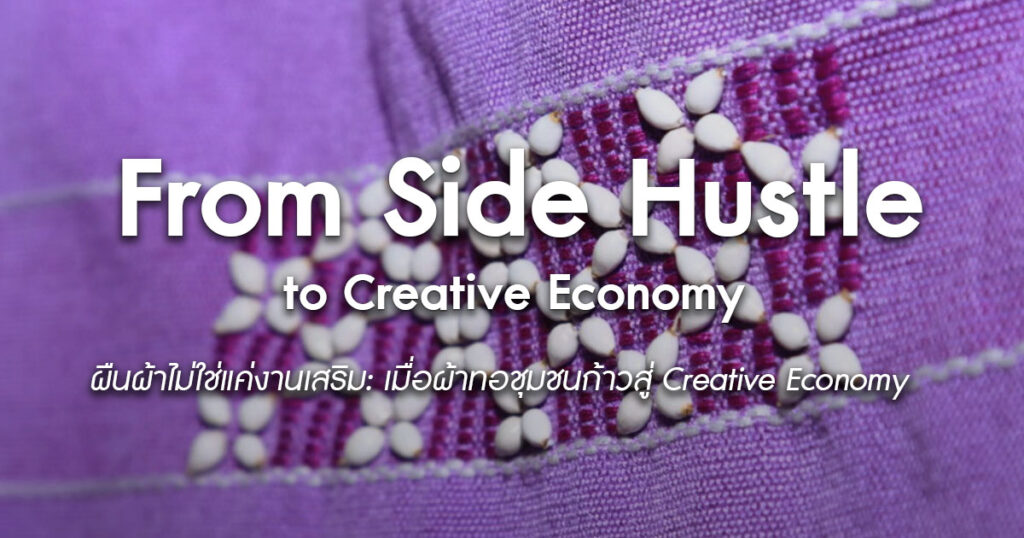
From Side Hustle to Creative Economy: A New Future for Community-Woven Textiles
Jul
In the past, weaving was often seen as a side job for people in rural communities. It was something artisans did after the harvest season or during their free time to earn a little extra income for their families. However, as the world begins to care more about product origins, cultural heritage, and sustainability, community-woven textiles are no longer limited to local markets.
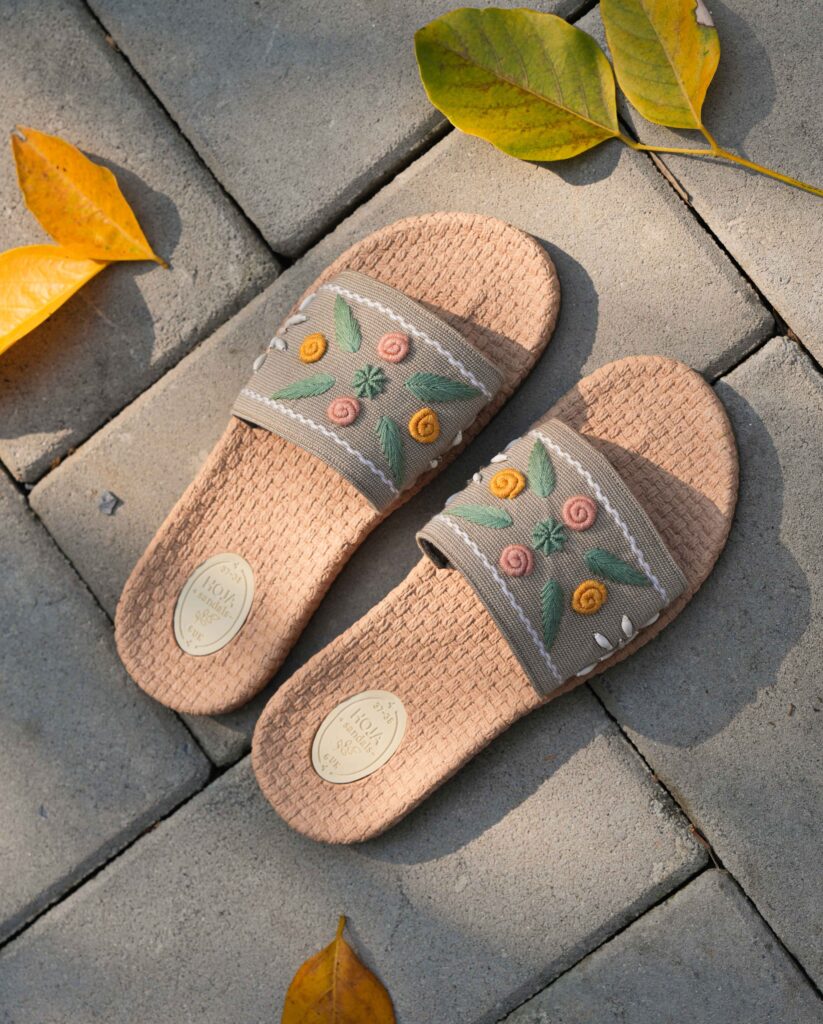
Today, a single piece of fabric can travel far beyond the village where it was created. It may appear on fashion runways, in design stores, boutique hotels, art exhibitions, and contemporary lifestyle products. Woven textiles can become clothing, bags, home decorations, accessories, or even sandals that combine traditional patterns with modern design.
This is the moment when a side hustle begins to transform into part of the Creative Economy an economy that does not simply sell products. Instead, it creates value through ideas, cultural identity, craftsmanship, knowledge, and the stories of the people behind every piece.
What Is the Creative Economy?
The Creative Economy is an economic system that uses creativity, knowledge, culture, design, and intellectual property to generate value.
Put simply, the raw material itself may not be expensive. However, once it passes through skilled hands, thoughtful design, and meaningful storytelling, it can become a product worth far more than the original materials.
For community textiles, a roll of thread does not become just another piece of fabric. Each woven surface may contain generations of wisdom, natural dyeing techniques, symbolic patterns, cultural beliefs, and many days or even weeks of careful work.
Therefore, the true value of woven textiles does not come from the price of the thread alone. It comes from something that machines cannot fully reproduce: the human touch.
When viewed through the Creative Economy, handmade work is no longer outdated. On the contrary, it becomes an important cultural resource with strong potential in the contemporary global market.
From Seasonal Work to Cultural Capital
In many communities, weaving was traditionally carried out alongside farming. Income from textile sales was often unpredictable, while prices were frequently controlled by middlemen rather than the artisans themselves.
The main problem was never a lack of talent. Many local weavers possess remarkable skills and highly specialized knowledge. What they often lack is access to wider markets, product-development support, effective storytelling, and information about the needs of modern consumers.
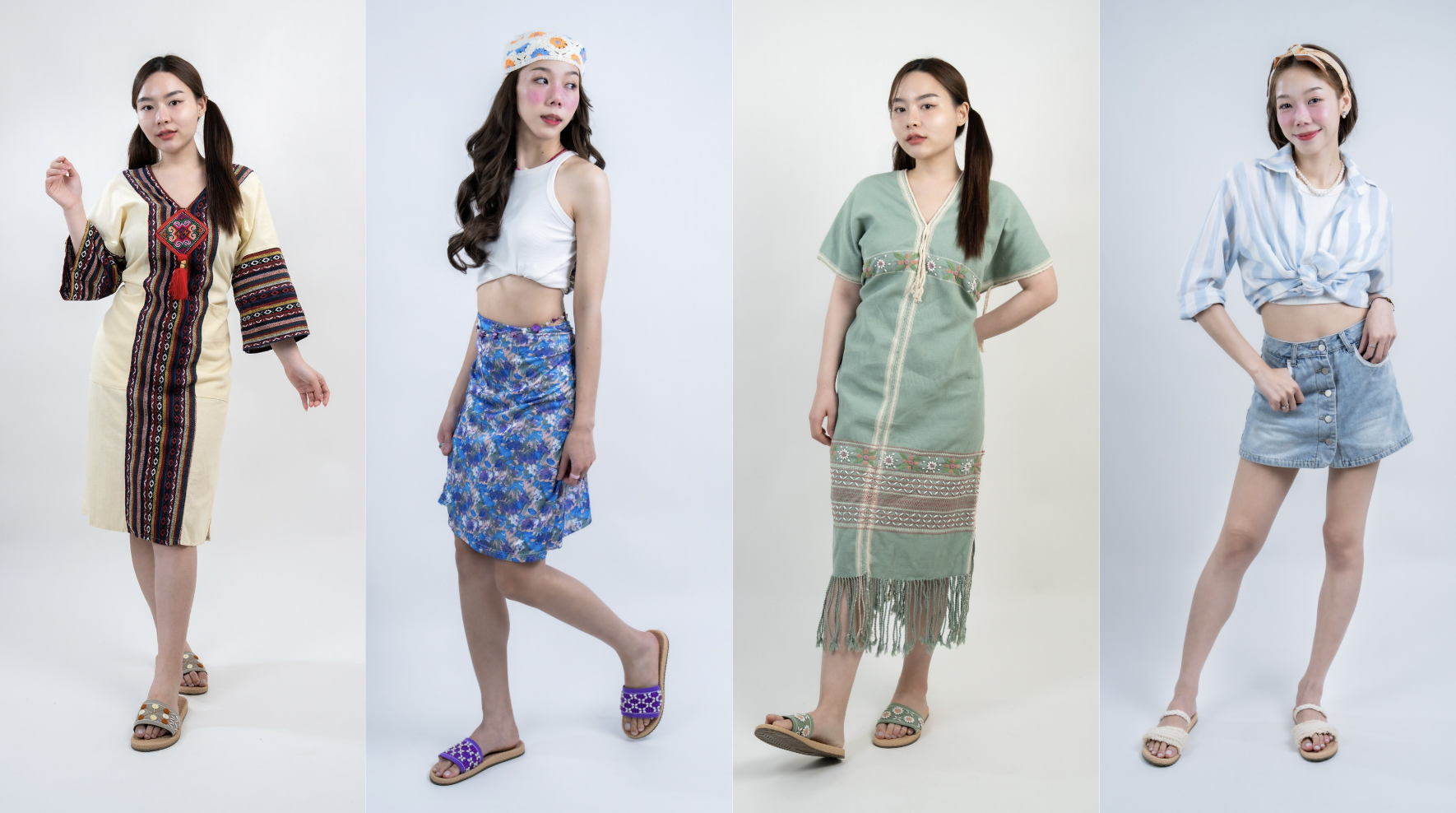
When communities, designers, and entrepreneurs begin working together, woven textiles can move beyond their conventional formats. A pattern once used only on traditional clothing, for example, might be adapted into a bag, an accessory, or a pair of handmade sandals while still preserving its cultural identity.
Furthermore, leftover fabric can be transformed into sandal straps, fabric flowers, keychains, and small decorative pieces. This approach adds value to materials, reduces waste, and creates more opportunities for different community members to participate.
As a result, woven fabric becomes more than a single product. It becomes the beginning of a creative ecosystem connecting weavers, designers, craftspeople, retailers, travelers, and conscious consumers.
Every Thread Carries a Story
Modern consumers do not choose products based on appearance alone. Many want to know where an item was made, who created it, what materials were used, and whether their purchase positively affects people or the planet.
This shift creates a valuable opportunity for community textiles because every woven piece already has a story. The challenge is to communicate that story clearly and honestly.
Some patterns may be inspired by forests, rivers, mountains, or plants surrounding the village. Others may represent family, beliefs, identity, or community relationships. Certain techniques have been passed from grandmother to mother and from mother to daughter.
These details give the product a living identity. Customers are not simply buying an object; they are carrying a small part of the community’s story with them.
For fashion brands, honest storytelling can create stronger differentiation than competing through low prices. This is especially important in the Thailand sandals market, where factory-made footwear and artisan products exist side by side.
A sandal featuring authentic community-woven fabric and clearly acknowledging its source holds a different meaning from a product that merely imitates a traditional pattern. The first can return income and recognition to the original makers. The second may use cultural imagery without supporting the people who own that heritage.
Collaboration, Not Cultural Appropriation
Although the Creative Economy creates new opportunities, brands must approach community textiles carefully and respectfully.
A company should not select a visually attractive pattern and use it without understanding its background. Some designs may hold spiritual significance, indicate social status, or belong specifically to a particular ethnic community. Using these symbols without permission could reduce meaningful cultural elements to decoration.
A responsible process should begin with conversation. Community members and artisans must participate in decisions about which patterns can be developed, how they will be used, and how the story will be presented. Brands should also provide clear credit and fair compensation.
This process is known as co-creation.
Under this model, artisans are not treated merely as production workers, while designers do not claim complete ownership of the ideas. Instead, both sides contribute different forms of expertise.
The community understands the materials, techniques, traditions, and cultural meanings. Meanwhile, designers can help adjust colors, sizes, functions, and construction methods for contemporary lifestyles. When these forms of knowledge meet, traditional crafts can evolve without losing their roots.
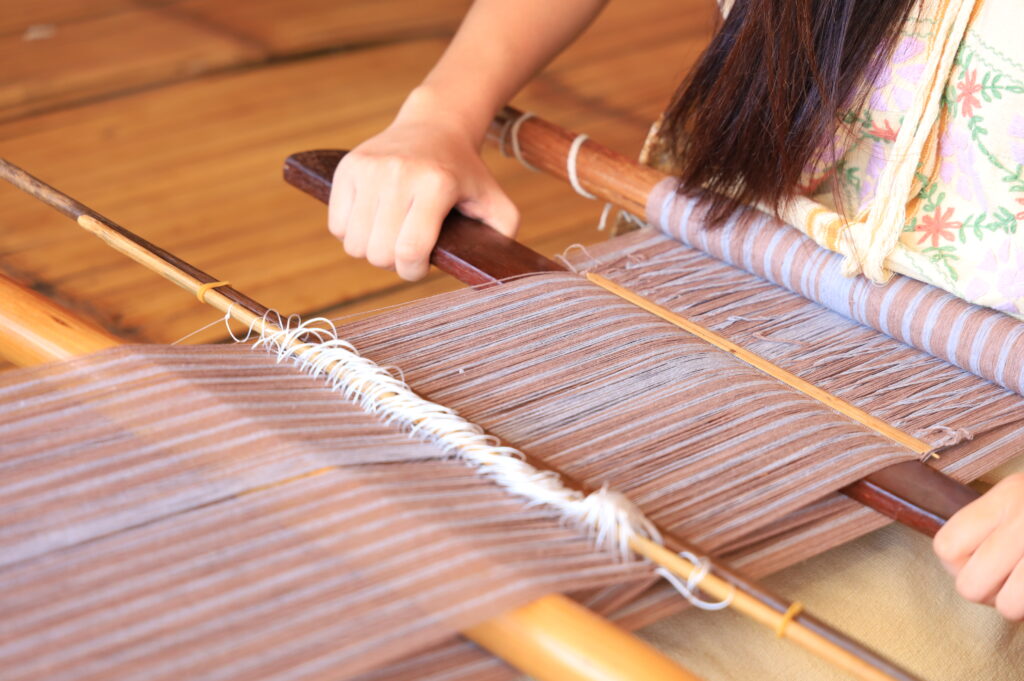
When Woven Textiles Become Handmade Sandals
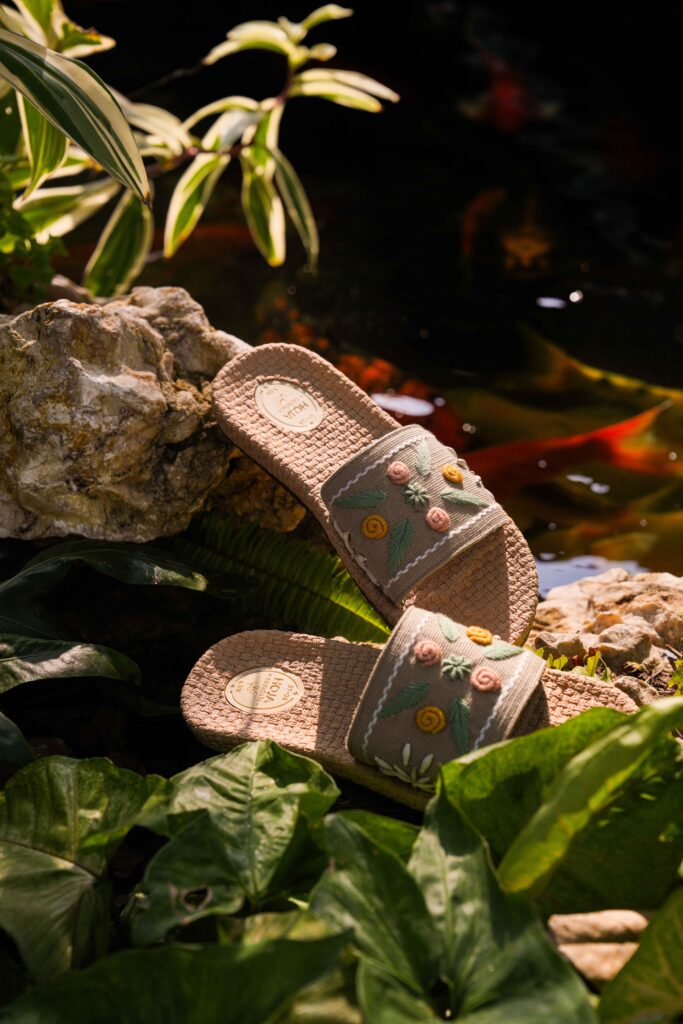
Sandals offer a natural way to bring community textiles into everyday life. They are easy to wear, accessible to people of different ages, and provide a visible space for craftsmanship and cultural patterns.
Woven textiles can become sandal straps, decorative panels, or unique surface details. Nevertheless, product development cannot focus on beauty alone. Designers must also consider strength, skin comfort, color durability, weight support, and ease of maintenance.
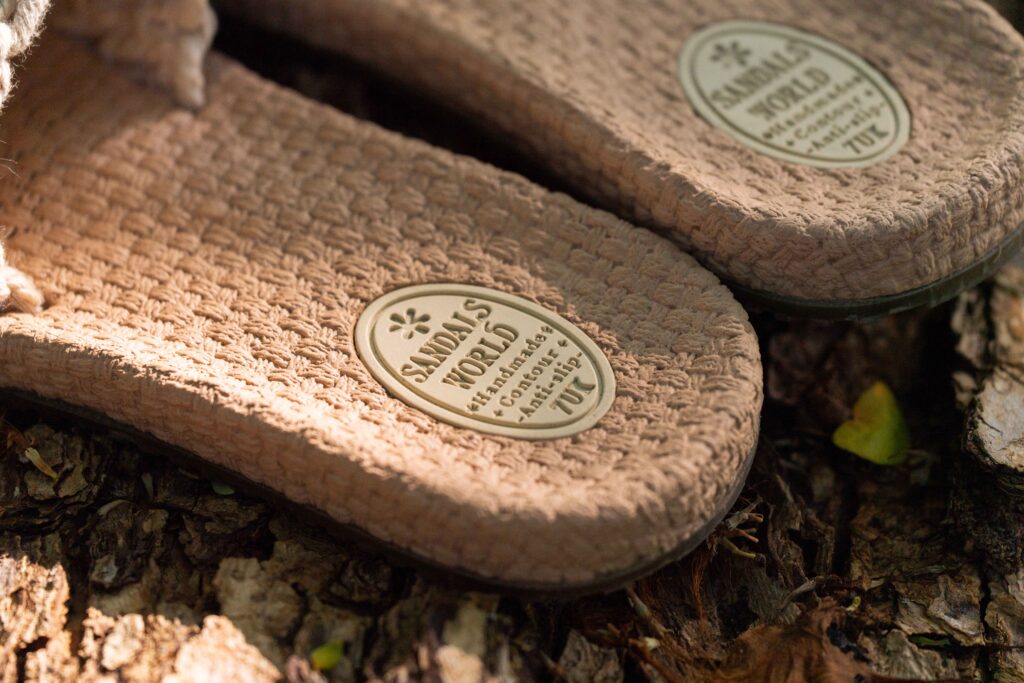
When community-woven textiles are combined with supportive footbeds and practical materials, the result becomes more than a decorative craft product. It becomes a pair of functional Artistic Handmade Sandals designed for real life.
These products can also act as cultural messengers. Every step carries a local pattern from a small community into cities, international markets, and new cultural spaces. A textile that was once sold only within a limited area can become part of Art & Craft Sandals that present Thai identity through a contemporary perspective.
This direction reflects the vision of sandals world: viewing footwear as a platform connecting craftsmanship, community knowledge, thoughtful design, and daily functionality—not simply as a seasonal fashion item.

Sustainability Must Support Both the Planet and the Maker
The word sustainability is often associated with eco-friendly materials, carbon reduction, and waste management. However, the sustainability of community crafts must also include the well-being of the people who make them.
A product cannot be truly sustainable if it uses natural materials but underpays its artisans. Likewise, a brand should not profit from images of rural communities while returning little value to those communities.
Sustainable craft should include several connected practices: responsible material selection, appropriate production volumes, waste reduction, fair compensation, and stable employment for local makers.
In footwear, woven textiles can be paired with Thai natural rubber or bio-based materials such as sugarcane-derived BIO EVA. This creates a product that considers sustainability from the handcrafted upper to the functional sole.
Such an approach can lead to Sustainable Thai Craft Sandals—footwear that is not considered responsible merely because it looks natural. Instead, it brings together cultural heritage, local materials, comfort, craftsmanship, and environmental awareness.
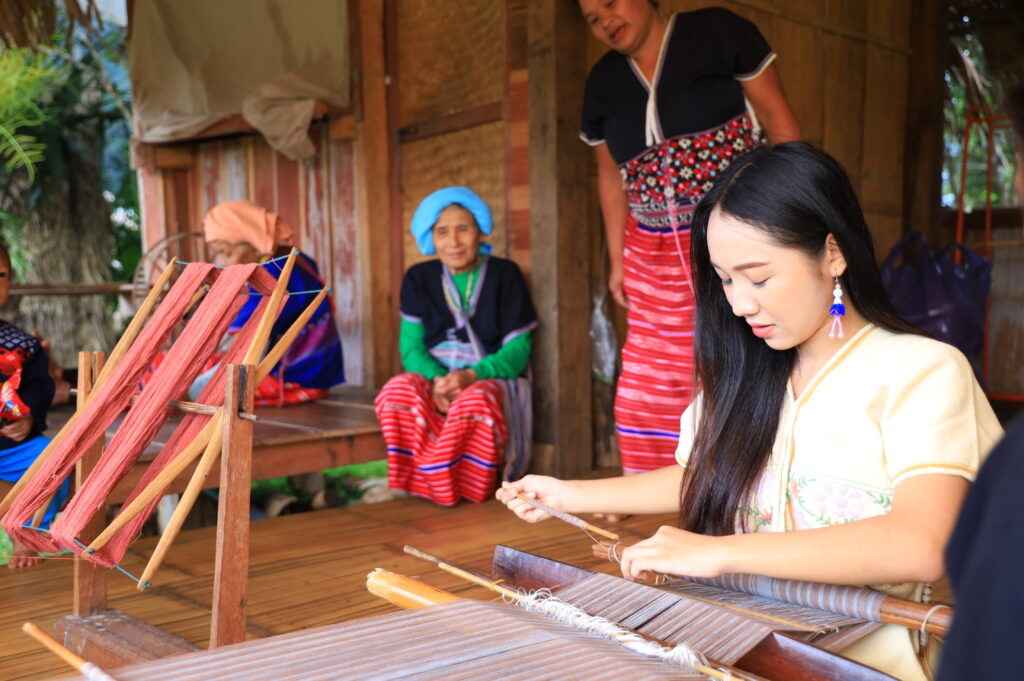

The Younger Generation Holds the Key
One major challenge facing weaving communities is that many younger people do not want to continue the profession. This does not always mean they reject their cultural heritage. Often, weaving requires significant time, provides uncertain income, and offers no clear path for career growth.
If weaving continues to be seen as difficult work with limited financial opportunities, encouraging the next generation to preserve it will remain challenging.
However, connecting weaving with fashion, photography, graphic design, online marketing, tourism, and product development can create new roles for younger community members.
Not everyone needs to sit at the loom. Some may build the brand, create videos, manage social media, photograph products, communicate with international buyers, or develop new collections.
Preserving wisdom does not mean repeating everything exactly as it was done in the past. Instead, it means allowing traditional knowledge to grow in new directions without forgetting where it came from.
Technology Can Take Local Craft Further
Online platforms allow communities to reach customers without waiting for travelers to visit their villages. Strong photography, short-form videos, and behind-the-scenes stories can introduce local craftsmanship to audiences worldwide.
Technology can also support pattern documentation, order management, production planning, and communication between artisans and designers. However, it should strengthen the role of craftspeople rather than remove their identity from the product.
In a market filled with mass-produced goods, the subtle differences found in handmade products become part of their charm. Slight variations in weaving, texture, and natural color prove that real human hands created the piece.
What was once described as imperfection can therefore become evidence of authenticity—the quality many modern consumers are actively seeking.
#Sandalsworld #รองเท้าartandcraft #รองเท้าแตะสานแฮนด์เมด #handmade #artandcraft #sandals #รองเท้าแฮนด์เมด #รองเท้าแตะใส่แล้วไม่ลื่น #รองเท้ายางพารา #ใส่ไปไหนก็ได้
บทความโดย
Sandals World | Art & Craft Sandals | Sustainable Thai Craft Sandals Tags: handmade sandals, sandals world, foot health,
Thailand sandals, artistic handmade sandals, art & craft sandals, plantar fasciitis, bunion, sustainable sandals and BIO EVA ,SW GREEN

ABOUT THE CONTENT CREATOR
BUNTHARIK INSIRI
(Content Writer)
Brand Partner News Sustainability Knowledge & Insights Sandals World News Community Brand Stories Travel & Destinations Events
Halloween in Chiang Mai: Too Many Beautiful Sandals to Choose From! Discover CMP Handmade Sandals
Views: 5 Spooky Season, Stylish Steps! What’s scarier than ghosts this Halloween? Finding so many [...]
Oct

BIO EVA: From Sugarcane to Every Step A New Chapter in Handmade Sandals
Views: 5 When we think of sugarcane, we often imagine sugar, sweet drinks, or agricultural [...]
Oct
Witheechon x SW GREEN: Bringing Thai Cultural Heritage into the Modern World Through Sandals World’s Three Pillars
Views: 9 Before a pair of sandals begins its journey, have you ever wondered about [...]
Oct

Milala Handmade Featured on PChome Taiwan: Thai Craftsmanship Heads to STRIKE ROCK FESTIVAL 2026
Views: 16 From carefully tied knots and handcrafted sandals to recognition in Taiwanese media, Milala [...]
Oct

Recycling Is No Longer Enough: How Europe’s Circular Fashion Movement Is Changing the Future of Fashion
Views: 14 Europe discards approximately five million tonnes of clothing every year, yet only around [...]
Oct

How Much Can One Tourist Contribute to a Local Community? Thailand’s Shift Beyond Visitor Numbers
Views: 21 How Much Does One Tourist Contribute to a Local Community? Thailand’s Tourism Economy [...]
Oct

BIO EVA: A Material Transition for Handmade Sandals
Views: 36 Material Transition A Thoughtful Shift Toward More Responsible Materials Can a pair of [...]
Oct

Milala Handmade Mini Heart Collection: A Small Heart with a Big Journey to Tainan
Views: 19 Big journeys do not always begin with something loud or dramatic. Sometimes, they [...]
Oct
SANDALS WORLD GUIDE




Artistic Handmade Sandals
BY
SANDALS WORLD THAILAND
The Largest Hub
of Artistic Handmade Sandals in Thailand.