

Brand Stories
From Bangkok’s Overheating Data Centers to Sandals World: Handmade Sandals Built on Sustainability, Not Trends

Sep
What a data center scandal in Bangkok can teach us about the sandals we wear every day.
Picture this: every time we scroll a feed, order something online, or ask an AI a question, there’s a giant “data factory” running non-stop behind the screen burning electricity, drawing water, and radiating heat around the clock. One of those factories sits right in the middle of Bangkok, and it’s become one of Thailand’s biggest environmental stories of the year.
The lesson from this story is simple but important: everything humans build has a cost to the planet, whether it’s a server farm packing thousands of machines, or something as small as a pair of sandals we slip on every morning. The real question isn’t “can we build it,” but “how do we build it so the planet can still keep up.” That’s exactly the question Sandals World decided to answer differently — by starting every product with the material first, long before design or trends ever enter the conversation.


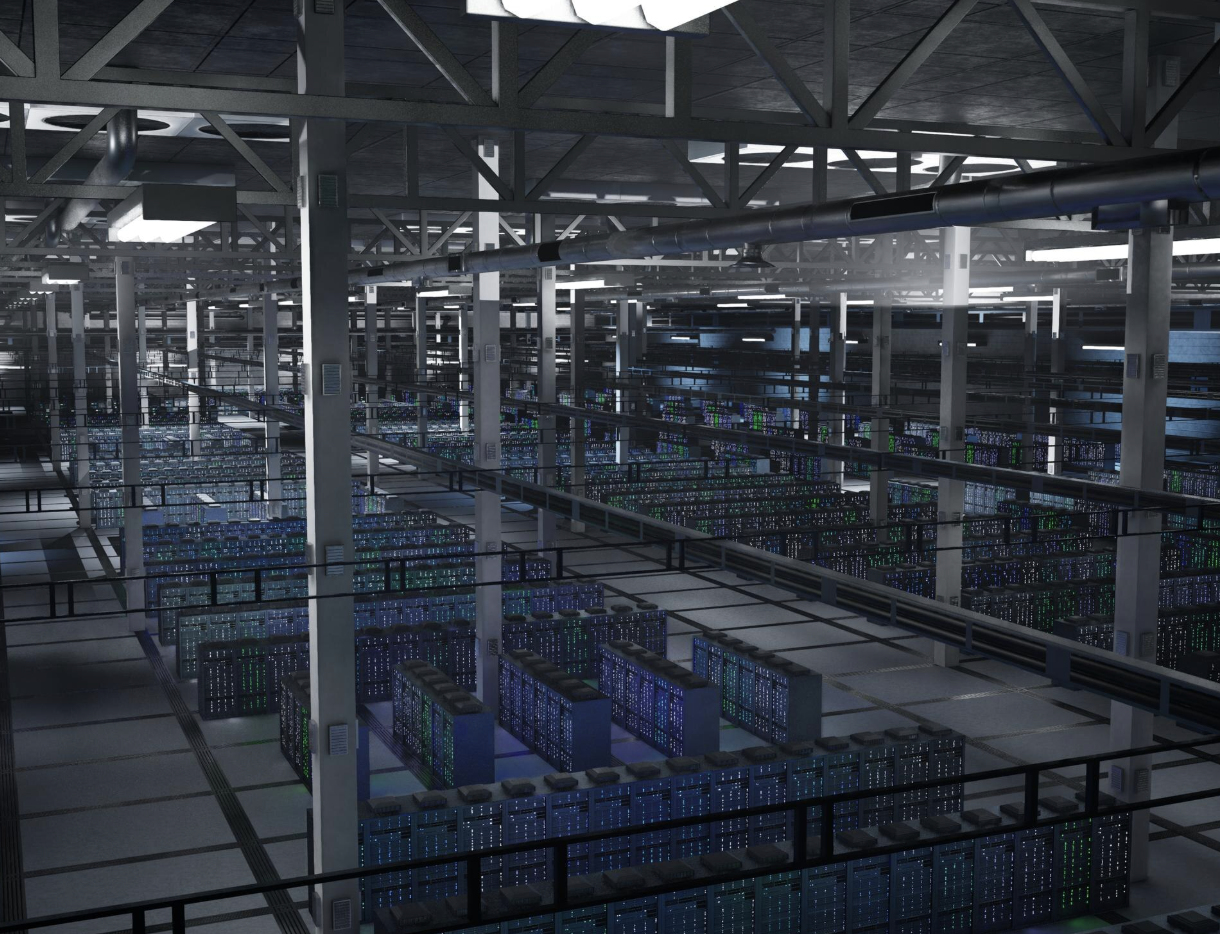
Most people picture the cloud as something weightless and invisible. In reality, it sits on solid ground, runs on real electricity, and gives off real heat. According to the International Energy Agency (IEA), data centers worldwide consumed roughly 415 TWh of electricity in 2024 — about 1.5% of global electricity demand — and that number has been climbing around 12% a year, on track to hit an estimated 945 TWh by 2030, more than double today’s figure.
Here’s the uncomfortable part: the electricity feeding those data centers still leans heavily on coal (~30%) and natural gas (~26%), while renewables make up only around 27%. As demand for power grows, more of it is likely to come from fossil fuels — and that’s where the carbon emissions start piling up.

180 million tonnes of indirect CO₂ emissions

figure projected to grow nearly 80%

2.5x if AI adoption accelerates faster than expected.

7% to over 30% of a data center’s total power draw

The Numbers Worth Pausing On
The IEA estimates data centers are already responsible for roughly 180 million tonnes of indirect CO₂ emissions, a figure projected to grow nearly 80% by 2030 in a base-case scenario or as much as 2.5x if AI adoption accelerates faster than expected. Cooling systems alone can eat up anywhere from 7% to over 30% of a data center’s total power draw, depending on how efficient the facility is.
| Metric | Figure |
|---|---|
| Global data center electricity use (2024) | 415 TWh (~1.5% of world total) |
| Annual growth rate | ~12% per year |
| Projected electricity use by 2030 | ~945 TWh |
| Current indirect CO₂ emissions | ~180 million tonnes |
| Projected CO₂ growth by 2030 | +80% (up to 2.5x in high-growth scenarios) |
| Annual water use, one major Bangkok data center | ~93,600 m³ (roughly 37 Olympic-sized pools) |
| Data center investment applications filed with Thailand’s BOI (2025) | 36 projects, worth over 728 billion baht |
Water, Heat, and Diesel: A Problem That Doesn’t Stay on the Screen
Servers running 24/7 generate heat that has to go somewhere, and many cooling systems rely on water to do it. Thailand’s Metropolitan Waterworks Authority reports that a major Bangkok data center uses roughly 7,800 cubic meters of water a month for cooling about 93,600 cubic meters a year. On top of that, these facilities keep backup diesel generators fueled and ready at all times, because a data center simply can’t afford to go dark.
That risk stopped being theoretical on September 6, 2026, when Thailand’s Pollution Control Department inspected a data center near Rama IX after residents reported a strong smell of oil. Inspectors found an oil sheen in the drainage system, with a real risk of contamination reaching the nearby Rama IX canal. Overnight, the conversation around urban data centers stopped being just about carbon footprint — it became a story about water, pollution, and community safety, all at once.
So What Does Any of This Have to Do With the Sandals You Wear?
The answer comes down to materials and how things get made. Every product on earth carries an environmental cost — whether it’s a sprawling piece of digital infrastructure or a single pair of handmade sandals. What differs is the scale of that impact, and how visible it is.
A data center is centralized production at its most extreme: consumers rarely see where the electricity comes from, how much water disappears, or where the waste ends up. Handmade craftsmanship is the opposite by design — every step happens at a scale people can actually see and trace. That contrast is exactly where Sandals World chose to plant its flag, standing against the kind of bigness that hides its own footprint.

Sandals World: Where Sustainability Starts With the Material, Not the Marketing
Sandals World positions itself as a Thailand-based brand of Artistic Handmade Sandals, and it asks the same question environmental researchers use to scrutinize data centers: where does this material come from, and who bears the cost of it — before design or fashion trends even enter the picture.
Rather than starting from an industrial-scale factory line, Sandals World builds from a careful selection of natural and eco-conscious materials, shaped by small teams of Thai artisans rather than an assembly line. The result is a lineup like the Art & Craft Sandals collection, which blends traditional craft with artistic design, and the Sustainable Thai Craft Sandals line, where every pair is meant to carry both Thai heritage and genuine environmental responsibility.
Handmade Craft = Resources You Can Actually See and Control
The real difference between massive digital infrastructure and handmade sandals comes down to concentrated impact. A single data center can demand tens of megawatts of power, run water-based cooling around the clock, and store fuel reserves in the heart of a neighborhood. Producing sandals by hand, at artisan scale, uses a fraction of the energy and resources — and, just as importantly, lets both makers and buyers trace materials back to their source far more easily than any centralized, multi-layered supply chain.
| Dimension | Large-Scale Digital Infrastructure | Artisan-Scale Handmade Production |
|---|---|---|
| Production model | Centralized, massive, running 24/7 | Distributed, small-batch, made to demand |
| Material transparency | Hard to trace, many hidden layers | Easier to trace back to the source |
| Local impact | Heavily concentrated (power, water, heat) | Spread out, lower impact per site |
| Community benefit | Communities often bear costs, not gains | Local artisans benefit directly |
Why “Thailand Sandals” Made By Hand Might Be the Smarter Choice
Thailand has a long tradition of weaving and handcraft, from natural fibers to locally-sourced rubber. Search interest in Thailand sandals has been climbing steadily among travelers and eco-conscious shoppers alike, and it’s not hard to see why locally-sourced materials cut down on shipping distances, reduce reliance on complex cross-border supply chains, and put income directly back into artisan communities. That’s a sharp contrast to large infrastructure projects, where the economic upside doesn’t always reach the neighborhoods that absorb the impact.
How to Actually Choose Products That Tread Lightly
Before picking anything up off the shelf, it’s worth asking the same questions used to scrutinize a data center:
- Where does this material actually come from, and is it renewable?
- How much energy and resources did the production process use?
- Who benefits from this product, and who bears the environmental cost?
- Is this made at a scale that’s traceable and accountable?
These are the exact questions that pushed Sandals World to stand against the kind of scale that hides its own footprint — making sure every pair of handmade sandals can be traced back, from raw material to the artisan’s hands that shaped it.
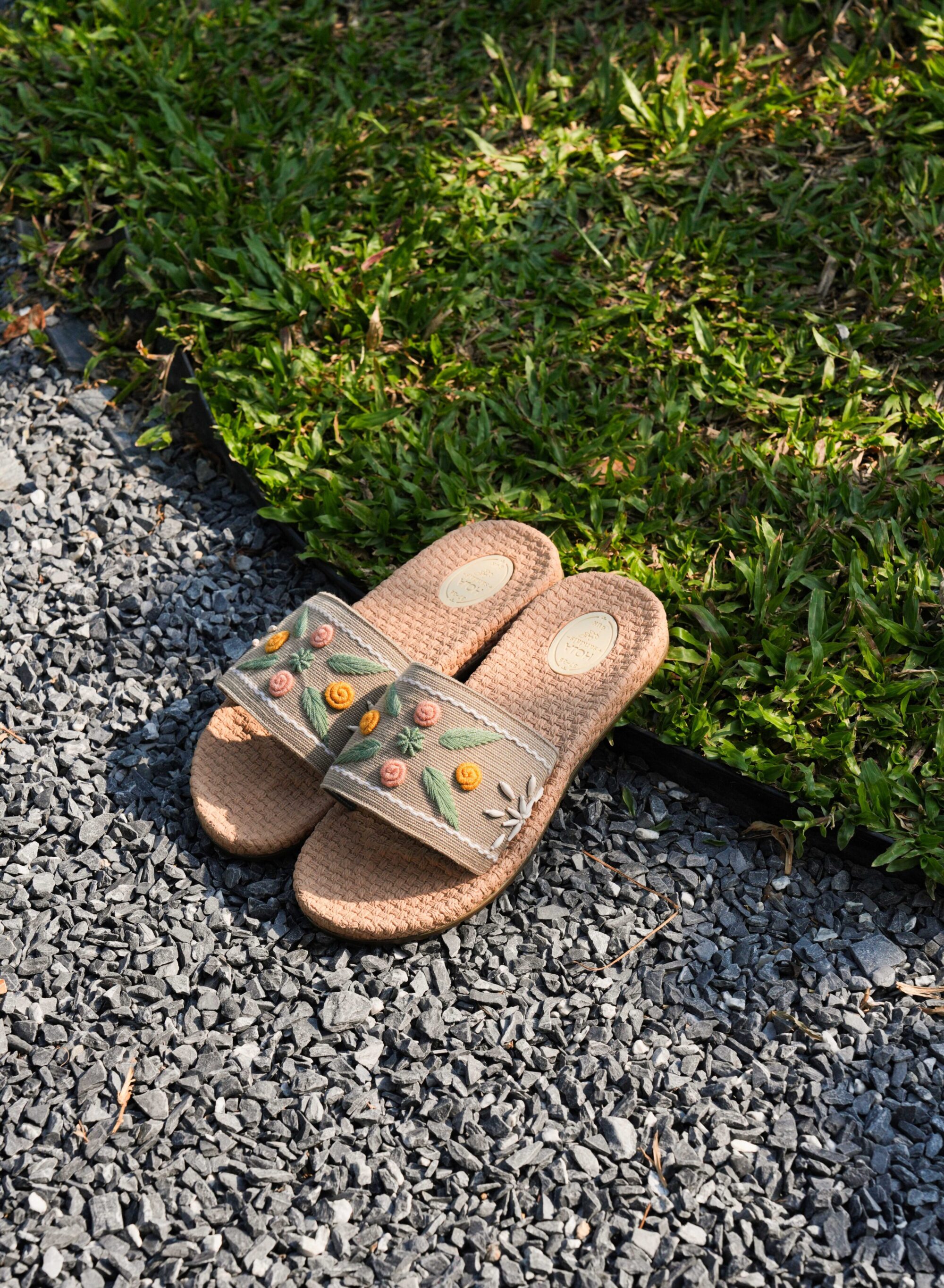
The Bottom Line: From Data Centers to Sandals, the Same Lesson Applies
Bangkok’s data center story is a reminder that progress and innovation almost always come with environmental costs that aren’t obvious at first glance. But it also opens the door to asking better questions about everything around us — including the sandals we put on every single day.
Sandals World answers that question by starting with the material, every single time, instead of starting with a trend or a marketing campaign — because real sustainability has to be visible from the very first step of making something. No matter how fast the digital world keeps growing, small choices — like backing Thai handmade craftsmanship — are still steps that let this planet keep up a little longer.
𝙎𝙖𝙣𝙙𝙖𝙡𝙨 𝙒𝙤𝙧𝙡𝙙 𝙞𝙨 𝙏𝙝𝙖𝙞𝙡𝙖𝙣𝙙’𝙨 𝙡𝙖𝙧𝙜𝙚𝙨𝙩 𝙝𝙪𝙗 𝙤𝙛 𝙖𝙧𝙩𝙞𝙨𝙩𝙞𝙘 𝙝𝙖𝙣𝙙𝙢𝙖𝙙𝙚 𝙨𝙖𝙣𝙙𝙖𝙡𝙨


ABOUT THE CONTENT CREATOR
BUNTHARIK INSIRI
(Content Writer)
Sandals World | Art & Craft Sandals | Sustainable Thai Craft Sandals Tags: handmade sandals, sandals world, foot health,
Thailand sandals, artistic handmade sandals, art & craft sandals, plantar fasciitis, bunion, sustainable sandals and BIO EVA ,SW GREEN

VPADA Handmade Sandals: Better Together, Sweeter Your Way! Discover Chang Journey’s New Color & Orchid Sandals
Views: 10 Who says handmade sandals have to be simple? Sometimes, the smallest details can [...]
Oct

Halloween in Chiang Mai: Too Many Beautiful Sandals to Choose From! Discover CMP Handmade Sandals
Views: 12 Spooky Season, Stylish Steps! What’s scarier than ghosts this Halloween? Finding so many [...]
Oct

BIO EVA: From Sugarcane to Every Step A New Chapter in Handmade Sandals
Views: 11 When we think of sugarcane, we often imagine sugar, sweet drinks, or agricultural [...]
Oct

Witheechon x SW GREEN: Bringing Thai Cultural Heritage into the Modern World Through Sandals World’s Three Pillars
Views: 12 Before a pair of sandals begins its journey, have you ever wondered about [...]
Oct

Milala Handmade Featured on PChome Taiwan: Thai Craftsmanship Heads to STRIKE ROCK FESTIVAL 2026
Views: 19 From carefully tied knots and handcrafted sandals to recognition in Taiwanese media, Milala [...]
Oct

Recycling Is No Longer Enough: How Europe’s Circular Fashion Movement Is Changing the Future of Fashion
Views: 16 Europe discards approximately five million tonnes of clothing every year, yet only around [...]
Oct

How Much Can One Tourist Contribute to a Local Community? Thailand’s Shift Beyond Visitor Numbers
Views: 21 How Much Does One Tourist Contribute to a Local Community? Thailand’s Tourism Economy [...]
Oct

BIO EVA: A Material Transition for Handmade Sandals
Views: 45 Material Transition A Thoughtful Shift Toward More Responsible Materials Can a pair of [...]
Oct
SANDALS WORLD GUIDE
Artistic Handmade Sandals
BY
SANDALS WORLD THAILAND
The Largest Hub
of Artistic Handmade Sandals in Thailand.