

Brand Stories
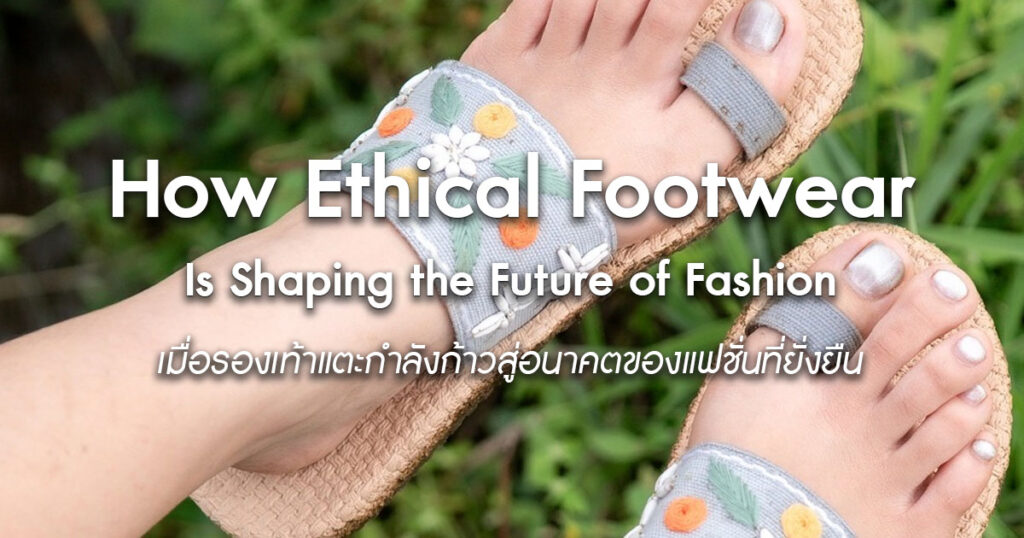
Sustainable Sandals: How Ethical Footwear Is Shaping the Future of Fashion
Mar
Sustainable Sandals: How Ethical Footwear Is Shaping the Future of Fashion

The fashion industry is undergoing a significant transformation. As environmental concerns continue to rise, both consumers and brands are rethinking how products are designed, produced, and consumed. One simple product that reflects this shift surprisingly well is the sandal.
While sandals may seem like a small item in the global fashion ecosystem, they are part of a much larger conversation about sustainability, responsible production, and ethical design.
Today, terms like sustainable sandals, eco friendly sandals, handmade sandals, and ethical footwear are becoming increasingly important in the fashion industry. Consumers are not only interested in style and comfort anymore—they also want to understand the environmental impact behind the products they wear.
As sustainability becomes a core value for modern brands, footwear manufacturers and designers are exploring new ways to create sandals that combine craftsmanship, innovation, and environmental responsibility.
The Environmental Impact of the Fashion Industry
To understand why sustainable sandals are gaining attention, it is important to look at the broader environmental challenges facing the fashion industry.
The global fashion sector is currently responsible for approximately 8–10% of total global carbon emissions, making it one of the largest contributors to climate change. This level of pollution exceeds the combined emissions from international aviation and maritime shipping.
In addition to carbon emissions, the fashion industry also generates an enormous amount of waste. Each year, the world produces more than 92 million tons of textile waste, and only a very small percentage of those materials are recycled back into new garments.
Footwear contributes significantly to this issue. Globally, more than 24 billion pairs of shoes are produced every year, many of which are made from synthetic materials such as EVA, polyurethane, PVC, and rubber compounds.
These materials are durable and affordable, but they also present a serious environmental challenge. Many synthetic components used in footwear can take 30 to 50 years—or even longer—to decompose in landfills.
As a result, discarded shoes accumulate in waste streams around the world, adding to the growing problem of fashion-related pollution.

From Fast Fashion to Sustainable Fashion
For decades, the fashion industry has been driven by the concept of fast fashion a business model focused on producing large volumes of products quickly and cheaply.
While fast fashion has made clothing and footwear more accessible, it has also created a culture of overconsumption. Consumers now purchase more fashion products than ever before, yet they keep them for a shorter period of time.
Studies show that global clothing consumption has increased by over 60% in the past two decades, but garments are worn significantly fewer times before being discarded.
This pattern has forced the industry to reconsider its approach. In response, many brands and designers are now embracing the principles of sustainable fashion.
Sustainable fashion focuses on reducing environmental impact throughout the entire lifecycle of a product—from raw materials and production methods to distribution, usage, and disposal.
The goal is not only to create stylish products but also to ensure that those products are designed with long-term environmental and social responsibility in mind.

What Are Sustainable Sandals?
Sustainable sandals are designed and produced using principles that minimize environmental impact while promoting ethical production practices.
Unlike traditional footwear, which often prioritizes cost and speed of production, sustainable sandals focus on responsible materials, thoughtful design, and longer product lifespans.
Several key characteristics define sustainable sandals:
Eco-Friendly Materials
One of the most important aspects of sustainable footwear is the use of environmentally responsible materials.
Many modern eco friendly sandals incorporate materials such as:
-
bio-based EVA foam
-
natural rubber
-
recycled textiles
-
plant-based fibers
-
organic materials
Among these options, Bio EVA foam has emerged as one of the most promising innovations in sustainable footwear design.
Bio EVA is produced using ethanol derived from renewable sources such as sugarcane, which reduces dependence on fossil fuels. Compared to conventional petroleum-based EVA, this material can significantly lower the carbon footprint of footwear products.
Responsible Production Methods
Sustainable sandals are also characterized by production processes that prioritize efficiency and waste reduction.
Many ethical footwear brands adopt small-batch production, which allows them to manufacture products in limited quantities. This approach helps prevent overproduction—one of the biggest sources of waste in the fashion industry.
By producing only what is needed, brands can minimize excess inventory while maintaining higher quality standards.
Durability and Long-Term Use
Another defining feature of sustainable footwear is durability.
Rather than designing products that are quickly replaced, sustainable brands focus on creating sandals that are comfortable, durable, and suitable for long-term use.
This approach aligns with the philosophy of slow fashion, which encourages consumers to invest in well-made products that can be worn for many years.
The Rise of Handmade Sandals
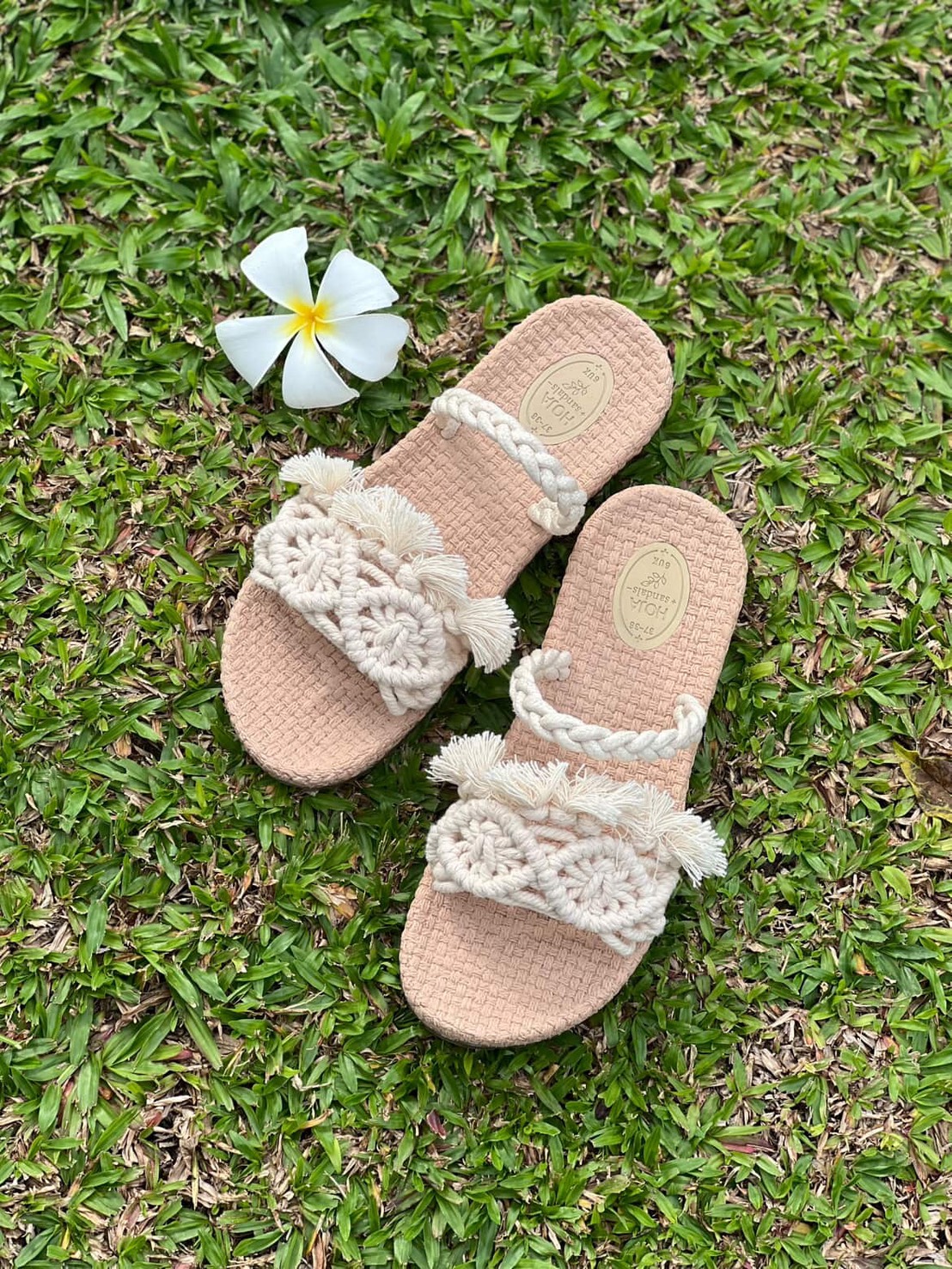
Alongside the sustainability movement, there has been a renewed appreciation for handmade sandals and artisan footwear.
Handcrafted footwear reflects a slower and more thoughtful production process. Unlike mass-produced shoes, handmade sandals are often created by skilled artisans who carefully assemble each pair.
This form of craftsmanship offers several sustainability advantages:
-
smaller production volumes
-
reduced reliance on large-scale industrial manufacturing
-
stronger product quality
-
unique design identity
Handmade sandals also support local communities and traditional craftsmanship, preserving cultural knowledge that might otherwise disappear in an industrialized fashion system.
Because of these benefits, handmade footwear is increasingly recognized as an important part of the sustainable fashion movement.
Sandals World: A Network Supporting Sustainable Sandal Innovation
As sustainability becomes more central to the footwear industry, collaborative networks and creative communities are playing a key role in driving innovation.
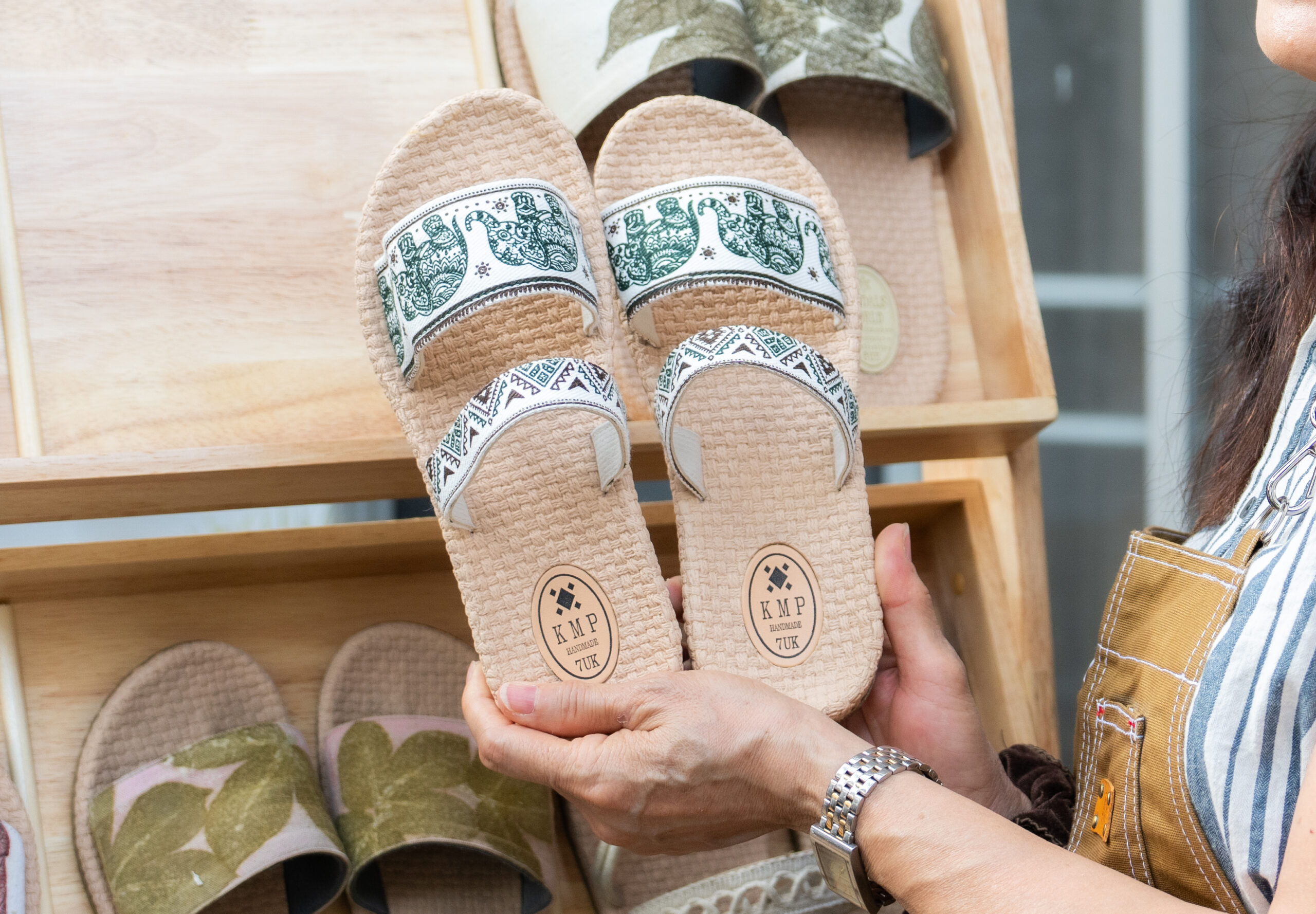
One emerging example is Sandals World, a network that connects designers, artisans, and brands dedicated to the development of modern handmade sandals.
Rather than focusing solely on mass production, the Sandals World ecosystem encourages a balance between craftsmanship, contemporary design, and sustainable practices.
Brands within the Sandals World network explore ways to combine:
-
handcrafted techniques
-
modern footwear design
-
eco-friendly materials
-
responsible manufacturing processes
This approach allows smaller brands to experiment with new ideas while maintaining strong connections to traditional craftsmanship.
By supporting innovation in sustainable sandals and handmade footwear, networks like Sandals World contribute to a more diverse and responsible fashion ecosystem.
Bio EVA: A Key Material for Eco Friendly Sandals
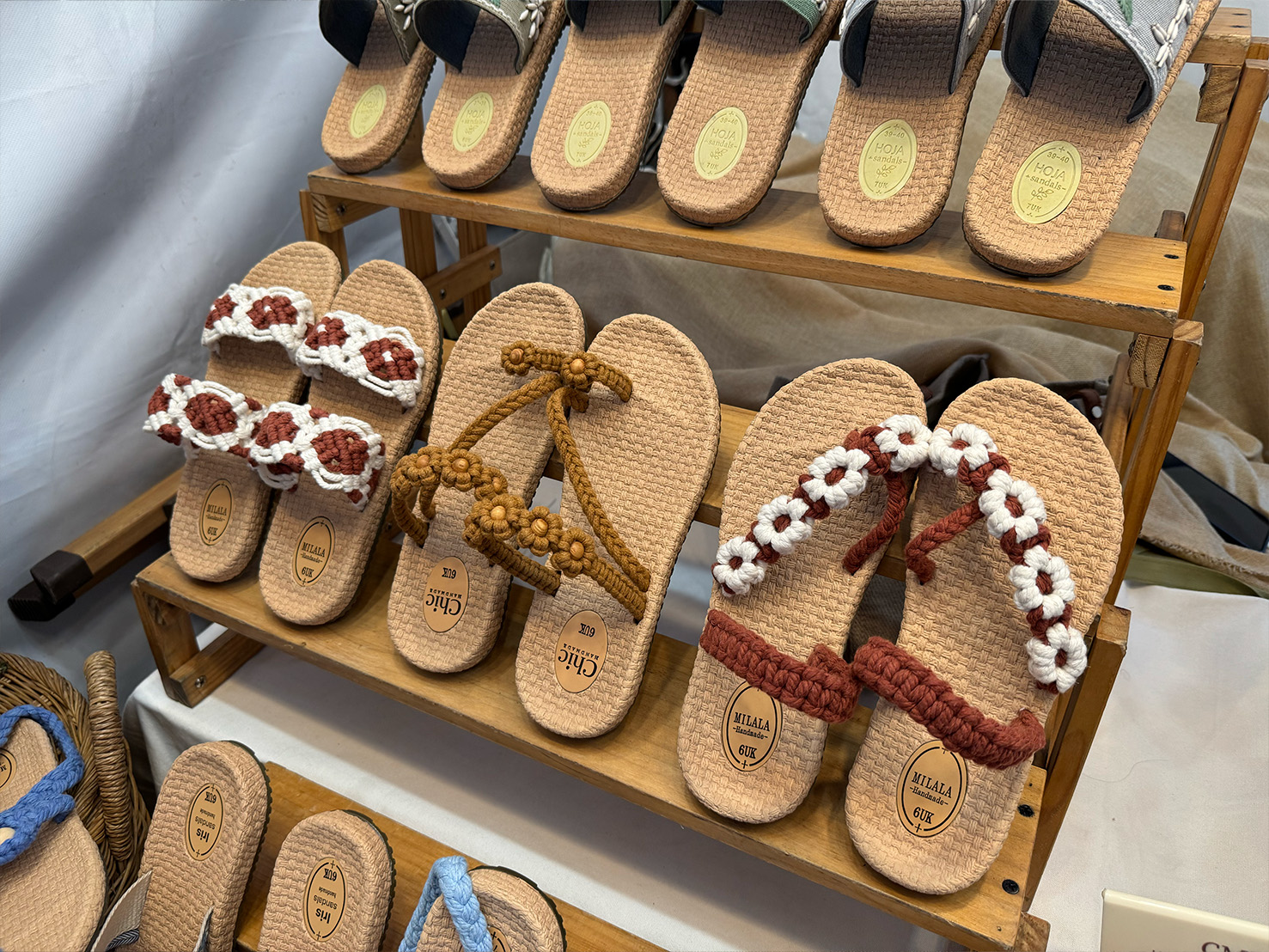
One of the most promising developments in sustainable footwear materials is Bio EVA foam.
Traditional EVA foam is widely used in footwear due to its lightweight structure and cushioning properties. However, conventional EVA is derived from petroleum, which contributes to carbon emissions and fossil fuel consumption.
Bio EVA offers a more sustainable alternative.
Produced using ethanol derived from sugarcane, Bio EVA is partially renewable and has a significantly lower environmental footprint compared to standard EVA materials.
Key advantages of Bio EVA include:
-
lightweight comfort
-
strong flexibility
-
effective shock absorption
-
reduced carbon emissions during production
These properties make Bio EVA an ideal material for eco friendly sandals and sustainable footwear, allowing brands to maintain performance while reducing environmental impact.
Circular Design and the Future of Footwear
Another concept gaining momentum in the footwear industry is circular design.
Circular design focuses on creating products that can remain within the economic system for as long as possible, rather than ending up as waste.
In the context of sustainable sandals, circular design may involve:
-
using recyclable materials
-
designing footwear with fewer mixed components
-
enabling repair and refurbishment
-
creating systems for material recovery
The goal is to transition from a linear production model where products are made, used, and discarded to a circular system where resources are reused and regenerated.
If implemented widely, circular design could dramatically reduce the environmental impact of the footwear industry.
Changing Consumer Values
Consumer attitudes toward fashion are changing rapidly.
Today’s shoppers are increasingly aware of the environmental and social consequences of their purchasing decisions. Many are actively seeking brands that demonstrate transparency, responsibility, and ethical production.
Research indicates that more than two-thirds of consumers are willing to pay more for sustainable products, particularly among younger generations such as Millennials and Gen Z.
This shift in consumer values is encouraging brands to rethink how they communicate their mission and values.
Storytelling has become an important part of sustainable branding. Consumers are interested in learning about:
-
where materials come from
-
how products are made
-
who is involved in the production process
-
how brands are addressing environmental challenges
For sustainable sandal brands, sharing these stories helps build stronger connections with conscious consumers.

The Future of Sustainable Sandals
Looking ahead, the global market for sustainable footwear and eco friendly sandals is expected to continue growing.
Advancements in material science, manufacturing technology, and circular design strategies will likely transform how footwear is produced in the coming decades.
Some emerging innovations include:
-
plant-based materials
-
recycled foam technology
-
biodegradable components
-
modular footwear design
At the same time, consumer demand for authenticity and sustainability will continue to shape the direction of fashion.
A Small Product with a Big Impact
At first glance, sandals may appear to be a simple everyday item. However, they represent an important opportunity to rethink how fashion products are designed and produced.
By integrating sustainable materials, responsible manufacturing practices, and traditional craftsmanship, brands can create products that are both functional and environmentally conscious.
For communities and networks such as Sandals World, this vision represents more than just footwear design. It reflects a broader commitment to building a fashion industry that values creativity, responsibility, and sustainability.
As the world moves toward a more environmentally aware future, sustainable sandals and ethical footwear may become an essential part of how fashion evolves in the years ahead.

Sustainable Sandals: เมื่อรองเท้าแตะกำลังก้าวสู่อนาคตของแฟชั่นที่ยั่งยืน
โลกแฟชั่นกำลังเปลี่ยนไปสู่ความยั่งยืน
ในช่วงไม่กี่ปีที่ผ่านมา โลกแฟชั่นกำลังเผชิญกับการเปลี่ยนแปลงครั้งสำคัญ ผู้บริโภค นักออกแบบ และแบรนด์แฟชั่นทั่วโลกเริ่มตั้งคำถามกับตัวเองมากขึ้นว่า “เราจะสร้างแฟชั่นที่สวยงามโดยไม่ทำลายโลกได้อย่างไร” คำถามนี้นำไปสู่การเกิดขึ้นของแนวคิด Sustainable Fashion หรือแฟชั่นที่ยั่งยืน ซึ่งมุ่งเน้นการออกแบบและผลิตสินค้าโดยลดผลกระทบต่อสิ่งแวดล้อมให้น้อยที่สุด
แม้ว่าหลายคนจะนึกถึงเสื้อผ้าเป็นอันดับแรกเมื่อพูดถึงแฟชั่น แต่ความจริงแล้วรองเท้าก็เป็นส่วนสำคัญของระบบนิเวศแฟชั่นเช่นเดียวกัน โดยเฉพาะ รองเท้าแตะ (sandals) ซึ่งเป็นสินค้าที่ผู้คนทั่วโลกใช้ในชีวิตประจำวัน
ในปัจจุบันคำว่า sustainable sandals, eco friendly sandals และ handmade sandals จึงเริ่มได้รับความสนใจมากขึ้น เพราะรองเท้าแตะกลายเป็นพื้นที่สำคัญในการทดลองแนวคิดใหม่ของแฟชั่นที่ยั่งยืน

อุตสาหกรรมแฟชั่นกับผลกระทบต่อสิ่งแวดล้อม
วิกฤตสิ่งแวดล้อมที่แฟชั่นกำลังเผชิญ
อุตสาหกรรมแฟชั่นถือเป็นหนึ่งในอุตสาหกรรมที่สร้างผลกระทบต่อสิ่งแวดล้อมมากที่สุดในโลก รายงานจากหลายองค์กรด้านสิ่งแวดล้อมระบุว่าอุตสาหกรรมแฟชั่นมีส่วนในการปล่อยก๊าซเรือนกระจกประมาณ 8–10% ของการปล่อยทั้งหมดทั่วโลก ซึ่งมากกว่าการปล่อยก๊าซจากการบินระหว่างประเทศและการขนส่งทางเรือรวมกัน
นอกจากการปล่อยคาร์บอนแล้ว ปัญหาขยะก็เป็นอีกหนึ่งความท้าทายที่สำคัญ โลกสร้าง ขยะสิ่งทอมากกว่า 92 ล้านตันต่อปี และมีเพียงส่วนน้อยเท่านั้นที่ถูกนำกลับมารีไซเคิล
ปัญหาขยะจากรองเท้าในอุตสาหกรรมแฟชั่น
ในแต่ละปีโลกผลิตรองเท้ามากกว่า 24 พันล้านคู่ และรองเท้าจำนวนมากถูกผลิตจากวัสดุสังเคราะห์ เช่น EVA, PVC และ polyurethane ซึ่งอาจใช้เวลาย่อยสลายตั้งแต่ 30 ถึง 50 ปี หรือมากกว่านั้น
รองเท้าที่ถูกทิ้งจำนวนมหาศาลจึงกลายเป็นส่วนหนึ่งของปัญหาขยะในหลุมฝังกลบทั่วโลก และนี่คือเหตุผลที่อุตสาหกรรมรองเท้าเริ่มหันมาพัฒนาแนวคิด sustainable footwear และ eco friendly sandals

Sustainable Sandals คืออะไร
แนวคิดของรองเท้าแตะที่เป็นมิตรต่อโลก
Sustainable sandals คือรองเท้าแตะที่ถูกออกแบบและผลิตโดยคำนึงถึงผลกระทบต่อสิ่งแวดล้อมตลอดวงจรชีวิตของสินค้า ตั้งแต่การเลือกวัสดุ กระบวนการผลิต ไปจนถึงอายุการใช้งานของสินค้า
รองเท้าแตะที่ยั่งยืนมักมีคุณลักษณะสำคัญ เช่น
-
การใช้วัสดุที่เป็นมิตรต่อสิ่งแวดล้อม
-
การผลิตที่ลดของเสีย
-
การออกแบบให้ใช้งานได้นาน
-
การสนับสนุนการผลิตที่มีจริยธรรม
แนวคิดนี้ทำให้ eco friendly sandals กลายเป็นหนึ่งในหมวดสินค้าที่เติบโตเร็วที่สุดในตลาดรองเท้า
Bio EVA: วัสดุแห่งอนาคตของรองเท้าแตะรักษ์โลก
หนึ่งในนวัตกรรมวัสดุที่กำลังได้รับความสนใจในอุตสาหกรรมรองเท้าคือ Bio EVA Foam
วัสดุชนิดนี้ผลิตจากเอทานอลที่ได้จากพืช เช่น อ้อย ทำให้สามารถลดการพึ่งพาปิโตรเลียมและลดการปล่อยคาร์บอนได้อย่างมีนัยสำคัญ เมื่อเทียบกับ EVA แบบดั้งเดิมที่ผลิตจากฟอสซิล
Bio EVA ยังมีคุณสมบัติที่เหมาะสำหรับการผลิตรองเท้า เช่น
-
น้ำหนักเบา
-
ยืดหยุ่นสูง
-
รองรับแรงกระแทกได้ดี
-
เหมาะสำหรับรองเท้าแตะที่ต้องการความสบายในการสวมใส่
ด้วยเหตุนี้ Bio EVA จึงกลายเป็นวัสดุสำคัญในการพัฒนา sustainable footwear และ eco friendly sandals

การกลับมาของ Handmade Sandals และแนวคิด Slow Fashion
งานฝีมือกับความยั่งยืนในโลกแฟชั่น
หนึ่งในเทรนด์ที่เติบโตควบคู่ไปกับความยั่งยืนคือการกลับมาของ handmade sandals หรือรองเท้าแตะแฮนด์เมด
รองเท้าที่ผลิตด้วยมือสะท้อนแนวคิดของ Slow Fashion ซึ่งให้ความสำคัญกับคุณภาพ ความทนทาน และการผลิตอย่างรับผิดชอบ มากกว่าการผลิตจำนวนมากแบบ fast fashion
การผลิตแบบงานฝีมือมีข้อดีหลายด้าน เช่น
-
ผลิตในปริมาณจำกัด
-
ลดการใช้เครื่องจักรอุตสาหกรรม
-
สนับสนุนช่างฝีมือท้องถิ่น
-
มีเอกลักษณ์เฉพาะตัว
สิ่งเหล่านี้ทำให้ handmade sandals กลายเป็นหนึ่งในหมวดสินค้าที่สอดคล้องกับแนวคิดของ sustainable fashion
Sandals World: เครือข่ายรองเท้าแตะที่ขับเคลื่อนความยั่งยืน
ในช่วงไม่กี่ปีที่ผ่านมา ได้เกิดเครือข่ายของนักออกแบบและผู้ผลิตรองเท้าแตะที่ต้องการสร้างแนวทางใหม่ให้กับอุตสาหกรรมรองเท้า หนึ่งในนั้นคือ Sandals World
Sandals World เป็น ecosystem ที่เชื่อมโยงแบรนด์รองเท้าแตะ ช่างฝีมือ และนักออกแบบเข้าด้วยกัน เพื่อพัฒนา sustainable sandals และ handmade sandals ที่ผสมผสานระหว่างงานคราฟต์ การออกแบบร่วมสมัย และแนวคิดด้านความยั่งยืน
ภายในเครือข่ายนี้ แบรนด์ต่าง ๆ สามารถทดลองแนวคิดใหม่ ๆ เช่น
-
การใช้วัสดุที่เป็นมิตรต่อสิ่งแวดล้อม
-
การพัฒนานวัตกรรมวัสดุ เช่น Bio EVA
-
การสร้างดีไซน์ที่สะท้อนเอกลักษณ์ของงานฝีมือ
แนวทางนี้ช่วยให้รองเท้าแตะไม่ได้เป็นเพียงสินค้าแฟชั่นทั่วไป แต่กลายเป็นสินค้าที่มีเรื่องราวและคุณค่าทางวัฒนธรรม

Circular Design: อนาคตของรองเท้าแตะรักษ์โลก
อีกหนึ่งแนวคิดที่กำลังเข้ามามีบทบาทในอุตสาหกรรมแฟชั่นคือ Circular Design
Circular Design คือการออกแบบสินค้าโดยคำนึงถึงการนำวัสดุกลับมาใช้ใหม่ตั้งแต่ต้น เพื่อลดปริมาณขยะและสร้างระบบเศรษฐกิจหมุนเวียน
ในบริบทของรองเท้าแตะ แนวคิดนี้อาจรวมถึง
-
การใช้วัสดุที่สามารถรีไซเคิลได้
-
การออกแบบให้รองเท้าแยกชิ้นส่วนได้ง่าย
-
การลดการใช้วัสดุหลายประเภทในผลิตภัณฑ์เดียว
แนวทางนี้กำลังกลายเป็นหนึ่งในกลยุทธ์สำคัญของการพัฒนา eco friendly sandals และ sustainable footwear
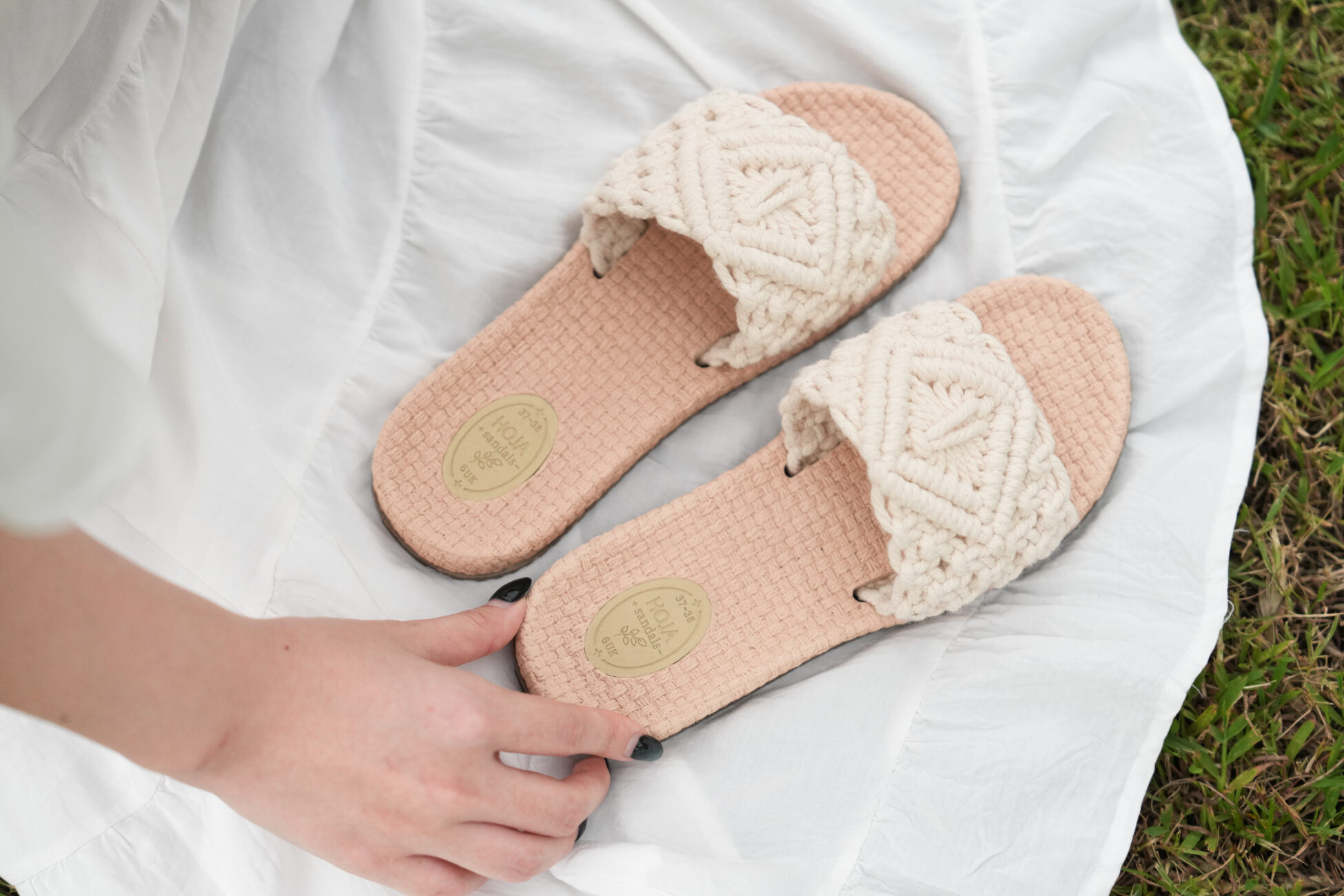
อนาคตของ Sustainable Sandals ในอุตสาหกรรมแฟชั่น
ผู้บริโภคยุคใหม่กำลังให้ความสำคัญกับสินค้าที่มีความรับผิดชอบต่อโลกมากขึ้น งานวิจัยหลายชิ้นพบว่าผู้บริโภคจำนวนมากยินดีจ่ายเงินเพิ่มเพื่อสนับสนุนสินค้าที่มีความยั่งยืน
แนวโน้มนี้ทำให้ตลาดของ sustainable sandals และ eco friendly footwear มีโอกาสเติบโตอย่างต่อเนื่องในอนาคต เทคโนโลยีด้านวัสดุชีวภาพ วัสดุรีไซเคิล และการผลิตแบบ circular manufacturing กำลังพัฒนาอย่างรวดเร็ว และจะกลายเป็นส่วนสำคัญของอุตสาหกรรมรองเท้าในอีกหลายปีข้างหน้า
แม้รองเท้าแตะจะดูเหมือนเป็นสินค้าที่เรียบง่าย แต่เมื่อถูกออกแบบด้วยแนวคิดที่ยั่งยืน มันสามารถสะท้อนการเปลี่ยนแปลงที่ใหญ่กว่านั้นได้ การผสมผสานระหว่าง handmade craftsmanship, sustainable materials และการออกแบบที่รับผิดชอบต่อสิ่งแวดล้อม อาจเป็นก้าวสำคัญที่ทำให้รองเท้าแตะกลายเป็นส่วนหนึ่งของอนาคตของแฟชั่นที่ยั่งยืน
สำหรับเครือข่ายอย่าง Sandals World การพัฒนารองเท้าแตะไม่ได้เป็นเพียงเรื่องของสินค้า แต่เป็นการสร้างระบบนิเวศของแฟชั่นที่ผสมผสานความคิดสร้างสรรค์ งานฝีมือ และความรับผิดชอบต่อโลกเข้าด้วยกัน และในโลกที่กำลังเปลี่ยนไปสู่ความยั่งยืน แนวคิดของ sustainable sandals, eco friendly sandals และ handmade sandals อาจกลายเป็นหนึ่งในทิศทางสำคัญของอุตสาหกรรมแฟชั่นในอนาคต

#Sandalsworld #รองเท้าartandcraft #รองเท้าแตะสานแฮนด์เมด #artandcraftsandals #artistichandmadesandals #handmade #artandcraft #sandals #รองเท้าแฮนด์เมด #รองเท้าแตะใส่แล้วไม่ลื่น #รองเท้ายางพารา #ใส่ไปไหนก็ได้
บทความโดย
Art and craft sandals by Sandalsworld thailand.

ABOUT THE CONTENT CREATOR
BUNTHARIK INSIRI
(Content Writer)
The Largest HubArtistic Handmade Sandals
BY
SANDALS WORLD THAILAND
of Artistic Handmade Sandals in Thailand.