

Brand Stories
Thailand May Pay More Than You Think as the World Gets Hotter

Nov
What if one day you had to pay more for electricity, spend more on food, and work harder just to earn the same income? All of this could be connected to one growing problem: global warming.
Imagine buying the same groceries, using the same appliances, and working just as hard as before. Yet somehow, your monthly expenses keep rising.
Many people might blame inflation, fuel prices, or the economy. However, another powerful factor is quietly increasing the cost of everyday life: global warming.
A 2025 report by the World Bank and the Bangkok Metropolitan Administration estimated that if Bangkok’s average temperature rises by just 1°C, without sufficient adaptation measures, annual electricity costs could increase by approximately 17 billion baht. Meanwhile, lost labor productivity could cost the city more than 44 billion baht annually.
These figures represent Bangkok alone. So, what could happen when we consider the entire country?
Even more concerning, some of these costs may already be entering our daily lives without us realizing it.
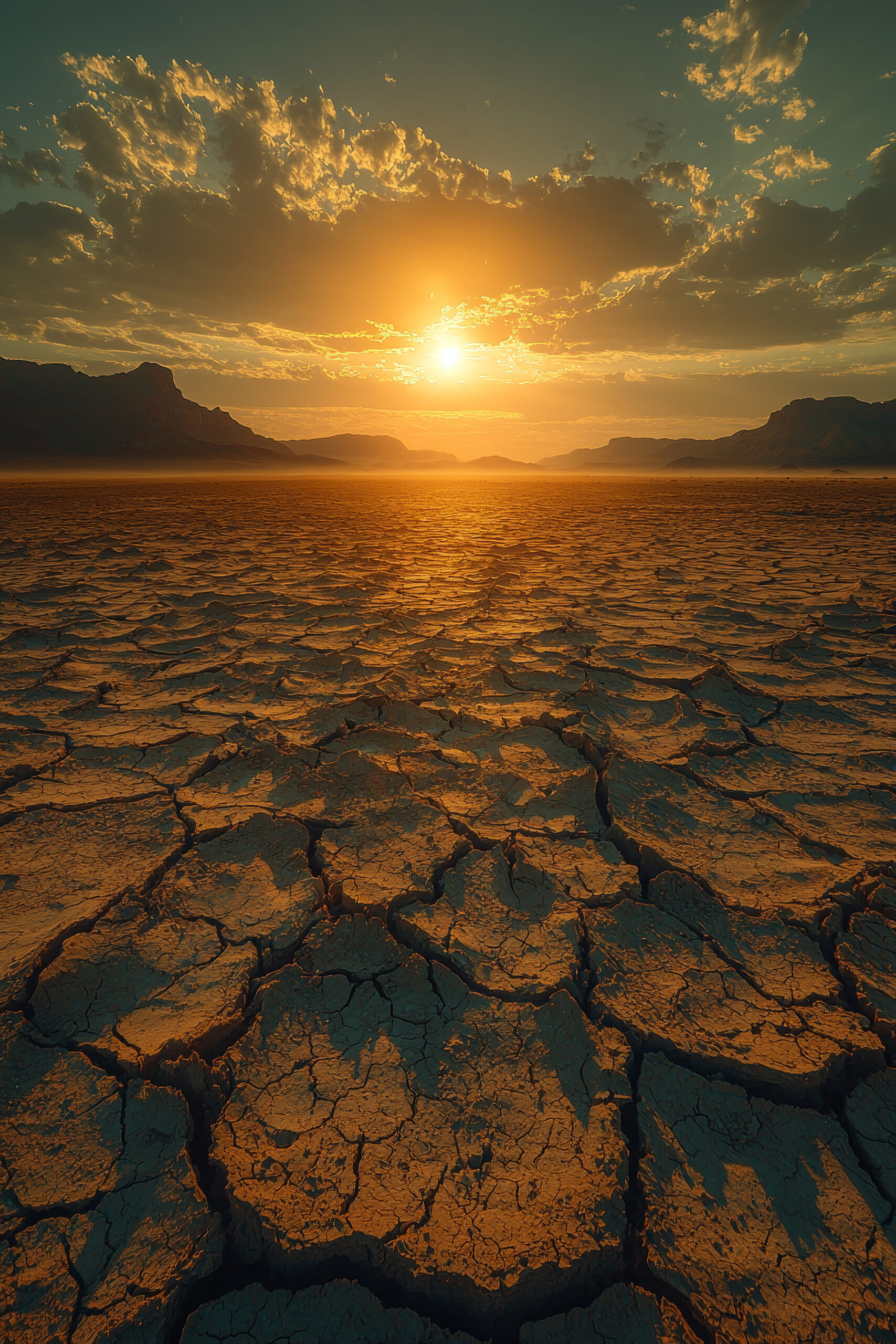
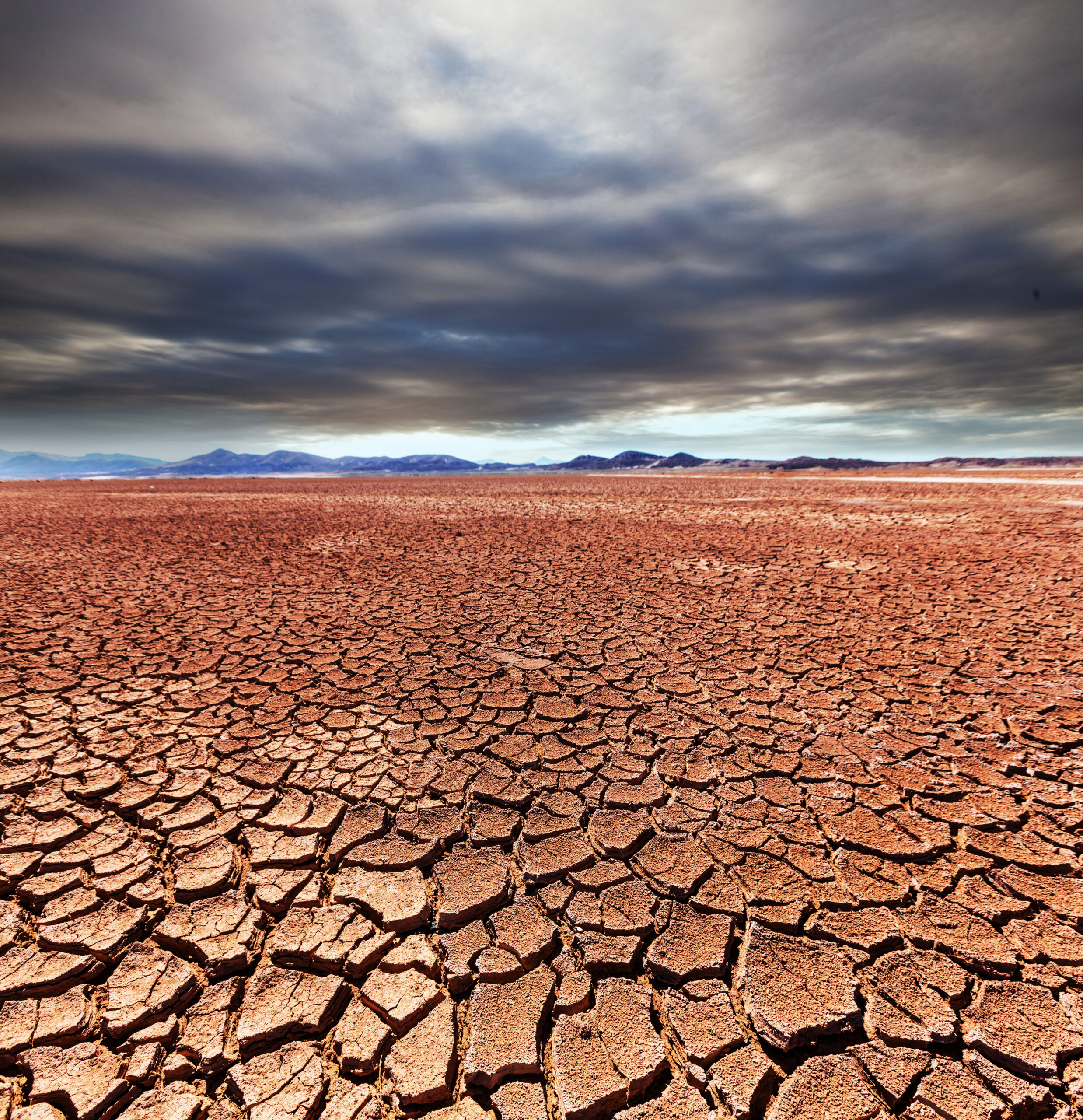
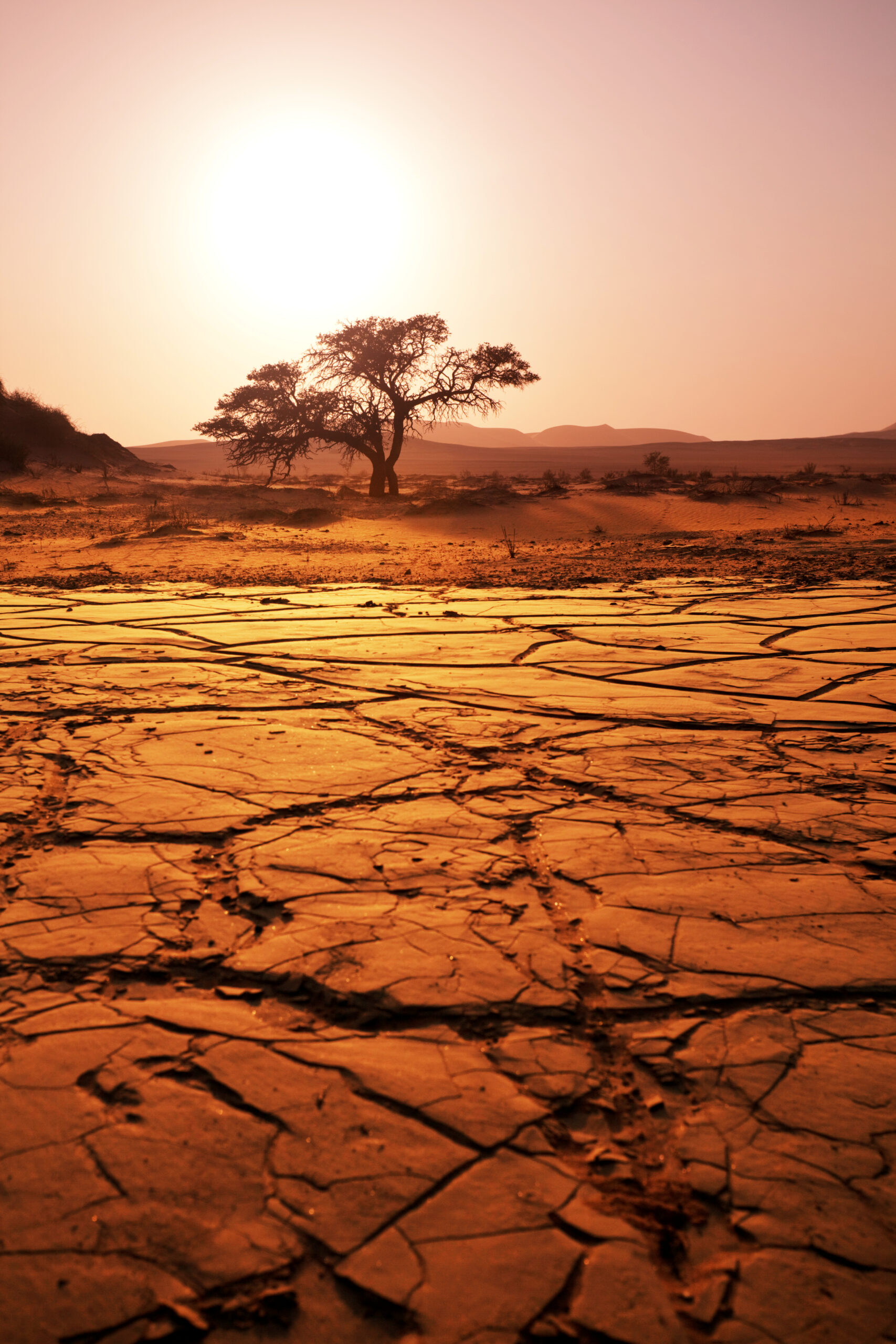
An increase of just 1°C might not sound particularly alarming. After all, temperatures can change by several degrees throughout a normal day.
However, when we talk about the Earth’s average temperature, the situation becomes far more serious.
A 1°C increase in global temperature refers to a long-term shift in the planet’s average climate compared with a historical reference period. It is not simply about how hot one particular day feels.
According to the World Meteorological Organization (WMO), the Earth’s average temperature in 2025 was approximately 1.43°C above pre-industrial levels.
Furthermore, the period from 2015 to 2025 represents the 11 warmest years on record.
As the planet accumulates more heat, natural systems begin to change. These changes influence the frequency of heatwaves, water demand, and environmental conditions affecting food production.
However, warming does not occur equally everywhere. Certain regions may experience temperature increases greater than the global average, particularly major cities filled with buildings, roads, and heat-absorbing concrete.
So, how is rising heat affecting the money in our pockets? The first answer may be hiding in our monthly electricity bills.

1. Higher Electricity Bills, Even Without Using More Appliances
Have you ever wondered why your air conditioner seems to work harder on extremely hot days, even when you keep the temperature setting unchanged?
As outdoor temperatures rise, air conditioners generally need more energy to maintain comfortable indoor conditions.
At the same time, shops, hospitals, hotels, and offices require additional cooling to keep their environments comfortable and safe.
This means the financial impact extends beyond household electricity bills. It can also increase operating costs for businesses.
The World Bank’s report, Shaping a Cooler Bangkok: Tackling Urban Heat for a More Livable City, estimated that a 1°C increase in Bangkok’s average temperature could lead to:
- Nearly a 7% increase in electricity consumption.
- An additional 400–450 baht in monthly electricity expenses for an average household.
- Approximately 17.31 billion baht in additional annual electricity costs across Bangkok.
These figures come from a modeling study. They do not mean every household will experience the same increase, as actual expenses depend on appliances, building design, and individual energy consumption.
Nevertheless, consider a household that needs to spend several hundred baht more each month simply to cope with rising temperatures.
That money could otherwise support groceries, transportation, education, or savings.
Lower-income households may face even greater difficulties because electricity expenses can consume a larger proportion of their available income.
And electricity is only the first hidden cost. Rising temperatures can also affect something we rely on every single day: food.
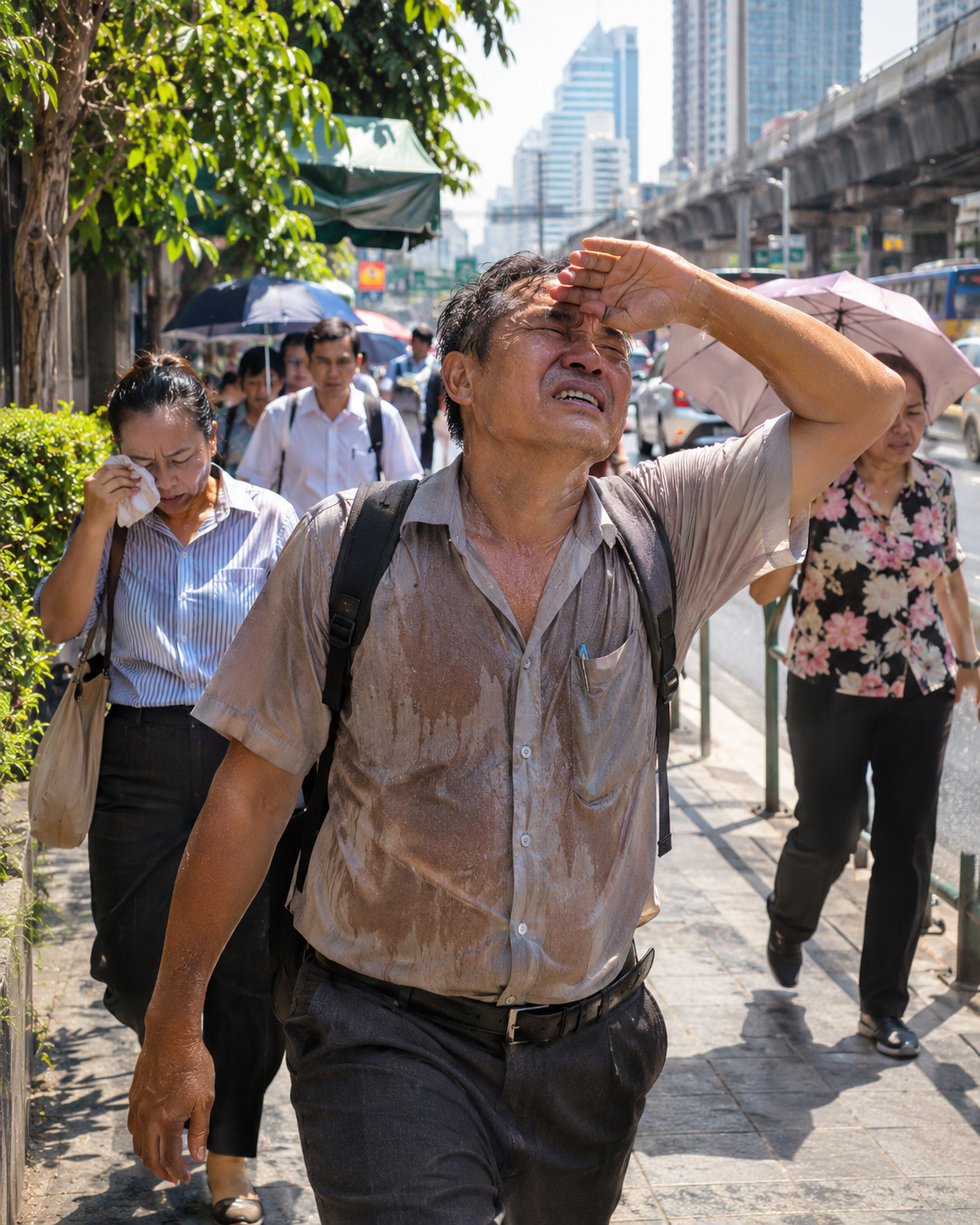
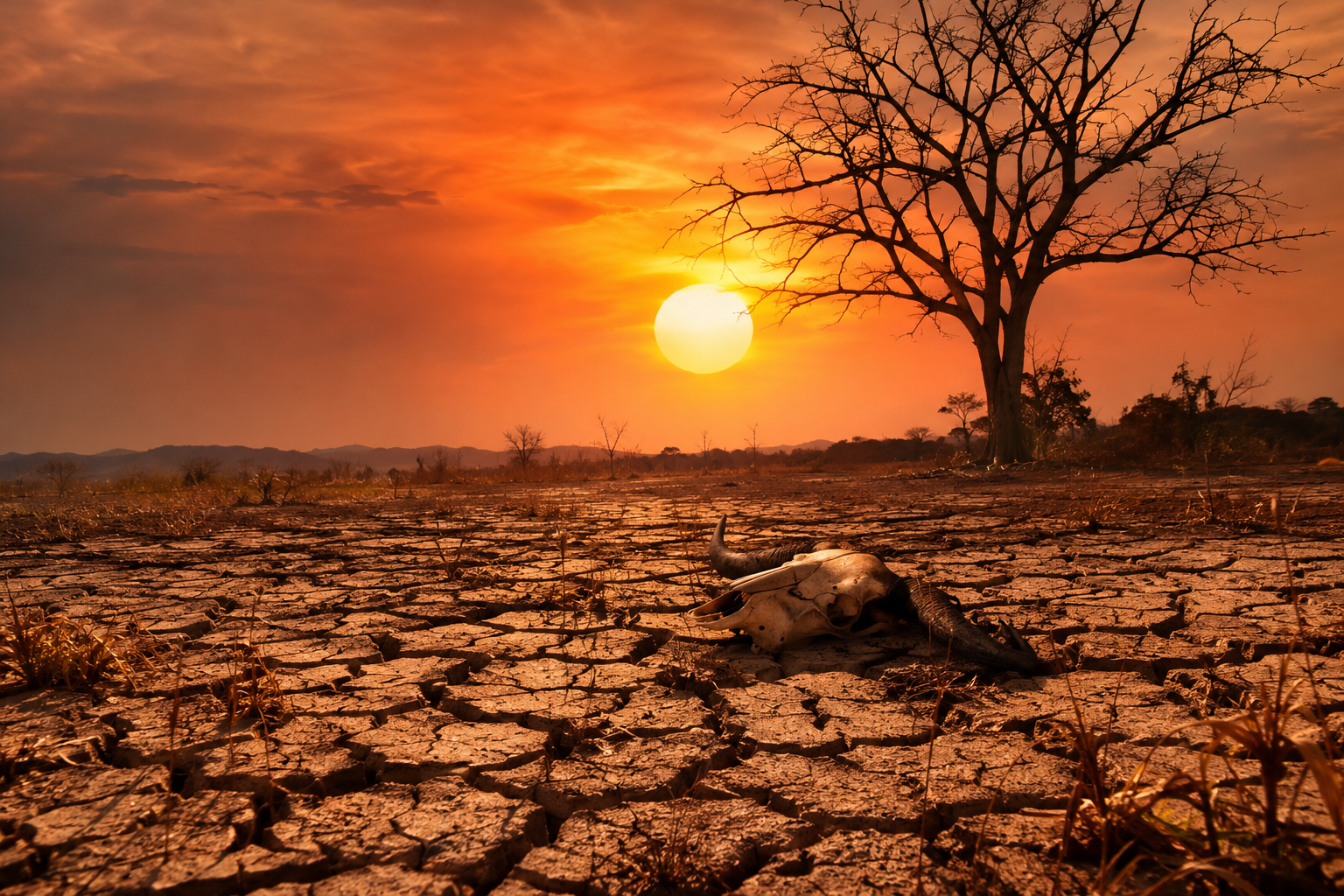
2. Food Could Become More Expensive, Even If We Eat the Same Amount
A single meal involves far more resources than we might imagine.
From farmers growing crops and managing water supplies to harvesting, transportation, refrigeration, and retail, every stage of food production carries a cost.
But what happens when rising temperatures begin increasing costs across several stages at once?
Higher temperatures can place additional heat stress on crops and livestock, potentially affecting growth, productivity, and agricultural yields.
Farmers may also need additional water or energy to maintain production under increasingly challenging conditions.
Meanwhile, keeping food fresh can become more energy-intensive because cooling systems must work harder against higher outdoor temperatures.
When these pressures occur together, production costs may rise, and some of those additional expenses can eventually reach consumers.
The Surprising Numbers: How Global Warming Could Influence Food Inflation
Research by Maximilian Kotz and colleagues estimated that under projected climate conditions for 2035, rising temperatures could increase global annual food inflation by approximately 0.92–3.23 percentage points compared with a scenario without the additional temperature-related effects.
These estimates describe potential global impacts. They do not mean food prices in Thailand will necessarily increase by the same amount.
Nevertheless, Thailand’s agricultural sector, food manufacturing industry, and tourism economy are closely connected to food supply chains.
When raw material costs rise, small businesses may face a difficult choice: accept lower profit margins or increase their selling prices.
In other words, we may end up paying more not because we are eating more, but because producing every meal has become more expensive.
And as living costs continue to rise, another important question emerges: will our income be able to keep up?
3. Working Just as Hard, but Potentially Earning Less
If extreme heat makes people work more slowly, who ultimately pays the price?
Heat does more than make us feel uncomfortable. It can directly affect our ability to work, particularly in physically demanding and outdoor occupations.
Farmers, construction workers, delivery workers, and market vendors regularly face high temperatures while carrying out their daily responsibilities.
When heat exposure becomes excessive, workers may need more frequent breaks, require additional time to complete tasks, or reduce working hours to protect their health.
This can contribute to what economists call productivity loss.
A World Bank study of Bangkok estimated that a 1°C increase in the city’s average temperature could reduce labor productivity by approximately 3.3–3.4%.
The resulting loss of labor income could reach around 44.7 billion baht annually.
Consider a small business that needs to complete orders within a limited timeframe.
If employees are working more slowly because of extreme heat, production may take longer while wages and other operating costs continue.
For some workers, fewer working hours may also mean lower earnings.
Of course, heat does not affect every occupation equally. Working environments, protective measures, and job requirements all influence the level of risk.
Nevertheless, the central concern remains:
Global warming could increase living expenses while simultaneously reducing earning opportunities for certain groups of workers.
And these financial pressures may become even more serious when rising temperatures begin affecting human health.


4. The Cost of Health: Sometimes More Expensive Than Money Can Measure
Many people consider hot weather little more than a temporary inconvenience.
However, for vulnerable populations, extreme heat can become life-threatening.
When the human body cannot regulate its temperature effectively, excessive heat exposure may cause dehydration, heat exhaustion, or heatstroke.
High temperatures can also increase health risks for people living with certain medical conditions, particularly cardiovascular and respiratory diseases.
According to the World Health Organization (WHO), an estimated 489,000 heat-related deaths occurred worldwide annually, on average, between 2000 and 2019.
Approximately 45% of these deaths occurred in Asia.
These numbers reveal a problem far more serious than uncomfortable weather. They also highlight how unequally the consequences of extreme heat are distributed.
Children, older adults, people with pre-existing health conditions, and outdoor workers are among those who may require greater protection.
For Bangkok, the World Bank estimated that if the city’s average temperature increased by another 1°C, the projected annual number of heat-related deaths could reach approximately 2,333 under the study’s upper estimate.
This figure represents a modeled total under the specified scenario. It does not mean that 2,333 additional deaths would occur, nor does it represent an observed death toll.
Beyond medical expenses, extreme heat may also create financial burdens through missed work, reduced earnings, and additional family caregiving responsibilities.
As global temperatures continue to rise, we may need to ask a difficult question:
Could access to safe, cool environments become another form of inequality?
5. Thailand Could Face GDP Losses of 7–14% by 2050 Without Further Adaptation
What happens when higher electricity bills, rising food costs, declining productivity, and health risks begin affecting the economy simultaneously?
The answer may be more concerning than expected.
The World Bank’s Thailand Country Climate and Development Report, published in October 2025, estimated that without sufficient additional adaptation measures, climate-related impacts could leave Thailand’s GDP in 2050 approximately 7–14% lower than it would otherwise be under the study’s baseline scenario.
This estimate reflects several climate-related risks, including extreme heat, droughts, flooding, and coastal changes.
It does not represent the economic impact of a 1°C temperature increase alone.
For Thailand, an economy supported by agriculture, manufacturing, and tourism, these risks are closely connected.
For example, declining agricultural production may increase raw material costs. Meanwhile, factories may require additional energy, and some workers may become less productive because of rising heat.
Eventually, these pressures can influence the prices of goods and services throughout the economy.
Importantly, the estimated 7–14% GDP impact does not mean Thailand’s economy will necessarily shrink by that amount from its current size.
Rather, it describes how much smaller the economy could be in 2050 compared with the modeled baseline under the specified assumptions.
The real question is no longer simply how much warmer the world will become, but whether we can prepare quickly enough to reduce the damage.
What Can We Do to Prevent Rising Temperatures From Becoming an Even Greater Financial Burden?
What Can We Do to Prevent Rising Temperatures From Becoming an Even Greater Financial Burden?

Build Cooler Cities Instead of Simply Turning Up the Air Conditioning
Cities can reduce heat accumulation by expanding green spaces, planting shade trees, creating more comfortable pedestrian routes, and designing buildings with better ventilation.
At the same time, energy-efficient cooling systems can help reduce unnecessary electricity consumption.

Help Agriculture Adapt to a Changing Climate
Improved water management, suitable crop varieties, and climate-informed planning can help farmers respond to changing environmental conditions.
Reducing food losses during transportation and storage can also help control costs throughout the supply chain.

Protect Workers From Extreme Heat
Employers can introduce appropriate rest breaks, provide access to drinking water, and adjust working schedules to reduce exposure to dangerous heat.
Such measures can protect workers’ health while helping businesses maintain operations and productivity.

Rethink How We Produce and Use Resources
Businesses have opportunities to improve production processes, increase energy efficiency, and make more responsible choices regarding materials and product lifespans.
Consumers can also contribute by choosing quality products designed for long-term use and maintaining them properly.
But when we talk about sustainability, where should responsibility begin within the business world?






Sandals World: Because Change Can Begin With the Materials We Choose
We may not be able to stop global warming through a single action, but every industry has an opportunity to rethink how it uses resources.
At Sandals World, we believe that a product’s value should extend beyond its appearance. It should also reflect consideration for materials, people, and the craftsmanship behind its creation.
As a creative hub for Thai handmade sandals, Sandals World supports local artisans, promotes craftsmanship, and encourages the development of distinctive footwear connected to local communities.
Through our vision of Sustainable Thai Craft Sandals, we aim to continuously develop our products, from thoughtful design to more responsible material choices.
One important initiative is SW GREEN, a project that explores more responsible material development through the concept of Material Transition.
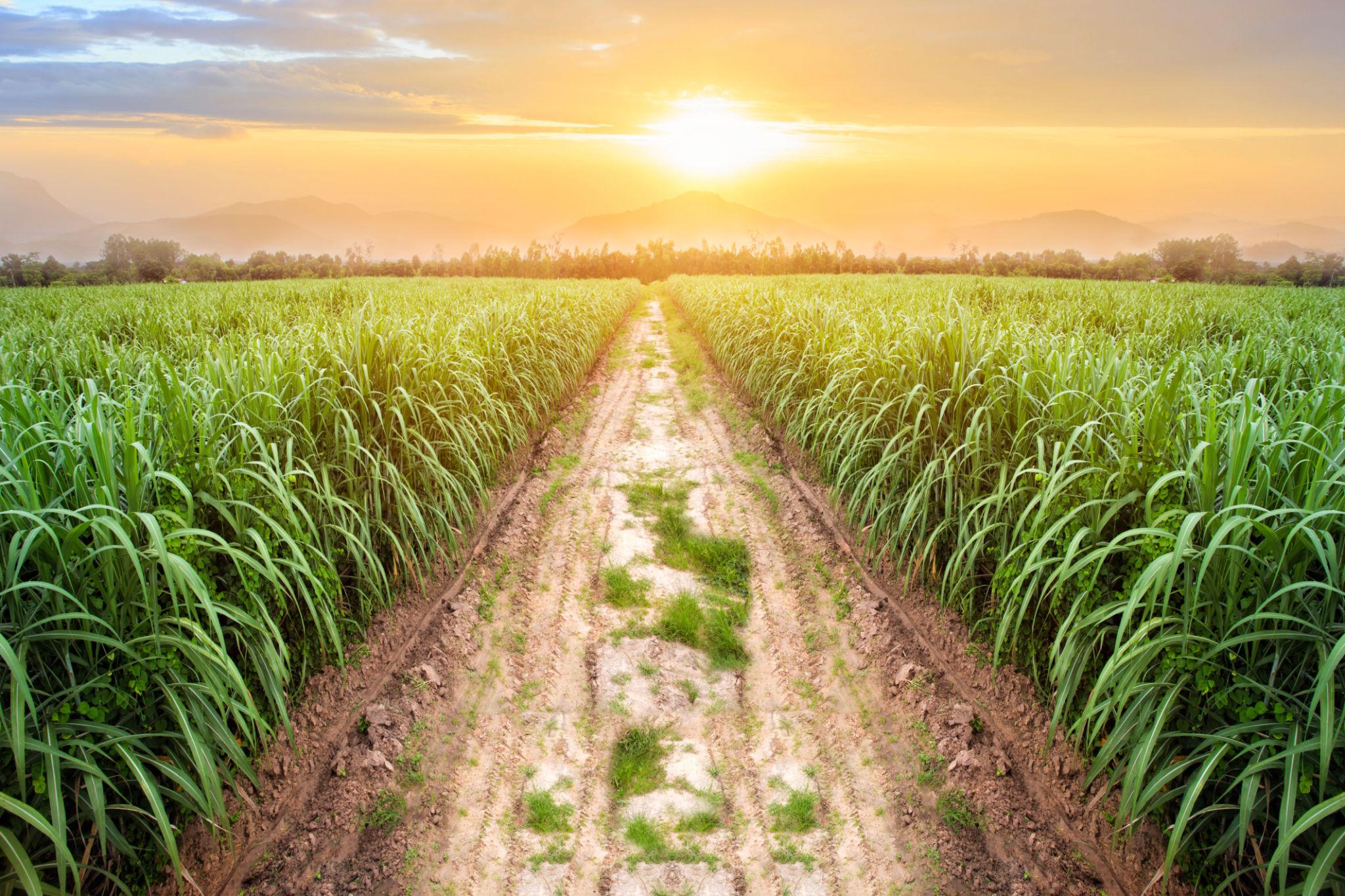
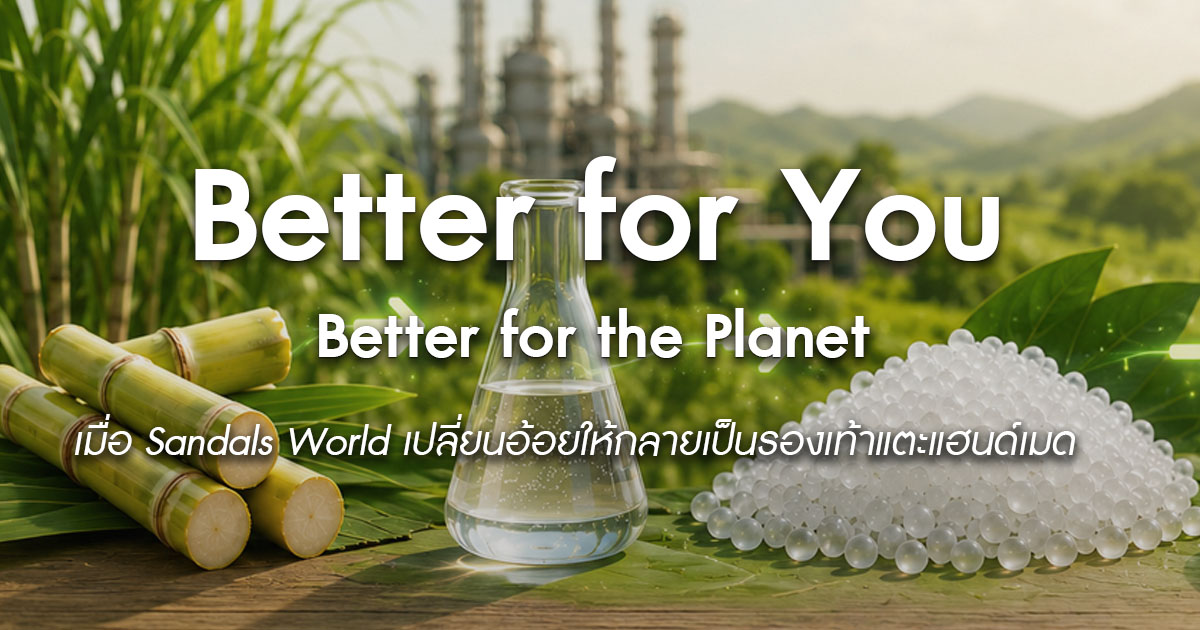
A key example is the introduction of BIO EVA SW GREEN, a foam material incorporating bio-based feedstocks derived from renewable sources such as sugarcane.
This development is part of our effort to explore ways to reduce reliance on fossil-based raw materials.
Selected collections from VPADA Bangkok have already begun incorporating BIO EVA SW GREEN into their sandal designs.
However, BIO EVA SW GREEN does not mean that the material is naturally biodegradable or has zero environmental impact.
Evaluating its environmental performance requires reliable information about its production, material composition, and full product life cycle.
Alongside material development, Sandals World continues to celebrate Thai handmade craftsmanship and the creativity of local communities.
From Artistic Handmade Sandals to Art & Craft Sandals, our approach brings together traditional skills and contemporary design to create distinctive Thailand sandals.
We believe great sandals should offer more than beautiful designs. They should also reflect quality, thoughtful material selection, and appreciation for the people who make them.
Of course, switching to alternative materials alone cannot solve the climate crisis.
Nevertheless, reviewing production practices, considering product durability, and developing more responsible material options are meaningful actions that businesses can begin taking today.
BIO EVA SW GREEN
A Warmer World Doesn’t Just Make Us Feel Hotter. It Could Make Life More Expensive.
We may not yet recognize every consequence of global warming, but some of its costs are already finding their way into everyday life.
Electricity, food, healthcare, and income may seem like separate concerns. However, all are connected to the changing climate.
What makes this challenge particularly concerning is that its financial burdens may fall most heavily on those with the fewest resources to adapt.
Still, the future is not entirely predetermined.
The decisions we make today about energy, urban development, production, and resource use can help reduce future climate-related losses.
Because ultimately, the greatest price of global warming may not be the cost of any single product, but the cost of the future we will all have to share.
The Future Costs More If We Do Nothing Today.
SW GREEN by Sandals World
A Better Material Choice, Not a Zero-Impact Promise.
Material Transition — A Thoughtful Step Forward.
Discover more about responsible materials, craftsmanship, and sustainability at Sandals World.
𝙎𝙖𝙣𝙙𝙖𝙡𝙨 𝙒𝙤𝙧𝙡𝙙 𝙞𝙨 𝙏𝙝𝙖𝙞𝙡𝙖𝙣𝙙’𝙨 𝙡𝙖𝙧𝙜𝙚𝙨𝙩 𝙝𝙪𝙗 𝙤𝙛 𝙖𝙧𝙩𝙞𝙨𝙩𝙞𝙘 𝙝𝙖𝙣𝙙𝙢𝙖𝙙𝙚 𝙨𝙖𝙣𝙙𝙖𝙡𝙨


ABOUT THE CONTENT CREATOR
BUNTHARIK INSIRI
(Content Writer)
#Sandalsworld #รองเท้าartandcraft #รองเท้าแตะสานแฮนด์เมด #handmade #artandcraft #sandals #รองเท้าแฮนด์เมด #รองเท้าแตะใส่แล้วไม่ลื่น #รองเท้ายางพารา #ใส่ไปไหนก็ได้
Sandals World | Art & Craft Sandals | Sustainable Thai Craft Sandals Tags: handmade sandals, sandals world, foot health,
Thailand sandals, artistic handmade sandals, art & craft sandals, plantar fasciitis, bunion, sustainable sandals and BIO EVA ,SW GREEN

Thailand May Pay More Than You Think as the World Gets Hotter
Views: 1 What if one day you had to pay more for electricity, spend more [...]
Nov

From Sugarcane to Sandals: BIO EVA & SW GREEN A New Chapter for Thai Craftsmanship
Views: 10 A Thoughtful Step Forward Because a Better Future Begins with the Materials We [...]
Oct
Climate Crisis 2026: Four Years Left to Act? How Global Warming, El Niño, and Extreme Weather Are Changing Our Future
Views: 16 What if food becomes more expensive, clean water becomes harder to access, and [...]
Oct

Halloween 2026 in Song Wat: Explore Bangkok’s Trendiest Old Town with VPADA’s Spooky Cute Pop-up!
Views: 13 Something spooky, something cute! Halloween is taking over Song Wat, and VPADA Bangkok [...]
Oct

Milala Handmade in Tainan: Every Step Becomes a Memory
Views: 13 Some journeys end when we return home, but the most meaningful memories often [...]
Oct

VPADA Handmade Sandals: Better Together, Sweeter Your Way! Discover Chang Journey’s New Color & Orchid Sandals
Views: 19 Who says handmade sandals have to be simple? Sometimes, the smallest details can [...]
Oct

Halloween in Chiang Mai: Too Many Beautiful Sandals to Choose From! Discover CMP Handmade Sandals
Views: 19 Spooky Season, Stylish Steps! What’s scarier than ghosts this Halloween? Finding so many [...]
Oct

BIO EVA: From Sugarcane to Every Step A New Chapter in Handmade Sandals
Views: 18 When we think of sugarcane, we often imagine sugar, sweet drinks, or agricultural [...]
Oct
SANDALS WORLD GUIDE

Artistic Handmade Sandals
BY
SANDALS WORLD THAILAND
The Largest Hub
of Artistic Handmade Sandals in Thailand.