

Brand Stories
Loy Krathong 2026: Can Thailand Celebrate Its Beautiful Traditions Without Creating More Waste?
Nov
SW GREEN by Sandals World × QUALY
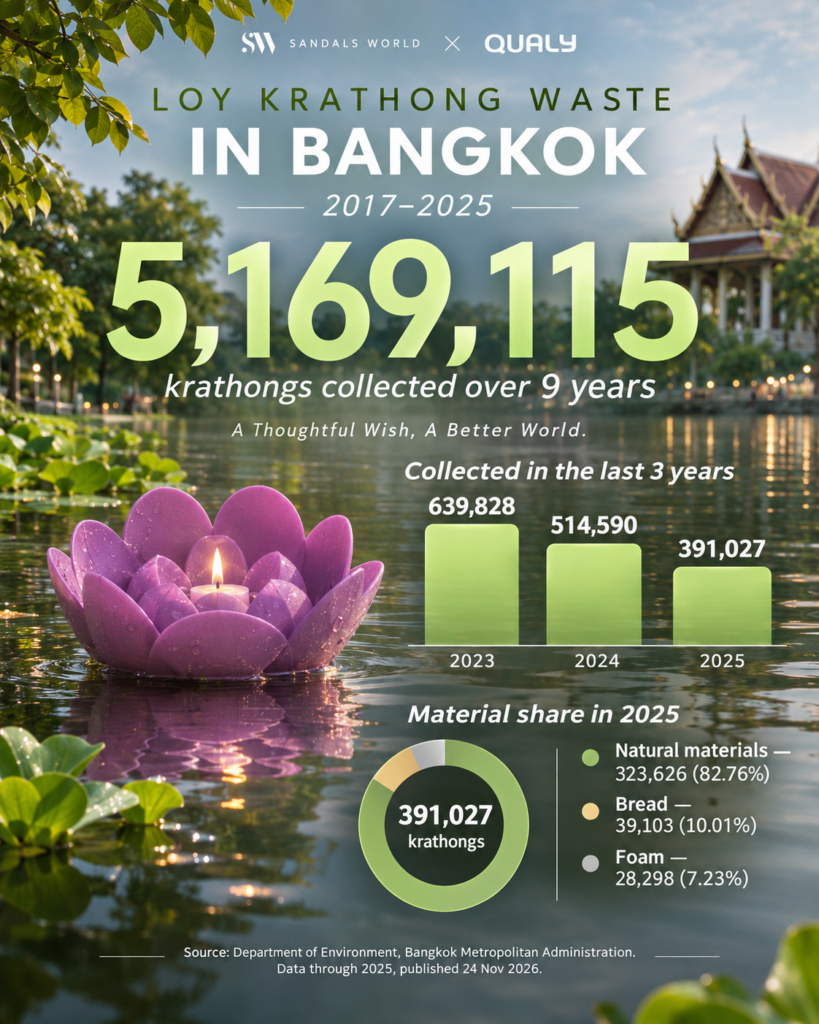
More than five million krathongs were collected in Bangkok alone between 2017 and 2025.
Behind the beautiful full moon, glowing candles, colorful Thai outfits, and thousands of wishes floating across the water lies an environmental challenge that deserves more attention.
In 2025, the Bangkok Metropolitan Administration (BMA) collected 391,027 krathongs after the festival. Although the overall number decreased compared with previous years, waste from the celebration remains a concern.
| Year | Krathongs collected in Bangkok |
|---|---|
| 2023 | 639,828 |
| 2024 | 514,590 |
| 2025 | 391,027 |
These figures only represent Bangkok, not the entire country.
It raises an interesting question: if Loy Krathong is a tradition that expresses gratitude and respect for water, shouldn’t the way we celebrate reflect that same intention?
This question inspired A Thoughtful Wish, A Better World, a creative collaboration between Sandals World and QUALY that explores how Thai culture, responsible design, and sustainability can move forward together.
The Meaning of Loy Krathong Goes Beyond Making a Wish
Loy Krathong is one of Thailand’s most beautiful cultural celebrations. Every year, on the full moon of the twelfth month of the Thai lunar calendar, people gather near rivers, canals, and ponds to float small decorated vessels known as krathongs.
For many Thai people, the festival represents gratitude toward water, a symbolic release of negativity, and hope for a better future.
For international visitors, it offers a meaningful introduction to Thailand’s cultural identity and the relationship between Thai communities and nature.
Water has always played an essential role in Thai life, supporting agriculture, transportation, livelihoods, and local traditions.
Although the exact historical origins of Loy Krathong remain uncertain, its connection to water and nature continues to shape the way people understand the celebration today.
That’s why sustainability doesn’t have to feel like a modern concept imposed on an old tradition. In many ways, it reflects the respect for nature that has always been part of the festival.
The real challenge is finding better ways to preserve that meaning.
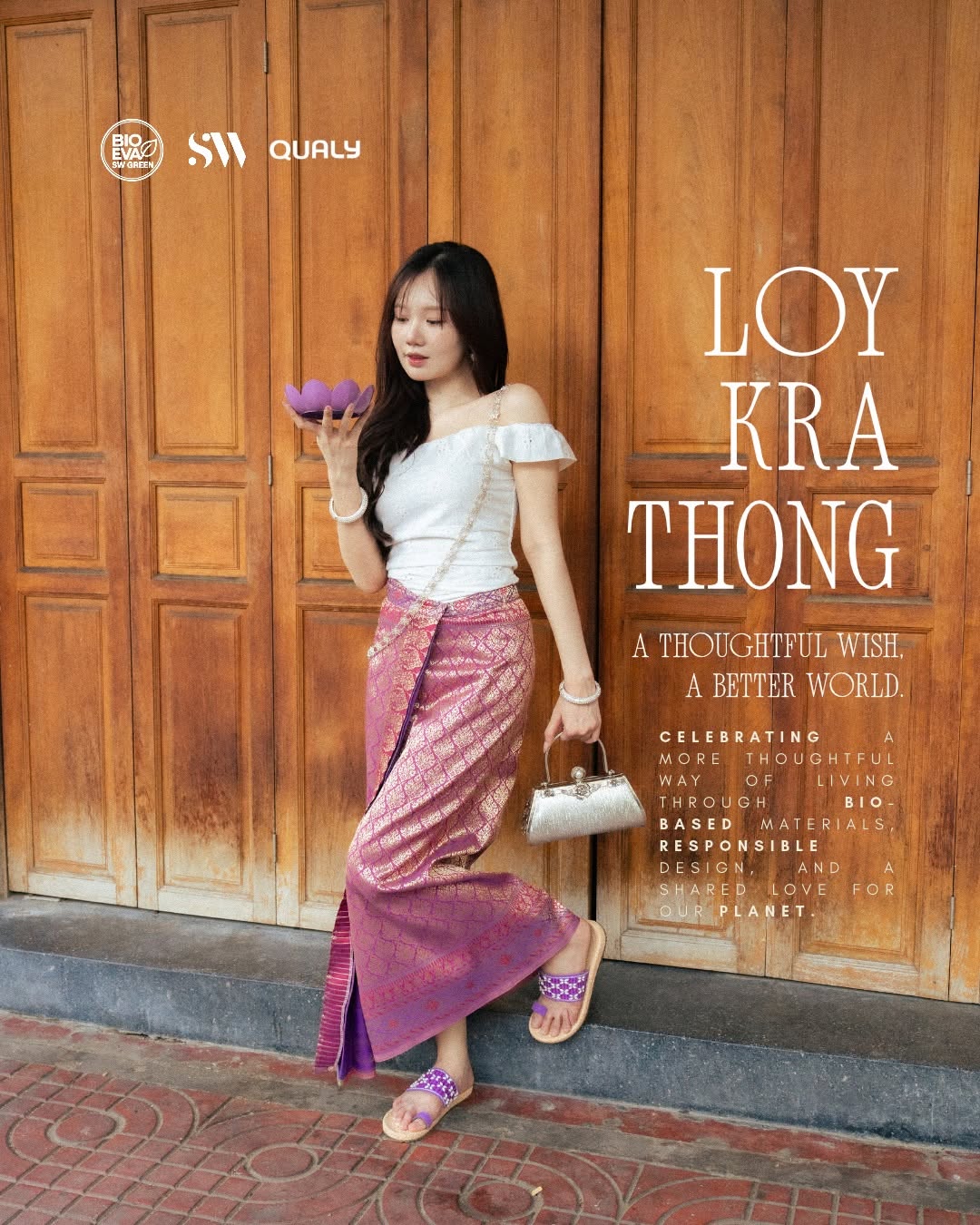
Why Natural Krathongs Aren’t Always the Best Environmental Solution
Choosing a krathong made from banana leaves, bread, or other biodegradable materials might seem like an environmentally responsible decision.
However, the environmental impact depends on more than the material itself. The number of krathongs, the size of the waterway, and the waste collection system also matter.
Bread Krathongs Can Harm Aquatic Ecosystems
In 2023, Bangkok’s Santiphap Park received approximately 6,800 krathongs, including around 4,000 made from bread.
As uneaten bread decomposes, microorganisms consume dissolved oxygen in the water. Excessive amounts of organic waste can therefore reduce oxygen levels, affect water quality, and threaten aquatic life.
The incident illustrates how a celebration lasting just one evening can create environmental consequences that continue long after the festival ends.
Foam Krathongs Create Long-Term Plastic Waste
Polystyrene foam is lightweight and floats easily, making it a convenient material for traditional krathong production.
Unfortunately, it does not readily biodegrade in natural environments. Uncollected foam can fragment into smaller plastic particles, accumulate in waterways, and potentially enter aquatic food chains.
Even natural materials can cause problems if the amount of waste exceeds the capacity of a waterway.
Perhaps the better question isn’t simply which krathong material decomposes fastest.
It’s how we can celebrate without creating unnecessary waste in the first place.
Sandals World × QUALY: Preserving Thai Culture While Caring for Our Planet
What if celebrating Thai traditions could become an opportunity to make more thoughtful choices?
Imagine wearing a contemporary Thai outfit paired with handmade sandals created in collaboration with local artisans, walking on soles developed using partially bio-based materials, and holding a krathong designed to be collected and reused year after year.
This is the idea behind Sandals World × QUALY A Thoughtful Wish, A Better World.
Rather than replacing Thai traditions, the collaboration explores how creativity can help them evolve.
Through material innovation, local craftsmanship, and circular design, both Thai brands are approaching environmental challenges from different perspectives while sharing a common intention: creating a more thoughtful way of living.
The campaign brings together three dimensions of storytelling: The Heritage, The Creativity, and The Everyday.
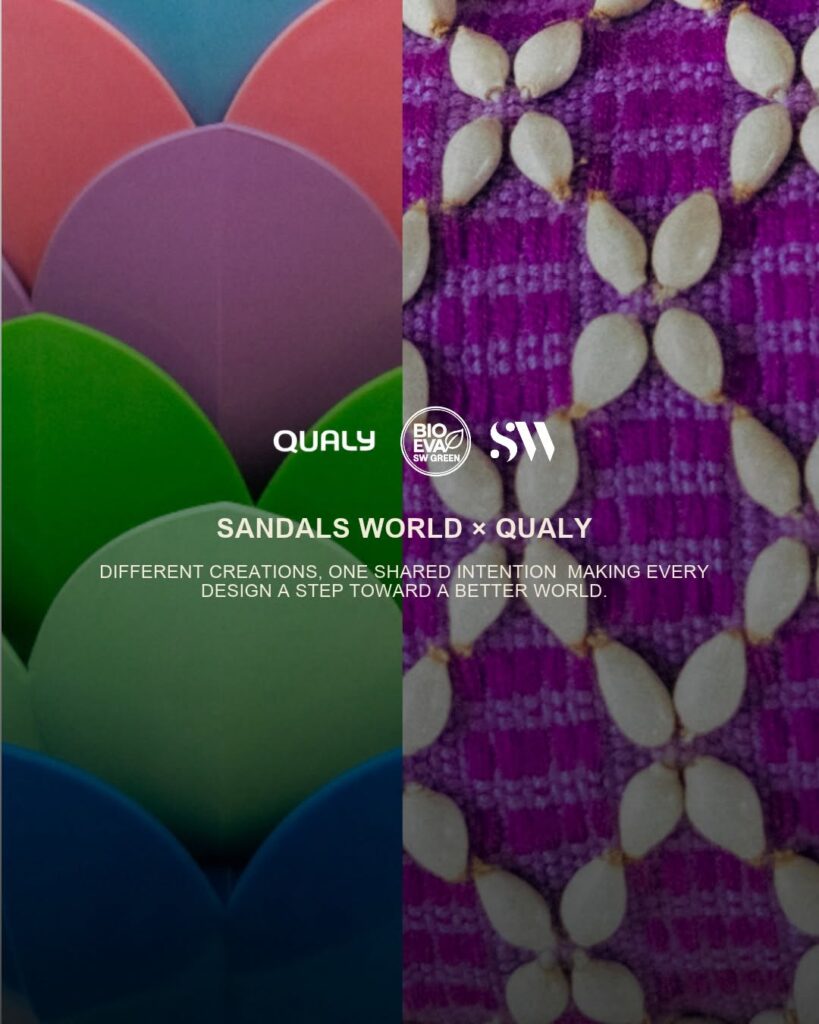
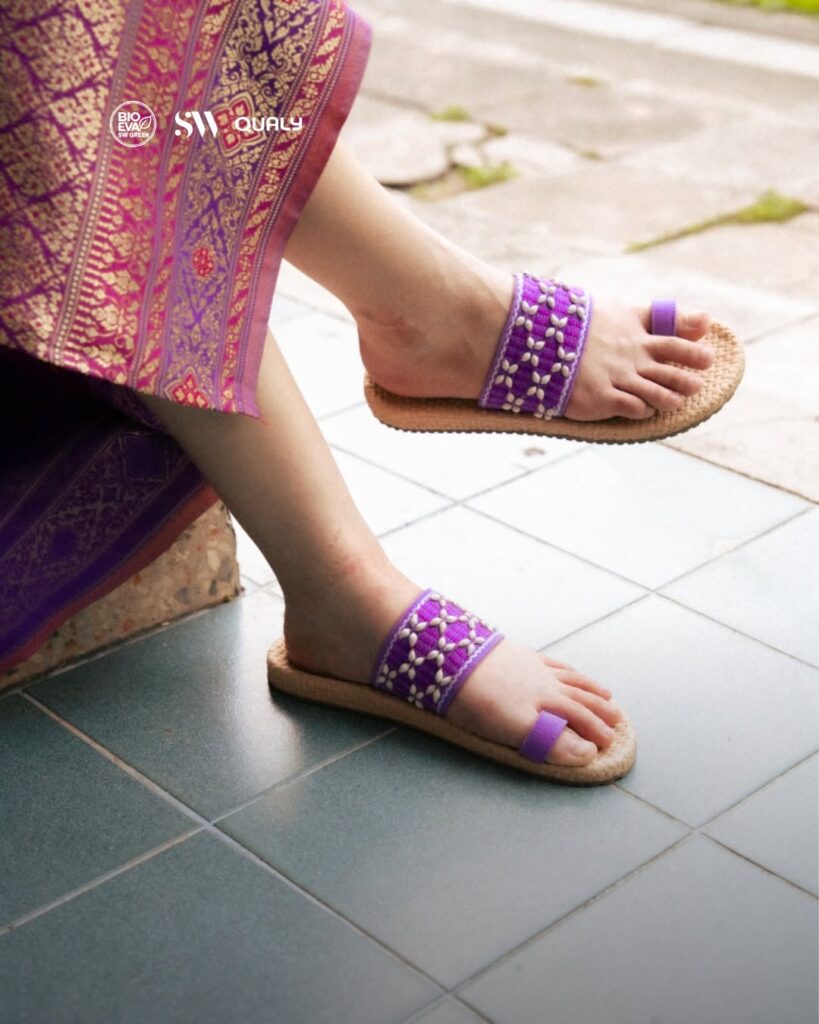
The Heritage: Keeping the Craftsmanship of the Pga K’Nyau Community Alive
Culture shouldn’t only exist in museums, exhibitions, or history books. It should have a place in everyday life.
Behind the vibrant purple handmade sandals featured in this campaign lies the craftsmanship of the Pga K’Nyau community, an Indigenous ethnic community with generations of textile-making knowledge.
Traditional backstrap weaving and Job’s tears bead embroidery reflect skills passed down through generations. These techniques carry cultural identity, creativity, and stories connected to the community’s surroundings.
At Sandals World, we see an opportunity to preserve this knowledge through collaborative design.
Rather than treating traditional patterns as decorative elements, we believe local artisans should play a meaningful role in developing contemporary products while maintaining their cultural identity.
The result is a collection of Artistic Handmade Sandals that brings traditional craftsmanship into modern fashion.
Every woven detail represents more than an aesthetic choice. It reflects the knowledge, dedication, and creativity of the people behind the product.
Supporting local craftsmanship means creating opportunities for communities to continue practicing their skills, participate in contemporary design, and generate income through their cultural knowledge.
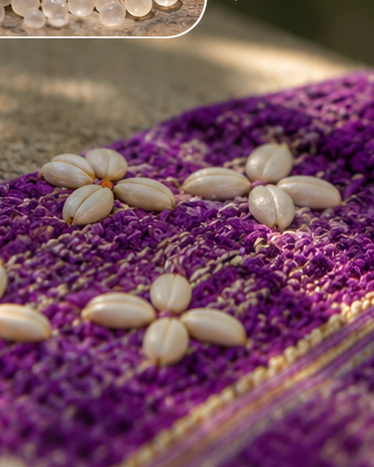
The Creativity: From Crude Oil to Sugarcane
What if the materials beneath our feet could tell a different story?
Conventional EVA, or Ethylene Vinyl Acetate, is widely used in footwear production because of its lightweight structure, flexibility, cushioning, and comfort.
However, conventional EVA relies heavily on fossil-based raw materials supplied by the petrochemical industry, contributing to greenhouse gas emissions throughout its life cycle.
For Sandals World, this represents an opportunity to rethink footwear materials through the BIO EVA SW GREEN project.
From Sugarcane to Sandals
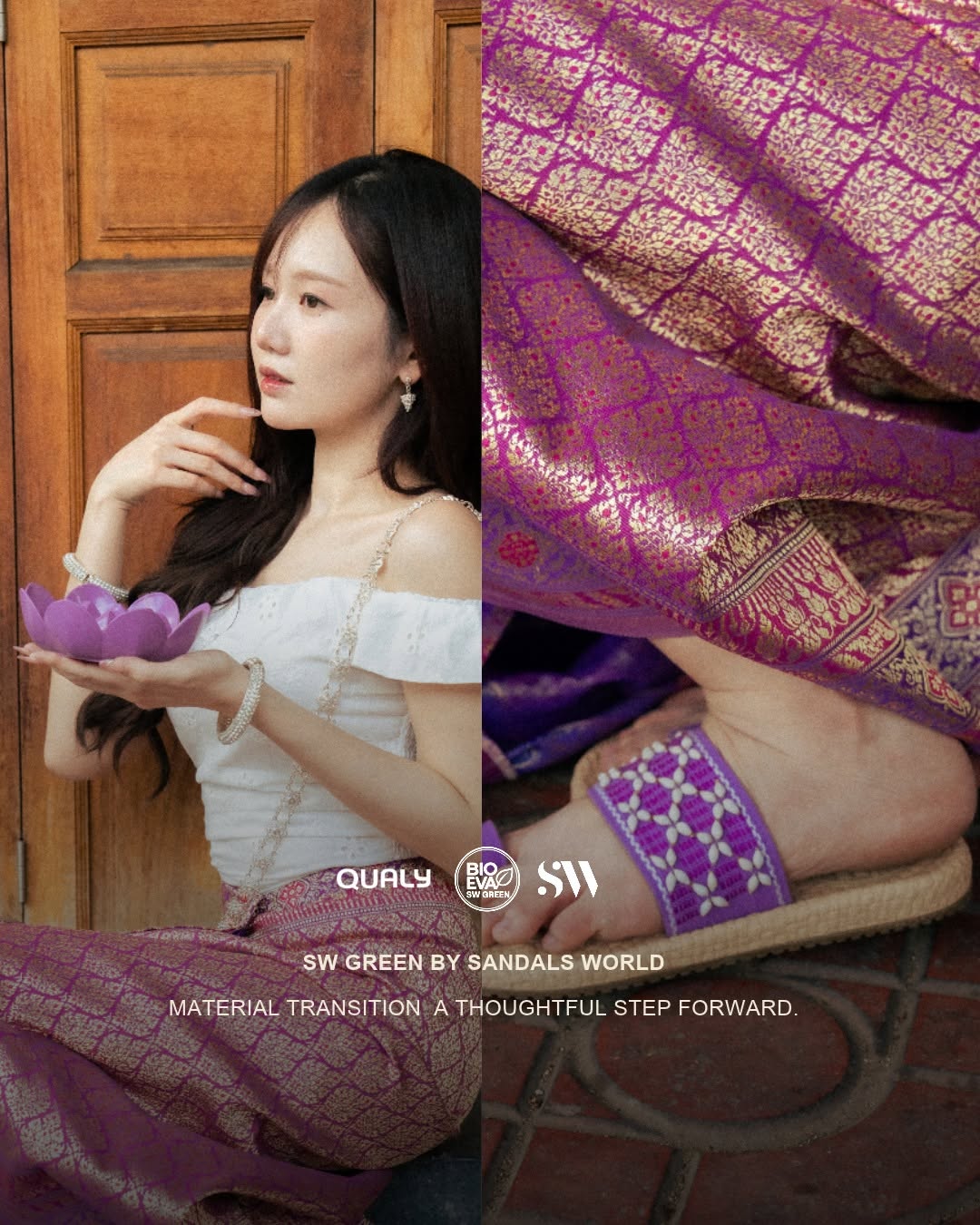
Under the philosophy of Material Transition — A Thoughtful Step Forward, Sandals World is exploring sugarcane-derived materials as a partial alternative to conventional petroleum-based EVA.
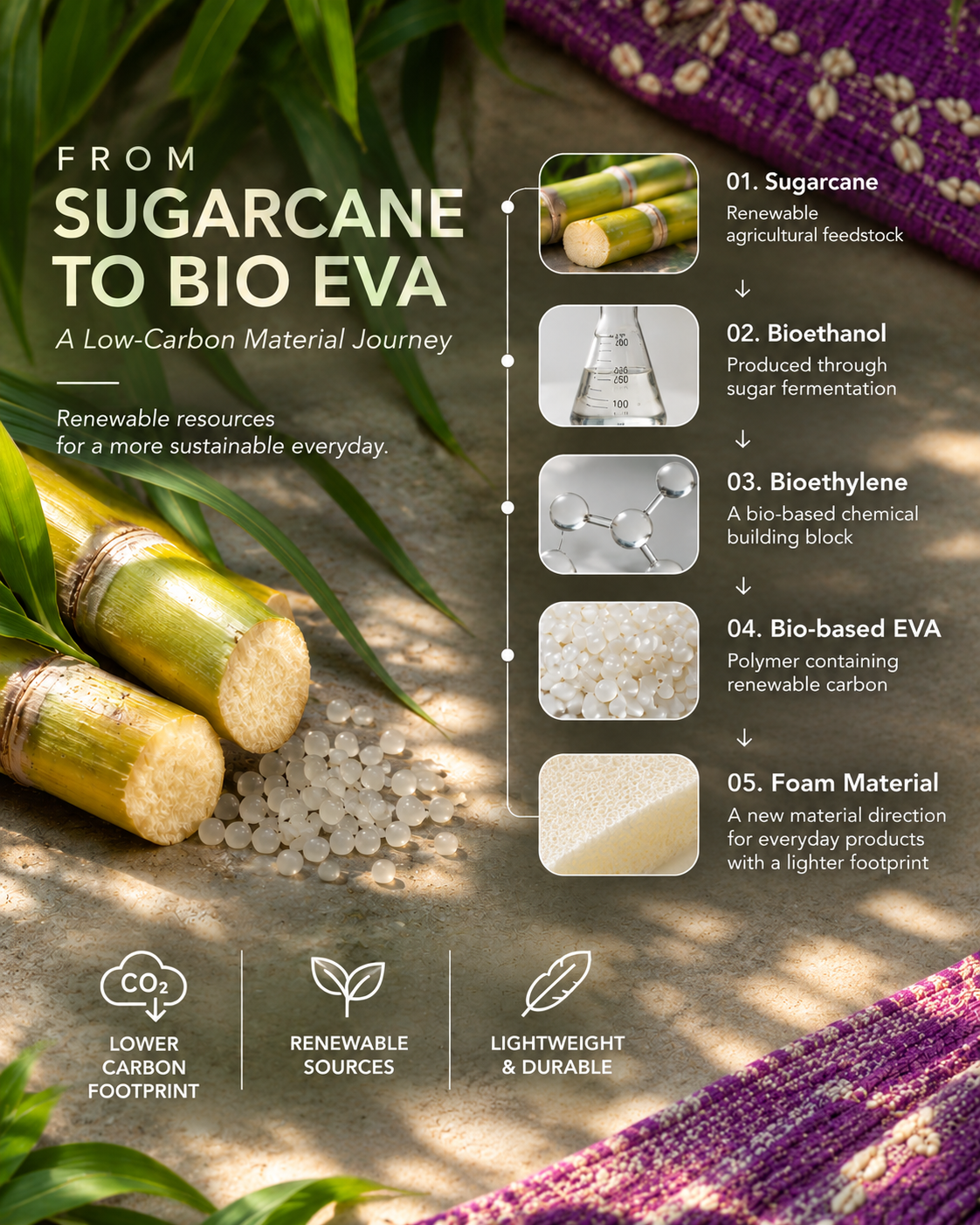
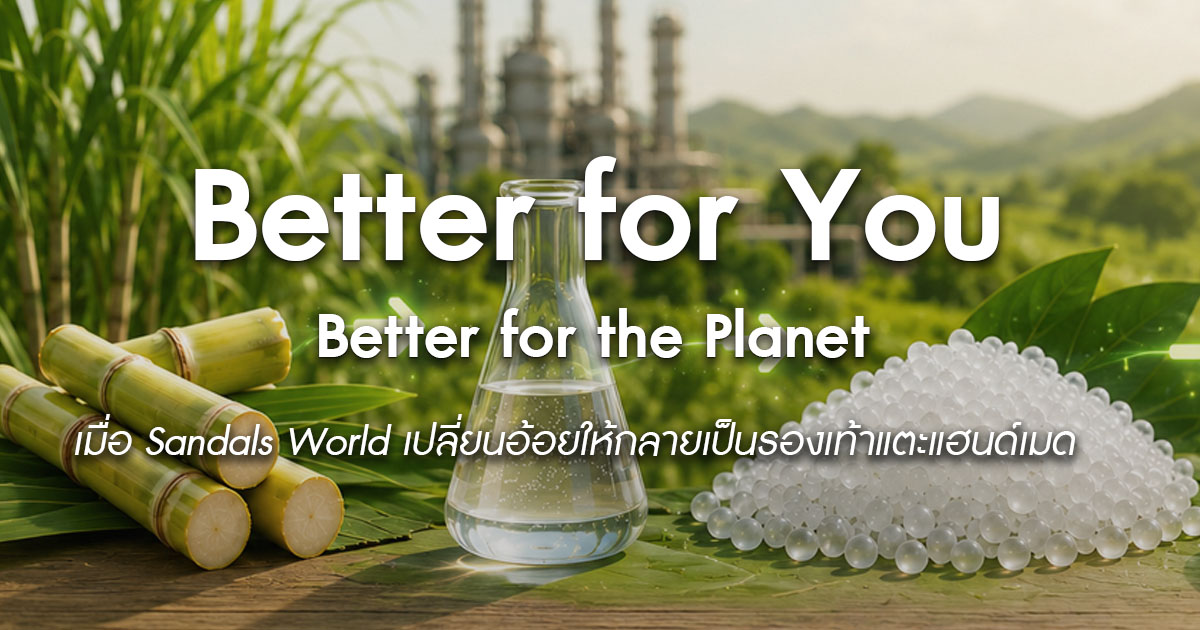
The process begins with sugarcane, a renewable agricultural feedstock.
Sugar extracted from sugarcane undergoes fermentation to produce bioethanol. Further processing converts the bioethanol into bioethylene, which can then serve as a building block for bio-based EVA.
The resulting polymer becomes a material for developing lightweight and flexible foam soles for handmade sandals.
How Can Bio-based EVA Help Reduce Carbon Emissions?
Sugarcane absorbs carbon dioxide during its growth. By converting sugarcane into bio-based chemical building blocks, manufacturers can replace a portion of the fossil carbon traditionally used in plastic production.
Industry research from bio-based polymer manufacturers such as Braskem demonstrates the potential for sugarcane-derived EVA to achieve lower material-level carbon footprints compared with conventional fossil-based alternatives.
However, the actual environmental benefits depend on agricultural practices, manufacturing processes, energy consumption, transportation, and material composition.
Bio-based EVA is also not necessarily biodegradable or completely free from fossil-based ingredients.
For Sandals World, BIO EVA SW GREEN represents a direction toward Low Carbon Material Development, rather than a promise of zero environmental impact.
The goal is to reduce dependence on fossil resources while maintaining the comfort, flexibility, and functionality that people expect from their everyday sandals.
Because sustainability isn’t about pretending that a perfect material exists. It’s about understanding our choices and finding opportunities to improve them.
Less Petroleum. More Possibilities.
QUALY: Giving Plastic Waste a Second Life Through Circular Design
While Sandals World is rethinking footwear materials, QUALY is reimagining the way we celebrate one of Thailand’s most beloved traditions.
Introducing “Won Phen” (วันเพ็ญ), a reusable krathong that transforms discarded plastic into a contemporary interpretation of a traditional lotus-shaped krathong.
Developed through a collaboration involving QUALY, Kong Green Green, and the TerraCycle Thai Foundation, the project brings plastic waste collected from Bangkok’s waterways back into a useful product.
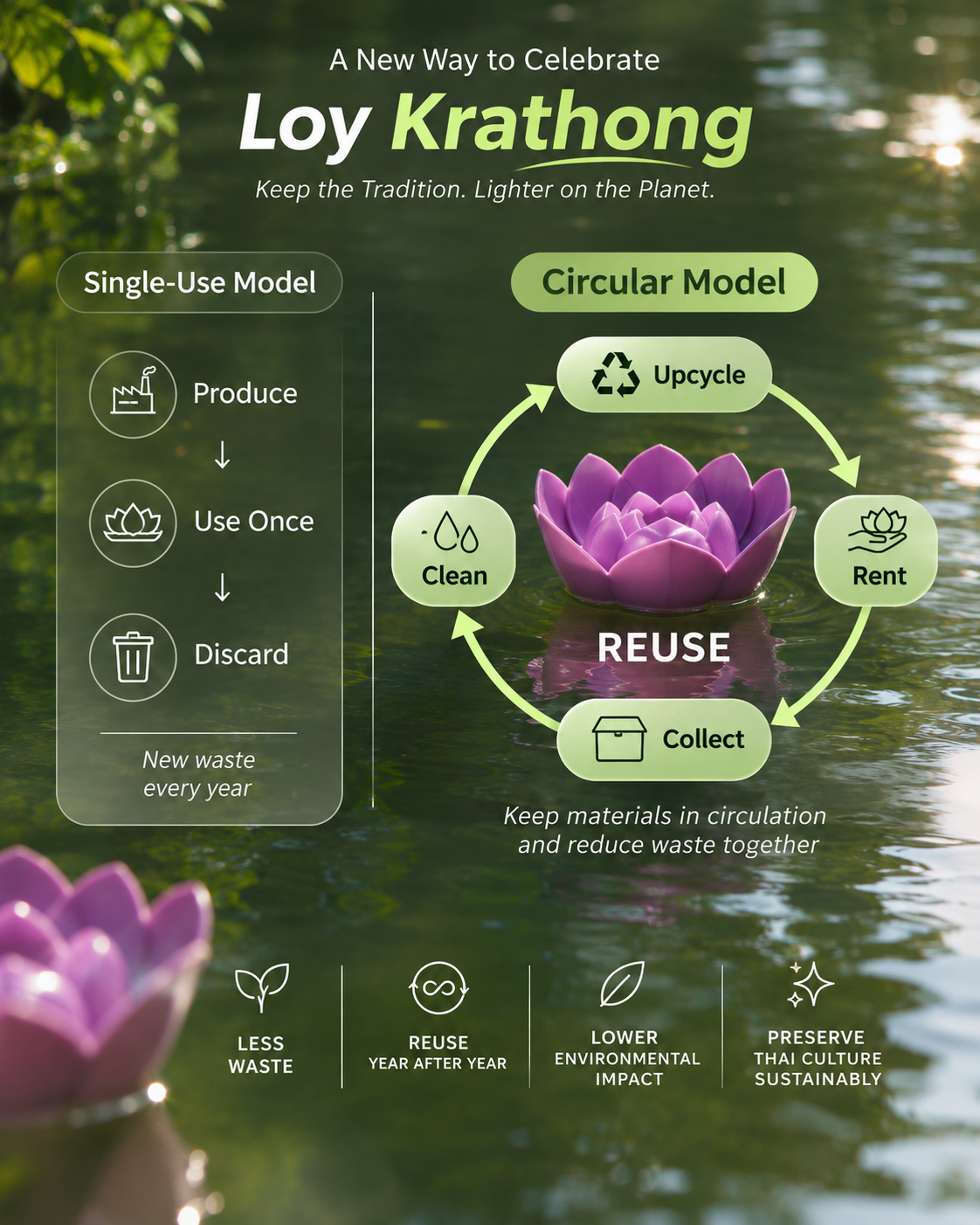
Instead of creating a new krathong every year, Won Phen offers an alternative approach: design something that can be used, collected, cleaned, and reused.
From Single-Use Celebrations to a Circular Economy
One of the most interesting aspects of Won Phen is its rental model.
QUALY allows organizations and event organizers to rent reusable krathongs for celebrations in controlled environments, where the products can be collected after use.
This approach reduces the need to produce new krathongs for every festival while keeping existing materials in circulation for longer.
Importantly, these reusable plastic krathongs are intended for environments where they can be recovered, rather than released into open rivers or canals.
The project demonstrates how upcycling and circular economy principles can support cultural celebrations without losing their original meaning.
After all, we shouldn’t have to create new waste every time we celebrate an old tradition.
The Everyday: Thai Heritage Isn’t Just for Special Occasions
Who says you need a special occasion to wear something inspired by Thai culture?
The fashion direction behind the Sandals World × QUALY campaign celebrates a more relaxed and contemporary expression of Thai identity.
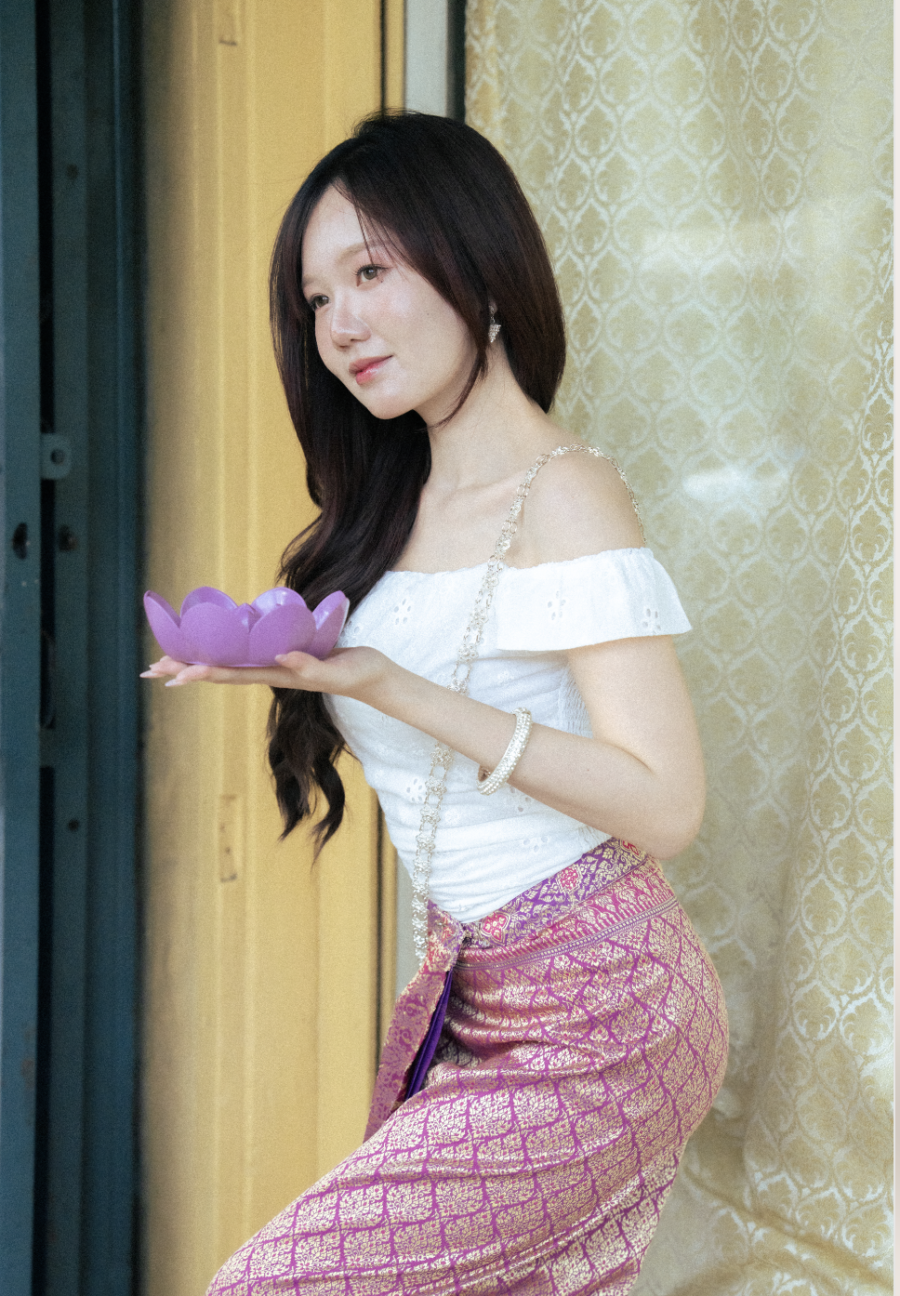
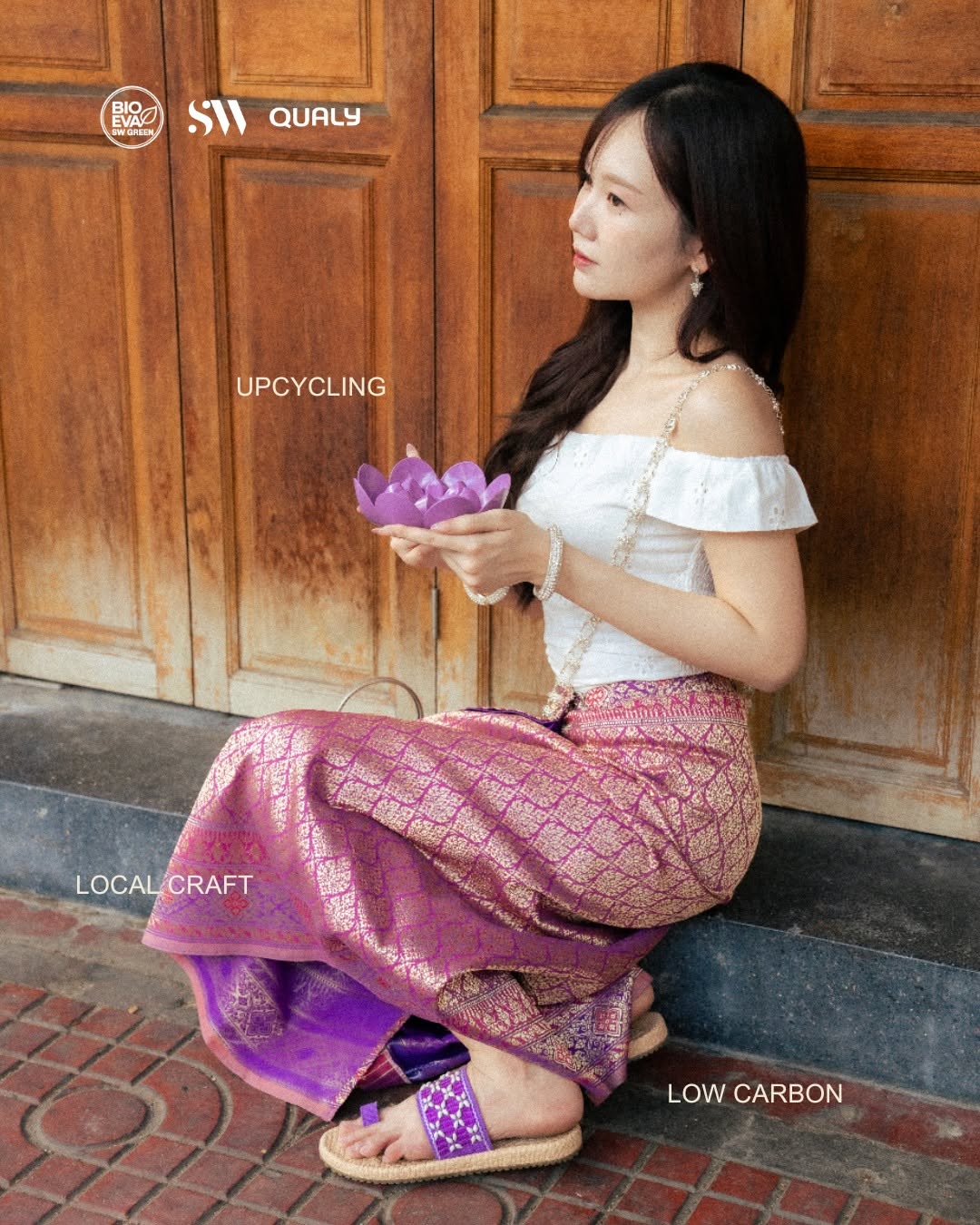
A simple white top, a vibrant traditional Thai wrap skirt, elegant accessories, and purple handmade sandals create a look that feels both timeless and modern.
Traditional craftsmanship doesn’t need to remain limited to ceremonies or cultural festivals.
With thoughtful design, Art & Craft Sandals can complement everyday outfits, from denim and linen shirts to summer dresses and contemporary Thai clothing.
This is the philosophy behind Sandals World’s approach to Sustainable Thai Craft Sandals.
We want handmade products to become part of people’s everyday lives, rather than items reserved only for special moments.
For international travelers searching for Thailand sandals, locally crafted footwear offers more than a souvenir. It provides an opportunity to discover the stories, craftsmanship, and creativity behind Thai design.
A pair of sandals may travel home in someone’s suitcase, but the cultural story behind it can travel much further.
Different Creations, One Shared Intention
The collaboration between Sandals World and QUALY brings together three approaches to responsible design:
UPCYCLING
Giving discarded plastic a second life through creative design and reusable products.
LOCAL CRAFT
Celebrating cultural identity and supporting local artisans through meaningful design collaboration.
LOW CARBON
Exploring renewable feedstocks and material alternatives with the potential to reduce fossil resource dependence and carbon emissions.
Each approach addresses a different challenge, but all three reflect a shared belief: design can create value beyond appearance.
Thailand has incredible cultural heritage, talented artisans, and creative businesses. Together, they have the potential to introduce a new dimension of Thai soft power to the world.
Not just through beautiful products, but through the ideas, people, and intentions behind them.
Loy Krathong 2026: Let’s Turn Our Wishes Into Meaningful Actions
This Loy Krathong, perhaps we can celebrate a little differently.
Share one krathong with your family. Choose designated areas with effective waste collection systems. Avoid materials that could harm aquatic ecosystems. Explore reusable alternatives wherever proper collection is available.
Beyond the festival, we can continue making thoughtful choices by supporting local craftsmanship, using products for longer, and paying closer attention to the materials behind the things we buy.
Preserving Thai culture doesn’t mean resisting change. It means protecting what makes our traditions meaningful while allowing them to evolve with the world around us.
We want future generations and international visitors to experience the beauty of Loy Krathong, discover the richness of Thai craftsmanship, and enjoy waterways that remain healthy and full of life.
Because the beauty of our traditions shouldn’t come at the expense of the natural world.
A better future isn’t simply something we wish for under the full moon.
It’s something we can create together, one thoughtful choice at a time.
SANDALS WORLD X QUALY
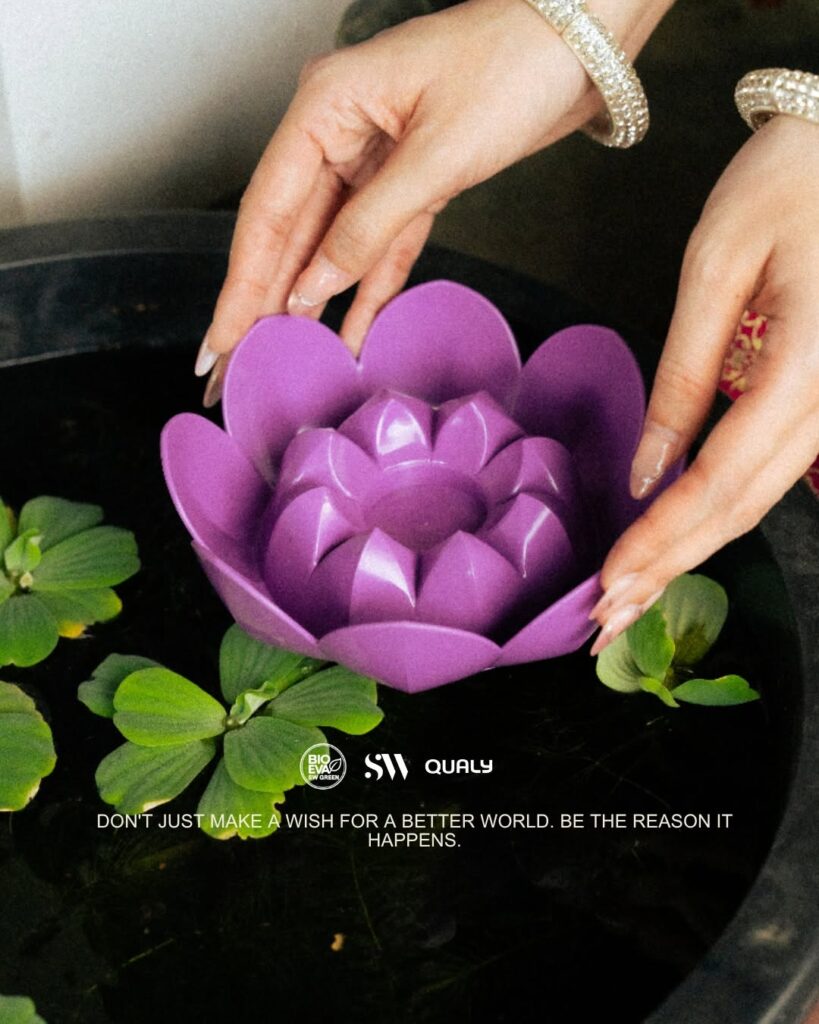
Don’t just make a wish for a better world. Be the reason it happens.
A THOUGHTFUL WISH, A BETTER WORLD. 🌏🤍
SW GREEN by Sandals World × QUALY
Material Transition A Thoughtful Step Forward.
Different Creations. One Shared Intention.
Happy Loy Krathong 2026. 🪷
Discover more stories about Thai craftsmanship, handmade sandals, and responsible material
𝙎𝙖𝙣𝙙𝙖𝙡𝙨 𝙒𝙤𝙧𝙡𝙙 𝙞𝙨 𝙏𝙝𝙖𝙞𝙡𝙖𝙣𝙙’𝙨 𝙡𝙖𝙧𝙜𝙚𝙨𝙩 𝙝𝙪𝙗 𝙤𝙛 𝙖𝙧𝙩𝙞𝙨𝙩𝙞𝙘 𝙝𝙖𝙣𝙙𝙢𝙖𝙙𝙚 𝙨𝙖𝙣𝙙𝙖𝙡𝙨


ABOUT THE CONTENT CREATOR
BUNTHARIK INSIRI
(Content Writer)
Sandals World | Art & Craft Sandals | Sustainable Thai Craft Sandals Tags: handmade sandals, sandals world, foot health,
Thailand sandals, artistic handmade sandals, art & craft sandals, plantar fasciitis, bunion, sustainable sandals and BIO EVA ,SW GREEN
Loy Krathong 2026: Can Thailand Celebrate Its Beautiful Traditions Without Creating More Waste?
Views: 5 A Thoughtful Wish, A Better World. SW GREEN by Sandals World × QUALY [...]
Nov

How Does Sugarcane End Up in Sandal Soles? Meet BIO EVA SW GREEN by Sandals World
Views: 11 Imagine holding two sandal soles. Someone tells you that one was made partly [...]
Nov
6,000 Tons of Industrial Waste in Thailand: Real Recycling or Just Dumping the Problem on Someone Else?
Views: 32 6,000 Tons of Industrial Waste in Thailand: Real Recycling or Just Dumping the [...]
Nov
From Sugarcane Fields to Sandals: Why Is Sugarcane Becoming a Key Material for Bio-Based EVA?
Views: 25 From Sugarcane Fields to Sandals: Why Is Sugarcane Becoming a Key Material for [...]
Nov

Thai Dress Adventure 2026: Explore Bangkok, Discover Thai Culture & Style Your Day with VPADA BANGKOK
Views: 25 VPADA BANGKOK Dress Thai, Walk VPADA! — Thai Charm in Every Step. Café [...]
Nov
Where Does Our Waste Really Go? And How Long Can We Keep Living This Way?
Views: 32 As environmental challenges become impossible to ignore, Sandals World is taking a small [...]
Nov
From Oil to Sugarcane: How Plastic Materials Are Changing the Future of Handmade Sandals
Views: 32 Fossil-Based Plastic vs. Bio-Based EVA: A New Material Choice for Handmade Sandals Have [...]
Nov
Milala Handmade at POPUPASIA 2026: Every Knot Tells a Story, Every Connection Matters
Views: 52 More Than Sandals. A Story of Craftsmanship, Love, and the People Who Make [...]
Nov
SANDALS WORLD GUIDE
Artistic Handmade Sandals
BY
SANDALS WORLD THAILAND
The Largest Hub
of Artistic Handmade Sandals in Thailand.