

Brand Stories
How Much Can One Tourist Contribute to a Local Community? Thailand’s Shift Beyond Visitor Numbers
Oct
How Much Does One Tourist Contribute to a Local Community? Thailand’s Tourism Economy Beyond Visitor Numbers
Thailand generates trillions of baht from tourism. But how much of that money actually reaches local communities?
In 2025, Thailand welcomed approximately 32.97 million international visitors. Domestic and international tourism activities generated around 2.7 trillion baht in combined revenue, according to the Tourism Authority of Thailand (TAT).
These figures demonstrate tourism’s importance to the Thai economy. However, they also raise an essential question: Who actually benefits from tourism spending?
Behind every popular destination are local entrepreneurs, family-run restaurants, traditional artisans, community guides, and small businesses.
While tourism creates economic opportunities, national revenue statistics cannot fully explain how much spending reaches the people who live and work in each destination.
As Thailand advances its Value over Volume tourism strategy in 2026, the relationship between tourism, cultural identity, and local economic development is gaining greater attention.
This shift could create new opportunities for community-based tourism, creative businesses, and traditional Thai craftsmanship.
Thailand’s 2.7 Trillion Baht Tourism Economy: Where Does the Money Go?
Together, domestic and international tourism generated approximately 2.7 trillion baht in revenue.
This spending supports a wide range of industries, including accommodation, transportation, food services, entertainment, shopping, and tourism operations.
However, national tourism revenue does not reveal how much money remains in individual communities.
For example, visitors may travel to a traditional village but book their accommodation through an external company, purchase imported souvenirs, and use services provided by businesses operating outside the destination.
Although these transactions contribute to tourism spending, some of the revenue may flow beyond the local economy.
By contrast, travelers who choose locally operated homestays, eat at community restaurants, and purchase handmade products directly from artisans may create more direct opportunities for local businesses.
Both types of travel contribute to Thailand’s tourism economy. Nevertheless, their economic benefits for local residents can differ significantly.
Therefore, understanding tourism’s true economic contribution requires more than counting visitors or measuring total spending.
It also requires examining business ownership, supply chains, local employment, and the distribution of income.
How Much Income Can One Tourist Generate for a Community?
There is no single amount that every tourist contributes to a local community.
Economic benefits depend on several factors, including spending behavior, length of stay, local business participation, and the availability of goods and services within the destination.
Research can nevertheless help explain how these economic relationships work.
A 2025 study titled A Study of Tourism Revenue Multipliers and Leakage Affecting Sustainable Community Incomes examined Sai Noi Homestay Ecotourism Village in Phra Nakhon Si Ayutthaya Province, Thailand.
Researchers analyzed tourism-related income data from 2020 to 2022 using an input-output economic model.
The study estimated a tourism income multiplier of 1.7194 and an overall economic impact of approximately 7.97 million baht during the study period.
Furthermore, researchers identified approximately 259,360 baht in economic leakage, with food and beverage activities accounting for 53.88% of the measured leakage.
These findings illustrate how tourism activity can influence different parts of a community economy.
However, the multiplier describes the study’s specific economic model. It does not establish a universal return on tourism spending across Thailand.
Likewise, the estimated economic impact should not be interpreted as an average amount earned per visitor.
Instead, the research highlights the importance of local business relationships, community participation, and responsible economic planning.
Tourism Leakage: The Money That Leaves Local Communities
One of the challenges facing tourism destinations is a phenomenon known as tourism leakage.
Tourism leakage occurs when part of the economic value generated by tourism leaves the destination rather than continuing to circulate through local businesses and households.
For example, hotels may purchase imported products, tourism companies may rely on outside suppliers, or businesses may transfer profits to owners based elsewhere.
These activities are not necessarily harmful. However, they can affect how much tourism spending remains available within the destination.
Understanding leakage is therefore important when assessing the relationship between tourism growth and local economic development.
UN Tourism recognizes the need to evaluate economic benefits through multiple indicators, including revenue, employment, investment, and wider economic relationships.
For Thailand, reducing avoidable leakage could involve strengthening connections between tourism businesses and local suppliers.
Hotels might source selected products from regional producers. Restaurants could purchase more ingredients from nearby farmers. Tour operators may develop partnerships with community guides and artisans.
Such relationships could help small businesses participate more directly in tourism value chains.
However, the actual economic results would depend on purchasing practices, costs, business capacity, and local market conditions.
Thailand’s 2026 Tourism Strategy: From Volume to Value
On January 12, 2026, TAT introduced its Thailand Tourism Next strategy, focusing on higher-quality travel experiences and long-term value for the economy, society, and environment.
The strategy includes the Amazing 5 Economy framework, covering wellness, specialized cultural interests, nighttime activities, circular economy principles, and digital platforms.
At the beginning of 2026, TAT announced an ambition to generate up to three trillion baht in annual tourism revenue.
However, on April 8, 2026, the agency revised its outlook amid global economic uncertainty and changing travel patterns.
The updated projection estimated approximately 30–34 million international arrivals, around 206 million domestic trips, and total tourism revenue of approximately 2.58 trillion baht in 2026.
These figures represent forecasts rather than confirmed full-year results.
Importantly, TAT continues to emphasize Value over Volume, a strategy that prioritizes tourism quality, meaningful experiences, and longer-term economic value.
For community destinations, this approach presents an opportunity to develop tourism products based on cultural heritage, traditional skills, and local identity.
55 Thai Communities and New Opportunities for International Tourism
On July 2, 2026, TAT organized the TAT x DMCs: Communities ConNext workshop to connect 55 community tourism destinations with destination management companies.
The initiative aimed to develop community tourism experiences suitable for international markets, particularly travelers from Europe, the Americas, the Middle East, and Africa.
Participating businesses explored ways to incorporate local lifestyles, cultural heritage, and community identities into tourism itineraries.
TAT also highlighted evolving traveler preferences, including growing interest in responsible tourism and meaningful cultural experiences.
The initiative reflects a broader effort to create opportunities for communities within international tourism markets.
However, marketing partnerships do not automatically translate into higher household income.
To determine whether the program creates measurable economic benefits, communities and tourism organizations would need to track visitor spending, local participation, business revenue, and longer-term outcomes.
From Souvenirs to Experiences: A New Opportunity for Thai Craftsmanship
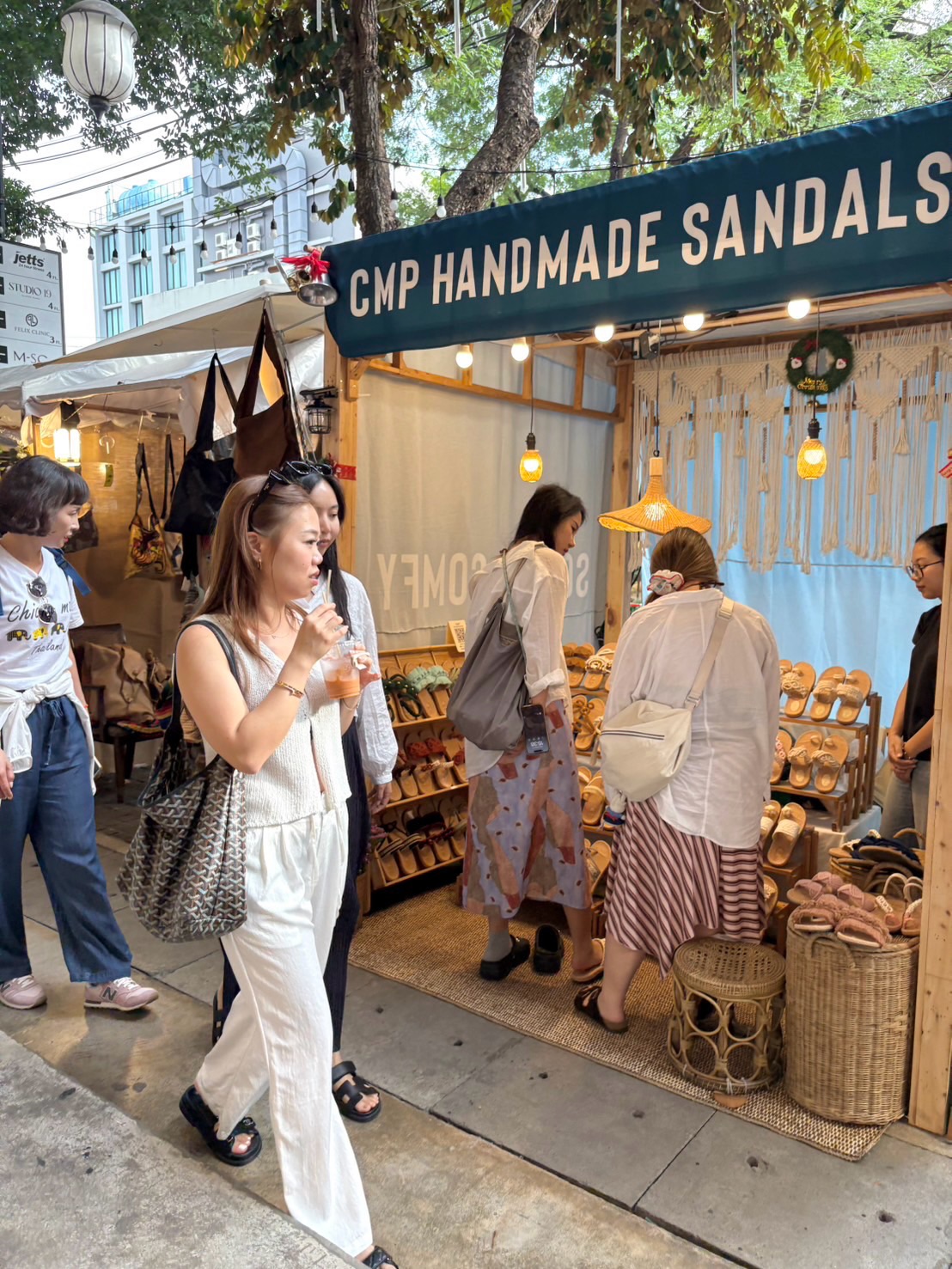
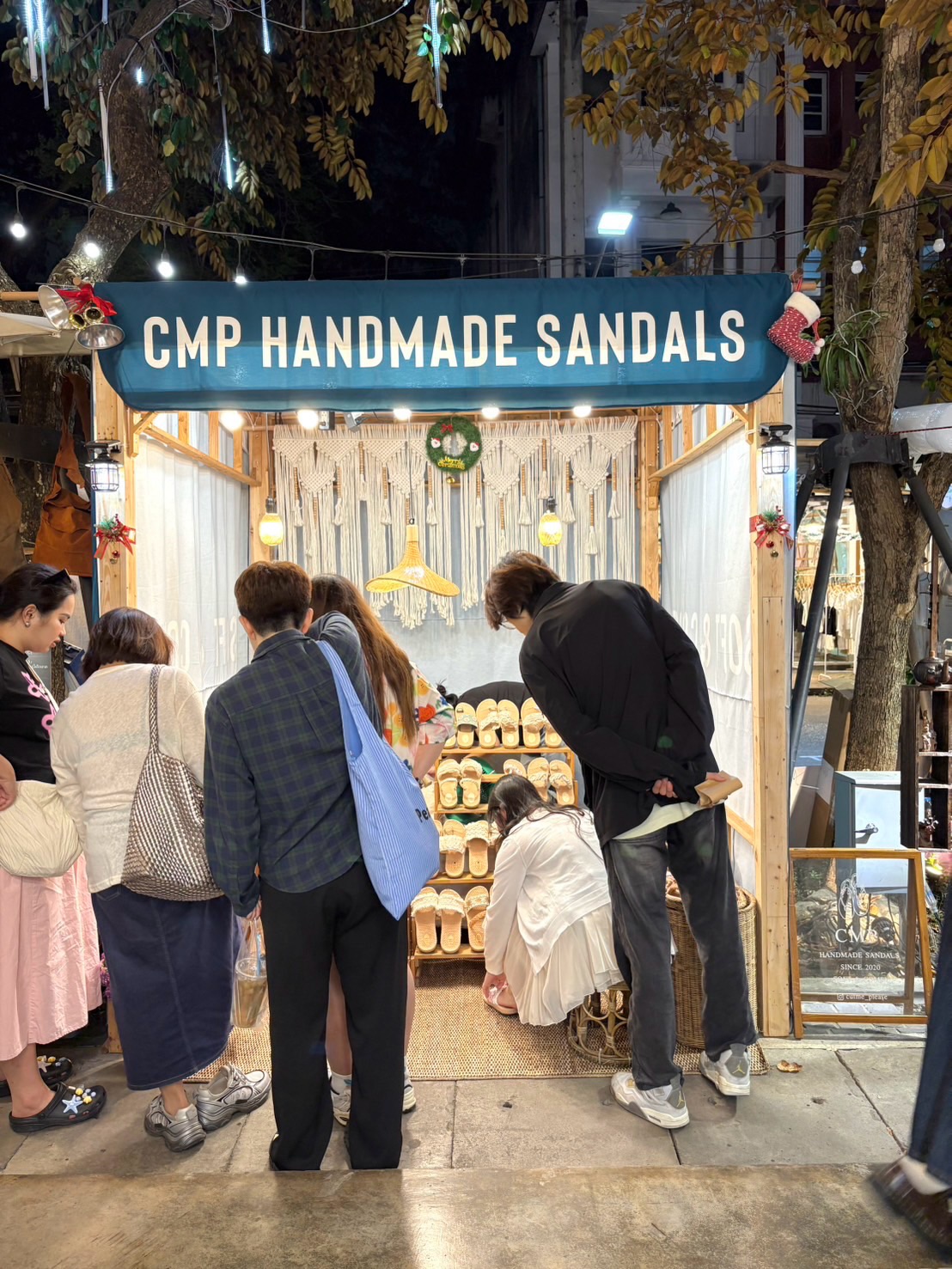
Traditional crafts have long played an important role in Thailand’s tourism economy.
Travelers frequently purchase textiles, ceramics, woven accessories, jewelry, and handmade products as reminders of their journeys.
Yet creative tourism offers opportunities that extend beyond souvenir shopping.
Instead of purchasing a finished product alone, visitors can participate in workshops, meet artisans, and learn about the skills involved in traditional production.
Activities such as weaving, natural indigo dyeing, basket making, and macramé offer ways to experience the cultural knowledge behind local products.
For artisans, workshops may create additional income opportunities through teaching, demonstrations, and product sales.
For visitors, these experiences can encourage a deeper appreciation of craftsmanship.
A handmade object often represents hours of work, specialized techniques, and knowledge developed across generations.
Nevertheless, turning traditional skills into tourism experiences requires careful consideration.
Artisans need appropriate compensation for their time and expertise. Communities should also retain control over how their cultural knowledge is shared.
Creative tourism becomes more meaningful when economic opportunities support the people behind the traditions rather than reducing cultural practices to commercial attractions.
What Could 3,000 Baht in Community Tourism Spending Support?

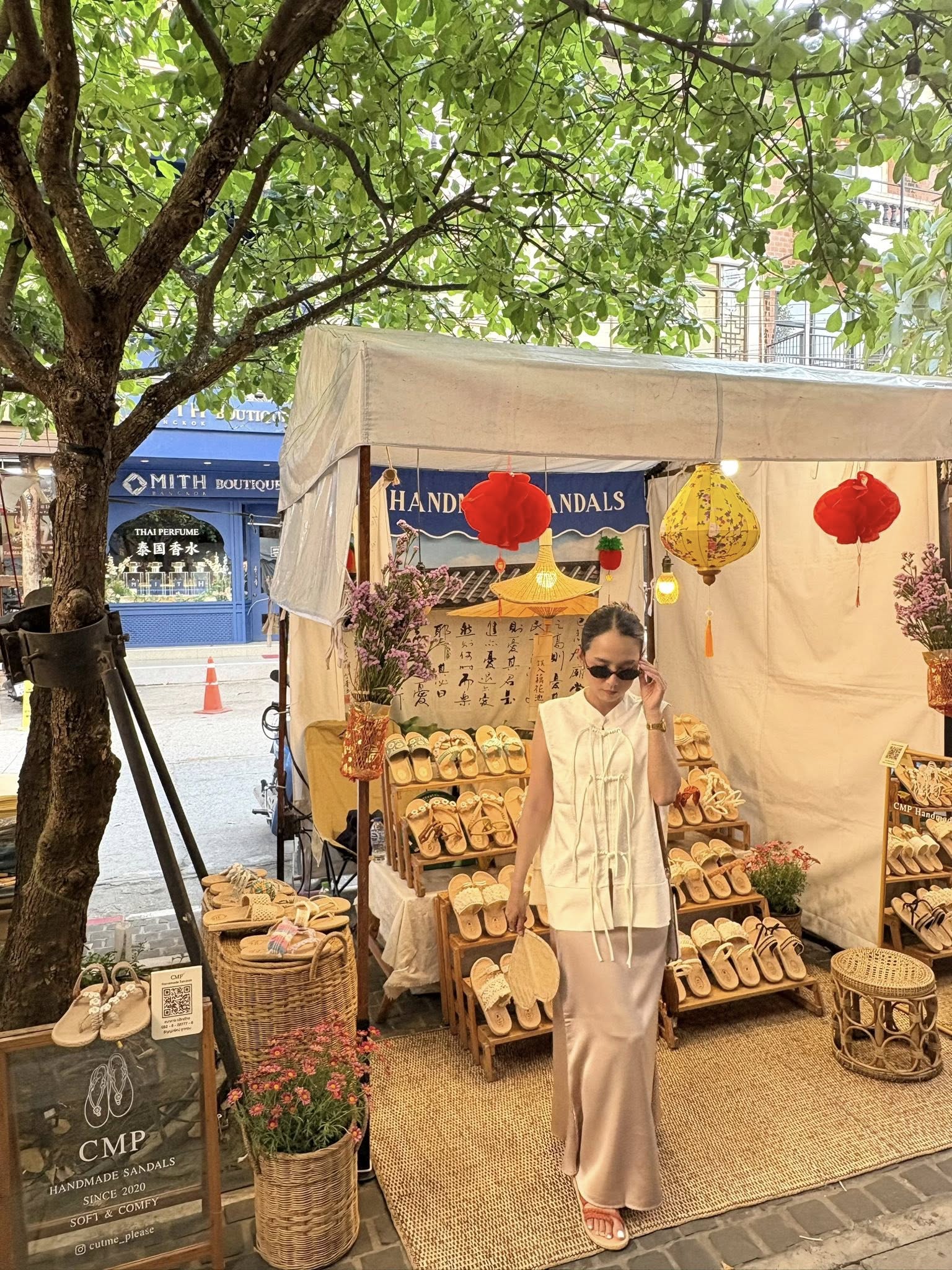

The spending might include 900 baht for a locally operated homestay, 500 baht for meals, 600 baht for a craft workshop, 700 baht for handmade products, and 300 baht for local transportation.
If 100 visitors followed the same spending pattern, their combined spending would total 300,000 baht.
With 1,000 visitors, total spending would reach three million baht.
These figures are illustrative calculations, not verified national averages, community income statistics, or forecasts.
Moreover, total sales do not equal net local income. Businesses still face expenses, including materials, wages, maintenance, and purchases from outside suppliers.
Nevertheless, the example demonstrates how one tourism experience can connect visitors with several types of local businesses.
A homestay operator, restaurant owner, craft instructor, artisan, and transportation provider may all participate in the same visitor economy.
Measuring the actual benefits requires information about local procurement, operating costs, employment, and household earnings.
The question is therefore not simply how much tourists spend, but how tourism spending moves through the destination economy.
Sandals World: Connecting Thai Craftsmanship with Community Tourism
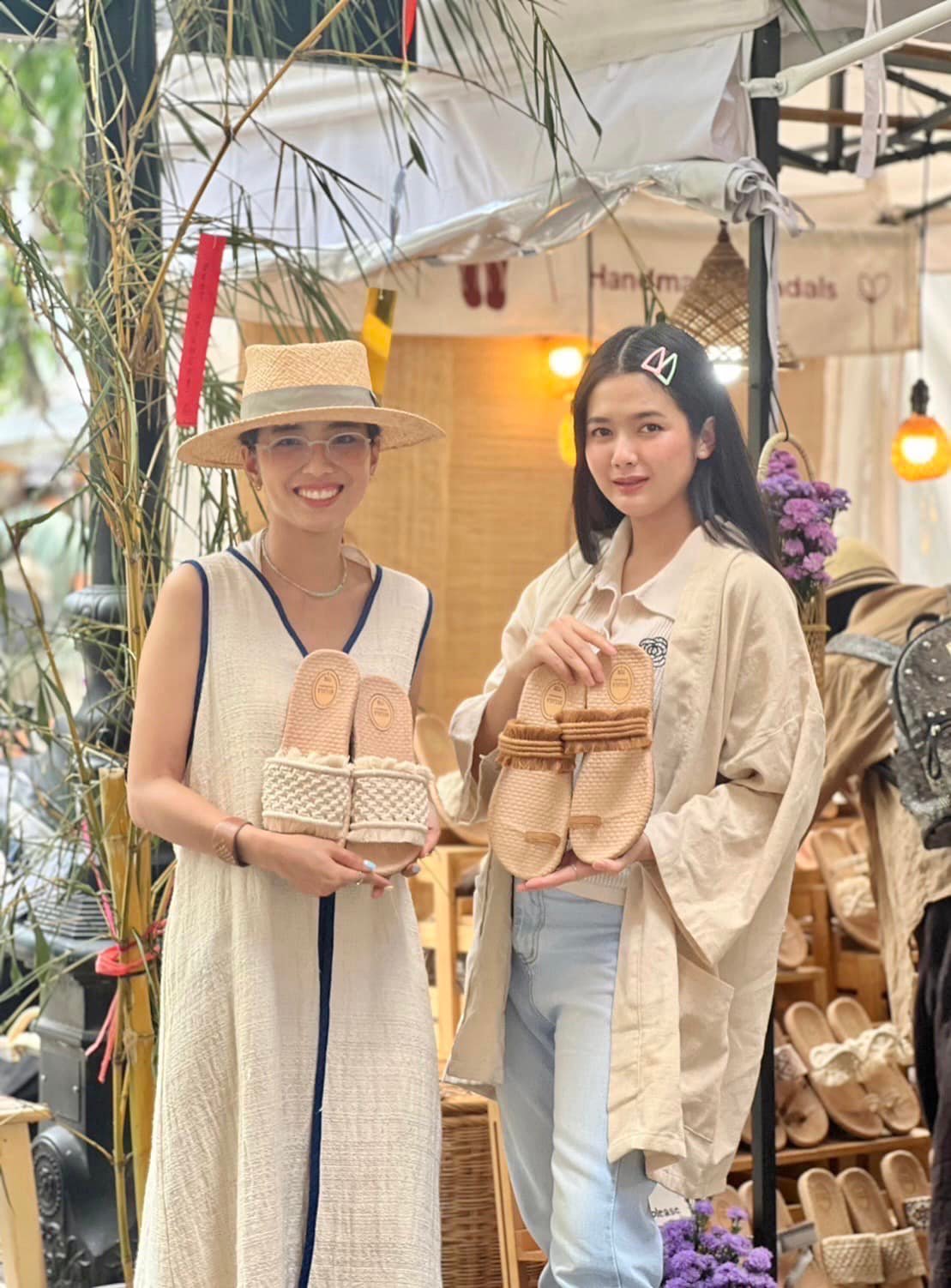
For Sandals World, the relationship between tourism and local economies reflects a broader opportunity to highlight Thai creative craftsmanship.
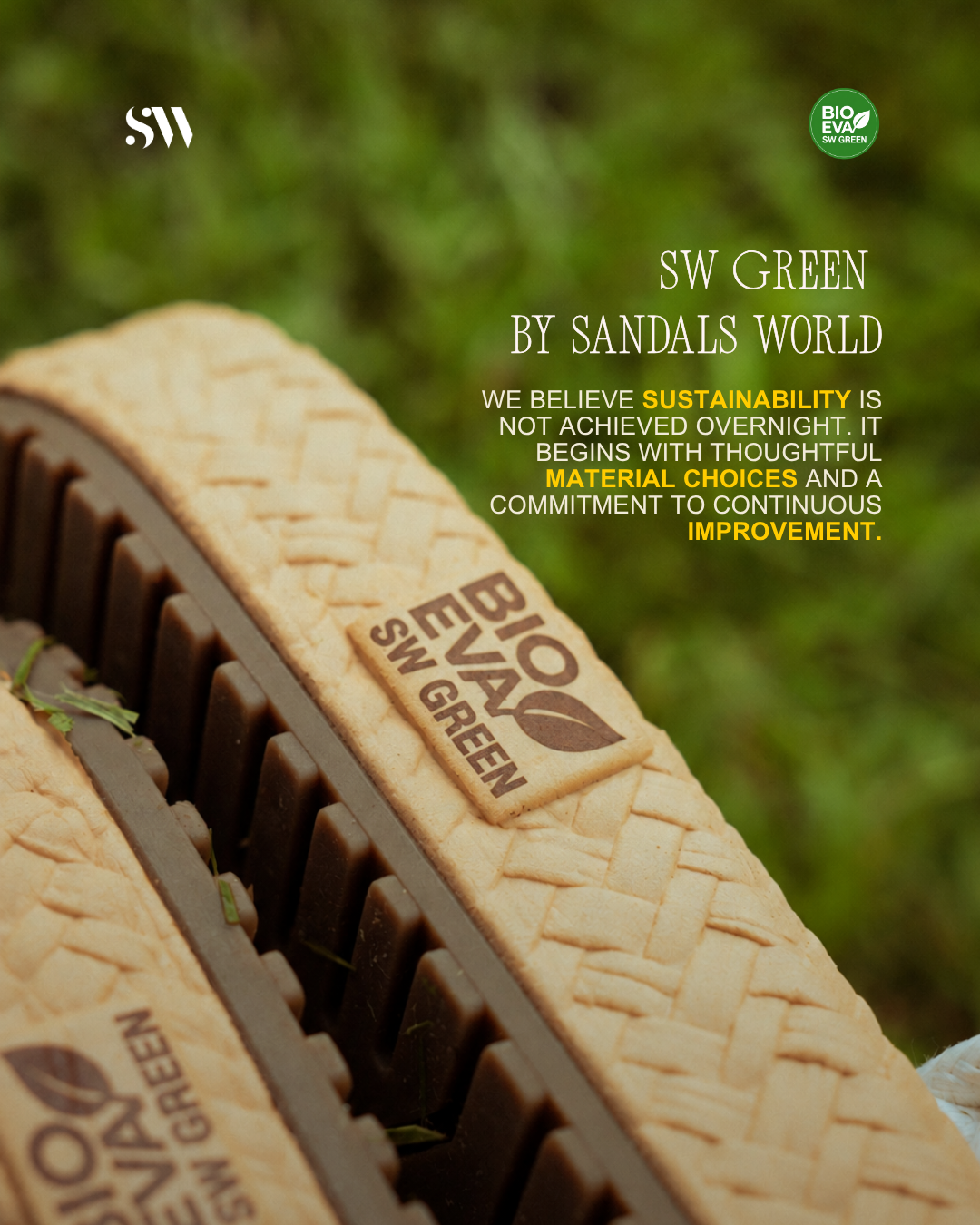
The concept of Sustainable Thai Craft Sandals brings together handmade design, cultural identity, and an interest in responsible production.
Through its network of handmade footwear brands, Sandals World introduces consumers to different artistic techniques and the stories behind traditional and contemporary Thai craft products.
One example is the Step Together initiative in Mae Hong Son, which explores the relationship between local knowledge and contemporary design.
The project draws inspiration from traditional weaving and Job’s tears beadwork, creating opportunities to reinterpret regional craftsmanship through modern products.
Initiatives of this kind can help introduce traditional skills to wider audiences.
However, cultural storytelling and measurable economic impact are not the same thing.
To demonstrate actual benefits for local communities, businesses need reliable information about artisan payments, procurement, employment, and producer participation.
For Sandals World, transparent communication can strengthen the credibility of its sustainability approach.
Instead of assuming that every purchase generates a measurable community benefit, the brand can communicate the specific activities it supports and the results it can verify.
The long-term opportunity is not simply to introduce more sandals to international markets.
It is also to encourage consumers to recognize the craftsmanship, cultural knowledge, and people behind Thai handmade products.
Handmade Craftsmanship and Thailand’s Creative Economy
Cultural identity can help destinations offer travel experiences that differ from conventional tourism products.
For Thailand, traditional craftsmanship represents one such opportunity.
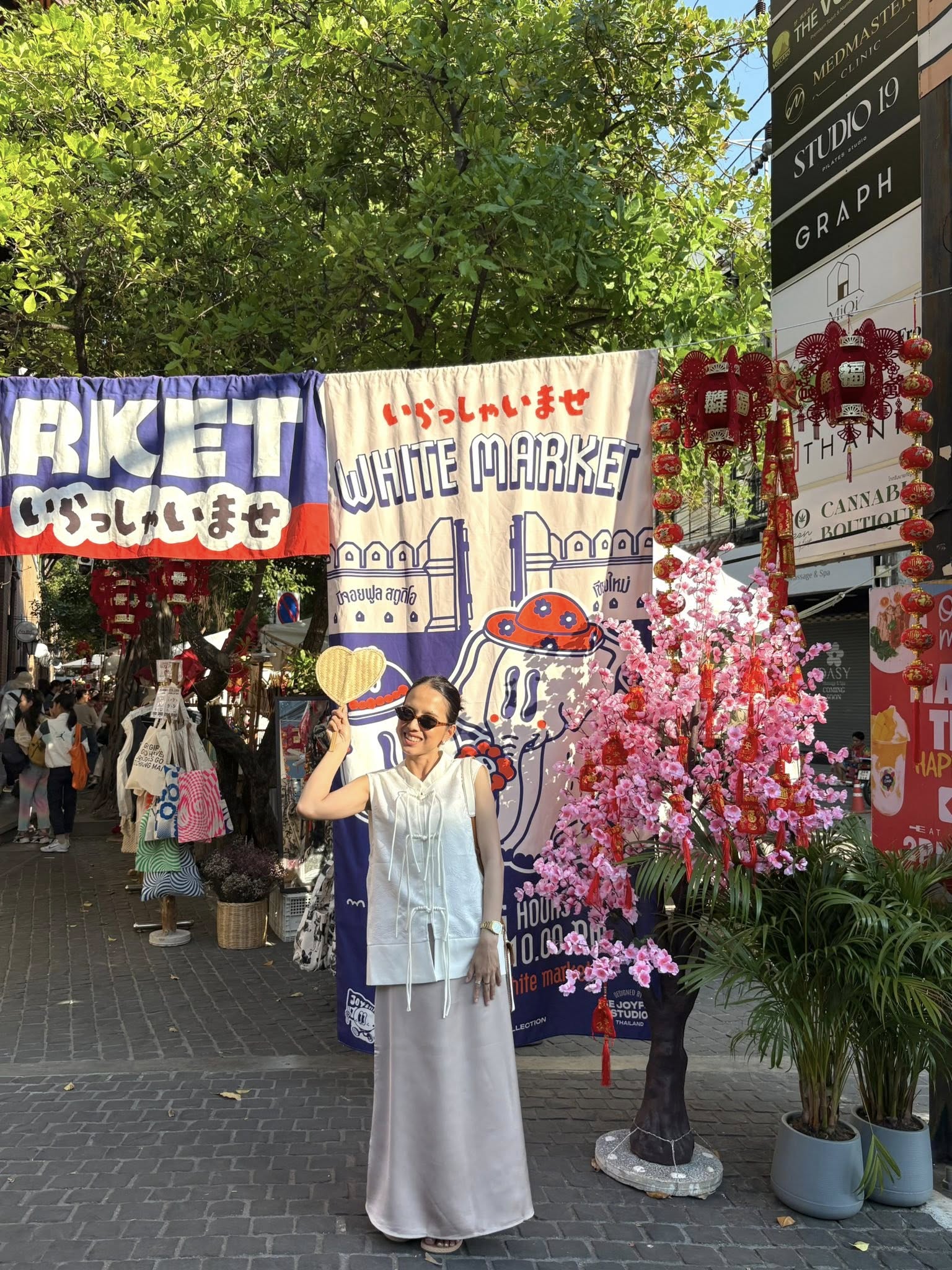
Handmade industries include weaving, embroidery, accessories, decorative products, and footwear.
Within the Thailand sandals market, traditional techniques can inspire modern designs that connect cultural heritage with everyday fashion.
A pair of handmade sandals may feature macramé, crochet, decorative details, or design elements influenced by regional artistic traditions.
Products described as Artistic Handmade Sandals or Art & Craft Sandals can offer visitors something beyond standard footwear: an opportunity to discover the creative process and cultural influences behind a product.
This does not mean that every handmade product automatically supports local economic development or environmental sustainability.
Responsible production requires consideration of materials, durability, working conditions, and relationships with producers.
Nevertheless, the connection between tourism and craftsmanship could create opportunities for Thai artisans to introduce their work to new audiences.
The Future of Thai Tourism Is About the Value That Remains
Thailand’s shift toward Value over Volume creates an opportunity to reconsider the meaning of successful tourism development.
International arrivals and total revenue will remain important economic indicators.
However, they cannot fully describe whether tourism improves opportunities for local entrepreneurs, supports traditional skills, or strengthens community participation.
Future tourism strategies can therefore examine how much spending reaches local producers, how businesses distribute benefits, and whether communities maintain control over their cultural and environmental resources.
For Thailand’s creative economy, this approach could strengthen the connection between traditional craftsmanship and international visitors.
For Sandals World, the future of Sustainable Thai Craft Sandals involves more than creating distinctive footwear.
It also involves highlighting the knowledge, design, and human creativity that make Thai craftsmanship meaningful.
Because the true value of a journey is not only measured by how far we travel, but by the opportunities, connections, and understanding we leave behind.

References
Nonthasorn, S., Phansaita, N., & Prougestaporn, A. (2025). A Study of Tourism Revenue Multipliers and Leakage Affecting Sustainable Community Incomes. Journal of Applied Economics and Management Strategy, 12(1), 170–189. https://doi.org/10.56825/jaems.2025.1216226
Tourism Authority of Thailand (January 12, 2026). Thailand Tourism Next. https://www.tatnews.org/2026/01/tat-sets-thailand-tourism-next-for-value-growth-plan/
Tourism Authority of Thailand (April 8, 2026). TAT Refocuses on Value over Volume. https://www.tatnews.org/2026/04/tat-refocuses-on-value-over-volume-as-2026-tourism-outlook-is-recalibrated/
Tourism Authority of Thailand (July 7, 2026). TAT x DMCs: Communities ConNext. https://www.tatnews.org/2026/07/tat-x-dmcs-communities-connext-brings-thai-local-identity-to-long-haul-trade/
𝙎𝙖𝙣𝙙𝙖𝙡𝙨 𝙒𝙤𝙧𝙡𝙙 𝙞𝙨 𝙏𝙝𝙖𝙞𝙡𝙖𝙣𝙙’𝙨 𝙡𝙖𝙧𝙜𝙚𝙨𝙩 𝙝𝙪𝙗 𝙤𝙛 𝙖𝙧𝙩𝙞𝙨𝙩𝙞𝙘 𝙝𝙖𝙣𝙙𝙢𝙖𝙙𝙚 𝙨𝙖𝙣𝙙𝙖𝙡𝙨


ABOUT THE CONTENT CREATOR
BUNTHARIK INSIRI
(Content Writer)
Sandals World | Art & Craft Sandals | Sustainable Thai Craft Sandals Tags: handmade sandals, sandals world, foot health,
Thailand sandals, artistic handmade sandals, art & craft sandals, plantar fasciitis, bunion, sustainable sandals and BIO EVA ,SW GREEN
How Much Can One Tourist Contribute to a Local Community? Thailand’s Shift Beyond Visitor Numbers
Post Views: 7 How Much Does One Tourist Contribute to a Local Community? Thailand’s Tourism [...]
Oct

BIO EVA: A Material Transition for Handmade Sandals
Post Views: 17 Material Transition A Thoughtful Shift Toward More Responsible Materials Can a pair [...]
Oct

Milala Handmade Mini Heart Collection: A Small Heart with a Big Journey to Tainan
Post Views: 11 Big journeys do not always begin with something loud or dramatic. Sometimes, [...]
Oct

From Sacred Thai Garlands to Modern Hair Fashion: The Heritage Behind MALAI IN MOTION
Post Views: 11 MALAI IN MOTION WITH HANDMADE SANDALS BY SANDALS WORLD “Twisting Thai Garlands, [...]
Oct

VPADA Handmade Sandals October 2026: One Catalog, Endless Ways to Express Yourself
Post Views: 12 What if the perfect pair of sandals could say more about your [...]
Oct

What Is BIO EVA? Can Sugarcane Plastic Save the Planet?
Post Views: 20 Every time we buy a new pair of sandals, we may unknowingly [...]
Oct
Are Your Sandals Harming the Planet Before You Even Wear Them? The BIO EVA Revolution
Post Views: 22 What if your favorite pair of sandals had already left an environmental [...]
Oct

The Ocean Is Heating Faster Than Ever: Why Low-Carbon Design Must Start Now
Post Views: 15 What if the ocean we know today no longer looks the same [...]
Oct
SANDALS WORLD GUIDE



Artistic Handmade Sandals
BY
SANDALS WORLD THAILAND
The Largest Hub
of Artistic Handmade Sandals in Thailand.