

Brand Stories
Barefoot & Beautiful: How Thailand’s Artistic Handmade Sandals Are Redefining the Sandals World
Sep
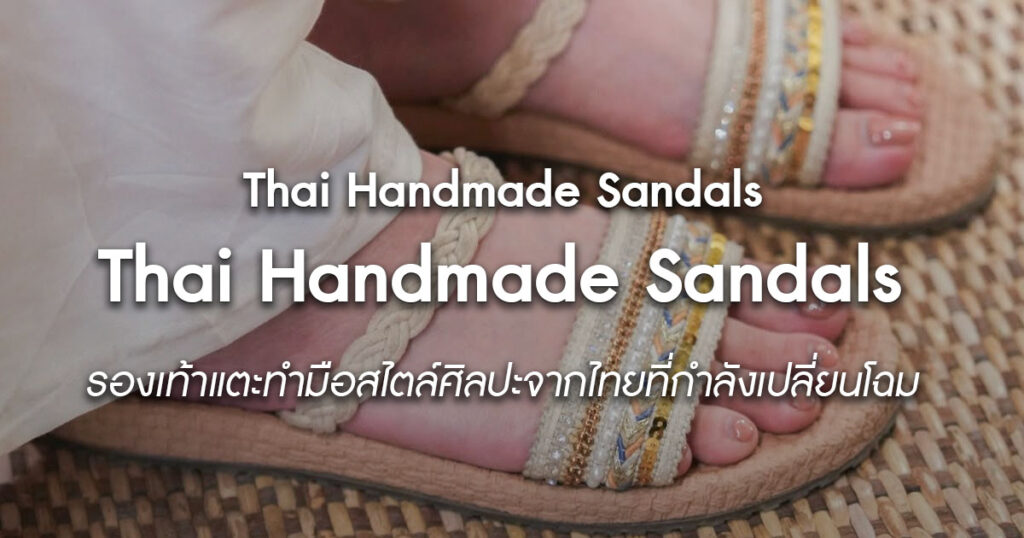
A quiet revolution is happening at ground level. Fast fashion keeps churning out identical footwear by the millions. But a small corner of the sandals world is walking the other way. In workshops across Thailand, artisans stitch, weave, and hand-paint handmade sandals that carry more soul than anything off a factory line. Call it a trend. Call it a movement. Either way, Thailand sandals are having a moment, and sustainability ties it all together.
The Rise of Handmade in a Mass-Produced World
For decades, the footwear industry ran on speed and volume. Cheap materials, synthetic glue, and overseas factories turned sandals into something disposable. People wore them for a season, then tossed them out. But shoppers are waking up now. They’re starting to see the real cost of that convenience, as landfills fill with rubber and plastic that will outlive us all.
That’s where handmade sandals step in. Each pair takes hours, sometimes days, to finish. No two pairs look exactly alike, and that’s the point. Buyers aren’t just purchasing footwear anymore. They’re buying a story, a set of hands, a tradition. This shift — from “cheap and replaceable” to “crafted and meaningful” — is exactly what’s fueling demand for Artistic Handmade Sandals around the world.

Thailand Sandals: A Craft With Deep Roots
Thailand’s relationship with handcrafted footwear isn’t new it’s generations deep. Long before “sustainable fashion” became a hashtag, Thai communities were already working with what the land provided: water hyacinth, bamboo, natural leather, cotton, and plant-based dyes. These materials weren’t chosen for marketing appeal; they were simply what was available, durable, and kind to the environment.
Today, that same resourcefulness has evolved into a refined craft. Thailand sandals now blend old techniques hand-braiding, natural tanning, batik dyeing with contemporary silhouettes that appeal to a global audience. Northern regions like Chiang Mai and Chiang Rai, along with coastal communities in the south, have become quiet hubs of this footwear renaissance, each bringing its own regional flair to the craft.
Art & Craft Sandals: Where Function Meets Fine Art
What separates ordinary footwear from true Art & Craft Sandals is intention. Every strap, stitch, and pattern is a decision made by a human hand not a machine following a template. Some artisans hand-paint intricate motifs inspired by Thai temple art or local folklore. Others weave natural fibers into geometric patterns passed down through their families. A few incorporate embroidery techniques borrowed from hill-tribe textile traditions, turning a simple sandal strap into a wearable piece of art.
This is the appeal of Artistic Handmade Sandals: they don’t just protect your feet, they express something. A pair bought in a small Thai workshop might reference a specific village’s weaving pattern, a particular dye recipe, or a symbol with generations of meaning behind it. Wearing them means carrying a small piece of that story wherever you go.
Thailand Sandals: A Craft With Deep Roots
Thailand’s relationship with handcrafted footwear runs generations deep. Long before “sustainable fashion” became a hashtag, Thai communities already worked with what the land provided. They used water hyacinth, bamboo, natural leather, cotton, and plant-based dyes. Nobody chose these materials for marketing appeal. They simply worked, lasted, and stayed kind to the environment.
Today, that same resourcefulness has grown into a refined craft. Thailand sandals now blend old techniques — hand-braiding, natural tanning, batik dyeing — with modern shapes that appeal to buyers everywhere. Northern regions like Chiang Mai and Chiang Rai lead the way. So do coastal communities in the south. Each region brings its own flair to the craft, and together they’ve quietly become hubs of this footwear renaissance.
What separates ordinary footwear from true Art & Craft Sandals? Intention. A human hand makes every strap, stitch, and pattern — not a machine following a template. Some artisans hand-paint intricate motifs inspired by Thai temple art or local folklore. Others weave natural fibers into geometric patterns passed down through their families. A few borrow embroidery techniques from hill-tribe textile traditions, turning a simple strap into a wearable piece of art.
That’s the appeal of Artistic Handmade Sandals. They don’t just protect your feet — they express something. A pair from a small Thai workshop might reference a village’s weaving pattern, a specific dye recipe, or a symbol with generations of meaning behind it. So wearing them means carrying a small piece of that story wherever you go.


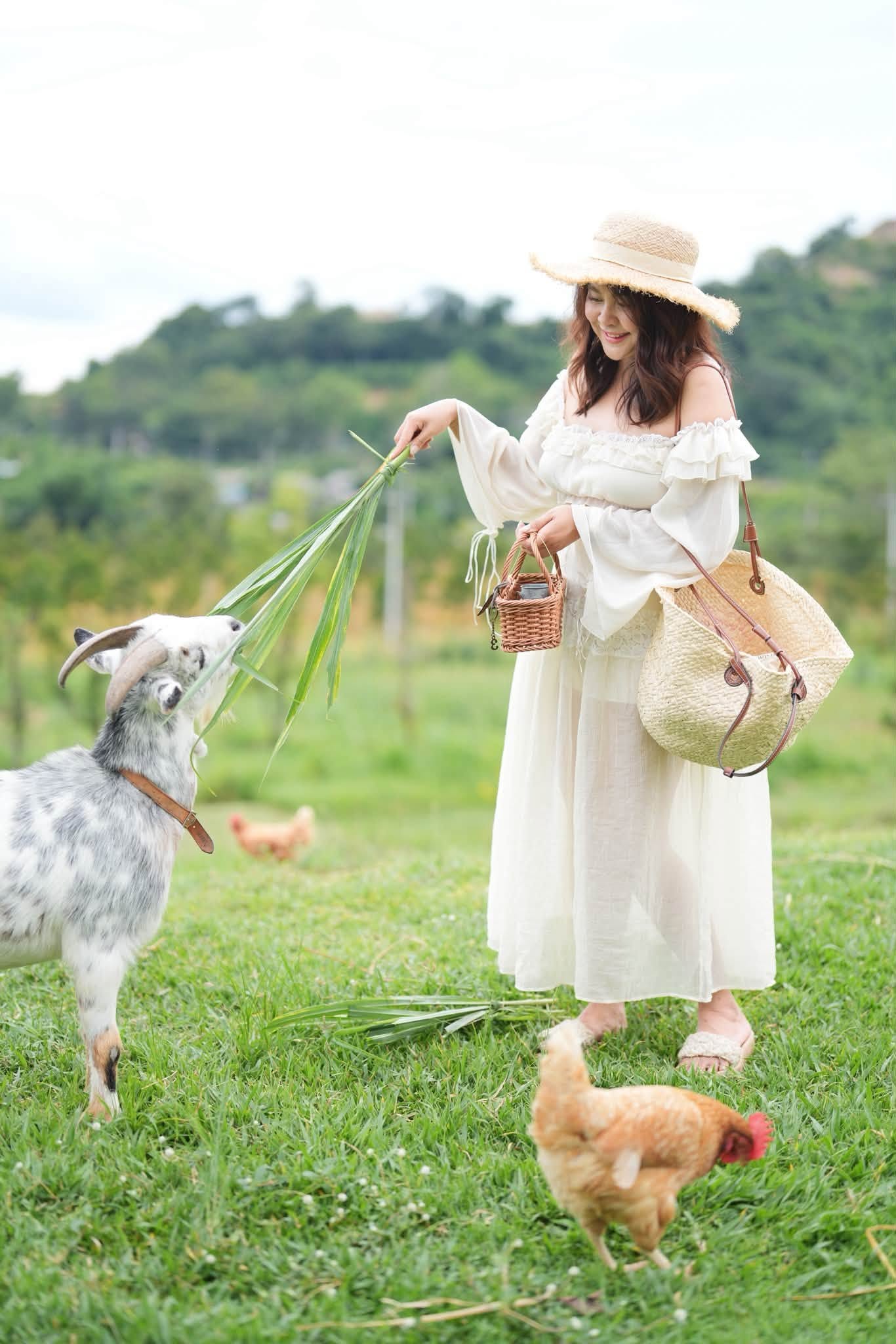
Sustainable Thai Craft Sandals: Good for Feet, Good for the Planet
For most Thai artisans, sustainability isn’t a marketing add-on. It’s simply how they’ve always worked. Sustainable Thai Craft Sandals typically use biodegradable or renewable materials: natural rubber tapped from local trees, plant-dyed cotton straps, recycled leather offcuts, and woven plant fibers like water hyacinth or rattan.
Here’s what makes this approach genuinely sustainable, not just sustainably marketed:
- Low-waste production. Small batches mean artisans use materials efficiently, and they often repurpose offcuts into smaller accessories.
- Natural dyeing methods. Plant-based pigments, like turmeric and indigo, reduce chemical runoff compared to synthetic dyes.
- Biodegradable materials. Synthetic soles take centuries to break down, but many components in sustainable sandal-making return to the earth much faster.
- Fair, local labor. Production stays rooted in Thai communities, so it supports artisan families instead of anonymous overseas factories.
This mix of environmental care and human-centered production explains why sustainability and handmade so often go hand in hand. After all, machines can be programmed to be efficient. They can’t be programmed to care.
Meet the Artisans Behind the Craft
A person stands behind every pair of handmade sandals. Often, that person learned the trade from a parent or grandparent. In many rural Thai communities, sandal-making isn’t just a job it’s an inherited skill. It keeps aging traditions alive, and it provides steady income in areas where formal employment can be scarce.
Supporting this craftsmanship does double duty. First, it keeps traditional techniques from disappearing as younger generations move to cities. Second, it gives artisans many of them women running home-based workshops a sustainable source of income built on skills they already have. So when you buy from these makers, your money doesn’t vanish into a corporate supply chain. Instead, it stays close to the hands that made your sandals.
Why the Sandals World Is Paying Attention
International interest in Thai craftsmanship isn’t accidental. Consumers across the sandals world are actively searching for alternatives to synthetic, mass-produced footwear. And Thailand offers a rare combination: rich artistic heritage, skilled labor, and materials that naturally align with eco-conscious values.
Boutique retailers and sustainable fashion platforms have taken notice. They increasingly feature Thailand sandals alongside other ethically produced goods. Social media plays a role too. A single photo of an intricately woven sandal, dyed in deep indigo or accented with hand-stitched beading, tends to travel far beyond Thailand’s borders. That’s proof authenticity photographs well — and that shoppers are hungry for products with a visible, honest story behind them.

How to Choose Your Perfect Pair
Considering Artistic Handmade Sandals for your wardrobe? Check a few things first:
- Material transparency. Look for sellers who clearly explain what the sandals are made from and where the materials come from.
- Construction quality. Hand-stitched seams and natural adhesives should feel secure, not fragile.
- Comfort testing. Handmade doesn’t always mean “true to size.” So check sizing guides carefully, especially with woven or fiber-based straps.
- Artisan story. Reputable sustainable brands are usually happy to share who made your sandals and how.
A well-made pair should feel built to last for years, not months. And that durability is itself a form of sustainability.

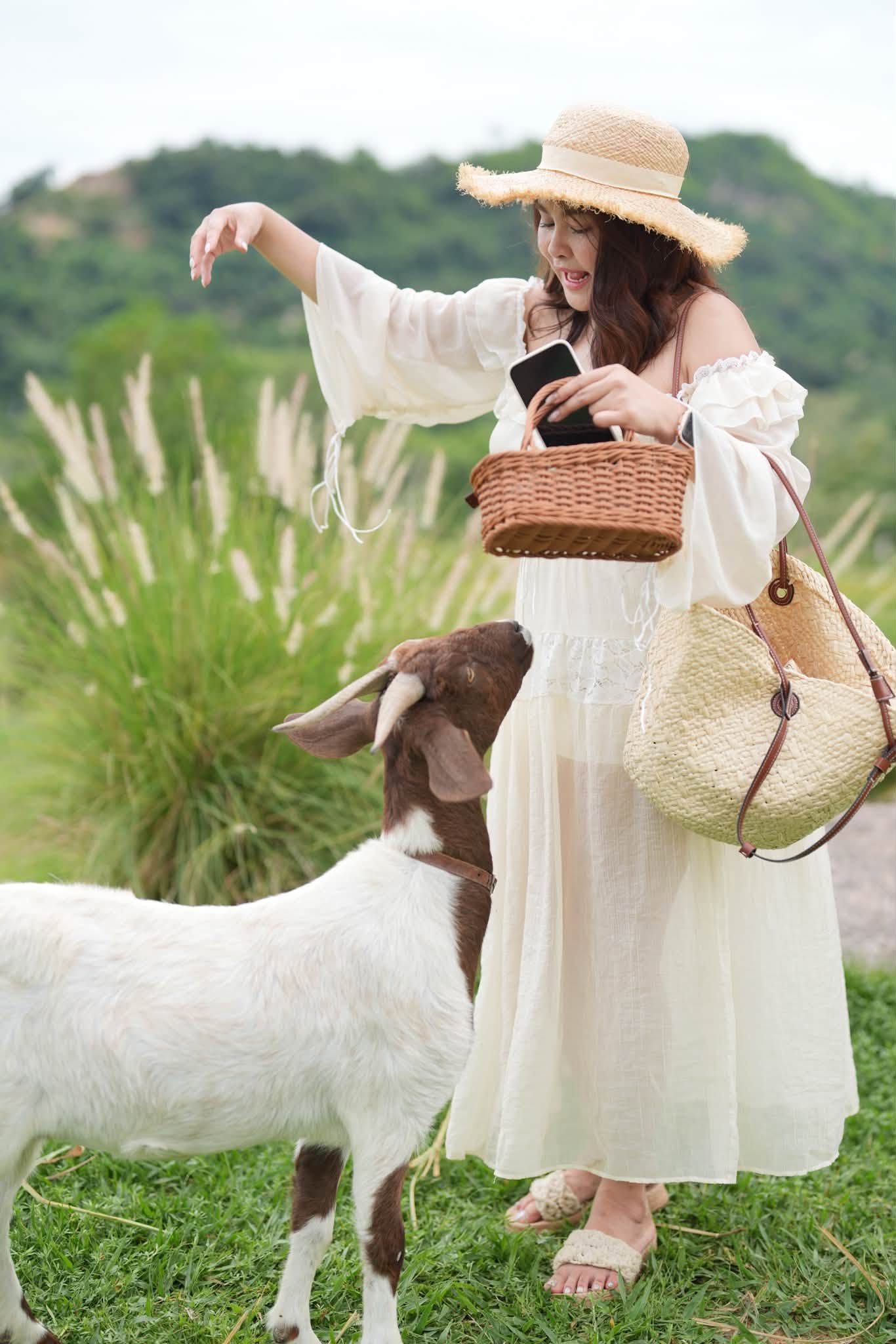

More shoppers are rethinking what they put on their feet. As a result, demand for genuine Art & Craft Sandals will likely keep growing. Thailand sits in a unique position to lead this shift. It has generations of textile and leatherwork expertise, an abundance of natural materials, and artisan communities eager to share their craft with the world.
So next time you shop for footwear, step away from the shelf of identical, synthetic pairs. Somewhere in Thailand, an artisan is probably shaping a sandal by hand right now — one that’s not just sustainable, but genuinely beautiful. That’s a small choice with a much bigger footprint. It’s better for the planet, better for the people who make it, and honestly, better for your feet too.

𝙎𝙖𝙣𝙙𝙖𝙡𝙨 𝙒𝙤𝙧𝙡𝙙 𝙞𝙨 𝙏𝙝𝙖𝙞𝙡𝙖𝙣𝙙’𝙨 𝙡𝙖𝙧𝙜𝙚𝙨𝙩 𝙝𝙪𝙗 𝙤𝙛 𝙖𝙧𝙩𝙞𝙨𝙩𝙞𝙘 𝙝𝙖𝙣𝙙𝙢𝙖𝙙𝙚 𝙨𝙖𝙣𝙙𝙖𝙡𝙨


ABOUT THE CONTENT CREATOR
BUNTHARIK INSIRI
(Content Writer)
Sandals World | Art & Craft Sandals | Sustainable Thai Craft Sandals Tags: handmade sandals, sandals world, foot health,
Thailand sandals, artistic handmade sandals, art & craft sandals, plantar fasciitis, bunion, sustainable sandals and BIO EVA ,SW GREEN

Halloween in Chiang Mai: Too Many Beautiful Sandals to Choose From! Discover CMP Handmade Sandals
Views: 7 Spooky Season, Stylish Steps! What’s scarier than ghosts this Halloween? Finding so many [...]
Oct

BIO EVA: From Sugarcane to Every Step A New Chapter in Handmade Sandals
Views: 9 When we think of sugarcane, we often imagine sugar, sweet drinks, or agricultural [...]
Oct
Witheechon x SW GREEN: Bringing Thai Cultural Heritage into the Modern World Through Sandals World’s Three Pillars
Views: 12 Before a pair of sandals begins its journey, have you ever wondered about [...]
Oct

Milala Handmade Featured on PChome Taiwan: Thai Craftsmanship Heads to STRIKE ROCK FESTIVAL 2026
Views: 18 From carefully tied knots and handcrafted sandals to recognition in Taiwanese media, Milala [...]
Oct

Recycling Is No Longer Enough: How Europe’s Circular Fashion Movement Is Changing the Future of Fashion
Views: 15 Europe discards approximately five million tonnes of clothing every year, yet only around [...]
Oct

How Much Can One Tourist Contribute to a Local Community? Thailand’s Shift Beyond Visitor Numbers
Views: 21 How Much Does One Tourist Contribute to a Local Community? Thailand’s Tourism Economy [...]
Oct

BIO EVA: A Material Transition for Handmade Sandals
Views: 37 Material Transition A Thoughtful Shift Toward More Responsible Materials Can a pair of [...]
Oct

Milala Handmade Mini Heart Collection: A Small Heart with a Big Journey to Tainan
Views: 19 Big journeys do not always begin with something loud or dramatic. Sometimes, they [...]
Oct
SANDALS WORLD GUIDE




Artistic Handmade Sandals
BY
SANDALS WORLD THAILAND
The Largest Hub
of Artistic Handmade Sandals in Thailand.