

Brand Stories
When Ice Fell Like Thunder: What the Nepal–Tibet Glacier Collapse Teaches Us About a Warming World
Sep
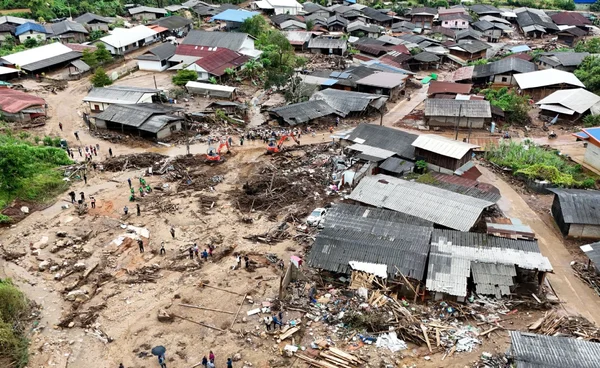
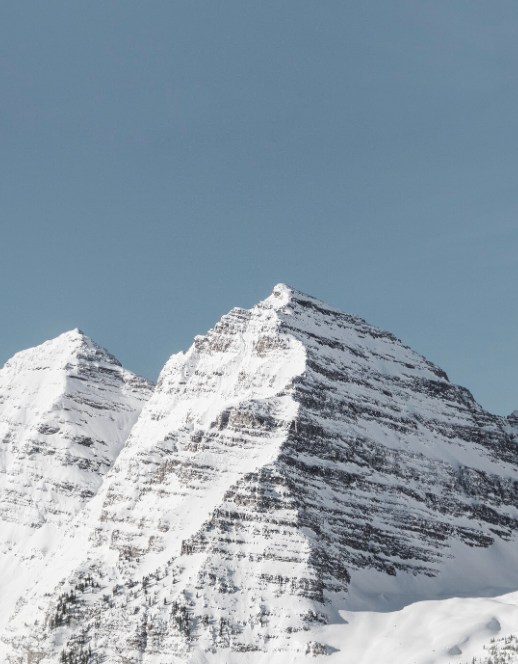
Imagine one square kilometre of ice and rock tearing away from a mountain. It hits the valley with enough force to create a seismic signal comparable to an earthquake above magnitude 5. Minutes later, the falling mass becomes a violent mixture of water, mud, ice and boulders. Downstream, the river rises by as much as seven to nine metres in only 30 minutes.
This happened near the Nepal–Tibet border on 26 August 2026. By 6 September, provisional figures listed 1,342 recovered bodies and 4,896 people missing or out of contact. More than 13,000 others had been rescued. Authorities warned that these numbers could change as searches continued. Rural Reconstruction Nepal, consolidating government-published NDRRMA data
The disaster shows how a sudden change high in the cryosphere can reach homes, schools and power systems within hours. It also asks an urgent question: what happens when unstable mountain environments meet communities with almost no warning time?
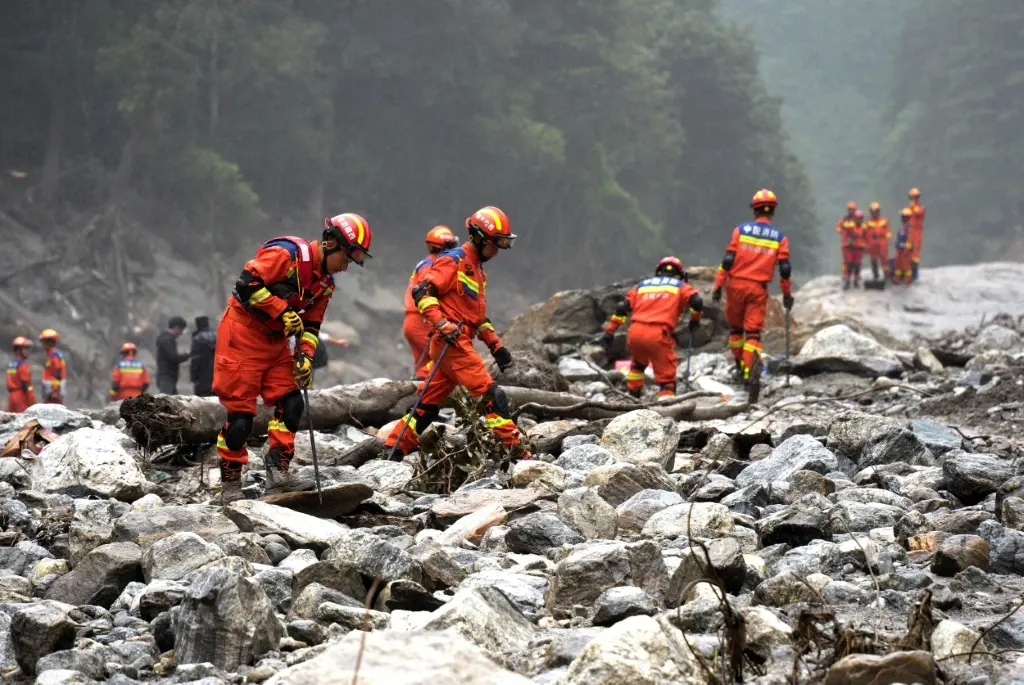
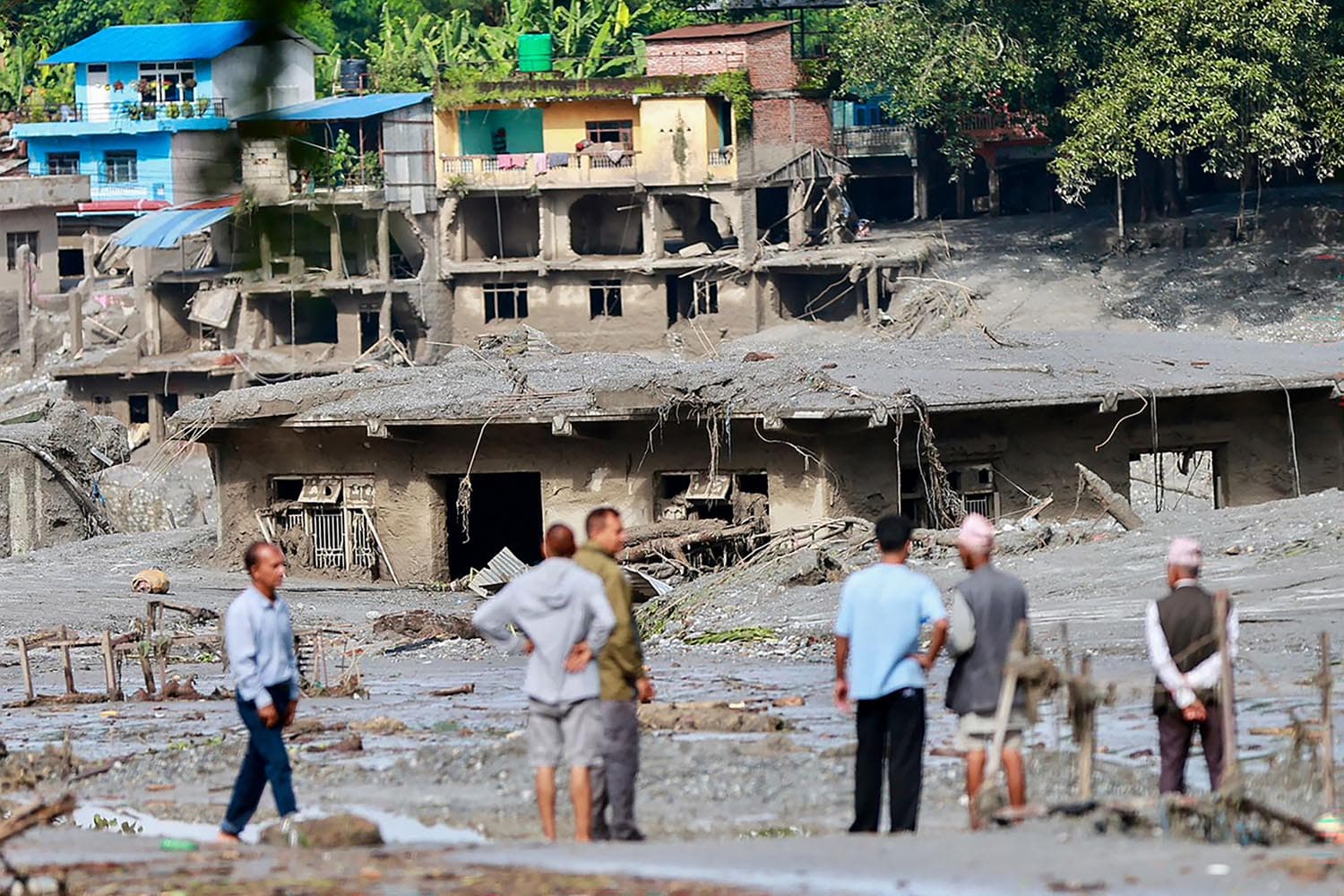
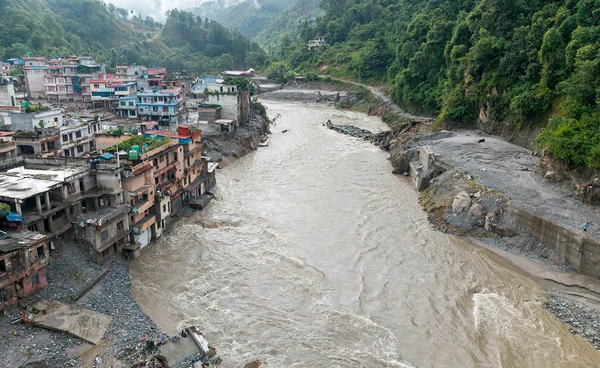
At around 8:40 a.m., ice and rock detached from a north-facing slope near the Lhende River, about 20 kilometres upstream of Rasuwagadhi. Satellite analysis estimated that roughly one square kilometre of rock-glacier material broke away.
As the mass rushed downhill, it collected snow, water, sediment and more rock. The initial ice–rock avalanche quickly became a dense debris flow. It entered Lhende Khola, continued into the Bhote Koshi River and moved through the Trishuli and Narayani systems. The European Space Agency reported that the torrent travelled nearly 100 kilometres, gathering more water and rubble along the way. European Space Agency
Why Do Scientists Point to a Glacier Collapse?
Scientists combined satellite images, seismic records, river measurements and the debris itself. Together, these clues support the same sequence.
1. Satellites Revealed a Fresh Scar on the Mountain
Sentinel-2 recorded the area before the disaster, while Landsat-9 passed overhead about two hours afterward. The comparison revealed a fresh scar, a path of displaced material and major changes to the river. Shortwave-infrared data also helped researchers separate ice and water from monsoon clouds.
2. Seismic Instruments Recorded the Avalanche
Seismic stations near Langtang–Lirung recorded energy comparable to an earthquake greater than magnitude 5. However, later analysis found that the moving mass produced the signal. The instruments recorded the impact of ice and rock—not an earthquake that triggered it. The timing also matched the beginning of the flood.
3. The River Rose Too Fast for an Ordinary Flood
The Trishuli River rose by seven to nine metres at some points in around 30 minutes. At Devghat, peak flow reached approximately 5,850 cubic metres per second—more than two Olympic pools every second. The total flood volume reached an estimated 57.4 million cubic metres, or almost 23,000 Olympic pools. Nepal National Disaster Risk Reduction and Management Authority
Rain causes destructive floods, but the speed and timing of this surge fit a sudden release of water and debris much more closely.
4. The Flow Carried More Than Water
Observations showed a torrent loaded with mud, ice, trees and large boulders. This dense mixture carried more force than ordinary floodwater. As it tore through bridges and hydropower facilities, its composition pointed back toward a high-altitude collapse involving ice and rock.
How One Collapse Became a Chain of Disasters
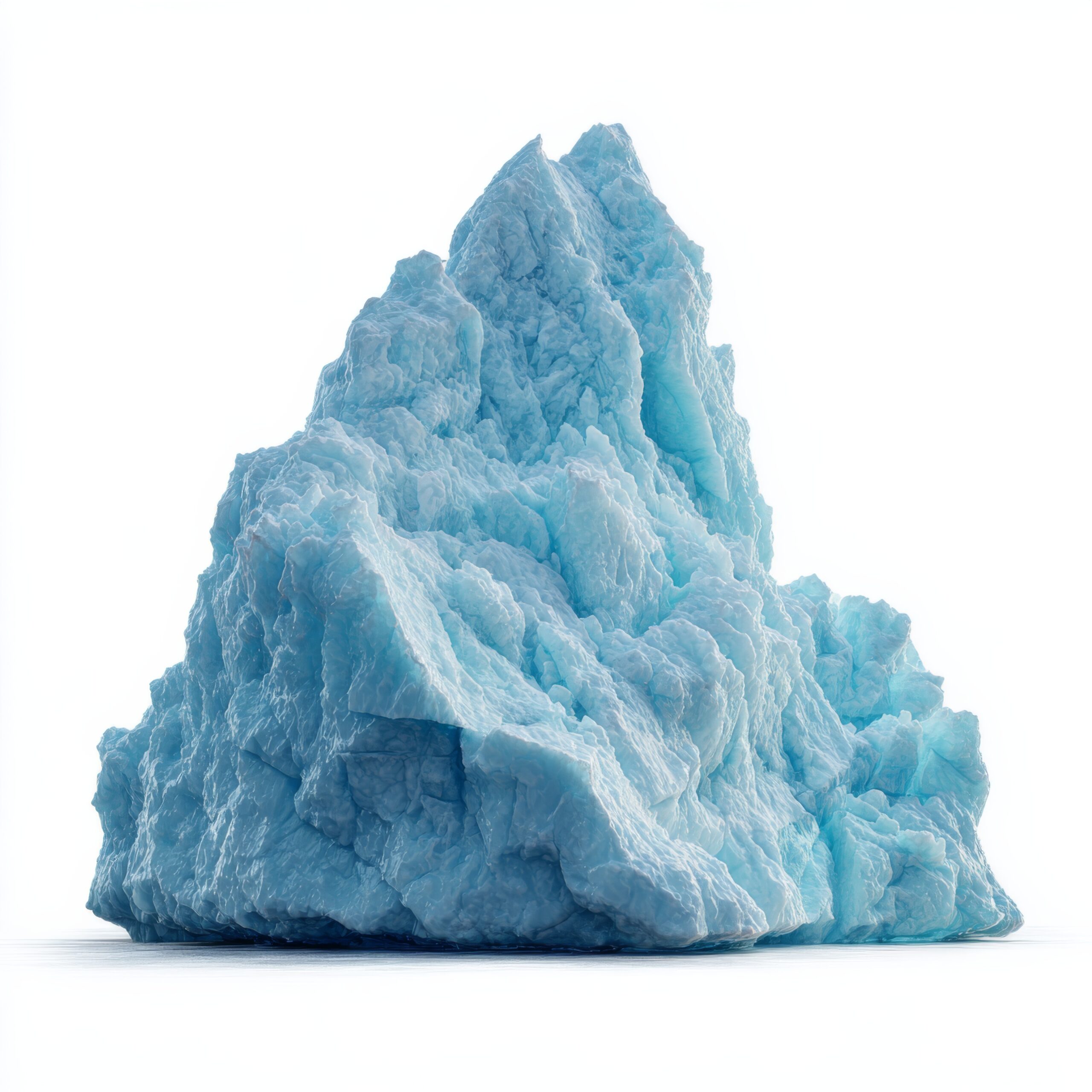
The avalanche was only the first stage. Ice, rock and soil blocked narrow river channels, creating natural dams. Water then collected behind them. When a blockage failed, it could release the stored water at once. Satellite and drone observations later confirmed several temporary lakes, while unstable banks continued to pose secondary risks.
Scientists describe this as a cascading hazard:
Ice and rock collapse → debris enters the river → a natural dam forms → water accumulates → the blockage fails → a destructive flood wave moves downstream.
This was not a classic Glacial Lake Outburst Flood, or GLOF, which begins when a pre-existing glacial lake breaches. Here, the evidence points first to an ice–rock avalanche. Temporary lakes and sudden releases followed.
Numbers the World Should Not Ignore
Preliminary assessments identified around 7,570 affected homes, 55 kilometres of damaged roads, 18 schools, seven health facilities and more than 100 affected bridges. Energy infrastructure totalling roughly 783 megawatts also suffered damage. Meanwhile, the early economic estimate reached NPR 387.5 billion, or about US$2.5 billion.
The emergency continued after the flood passed. Authorities sent 21,000 oral cholera vaccine doses to Rasuwa as a precaution. This did not confirm an outbreak, but it showed how a mountain disaster can become a health, housing and supply-chain crisis.
Did Global Warming Directly Cause This Collapse?
The most scientifically honest answer is: we do not know yet.
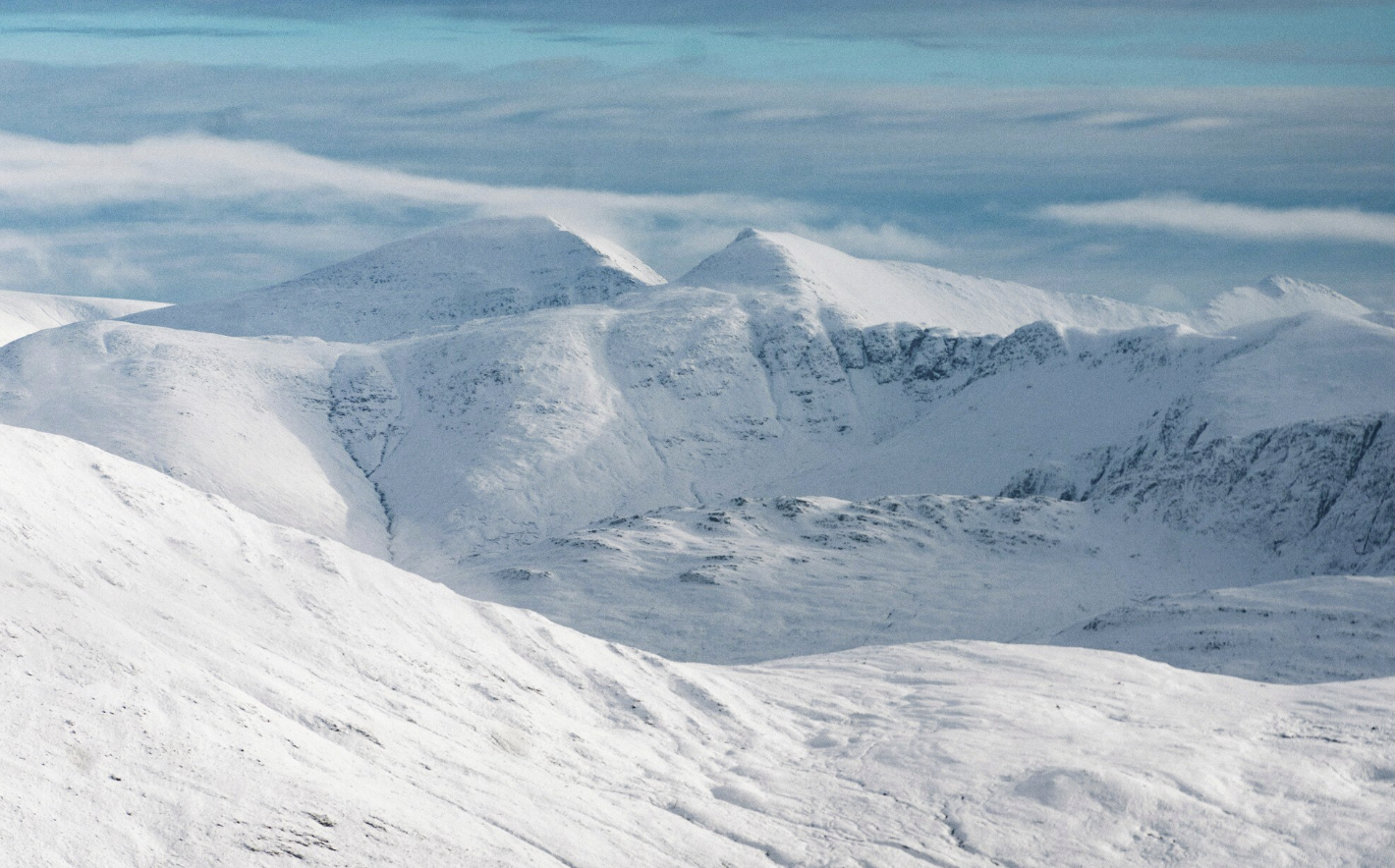
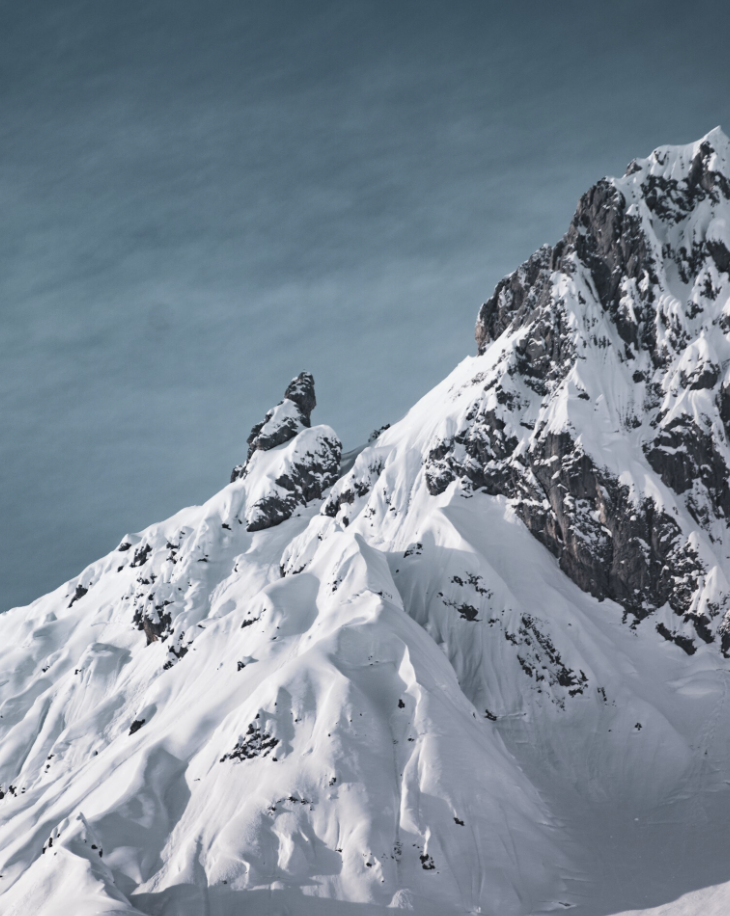
Rising temperatures are changing glaciers, snow, permafrost and mountain slopes across the Himalayas. Thinner ice can crack, while thawing permafrost may weaken the frozen material that holds rock together. Meltwater can also reduce friction inside a slope.
Nevertheless, linking climate change to this specific collapse requires local data collected over time. ICIMOD therefore warned that climate change is altering the Himalayan cryosphere, but its exact role in this event remained uncertain. International Centre for Integrated Mountain Development
Scientific caution does not make the climate crisis less urgent. It keeps climate communication credible.
Making the World More Liveable Starts Before Disaster Strikes
Governments must expand glacier monitoring, river sensors and cross-border warning systems. Communities need clear evacuation plans, while planners should keep critical infrastructure away from known flood paths.
Businesses must also examine materials, production, transport, durability and end-of-life impacts. True sustainability is not a green slogan. It demands measurable improvement and transparent communication. No single material can solve the climate crisis, but better choices can reduce fossil dependence.



At sandals world, awareness must lead to action. Therefore, we are starting where a footwear brand can make a practical difference: material selection.
Through SW GREEN, Sandals World is developing foam footbeds made with sugarcane-based BIO EVA. This bio-based approach aims to reduce reliance on petroleum-derived inputs and support a lower-carbon direction aligned with international environmental standards. It forms part of our wider vision for Sustainable Thai Craft Sandals, where responsible materials, Thai craftsmanship and everyday function move forward together.
Our sandals also use natural rubber outsoles for added grip and slip resistance. Meanwhile, a contoured footbed supports the shape of the foot and makes each pair easy to wear in daily life. When these practical features meet handmade work from artisans and local communities, the result carries more than visual beauty. It carries skill, culture and human intention.
This is the future we want to help build for Thailand sandals: thoughtful handmade sandals that respect both people and resources. It includes Artistic Handmade Sandals that express individual creativity and Art & Craft Sandals that bring traditional techniques into contemporary life.
One pair of shoes cannot stop global warming, and bio-based materials still have impacts. Yet moving away from fossil dependence matters. Supporting careful craft and designing products for longer use matter too.
The Nepal–Tibet disaster reminds us that changes high on a mountain do not stay there. They travel through rivers, economies and lives. Likewise, our choices do not end at the checkout counter. A more liveable planet begins when we understand what we produce, buy and leave behind—and choose our next step more responsibly.
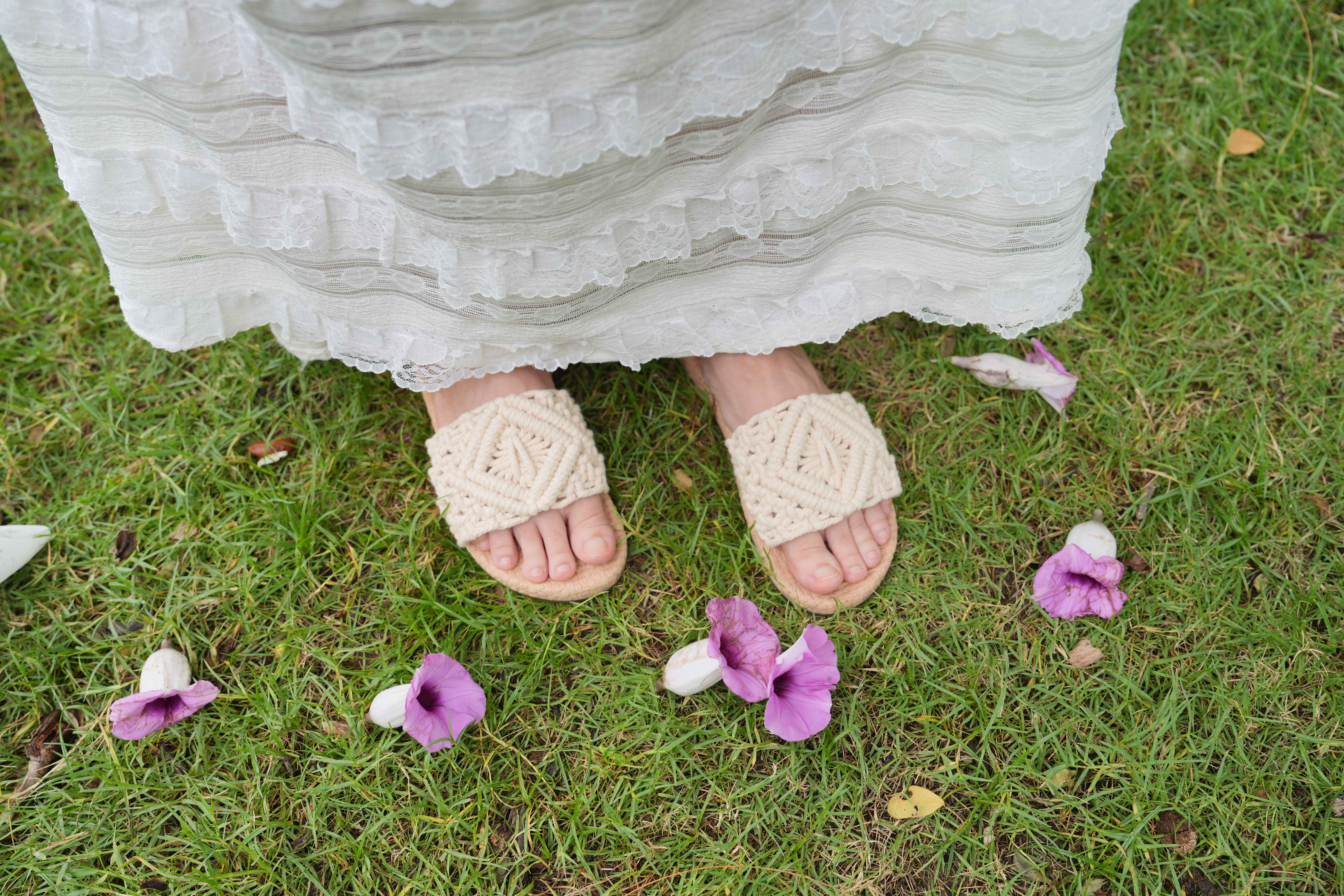
𝙎𝙖𝙣𝙙𝙖𝙡𝙨 𝙒𝙤𝙧𝙡𝙙 𝙞𝙨 𝙏𝙝𝙖𝙞𝙡𝙖𝙣𝙙’𝙨 𝙡𝙖𝙧𝙜𝙚𝙨𝙩 𝙝𝙪𝙗 𝙤𝙛 𝙖𝙧𝙩𝙞𝙨𝙩𝙞𝙘 𝙝𝙖𝙣𝙙𝙢𝙖𝙙𝙚 𝙨𝙖𝙣𝙙𝙖𝙡𝙨


ABOUT THE CONTENT CREATOR
BUNTHARIK INSIRI
(Content Writer)
Sandals World | Art & Craft Sandals | Sustainable Thai Craft Sandals Tags: handmade sandals, sandals world, foot health,
Thailand sandals, artistic handmade sandals, art & craft sandals, plantar fasciitis, bunion, sustainable sandals and BIO EVA ,SW GREEN

Halloween in Chiang Mai: Too Many Beautiful Sandals to Choose From! Discover CMP Handmade Sandals
Views: 5 Spooky Season, Stylish Steps! What’s scarier than ghosts this Halloween? Finding so many [...]
Oct
BIO EVA: From Sugarcane to Every Step A New Chapter in Handmade Sandals
Views: 5 When we think of sugarcane, we often imagine sugar, sweet drinks, or agricultural [...]
Oct

Witheechon x SW GREEN: Bringing Thai Cultural Heritage into the Modern World Through Sandals World’s Three Pillars
Views: 8 Before a pair of sandals begins its journey, have you ever wondered about [...]
Oct

Milala Handmade Featured on PChome Taiwan: Thai Craftsmanship Heads to STRIKE ROCK FESTIVAL 2026
Views: 15 From carefully tied knots and handcrafted sandals to recognition in Taiwanese media, Milala [...]
Oct

Recycling Is No Longer Enough: How Europe’s Circular Fashion Movement Is Changing the Future of Fashion
Views: 13 Europe discards approximately five million tonnes of clothing every year, yet only around [...]
Oct

How Much Can One Tourist Contribute to a Local Community? Thailand’s Shift Beyond Visitor Numbers
Views: 20 How Much Does One Tourist Contribute to a Local Community? Thailand’s Tourism Economy [...]
Oct

BIO EVA: A Material Transition for Handmade Sandals
Views: 31 Material Transition A Thoughtful Shift Toward More Responsible Materials Can a pair of [...]
Oct

Milala Handmade Mini Heart Collection: A Small Heart with a Big Journey to Tainan
Views: 18 Big journeys do not always begin with something loud or dramatic. Sometimes, they [...]
Oct
SANDALS WORLD GUIDE




Artistic Handmade Sandals
BY
SANDALS WORLD THAILAND
The Largest Hub
of Artistic Handmade Sandals in Thailand.