

Brand Stories
The 500-Year Sandal Problem: How Sugarcane Is Quietly Fixing Thailand’s Favorite Footwear

Sep
Here’s an uncomfortable truth. Most people never think about it while slipping on a pair of sandals. In fact, the soft, bouncy foam under their feet might still sit in a landfill 500 years from now. It won’t wear out. Instead, it will slowly crumble into microplastic, one invisible fragment at a time. That single fact explains why Sandals World spent this year building SW Green. It also explains something else: the story of a good pair of handmade sandals now starts in a sugarcane field, not an oil field.
What’s Actually Inside a Regular Sandal Sole
Manufacturers make most foam soles from EVA, short for Ethylene Vinyl Acetate. To create it, they combine two ingredients. Ethylene usually comes from crude oil or natural gas, while vinyl acetate is a chemical that makes plastic soft and stretchy. Combine the two through polymerization, then run the result through a foaming process, and you get springy, lightweight EVA foam. As a result, almost every flip-flop and sneaker sole uses it.
The real problem, however, shows up later, at the end of that sole’s life. Unlike a leaf or a piece of fruit, EVA doesn’t break down naturally. Three concrete reasons explain why.
First, its structure forms an extremely long polymer chain. Because of this, soil microorganisms simply can’t “bite through” a molecule that long, so natural decomposition barely touches it.
Second, it’s fundamentally a petroleum-based material. Manufacturers engineer it to resist water, sunlight, and fungal decay. That durability feels great on your feet, but it turns into terrible news in a landfill.
Third, EVA foam is rarely pure. Manufacturers add crosslinking agents, stabilizers, pigments, and plasticizers to make it strong and heat-resistant. Consequently, those same additives make it even more stubborn to break down.
In the end, EVA foam doesn’t truly decompose. Instead, it just fractures into smaller and smaller pieces, which scientists call microplastic. The whole process takes an estimated 100 to 500 years.
Petroleum Isn’t Just Fuel And That’s the Real Complication
It’s worth pausing on where that ethylene actually comes from. A gas processing plant separates crude oil and natural gas into a whole family of products. For example, methane becomes electricity and industrial fuel. Meanwhile, ethane and propane turn into the building blocks of everyday plastics like PE and PP. LPG, in turn, heats household stoves. Similarly, natural gasoline works as an industrial solvent. And heavier hydrocarbons condense into other products, like condensate.
In other words, petroleum isn’t only about filling a fuel tank. It forms the quiet backbone of practically the entire plastics industry, EVA foam included. That’s precisely why a foam sole feels so “normal” and disposable. After all, manufacturers built the entire supply chain around a resource that simply runs out once you use it.

Here’s where sustainability stops being a buzzword. Instead, it becomes an actual swap you can trace, step by step. Bio-EVA follows almost the identical chemical pathway as regular EVA. Only one thing changes, right at the very beginning.
Rather than crude oil, the process starts with sugarcane. As it grows, sugarcane absorbs CO₂ from the atmosphere through photosynthesis. From there, producers extract the sugar from that cane, ferment it into ethanol, and convert it into bio-ethylene. Essentially, bio-ethylene works as a direct, plant-based substitute for petroleum-derived ethylene. After that, every remaining step stays the same: combine it with vinyl acetate, polymerize it, and foam it. In the end, you get BIO-EVA foam that performs identically to the conventional version. It’s soft, light, and shock-absorbing, and it never touches a barrel of crude oil.
The elegance of this swap, though, is simple: comfort never has to change. Bio-EVA isn’t a compromise material; rather, it’s chemically the same molecule, just grown instead of drilled. Because farmers replant sugarcane every single year, the raw material stays renewable in a way petroleum can never be again.
Why Thailand Is the Perfect Place for This Story
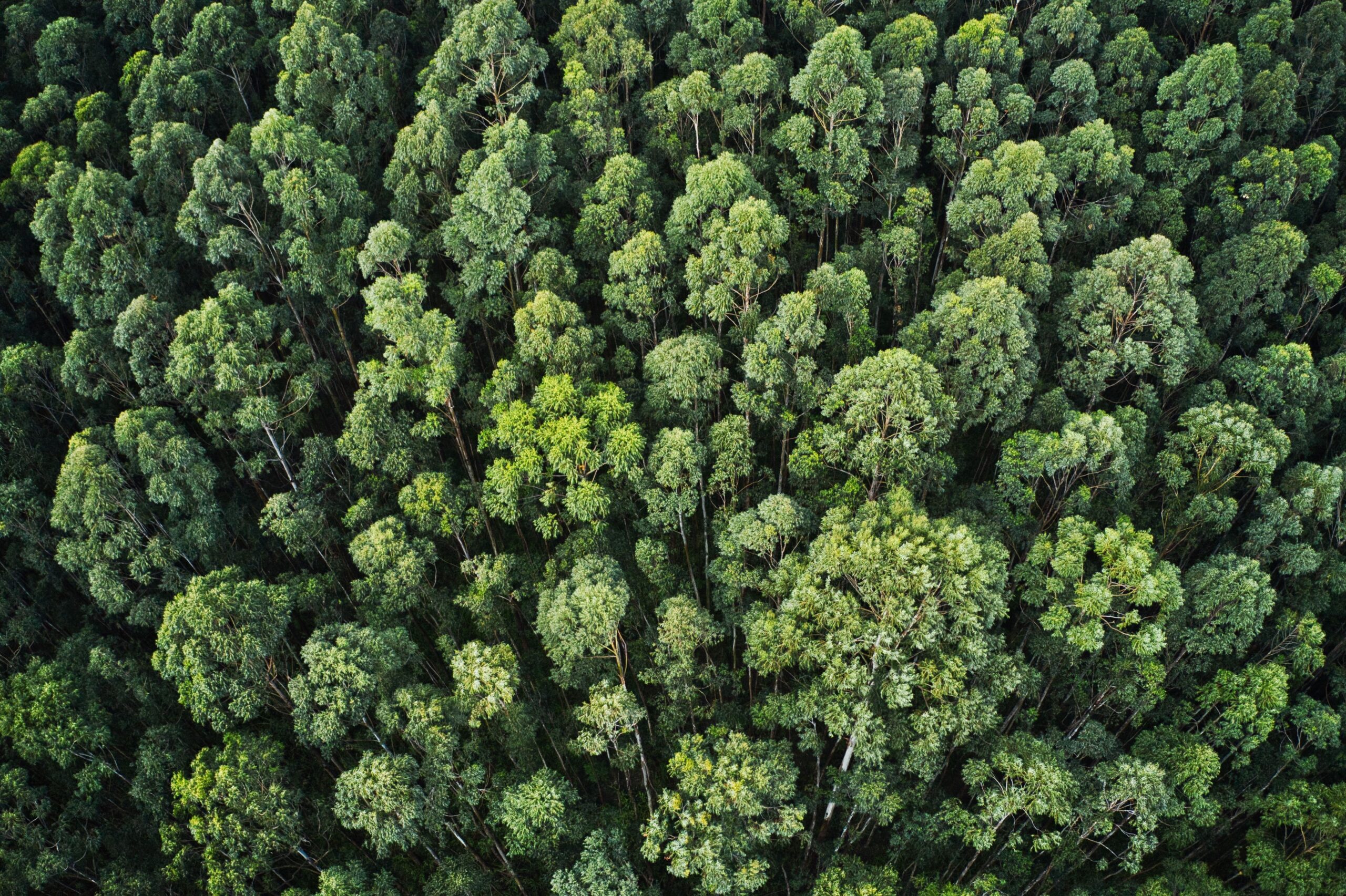
This isn’t an abstract chemistry lesson picked at random. Rather, it’s a genuinely local opportunity. Thailand, after all, ranks among the largest sugarcane-producing countries on earth. That means producers don’t need to import the raw material for Bio-EVA from anywhere else. Combine that agricultural strength with Thailand’s long tradition of hand-woven textiles and craft, and you get the exact combination that defines Thailand sandals. In short, locally grown, sustainable materials meet skilled hands that have practiced this craft for generations.
That’s the gap Sandals World is stepping into. Currently, most brands using sugarcane-based foam are large athletic shoe manufacturers, producing at massive industrial scale. Sandals World’s SW Green project, however, takes the same underlying material and threads it into small-batch, artisan production instead. As a result, every sole stays firmly inside the world of Art & Craft Sandals, rather than moving down a factory conveyor belt. That distinction, in turn, lets the brand genuinely claim the title of Artistic Handmade Sandals, not just borrow the phrase for marketing.
A Sole Story Worth Telling
Put the whole picture together, and a pair of handmade sandals from Sandals World carries two intertwined stories at once.
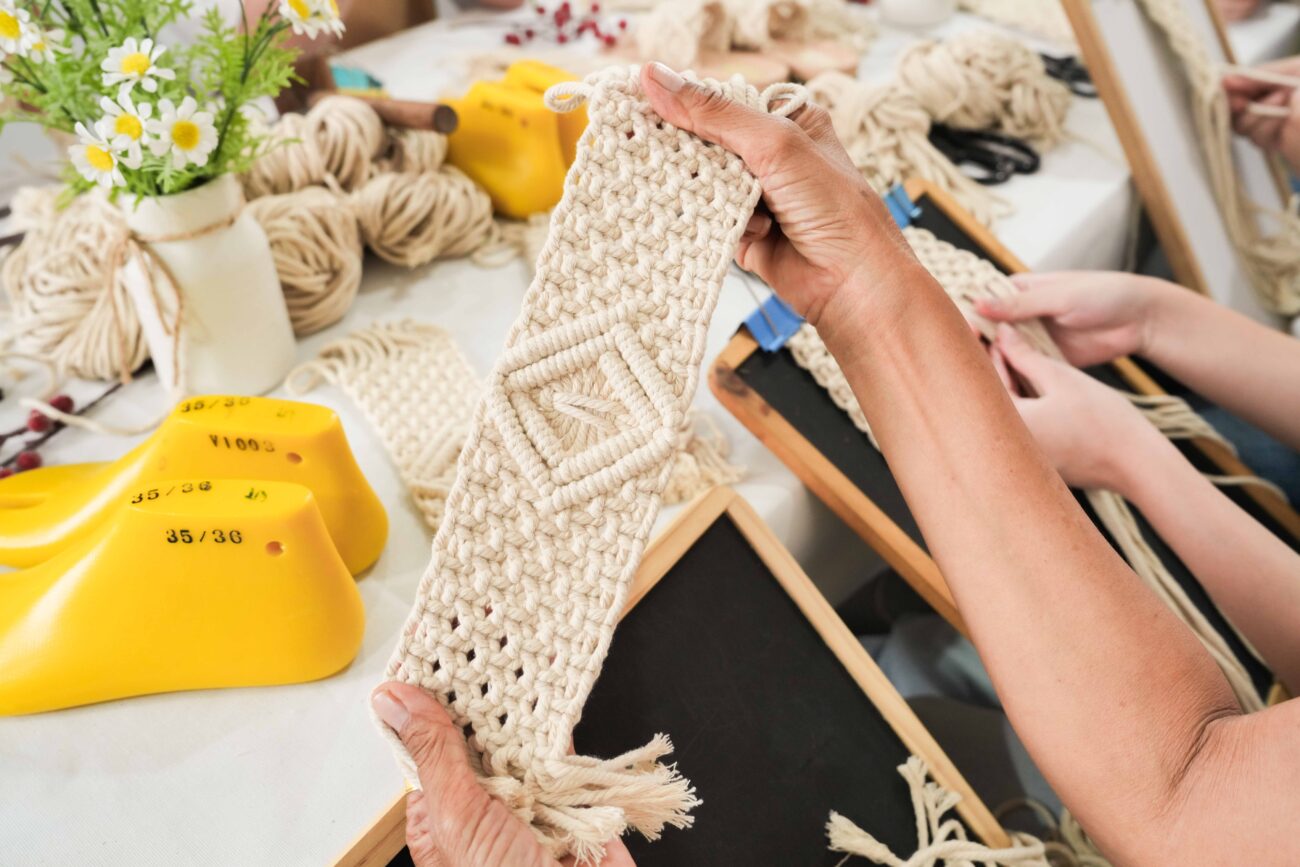
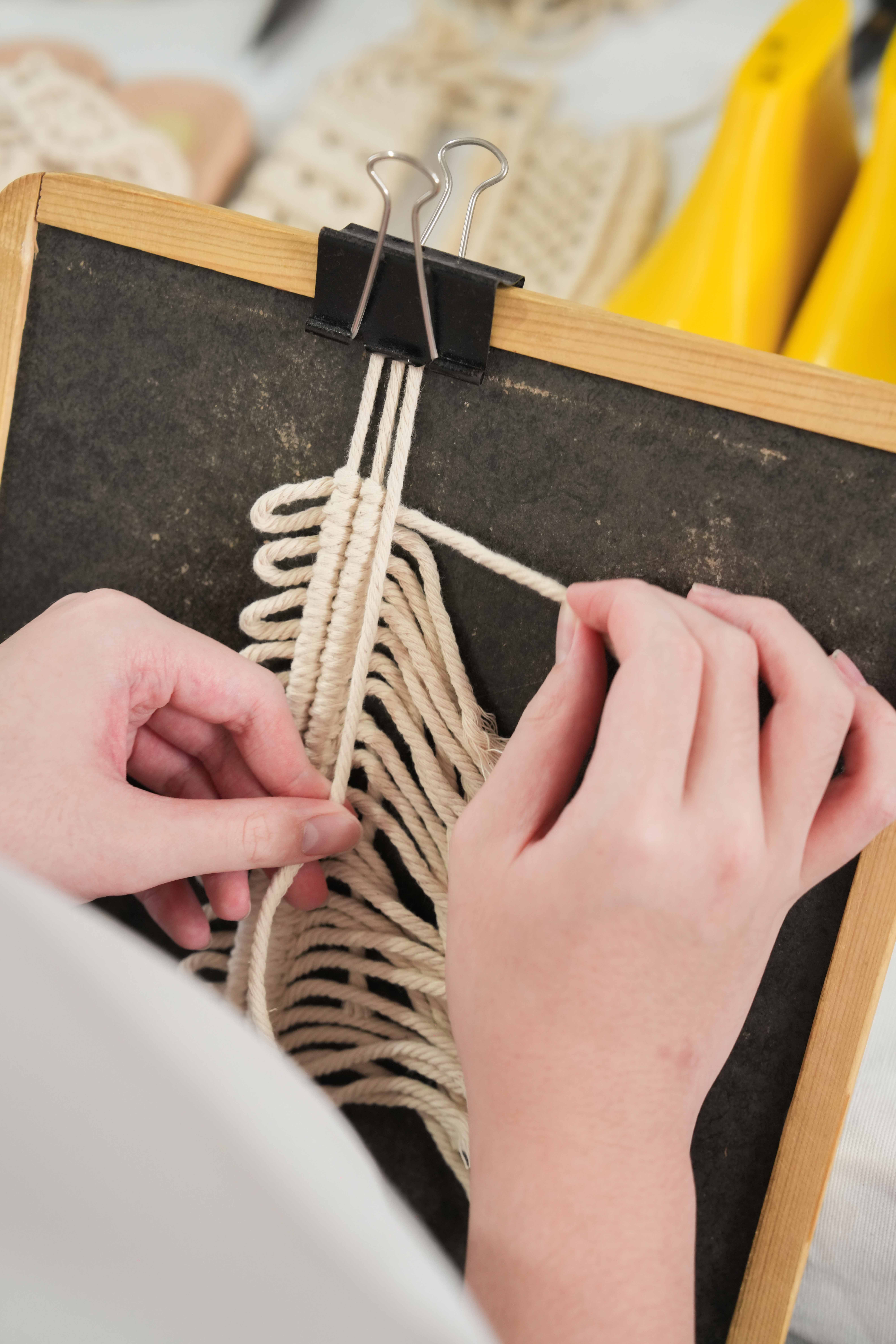
First, there’s the human story. A Thai artisan cuts, shapes, and finishes each strap by hand, the same way the brand has approached every collection since it patented its own sole design.
Second, there’s a material story too. This foam began its life absorbing carbon dioxide in a sugarcane field. Nobody pumped it out of the ground as crude oil. Engineers designed it, instead, to eventually replace ordinary foam. Otherwise, that ordinary foam would keep fracturing into microplastic for centuries to come.
Together, these two stories matter. Real handmade craftsmanship sits on top of a genuinely lower-carbon material, and together they separate a marketing slogan from an honest claim to sustainability. That’s also why Sandals World can call its lineup Sustainable Thai Craft Sandals and mean it. After all, the sustainability doesn’t stop at a label on the box you can trace it all the way back to a sugarcane stalk.

The Takeaway for Anyone Shopping for Sandals
None of this means every sandal on a store shelf hides some secret toxin. Nor does it mean you should fear regular EVA foam. Instead, it simply means a real, verified alternative now exists, for anyone who wants their footwear choices to match their values.
So, the next time you compare a plain foam flip-flop with a pair of Sandals World signature designs, look past the strap. Ask a different question instead. Does the foam underneath your foot trace back to an oil rig, built to outlast you by half a millennium? Or does it trace back to a sugarcane field that regrows every single year? Either way, that’s the real proof: comfort, craftsmanship, and a genuinely lighter footprint on the planet can all live in the same pair of sandals.
𝙎𝙖𝙣𝙙𝙖𝙡𝙨 𝙒𝙤𝙧𝙡𝙙 𝙞𝙨 𝙏𝙝𝙖𝙞𝙡𝙖𝙣𝙙’𝙨 𝙡𝙖𝙧𝙜𝙚𝙨𝙩 𝙝𝙪𝙗 𝙤𝙛 𝙖𝙧𝙩𝙞𝙨𝙩𝙞𝙘 𝙝𝙖𝙣𝙙𝙢𝙖𝙙𝙚 𝙨𝙖𝙣𝙙𝙖𝙡𝙨


ABOUT THE CONTENT CREATOR
BUNTHARIK INSIRI
(Content Writer)
Sandals World | Art & Craft Sandals | Sustainable Thai Craft Sandals Tags: handmade sandals, sandals world, foot health,
Thailand sandals, artistic handmade sandals, art & craft sandals, plantar fasciitis, bunion, sustainable sandals and BIO EVA ,SW GREEN