

Brand Stories, SANDALS JOURNEY, Sandals World News, Sustainability, Travel & Destinations
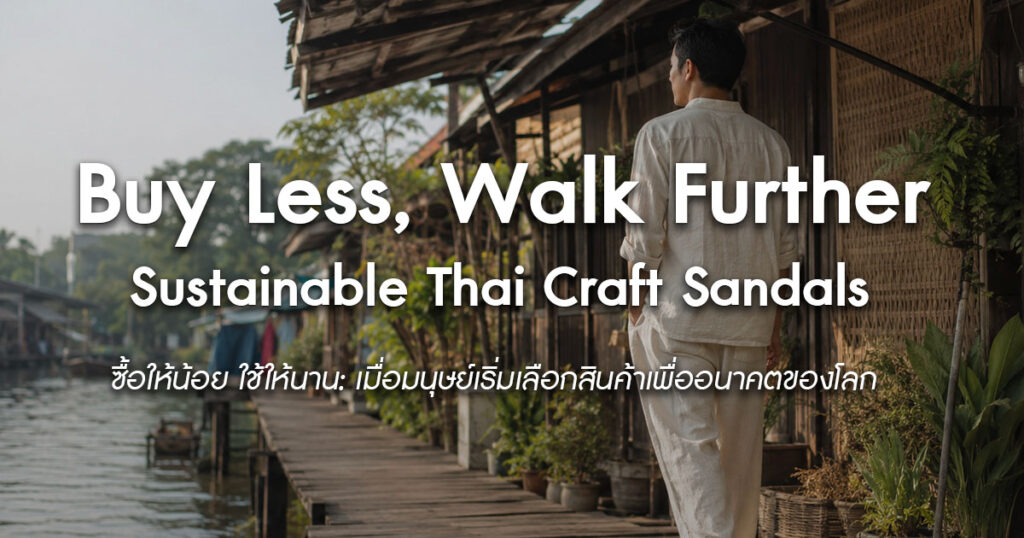
Buy Less, Walk Further: How Sustainable Thai Craft Sandals Can Help Shape a Better Future
Aug
Consumers once chose products mainly by looking at price, appearance, brand name, and current trends. Today, rising living costs, health concerns, climate change, and growing amounts of waste have started to change the way people shop.
Many shoppers now ask more questions before making a purchase. Is the product worth the price? How long will it last? Who made it? Where did the materials come from? Can someone repair it? What will happen when it reaches the end of its useful life?
These questions show that sustainability has moved beyond green packaging and environmental slogans. Responsible consumption requires people and businesses to consider a product’s entire life cycle, from material extraction and manufacturing to transportation, use, repair, and disposal.
This global shift also creates an opportunity for Sandals World to connect Thai craftsmanship with durability, transparency, and more thoughtful purchasing.
Consumers Are Buying Value, Not Just Brand Names
The 2025 EY Future Consumer Index surveyed more than 20,000 people across 26 countries. It found that 81% considered price an important purchasing factor, while 77% had changed their shopping behavior in response to price increases.
Brand names have also lost some of their influence. More than one-third of respondents said they no longer considered brands when making purchasing decisions. However, 48% would return to a premium brand if it offered better quality, taste, or performance. EY Future Consumer Index 2025
These findings do not mean that people always choose the cheapest option. Instead, consumers want brands to explain why a product deserves its price.
Quality, durability, performance, and practical benefits now carry more weight. A logo alone cannot create loyalty if the product fails to deliver meaningful value..
From the Newest Product to the Longest-Lasting One
People still enjoy discovering new products, but more shoppers now question items that last only one season. Rising costs and greater awareness of waste encourage them to choose more carefully.
This shift supports a simple idea: Buy less, choose better, and use products for longer.
Products that match this direction often share several qualities:
- They serve more than one purpose.
- Their quality reflects their price.
- Owners can clean and maintain them easily.
- A repair service can replace damaged components.
- Brands provide clear material and production information.
- The design does not depend on a short-lived trend.
- Customers want to keep and use the product regularly.
Buying less does not require everyone to stop shopping. It encourages people to choose items that meet real needs and retain their value over time.
Health Now Influences Everyday Purchases
Health and wellness trends no longer belong only to food, supplements, exercise equipment, or medical services. They now influence fashion, footwear, technology, housing, beauty, and travel.
NielsenIQ surveyed almost 19,000 consumers across 19 countries in 2025. Seventy percent described themselves as proactive about managing their health, while 57% said “aging well” mattered more to them than it did five years earlier.
Consumers also want better information. The survey found that 82% wanted clearer and more transparent labels on health and wellness products, while 62% distrusted health claims from food companies. NIQ Global Health & Wellness Trends
This skepticism matters beyond food. Shoppers will increasingly challenge any brand that uses words such as “healthy,” “natural,” or “wellness” without evidence.
For footwear, a credible brand should explain fit, materials, weight, intended use, and care requirements. It should avoid claiming that ordinary sandals can cure pain or prevent medical conditions unless product-specific testing supports those statements.
Personal Health Meets Planetary Health
Consumers increasingly recognize the connection between personal health and the environment. Air pollution, contaminated water, hazardous chemicals, extreme heat, and damaged food systems can all affect human well-being.
The NIQ survey found that 70% of respondents considered it important for health and wellness products to come from eco-friendly or ethical production. Yet environmental intentions do not always become real purchases. When prices rise, affordability often takes priority.
This gap between intention and action creates a challenge for responsible brands. A sustainable product must offer more than an environmental story. It should also provide personal benefits and value for money.
For example, “an eco-friendly product” sounds broad. In contrast, “a durable product that customers can repair and use for years” communicates a clear benefit. It connects environmental responsibility with lower replacement costs.
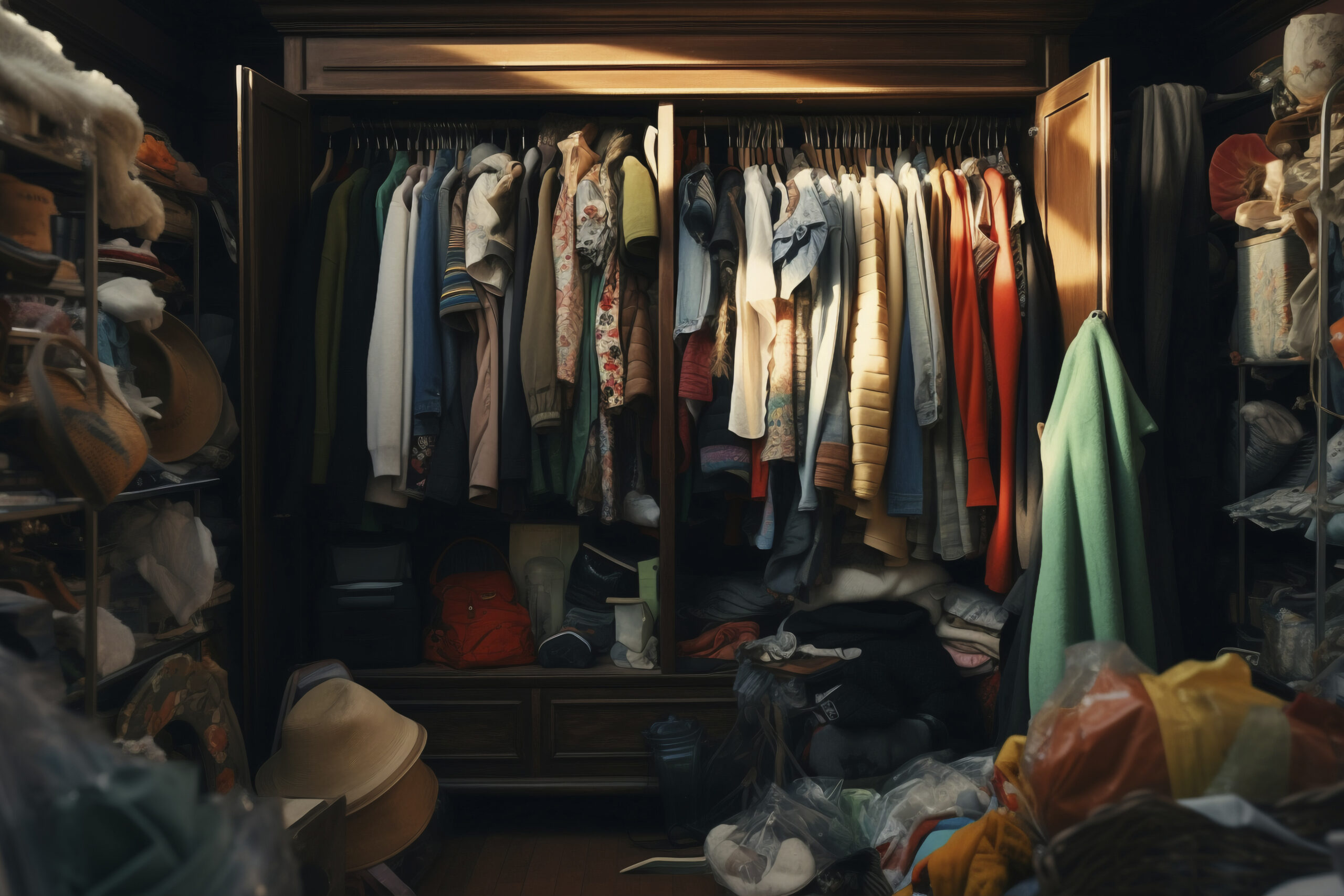
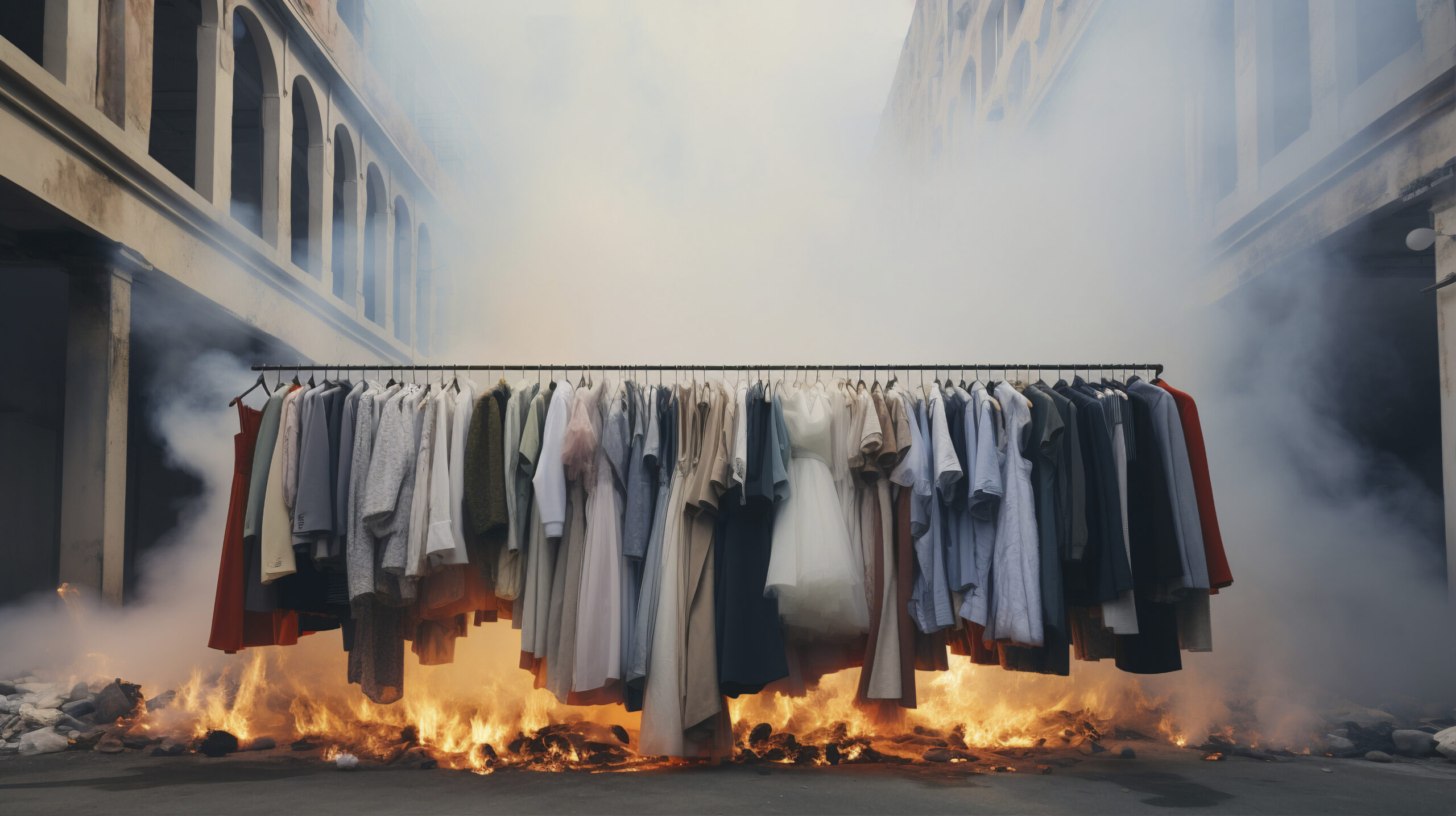
Every product requires some combination of raw materials, energy, water, labor, and transportation. Environmental damage can therefore begin long before a factory assembles the final item.
According to the United Nations Environment Programme, global resource use rose from approximately 30 billion tonnes in 1970 to 106 billion tonnes. Humanity more than tripled its use of natural resources in about 50 years.
Without major changes, global resource extraction could rise by another 60% by 2060. UNEP Global Resources Outlook 2024
The production journey may begin with mining, logging, oil extraction, industrial agriculture, or water consumption.
Manufacturers then process, transport, color, shape, assemble, package, and distribute those materials.
As a result, factory emissions represent only one part of a product’s environmental footprint.
A full assessment must also consider the origin and processing of its materials.
Resource Extraction Drives Climate and Nature Loss
UNEP estimates that resource extraction and processing account for more than 60% of planet-warming emissions. These activities also contribute about 40% of the health impacts associated with air pollution.
Biomass extraction and processing, including agriculture and forestry, account for 90% of land-related biodiversity loss and water stress. UNEP: Resource Use and Climate Impacts
These figures do not mean that every product or factory creates the same amount of damage. They show that an economic system that constantly extracts new resources puts enormous pressure on the planet.
Improving factory efficiency can reduce some impacts, but efficiency alone cannot solve the problem. Businesses must also ask how much they need to produce, how long each product will last, and whether customers can repair, reuse, or recover it.
Waste Continues After the Customer Stops Using a Product
Production does not create environmental pressure only at the beginning of a product’s life. Disposal creates another major challenge.
UNEP estimates that municipal solid waste could grow from 2.1 billion tonnes in 2023 to 3.8 billion tonnes by 2050.
The world spent an estimated US$252 billion on direct waste management in 2020. When UNEP included hidden costs from pollution, poor health, and climate change, the total reached US$361 billion. Without urgent action, annual costs could rise to US$640.3 billion by 2050. UNEP Global Waste Management Outlook 2024
Recycling alone cannot handle this growing volume. Businesses need to prevent waste through better design, responsible production, repair services, reuse, and material recovery.
Fashion Has an Environmental Price
Fashion may look clean and attractive in a shop, but its supply chain can carry a significant environmental cost.
UNEP estimates that the textile industry produces between 2% and 8% of global greenhouse gas emissions. It also uses enough water each year to fill approximately 86 million Olympic-sized swimming pools. Chemical use creates additional impacts throughout production. UNEP: Fashion’s Environmental Footprint
For footwear, environmental pressure can come from rubber, plastic, leather, fabric, dyes, adhesives, coatings, packaging, and transport. Products that combine many materials can become difficult to separate and recycle.
However, brands should not apply the textile industry’s total impact to every individual pair of shoes. Accurate product claims require a Life Cycle Assessment, or LCA, that measures impacts from raw materials to end of life.
Transparency includes acknowledging what a brand has not yet measured.
Does Handmade Always Mean Sustainable?
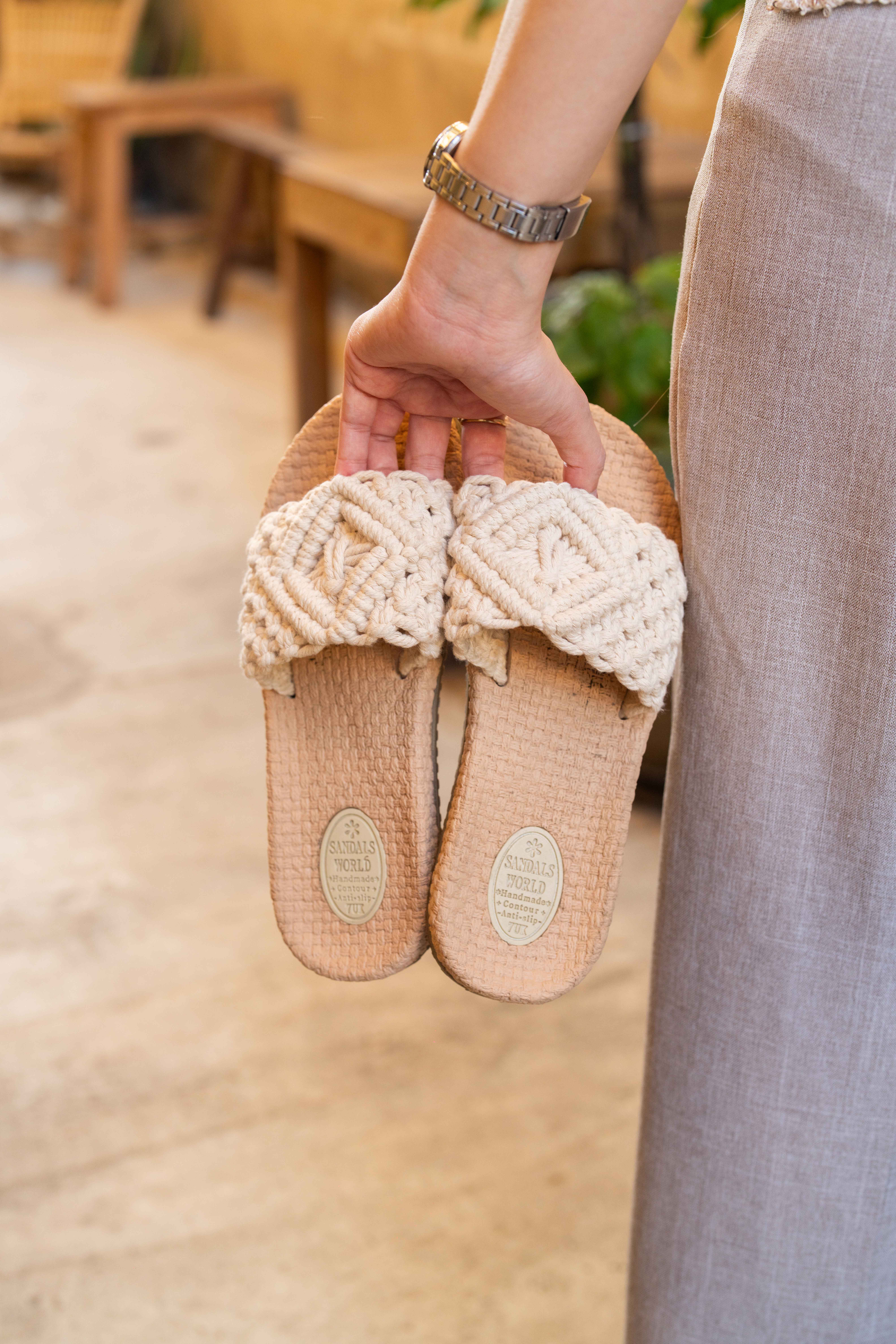
The word handmade does not automatically make a product sustainable. A handmade item can still use harmful materials, create unnecessary waste, or fail after limited use.
However, handmade sandals can support responsible production when makers follow thoughtful practices, such as:
- Producing in small batches or according to demand
- Using materials efficiently
- Designing products for durability
- Repairing or replacing selected components
- Turning production scraps into useful items
- Supporting fair working conditions
- Sharing accurate information about materials and makers
Small-scale production may also give craftspeople more flexibility to respond to customer needs. They can adjust straps, offer different widths, or improve designs based on real feedback.
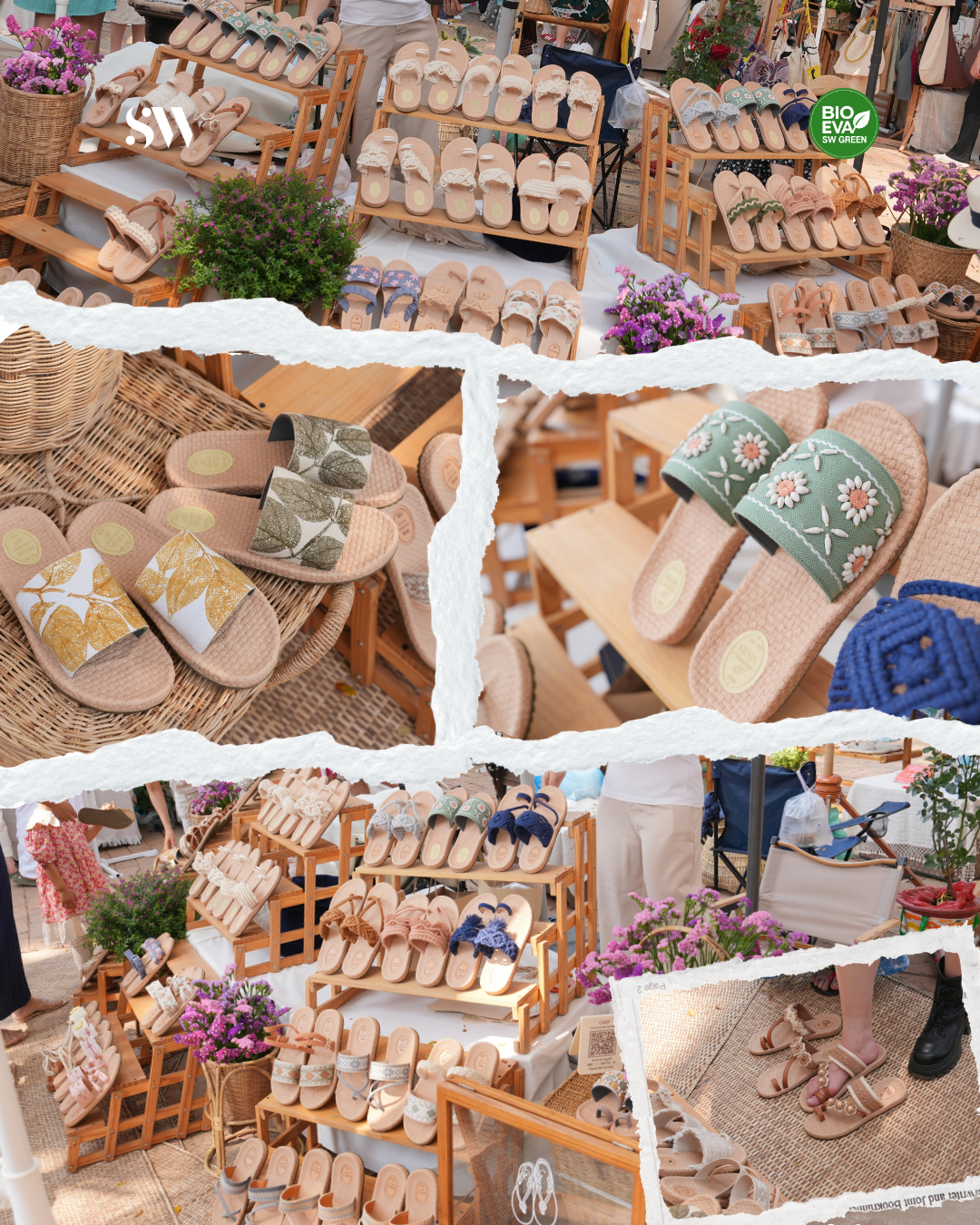
The value of Artistic Handmade Sandals therefore goes beyond visual beauty. Creative design can give customers an emotional reason to keep, care for, and repair a product.
Likewise, Art & Craft Sandals can preserve local skills and share the stories of Thai makers. Emotional value can extend product life when customers see each pair as meaningful craft rather than disposable fashion.
Sandals World and the “Choose Well, Wear Longer” Idea
Changing consumer behavior gives Sandals World an opportunity to become more than a footwear marketplace. The platform can help customers make informed choices and understand the value behind Thai craft.
Clear product information offers a practical starting point. Each listing could include measurements in centimeters, footbed width, adjustable-strap details, product weight, intended activities, material origins, and care instructions.
A detailed fit guide could reduce incorrect purchases and unnecessary returns. Meanwhile, small-batch or made-to-order production could limit unsold inventory.
Sandals World could also explore repair partnerships, replacement components, take-back points, refurbishment, and responsible donation. Even a simple care guide could help customers extend the life of their footwear.
These actions would make sustainability visible and useful rather than leaving it as a marketing promise.
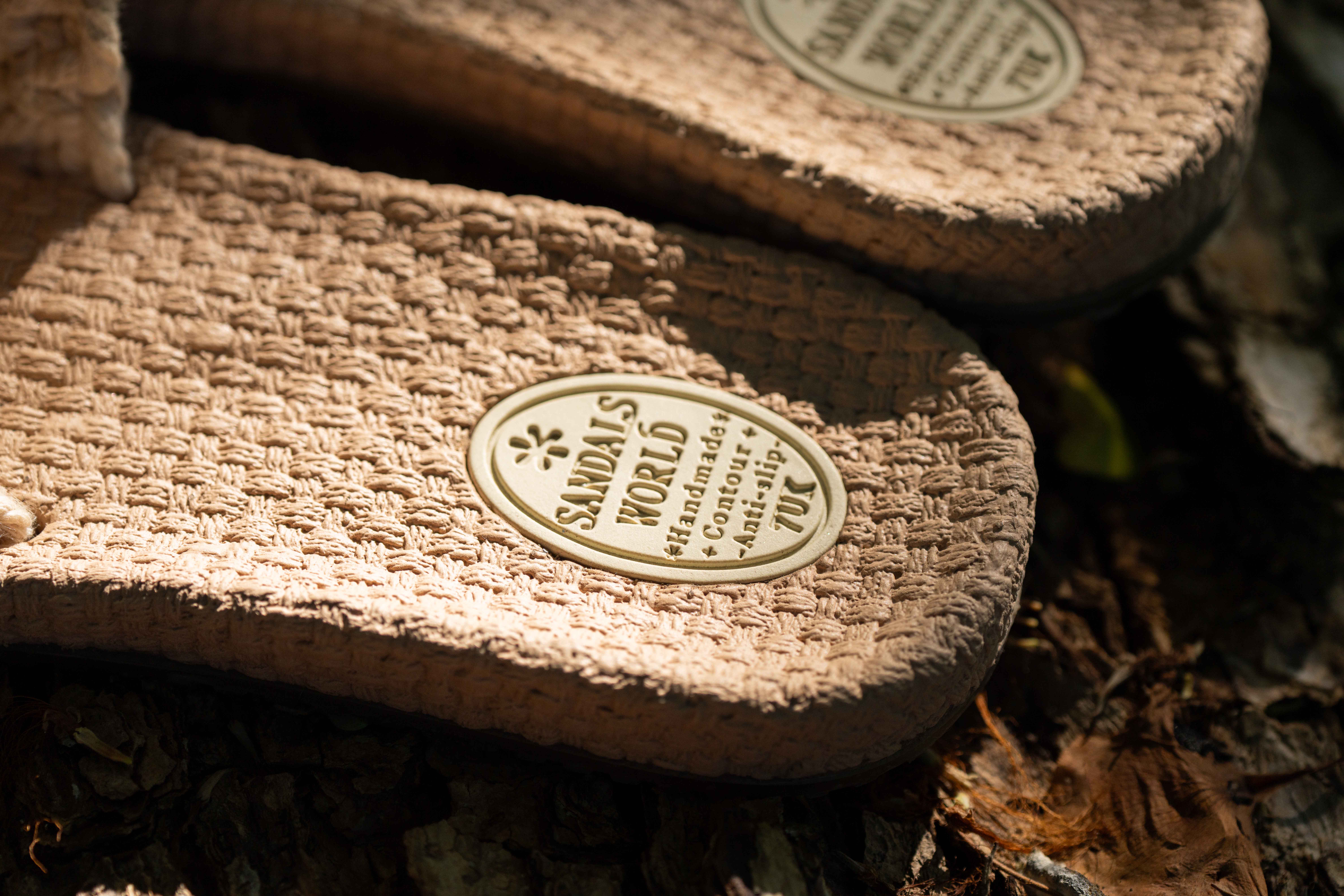
Building the Future of Thailand Sandals
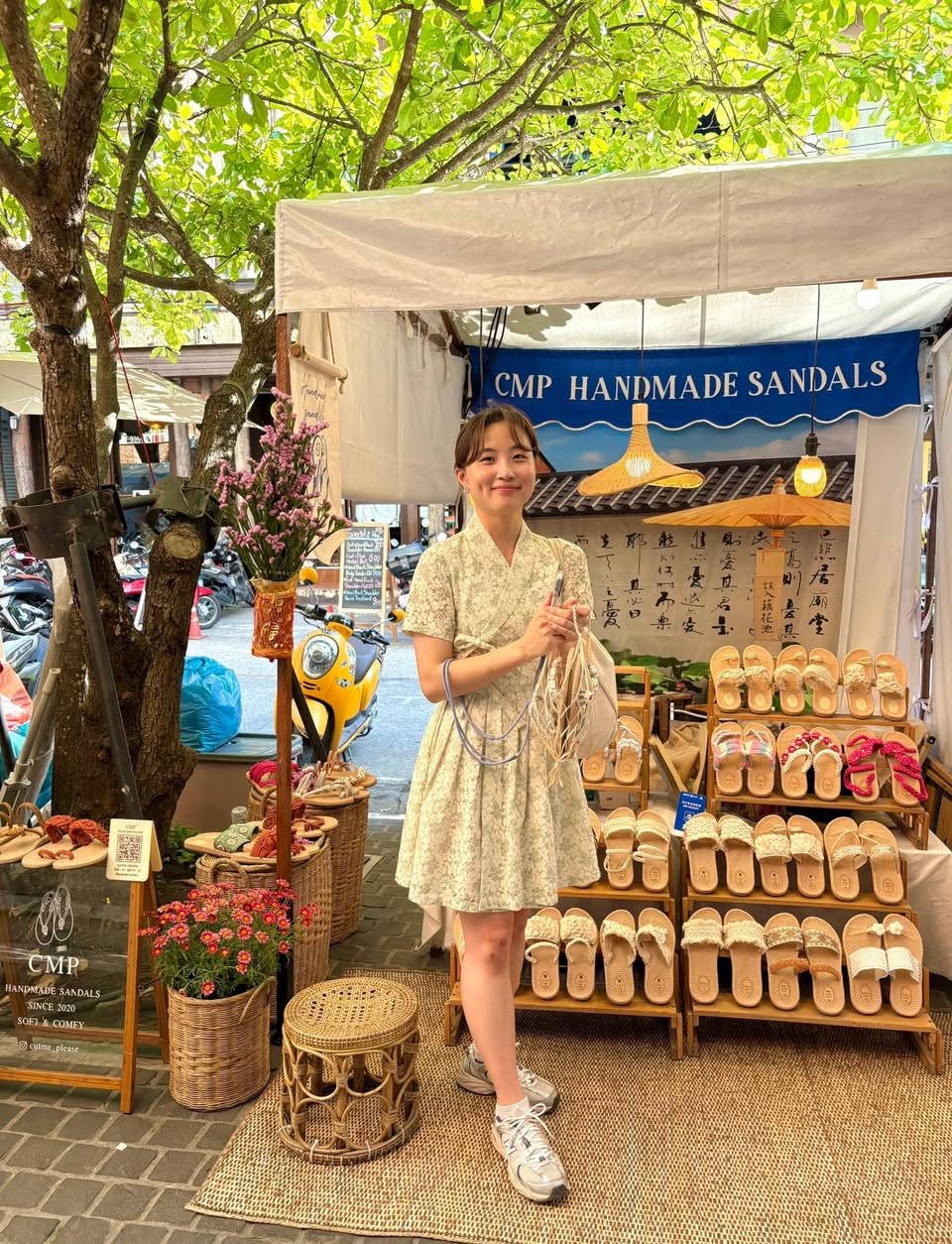
The Thailand sandals industry has an opportunity to combine local creativity with changing global values. Customers increasingly want products that offer beauty, function, transparency, durability, and responsible production in one experience.
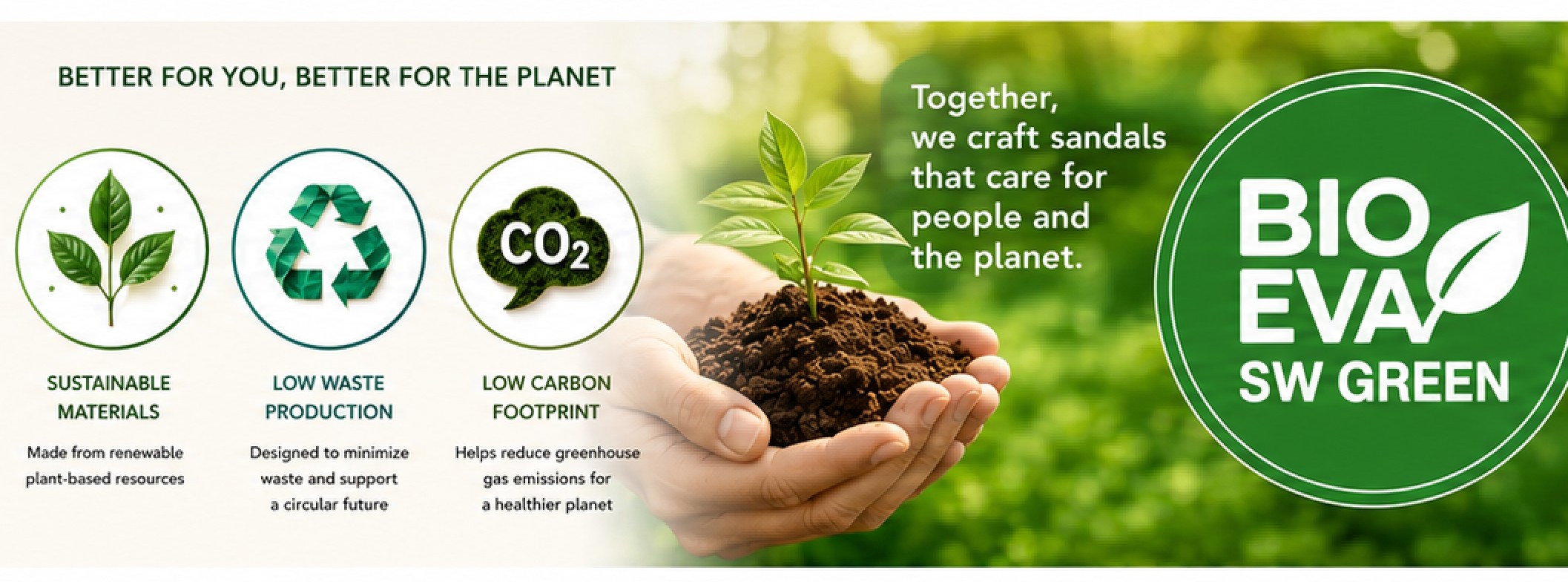
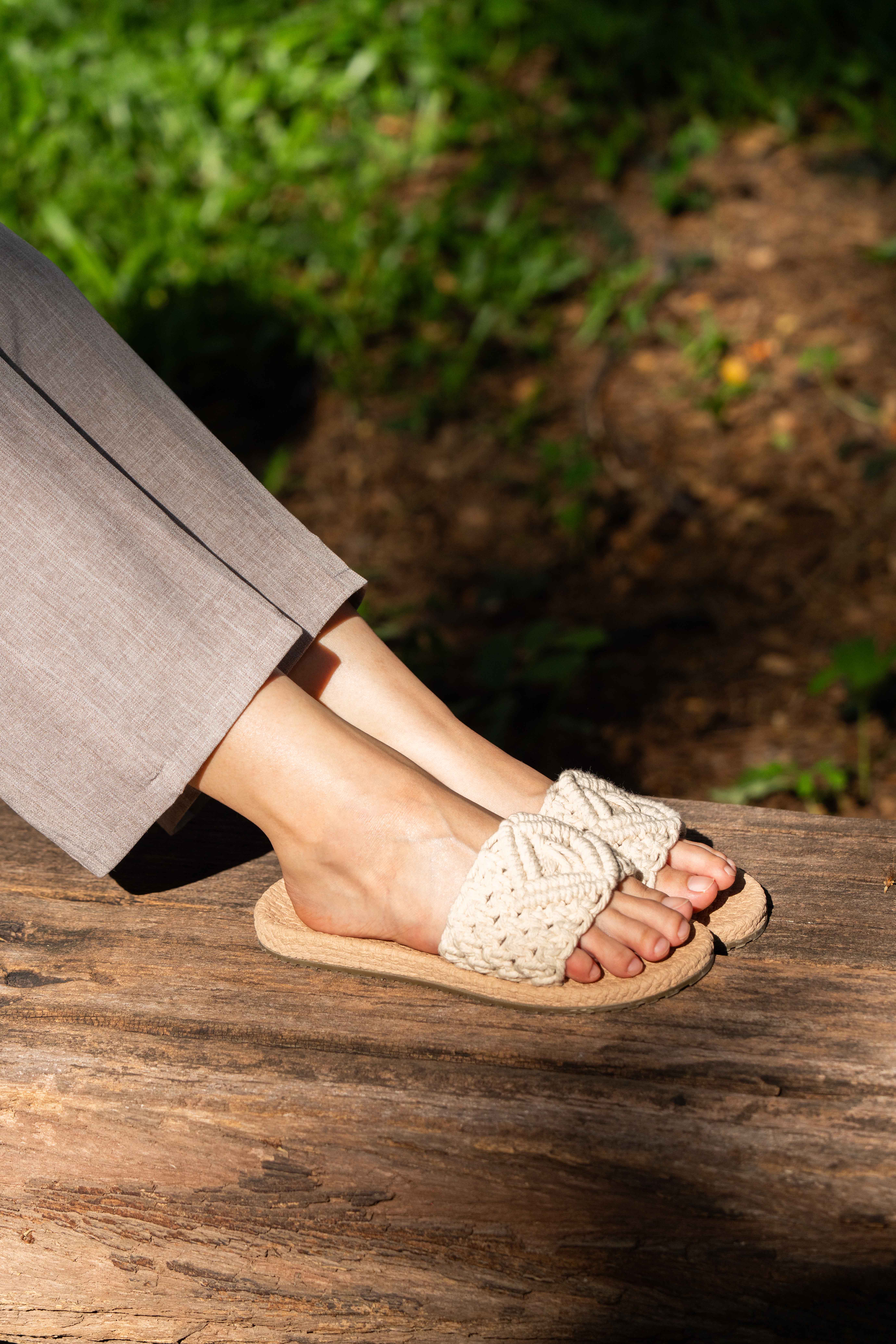
This direction gives Sustainable Thai Craft Sandals a clear meaning. The phrase should describe footwear that uses materials thoughtfully, supports skilled makers, meets genuine customer needs, lasts through regular use, and provides options for care or repair.
No product can create zero impact. Even responsible production requires materials and energy.
The goal should involve reducing unnecessary harm, using each resource wisely, and preserving product value for as long as possible.
Every Purchase Sends a Message
One customer cannot transform the global production system alone. However, every purchase tells the market what people value.
When consumers choose products that meet real needs, last longer, offer repair options, and provide transparent information, they encourage businesses to design for value rather than volume.
Governments and companies must also carry responsibility. Producers should reduce impacts from the design stage, while public policy should support clear standards, repair systems, responsible waste management, and accurate environmental claims.
The most valuable product of the future may not be the newest one. It may be the item that serves its owner well, stays in use for years, and leaves a smaller burden behind.
For Sandals World, this future offers a chance to bring Thai craftsmanship into a more responsible global market. Through creativity, transparency, and thoughtful production, Sustainable Thai Craft Sandals can preserve materials, skilled work, and meaningful stories in every step.
𝙎𝙖𝙣𝙙𝙖𝙡𝙨 𝙒𝙤𝙧𝙡𝙙 𝙞𝙨 𝙏𝙝𝙖𝙞𝙡𝙖𝙣𝙙’𝙨 𝙡𝙖𝙧𝙜𝙚𝙨𝙩 𝙝𝙪𝙗 𝙤𝙛 𝙖𝙧𝙩𝙞𝙨𝙩𝙞𝙘 𝙝𝙖𝙣𝙙𝙢𝙖𝙙𝙚 𝙨𝙖𝙣𝙙𝙖𝙡𝙨


ABOUT THE CONTENT CREATOR
BUNTHARIK INSIRI
(Content Writer)
Sandals World | Art & Craft Sandals | Sustainable Thai Craft Sandals Tags: handmade sandals, sandals world, foot health,
Thailand sandals, artistic handmade sandals, art & craft sandals, plantar fasciitis, bunion, sustainable sandals and BIO EVA ,SW GREEN

Plastic Waste and Sustainable Sandals: Better Materials, Better Truth, Better Steps
Post Views: 10 Plastic has transformed modern life. Its lightweight structure, versatility, and low cost [...]
Oct
What’s Really Under Your Feet? From Plastic and EVA Foam to BIO EVA SW GREEN
Post Views: 12 Plastic is everywhere. We drink from it, carry food in it, build [...]
Sep
Only 9% Gets Recycled: Are We Solving the Plastic Crisis the Wrong Way?
Post Views: 11 Every time we drop a plastic bottle into a recycling bin, we [...]

Bangkok Flood 2026: Why Bangkok Flooded So Severely | Sandals World
Post Views: 21 At the end of September 2026, one question was on the minds [...]
Sep
El Niño 2026 and Sustainable Thai Craft Sandals: Why Every Step Matters
Post Views: 20 The climate is changing in ways that are becoming harder to ignore. [...]
Sep
Circular Fashion: Why Your Sandals Deserve a Second Life
Post Views: 16 What happens to your favorite pair of sandals when you stop wearing [...]
Sep
Chic Handmade: From Fingertips to Every Step The Story Behind Artistic Handmade Sandals from Thailand
Post Views: 16 In a world where factories can produce thousands of shoes every day, [...]
Sep
From Thai Craft to BIO EVA: How Sandals World Is Rethinking the Future of Sandals
Post Views: 16 When people think about sandals, they often think about comfort, summer, travel, [...]
Sep
SANDALS WORLD GUIDE
Artistic Handmade Sandals
BY
SANDALS WORLD THAILAND
The Largest Hub
of Artistic Handmade Sandals in Thailand.