

Knowledge & Insights
Your Feet Are Sending You Signals!
May
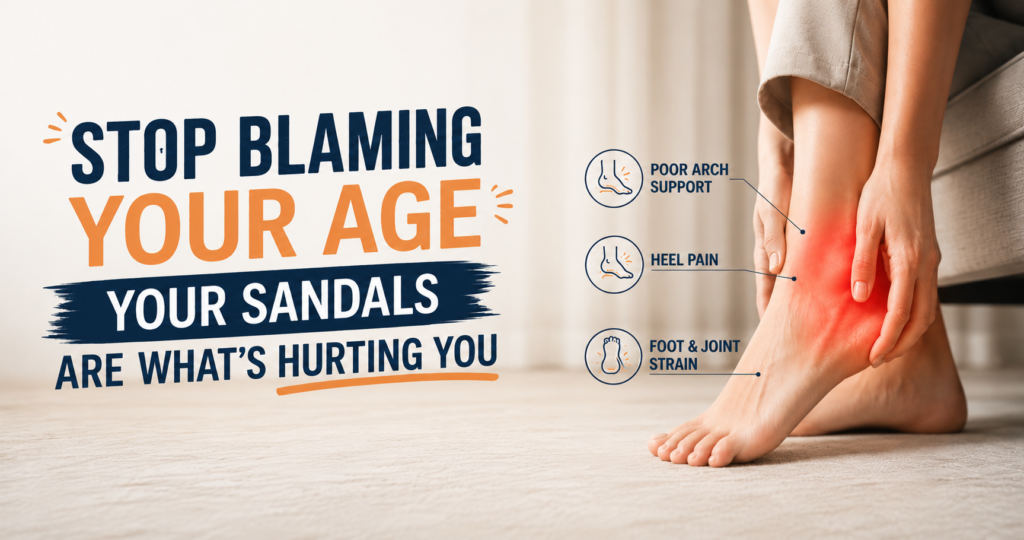
Your Feet Are Sending You Signals! Diseases Caused by Wearing the Wrong Sandals and the Solution You’ve Been Overlooking
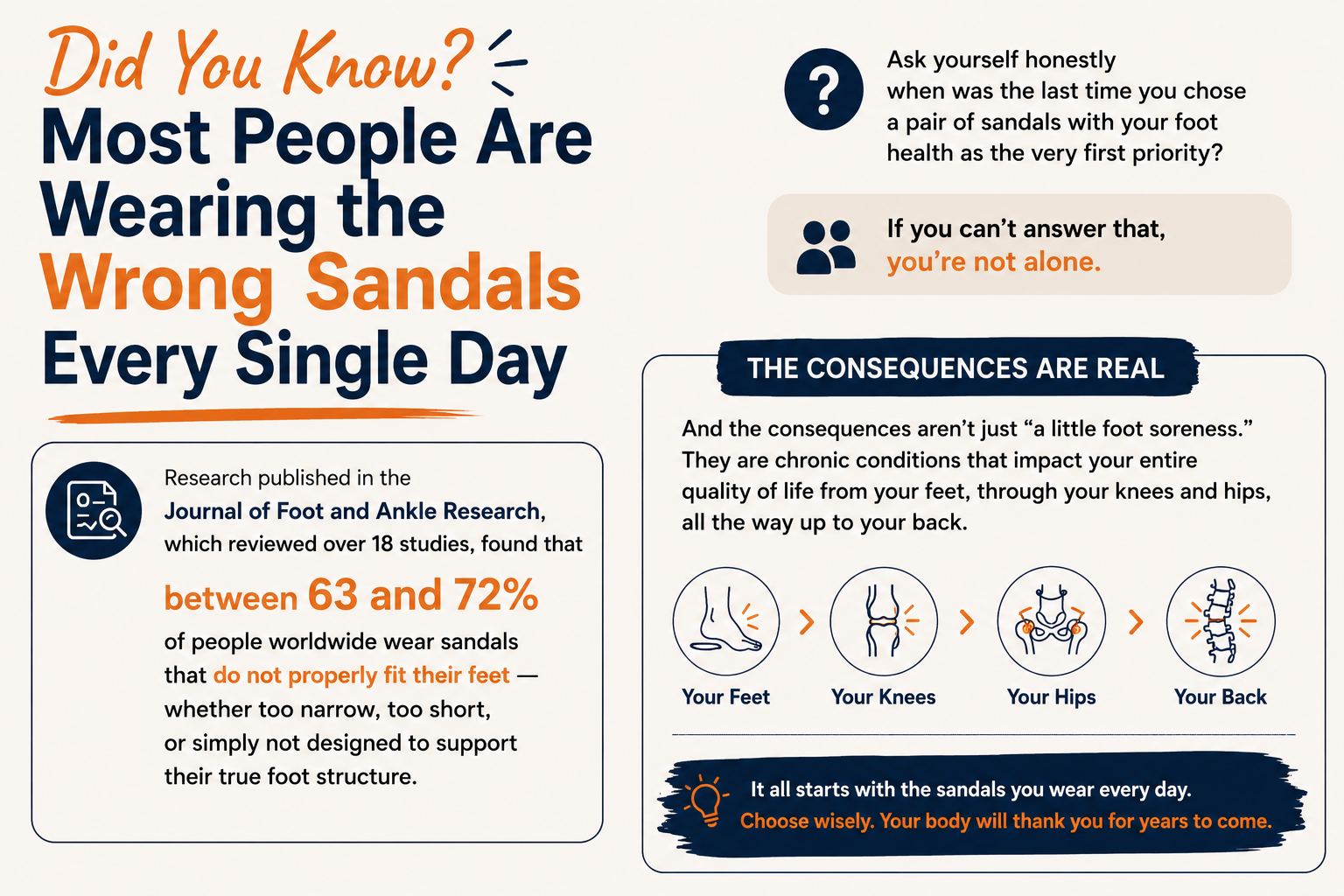
Did You Know? Most People Are Wearing the Wrong Shoes Every Single Day
Ask yourself honestly when was the last time you chose a pair of shoes with your foot health as the very first priority?
If you can’t answer that, you’re not alone.
Research published in the Journal of Foot and Ankle Research, which reviewed over 18 studies, found that between 63 and 72% of people worldwide wear sandals that do not properly fit their feet whether too narrow, too short, or simply not designed to support their true foot structure.
And the consequences aren’t just “a little foot soreness.” They are chronic conditions that impact your entire quality of life from your feet, through your knees and hips, all the way up to your back.
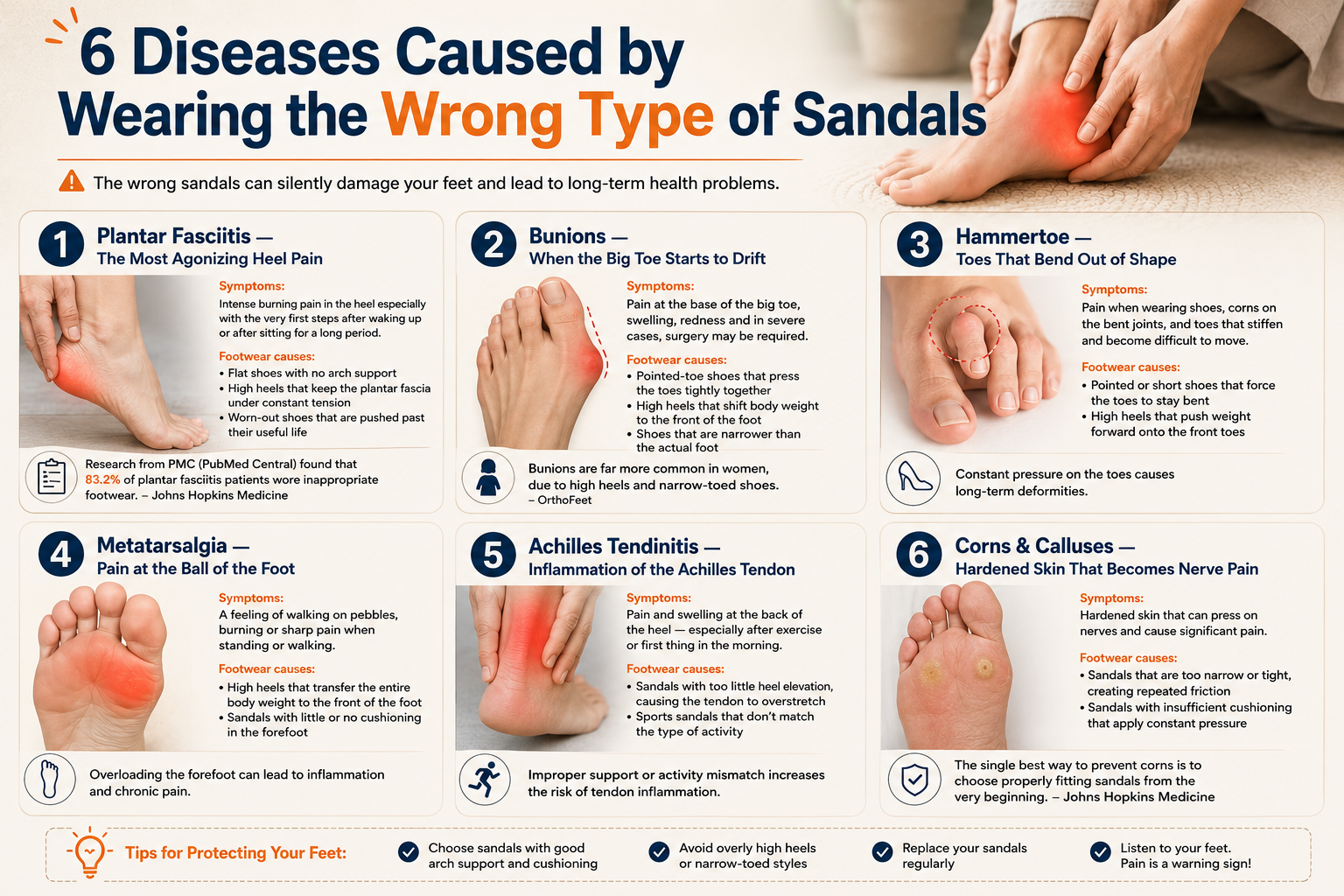
6 Diseases Caused by Wearing the Wrong Type of Sandals
1. Plantar Fasciitis — The Most Agonizing Heel Pain
Plantar Fasciitis is inflammation of the plantar fascia, the band of tissue that runs along the entire base of the foot from heel to the base of the toes. It is one of the most common and most painful foot conditions in the world.
Symptoms: Intense burning pain in the heel especially with the very first steps after waking up or after sitting for a long period.
Footwear causes:
- Flat shoes with no arch support
- High heels that keep the plantar fascia under constant tension
- Worn-out shoes that are pushed past their useful life
Research from PMC (PubMed Central) studying 101 plantar fasciitis patients found that 83.2% of them were wearing inappropriate footwear whether in terms of heel height, sole thickness, or insole type.
Johns Hopkins Medicine notes this condition is more common in women, people who stand or walk long hours on hard surfaces, and those with flat feet or high arches.
2. Bunions — When the Big Toe Starts to Drift
A bunion is a deformity of the joint at the base of the big toe, visible as a bony bump on the inner side of the foot, with the big toe angling toward the other toes.
Symptoms: Pain at the base of the big toe, swelling, redness and in severe cases, surgery may be required.
Footwear causes:
- Pointed-toe shoes that press the toes tightly together
- High heels that constantly shift body weight onto the front of the foot
- Shoes that are narrower than the actual foot
OrthoFeet notes that bunions are far more common in women, largely due to regular use of high-heeled and narrow-toed footwear. Without changing footwear habits, the condition gradually worsens over time.
3. Hammertoe — Toes That Bend Out of Shape
Hammertoe is a condition in which one or more toes (usually the 2nd through 4th) curl downward into a hammer-like position due to muscle and tendon imbalance.
Symptoms: Pain when wearing shoes, corns developing on the bent joints, and toes that stiffen and become difficult to move.
Footwear causes:
- Pointed or short shoes that force the toes to remain bent for extended periods
- High heels that push weight forward onto the front toes
4. Metatarsalgia — Pain at the Ball of the Foot
Metatarsalgia is pain and inflammation at the “ball of the foot” — the area where the toes connect to the rest of the foot.
Symptoms: A feeling of walking on pebbles, burning or sharp pain when standing or walking.
Footwear causes:
- High heels that transfer the entire body weight to the front of the foot
- Sandals with little or no cushioning in the forefoot
5. Achilles Tendinitis — Inflammation of the Achilles Tendon
Achilles Tendinitis is inflammation of the Achilles tendon, which connects the calf muscles to the heel bone.
Symptoms: Pain and swelling at the back of the heel — especially after exercise or first thing in the morning.
Footwear causes:
- Sandals with too little heel elevation, causing the tendon to overstretch
- Sports sandals that don’t match the type of physical activity being performed
6. Corns & Calluses — Hardened Skin That Becomes Nerve Pain
While they may not sound serious, corns and calluses that accumulate over time can press on nerves and cause significant pain and they are a signal that something is consistently wrong with your footwear.
Footwear causes:
- Sandals that are too narrow or tight, creating repeated friction at the same spots
- Sandals with insufficient cushioning that apply constant pressure to the same points
Johns Hopkins Medicine states that the single best way to prevent corns is to choose properly fitting sandals from the very beginning.
Foot Problems Travel Much Further Than You Think: From Feet to Back
One of the most commonly overlooked realities is that foot problems don’t stay in the foot.
The 2024 Foot Pain Trends Report by KURU Footwear, which surveyed both patients and medical professionals, found clearly that people suffering from foot problems almost always also report pain in the knees, hips, and lower back. This is because the human body is a fully connected system when the feet walk with poor alignment due to ill-fitting shoes, other muscles and joints must compensate and carry the imbalance in their place.
To put it plainly: a single pair of wrong shoes can damage your health from your feet all the way to your back over the long term.
So What Should a “Foot-Friendly” Sandals Actually Have?
Before talking about solutions, let’s understand what truly health-supportive footwear should offer.
1. Arch Support Matched to Your Foot Type Every person’s arch is different. Good shoes should support the foot’s natural structure — not force or compress it out of shape.
2. Shock-Absorbing Soles Soles that are adequately cushioned and flexible help reduce impact forces that travel up from the ground into the knees and hips.
3. Width That Matches Your Actual Foot Not so narrow that toes are squeezed, not so loose that the foot loses stability. Research in the Journal of Foot and Ankle Research found that 86% of women in their study wore shoes narrower than their actual feet.
4. Breathable, Flexible Materials That Conform to the Foot Natural materials such as genuine leather, woven fabric, or natural rubber allow the foot to breathe and adapt to its shape far better than synthetic plastics.
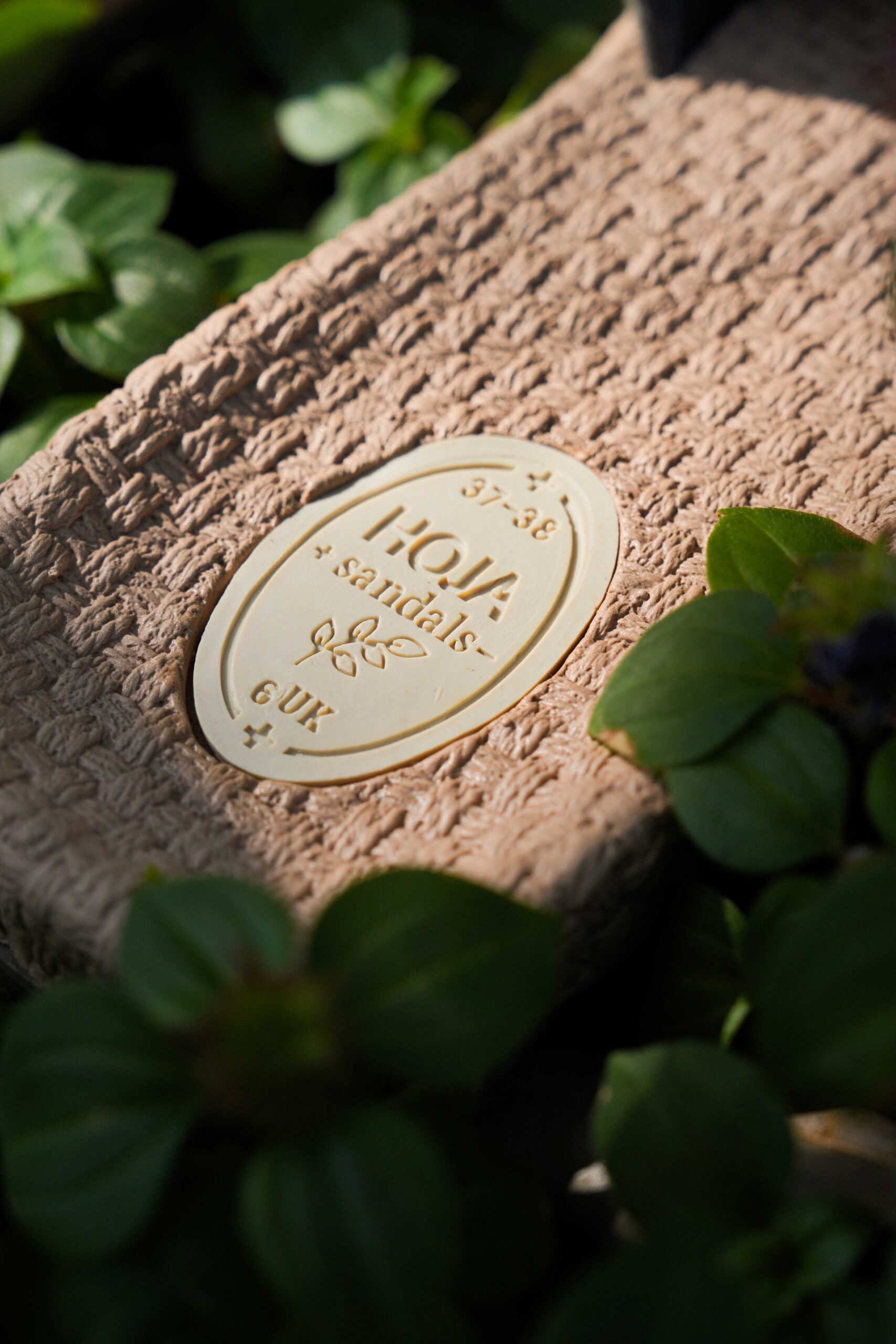
Why Handmade Sandals Are the Answer Most People Overlook
Here is the fascinating part when you look at that list of qualities a foot-healthy shoe should have, you’ll find that handmade sandals crafted with genuine care and attention check every single box.
Factory shoes are produced in millions, designed to “fit well enough” for the average foot not your foot specifically.
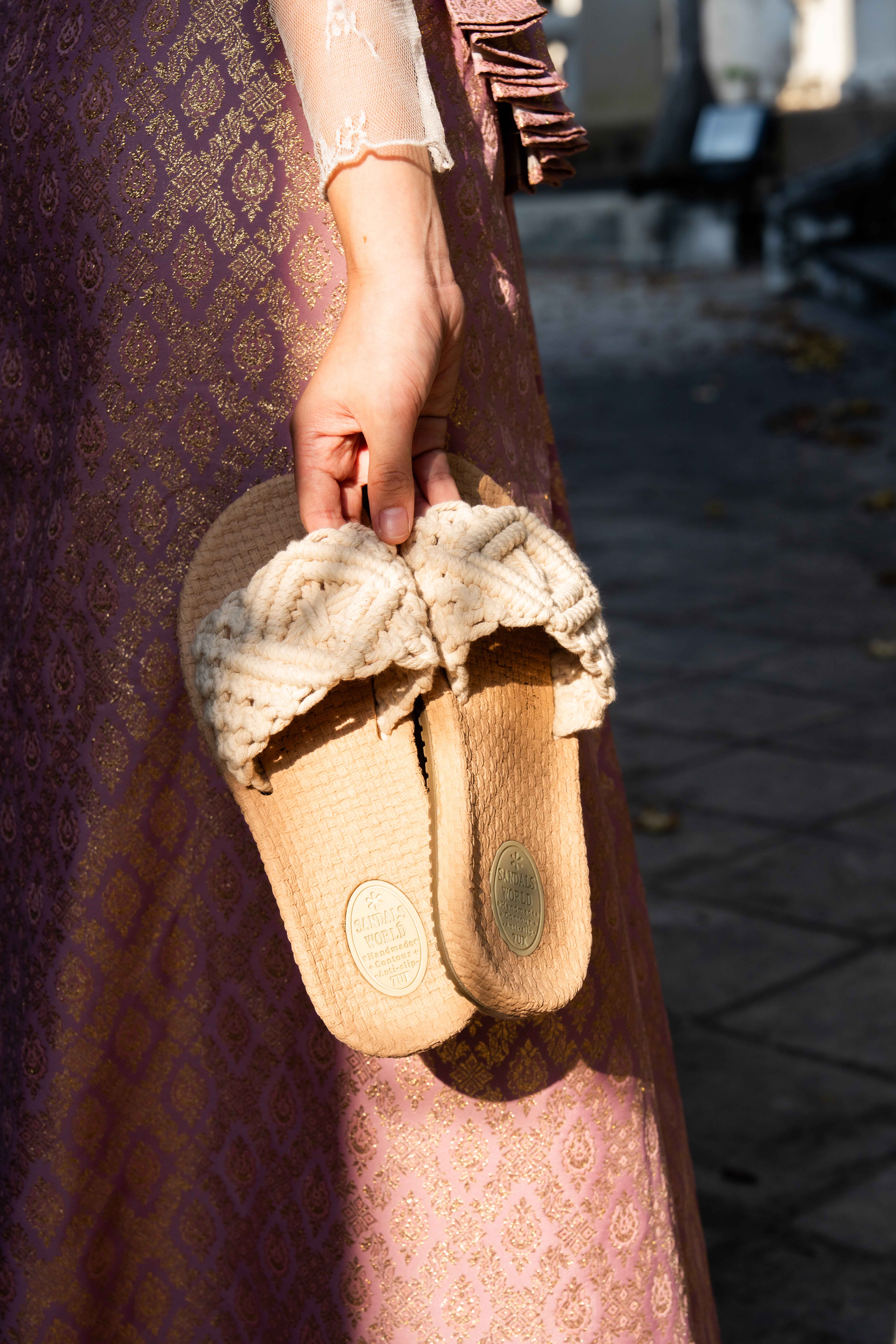
Artistic Handmade Sandals, on the other hand, are built with a real understanding of foot structure, by artisans who care about every detail: from the width of the footbed to the thickness of the insole.
Sandals World: Art & Craft Sandals Designed for Your Feet and for the World
Sandals World is a Thailand sandals brand that stands firmly on the belief that great sandals must be good for your feet and good for the world we live in.
Every pair from Sandals World is an Art & Craft Sandal crafted by skilled artisans designed to:
Support the foot anatomically
— reducing repetitive pressure and helping prevent Plantar Fasciitis
Give toes room to rest naturally
— no compression, no misalignment, lower risk of Bunions
Use natural, breathable materials
— keeping feet dry and reducing moisture buildup that causes fungal issues
Uphold sustainability
— materials chosen with environmental responsibility, free of plastics and chemicals that damage ecosystems
This is more than a pair of sandals it is a choice that says you care about your own health and the future of the world.
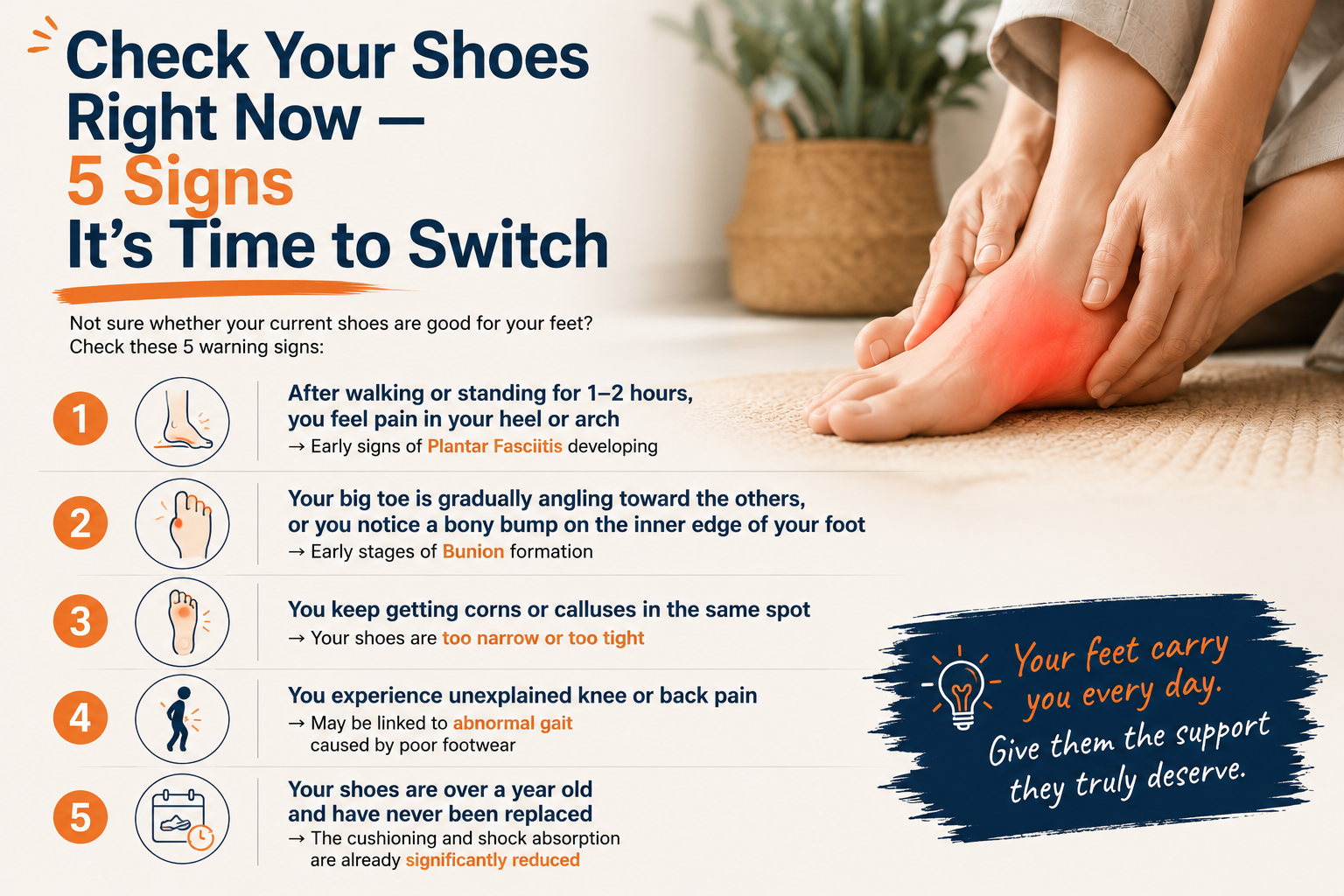
Check Your Shoes Right Now — 5 Signs It’s Time to Switch
Not sure whether your current shoes are good for your feet? Check these 5 warning signs:
After walking or standing for 1–2 hours, you feel pain in your heel or arch
→ Early signs of Plantar Fasciitis developing
Your big toe is gradually angling toward the others, or you notice a bony bump on the inner edge of your foot
→ Early stages of Bunion formation
You keep getting corns or calluses in the same spot
→ Your shoes are too narrow or too tight
You experience unexplained knee or back pain
→ May be linked to abnormal gait caused by poor footwear
Your shoes are over a year old and have never been replaced
→ The cushioning and shock absorption are already significantly reduced
A Good Step Starts With the Right Sandals
We use our feet every day, every hour, every step yet we give foot health less attention than almost any other part of the body.
The numbers are clear: 63–72% of us are wearing the wrong shoes right now without even realizing it. And the damage does not go away on its own it accumulates and compounds with every year that passes.
Choosing handmade sandals from Sandals World is not just about aesthetics. It is a long-term investment in health in the feet you depend on every single day, and in the world we all share.
Because every step you take should feel good. For your feet. For your body. And for the world.
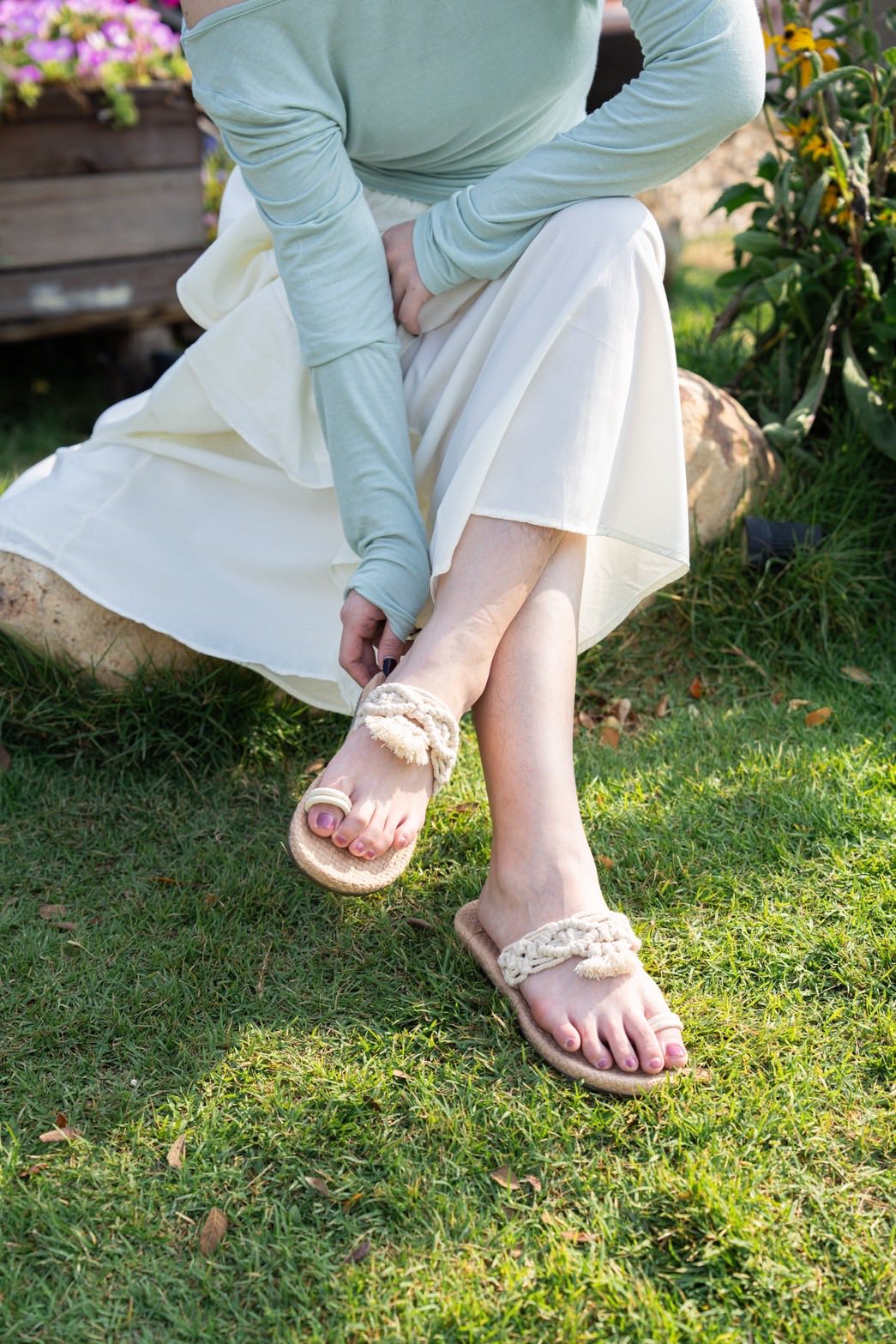
เท้าของคุณกำลังส่งสัญญาณ! โรคที่เกิดจากการใส่รองเท้าผิดประเภท และทางออกที่คุณมองข้ามไป
คุณรู้ไหม? คนส่วนใหญ่ใส่รองเท้าผิดอยู่ทุกวัน
ลองถามตัวเองตรง ๆ ว่า ครั้งสุดท้ายที่คุณเลือกรองเท้าโดยคิดถึง “สุขภาพเท้า” เป็นอันดับแรกนั้นเมื่อเมื่อไหร่?
ถ้าตอบไม่ได้ คุณไม่ได้อยู่คนเดียว
งานวิจัยที่ตีพิมพ์ใน Journal of Foot and Ankle Research ซึ่งทบทวนการศึกษากว่า 18 ชิ้นพบว่า ระหว่าง 63 ถึง 72% ของประชากรทั่วโลกสวมรองเท้าที่ไม่พอดีกับเท้าของตัวเอง ไม่ว่าจะแคบเกินไป สั้นเกินไป หรือไม่รองรับโครงสร้างเท้าที่แท้จริง
และผลที่ตามมาไม่ใช่แค่ “ปวดเท้าเล็กน้อย” แต่คือโรคเรื้อรังที่ส่งผลต่อคุณภาพชีวิตทั้งหมด ตั้งแต่เท้า เข่า สะโพก ไปจนถึงหลัง
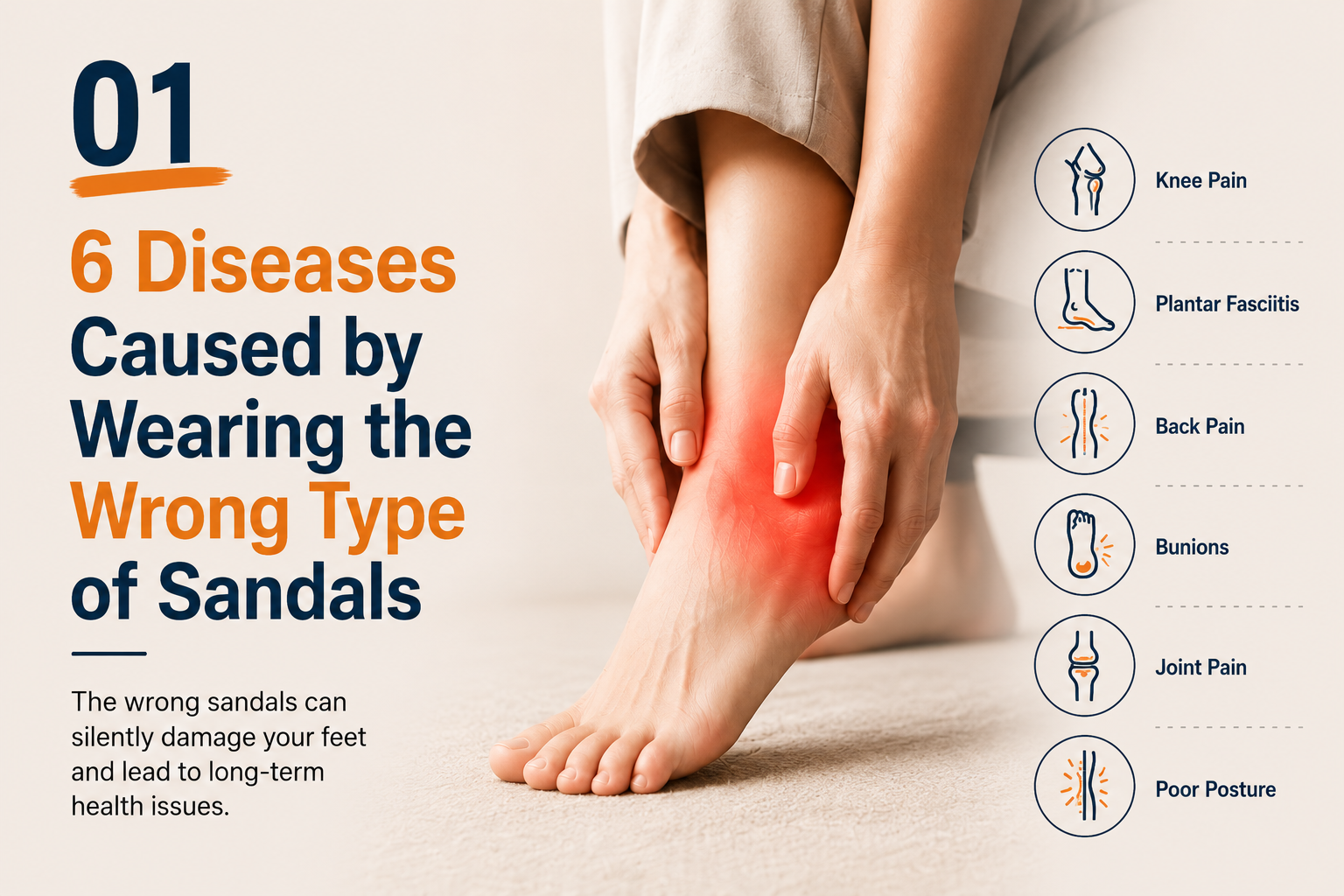
6 โรคที่เกิดจากการใส่รองเท้าผิดประเภท
1. Plantar Fasciitis — ปวดส้นเท้าที่ทรมานที่สุด
Plantar Fasciitis หรือ “โรครองช้ำ” คือการอักเสบของเส้นเอ็นที่ทอดยาวตลอดฝ่าเท้าจากส้นถึงโคนนิ้ว เป็นหนึ่งในโรคเท้าที่พบบ่อยที่สุดและเจ็บปวดที่สุด
อาการ: ปวดแสบบริเวณส้นเท้าอย่างรุนแรง โดยเฉพาะก้าวแรกตอนตื่นนอนหรือหลังนั่งพักนาน ๆ
สาเหตุจากรองเท้า:
- รองเท้าพื้นแบนที่ไม่มี arch support
- รองเท้าส้นสูงที่ดึงเส้นเอ็นจนตึงตลอดเวลา
- รองเท้าที่สึกหรอแต่ยังฝืนใส่ต่อ
งานวิจัยจาก PMC (PubMed Central) ที่ศึกษาผู้ป่วย Plantar Fasciitis 101 คน พบว่า 83.2% ของพวกเขาสวมรองเท้าที่ไม่เหมาะสม ทั้งความสูงส้น ความหนาพื้น และชนิดของ insole
Johns Hopkins Medicine ระบุว่าโรคนี้พบมากในผู้หญิง คนที่ต้องยืนหรือเดินนานบนพื้นแข็ง และผู้ที่มีเท้าแบนหรือเท้าโค้งสูง
2. Bunions — นิ้วหัวแม่เท้าที่เริ่มโก่งออก
Bunion หรือ “นิ้วหัวแม่เท้าเอียง” คือการเสียรูปของข้อต่อที่โคนนิ้วหัวแม่เท้า ทำให้เห็นเป็นตุ่มนูนด้านข้างของเท้า และนิ้วหัวแม่เท้าเริ่มเอียงไปทับนิ้วอื่น
อาการ: ปวดบริเวณโคนนิ้ว บวม แดง และในระยะหนักอาจต้องผ่าตัด
สาเหตุจากรองเท้า:
- รองเท้าหัวแหลมที่บีบนิ้วให้ชิดกัน
- รองเท้าส้นสูงที่ถ่ายน้ำหนักไปที่ด้านหน้าเท้าตลอดเวลา
- รองเท้าที่แคบกว่าเท้าจริง
ข้อมูลจาก OrthoFeet ชี้ว่า Bunions มักพบในผู้หญิงมากกว่าผู้ชาย เนื่องจากนิยมสวมรองเท้าส้นสูงและหัวแหลมเป็นประจำ และหากไม่แก้ไขพฤติกรรมการสวมใส่ อาการจะค่อย ๆ แย่ลงเรื่อย ๆ
3. Hammertoe — นิ้วงอผิดรูป
Hammertoe คือภาวะที่นิ้วเท้า (มักเป็นนิ้วที่ 2–4) งอผิดรูปคล้ายตัว “ค้อน” เนื่องจากกล้ามเนื้อและเส้นเอ็นไม่สมดุล
อาการ: ปวดเวลาสวมรองเท้า เกิดตาปลาบริเวณข้อนิ้ว และนิ้วเริ่มแข็งเกร็งจนขยับได้ยาก
สาเหตุจากรองเท้า:
- รองเท้าหัวแหลมหรือรองเท้าที่สั้นเกินไปบีบนิ้วให้งออยู่ตลอดเวลา
- รองเท้าส้นสูงที่ดันน้ำหนักไปกดนิ้วด้านหน้า
4. Metatarsalgia — ปวดด้านหน้าเท้า
Metatarsalgia คืออาการปวดและอักเสบบริเวณ “ball of the foot” หรือส่วนด้านหน้าของฝ่าเท้า บริเวณที่นิ้วเชื่อมกับเท้า
อาการ: รู้สึกเหมือนเดินบนก้อนกรวด ปวดแสบเวลายืนหรือเดิน
สาเหตุจากรองเท้า:
- รองเท้าส้นสูงที่ถ่ายน้ำหนักทั้งหมดไปที่ด้านหน้าเท้า
- รองเท้าที่ไม่มี cushioning รองรับ
5. Achilles Tendinitis — เส้นเอ็นร้อยหวายอักเสบ
Achilles Tendinitis คือการอักเสบของเส้นเอ็นร้อยหวายที่เชื่อมกล้ามเนื้อน่องกับส้นเท้า
อาการ: ปวดและบวมบริเวณส้นเท้าด้านหลัง โดยเฉพาะหลังออกกำลังกายหรือในตอนเช้า
สาเหตุจากรองเท้า:
- รองเท้าส้นเตี้ยเกินไปหรือไม่มีส้นรองรับ ทำให้เส้นเอ็นยืดมากเกินไป
- รองเท้ากีฬาที่ไม่เหมาะกับประเภทการออกกำลังกาย
6. Corns & Calluses — ตาปลาและหนังแข็ง
แม้จะไม่ฟังดูน่ากลัว แต่ตาปลาและหนังแข็งที่สะสมเป็นเวลานานสามารถกดทับเส้นประสาทและทำให้เจ็บปวดอย่างรุนแรงได้
สาเหตุจากรองเท้า:
- รองเท้าที่แคบหรือรัดเกินไปจนเกิดแรงเสียดสีซ้ำ ๆ
- รองเท้าที่ไม่มีพื้นนุ่มพอ ทำให้เกิดแรงกดบริเวณจุดเดิมตลอด
Johns Hopkins Medicine ระบุว่าวิธีป้องกันตาปลาที่ดีที่สุดคือการเลือกรองเท้าที่พอดีเท้าตั้งแต่แรก
เท้าส่งผลไกลกว่าที่คิด: จากเท้าถึงหลัง
หนึ่งในสิ่งที่คนมักมองข้ามคือ ปัญหาเท้าไม่ได้หยุดอยู่แค่เท้า
รายงาน 2024 Foot Pain Trends จาก KURU Footwear ที่สำรวจทั้งผู้ป่วยและแพทย์ระบุชัดว่า ผู้ที่มีปัญหาเท้ามักรายงานอาการปวดร่วมที่ เข่า สะโพก และหลัง ด้วยเสมอ เพราะร่างกายมนุษย์เชื่อมโยงกันทั้งหมด เมื่อเท้าเดินผิดท่าจากรองเท้าที่ไม่เหมาะ กล้ามเนื้อและข้อต่อส่วนอื่นต้องชดเชยและรับน้ำหนักที่ไม่สมดุลนั้นแทน
พูดให้ชัดขึ้น: รองเท้าคู่เดียวสามารถทำลายสุขภาพตั้งแต่เท้าถึงหลังได้ในระยะยาว
แล้วรองเท้าที่ “ดีต่อเท้า” ควรมีอะไรบ้าง?
ก่อนจะพูดถึงทางออก มาทำความเข้าใจก่อนว่ารองเท้าที่ดีต่อสุขภาพควรมีคุณสมบัติอะไร
1. Arch Support ที่เหมาะกับรูปเท้าของคุณ เท้าแต่ละคนมีส่วนโค้ง (arch) ไม่เหมือนกัน รองเท้าที่ดีควรรองรับโครงสร้างเท้าตามธรรมชาติ ไม่ฝืนหรือบีบจนผิดรูป
2. พื้นรองเท้าที่ดูดซับแรงกระแทก พื้นที่นุ่มพอและมีความยืดหยุ่นช่วยลดแรงกระแทกที่ส่งผ่านจากพื้นขึ้นมายังข้อเข่าและสะโพก
3. ความกว้างพอดีกับเท้าจริง ไม่แคบบีบนิ้ว ไม่หลวมจนเท้าไม่มั่นคง วิจัยใน Journal of Foot and Ankle Research พบว่า 86% ของผู้หญิงในการศึกษาสวมรองเท้าที่แคบกว่าเท้าจริงของตัวเอง
4. วัสดุที่ระบายอากาศและยืดหยุ่นตามเท้า วัสดุธรรมชาติ เช่น หนังแท้ ผ้าทอ หรือยางธรรมชาติ ช่วยให้เท้าหายใจได้และปรับตัวตามรูปเท้าได้ดีกว่าพลาสติกสังเคราะห์
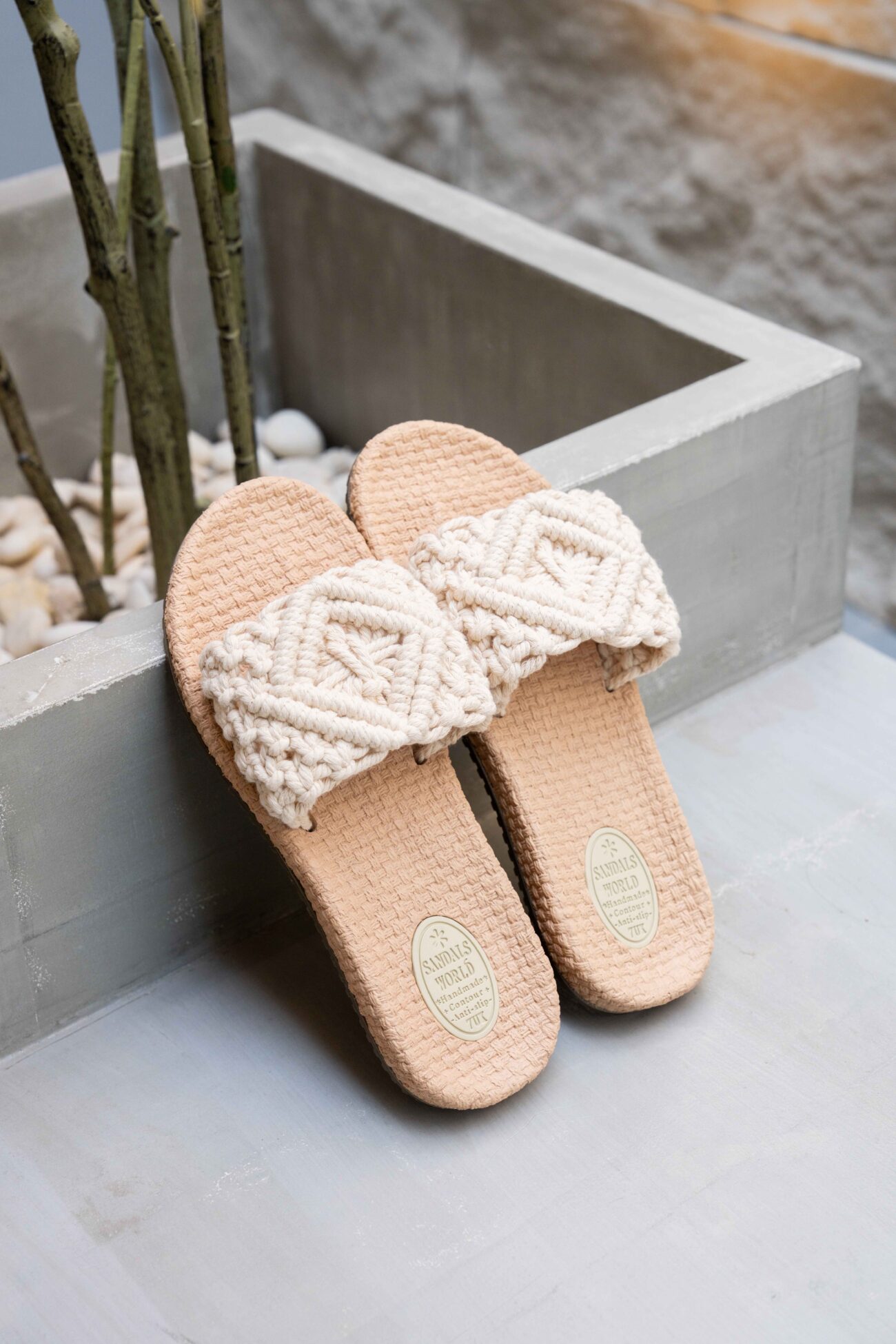
ทำไม Handmade Sandals จึงเป็นคำตอบที่หลายคนมองข้าม
นี่คือจุดที่น่าสนใจ เมื่อคุณดูรายการคุณสมบัติของรองเท้าที่ดีต่อสุขภาพ จะพบว่า รองเท้าแตะแฮนด์เมด ที่ออกแบบมาอย่างพิถีพิถันตรงกับทุกข้อ
รองเท้าจากโรงงานผลิตเป็นล้านคู่ต่อปัน ถูกออกแบบมาให้ “พอใส่ได้” สำหรับเท้าเฉลี่ย ไม่ใช่เท้าของคุณโดยเฉพาะ
ขณะที่ Artistic Handmade Sandals ถูกสร้างขึ้นด้วยความเข้าใจในโครงสร้างเท้า โดยช่างที่ใส่ใจในทุกรายละเอียดตั้งแต่ความกว้างของพื้นไปจนถึงความหนาของ insole
Sandals World: Art & Craft Sandals ที่ออกแบบเพื่อเท้าและโลก
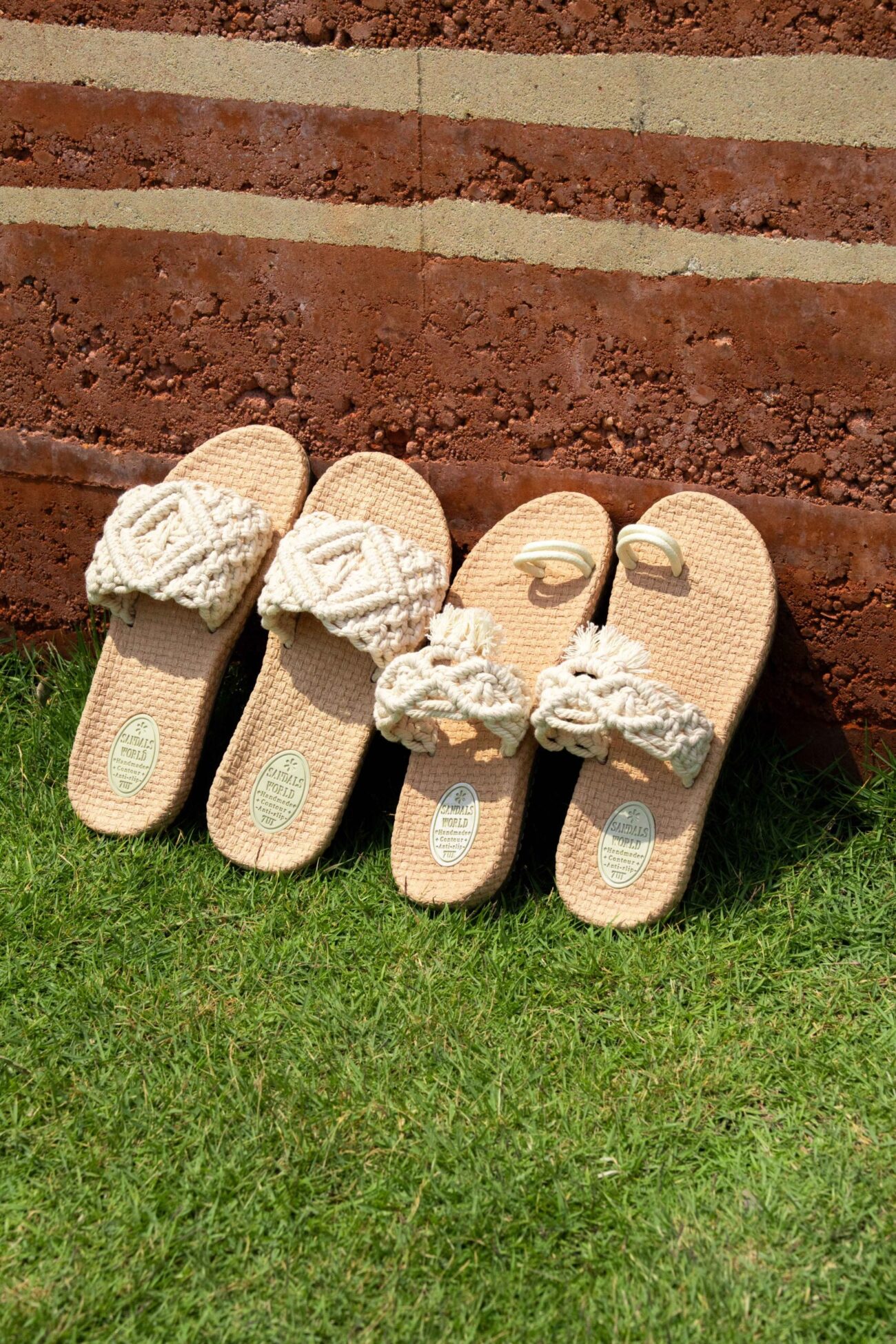
Sandals World คือแบรนด์ Thailand sandals ที่ยืนหยัดในแนวคิดว่า รองเท้าแตะที่ดีต้องดีทั้งต่อเท้าของคุณ และต่อโลกที่เราอาศัยอยู่
ทุกคู่ของ Sandals World คือ Art & Craft Sandals ที่ผ่านมือช่างฝีมือที่เชี่ยวชาญ ออกแบบมาให้:
- พื้นรองรับฝ่าเท้าอย่างถูกหลักกายวิภาค — ลดแรงกดซ้ำซาก ป้องกัน Plantar Fasciitis
- ความกว้างที่ให้นิ้วเท้าวางได้ตามธรรมชาติ — ไม่บีบ ไม่ดันจนผิดรูป ลดความเสี่ยง Bunion
- วัสดุธรรมชาติที่ระบายอากาศ — เท้าหายใจได้ ลดความชื้นสะสมที่เป็นสาเหตุของเชื้อรา
- ความยั่งยืน (Sustainability) — วัสดุที่คัดสรรมาอย่างรับผิดชอบต่อสิ่งแวดล้อม ไม่ใช้พลาสติกหรือสารเคมีที่ทำลายระบบนิเวศ
นี่ไม่ใช่แค่รองเท้า — มันคือการเลือกที่บอกว่าคุณใส่ใจทั้งสุขภาพของตัวเอง และอนาคตของโลก
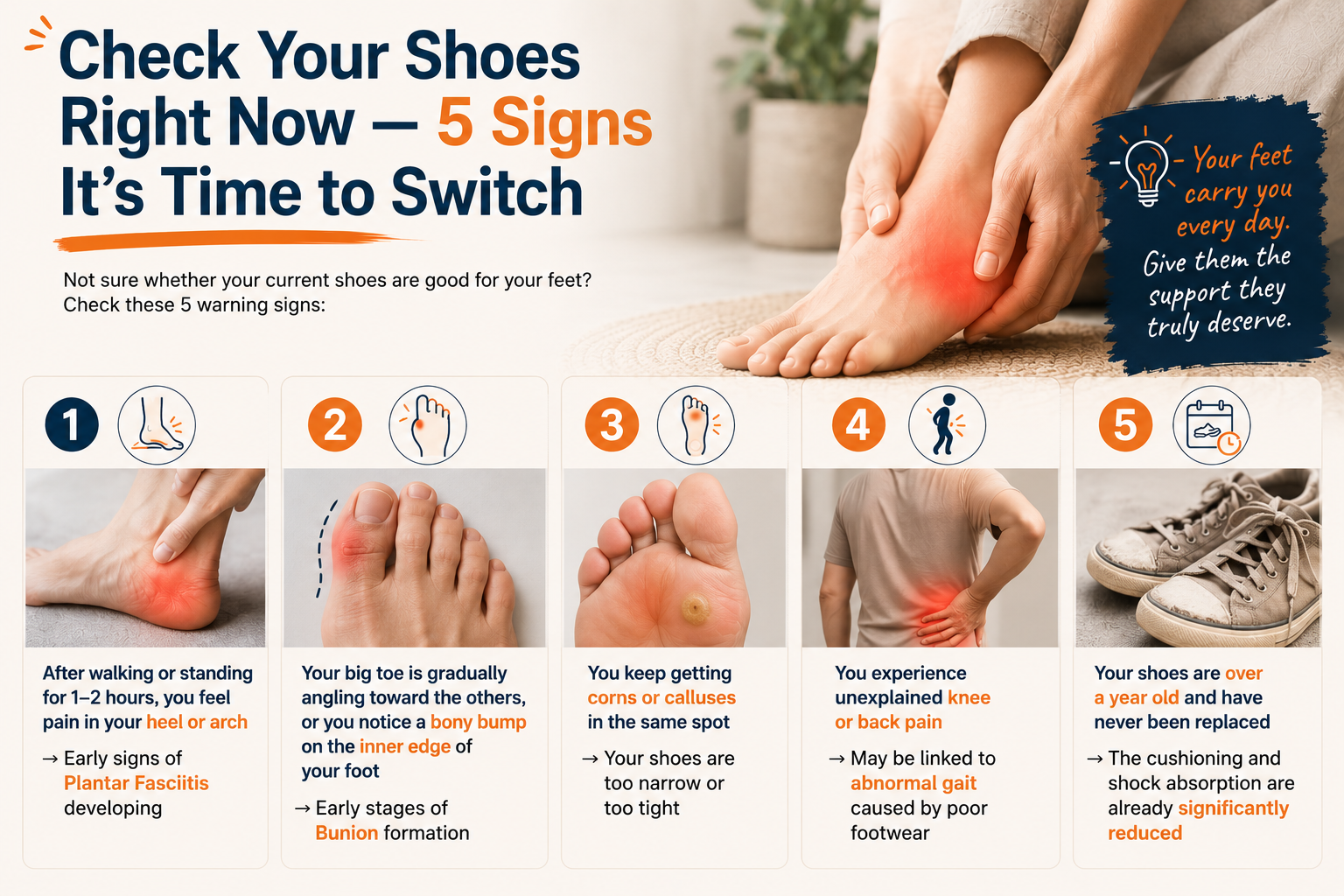
เช็กรองเท้าของคุณตอนนี้ — 5 สัญญาณที่บอกว่าถึงเวลาเปลี่ยน
ไม่แน่ใจว่ารองเท้าที่ใส่อยู่ดีต่อเท้าหรือเปล่า? ลองเช็กด้วย 5 ข้อนี้
- หลังเดินหรือยืนนาน 1–2 ชั่วโมง รู้สึกปวดส้นหรือฝ่าเท้า → สัญญาณ Plantar Fasciitis กำลังเริ่มต้น
- นิ้วหัวแม่เท้าเริ่มโก่งเข้าหานิ้วอื่น หรือเห็นตุ่มนูนด้านข้างเท้า → อาการเริ่มต้นของ Bunion
- มีตาปลาหรือหนังแข็งที่บริเวณเดิมซ้ำ ๆ → รองเท้าแคบหรือรัดเกินไป
- รู้สึกปวดเข่าหรือหลังโดยไม่ทราบสาเหตุ → อาจมาจากท่าเดินที่ผิดเพราะรองเท้า
- รองเท้าใส่มาเกิน 1 ปีโดยไม่เคยเปลี่ยน → พื้นรองเท้าสูญเสียความสามารถในการดูดซับแรงกระแทกแล้ว
ก้าวย่างที่ดีเริ่มจากรองเท้าที่ใช่
เราใช้เท้าทุกวัน ทุกชั่วโมง ทุกก้าว แต่กลับให้ความสนใจกับสุขภาพเท้าน้อยที่สุดในบรรดาทุกส่วนของร่างกาย
ตัวเลขบอกว่ากว่า 63–72% ของเรากำลังใส่รองเท้าผิดอยู่โดยไม่รู้ตัว และผลที่ตามมาไม่ได้หายไปเองตามเวลา แต่สะสมทวีคูณขึ้นทุกปีที่ผ่านไป
การเลือก handmade sandals จาก Sandals World ไม่ใช่แค่เรื่องความสวยงาม แต่คือการลงทุนในสุขภาพระยะยาว ทั้งสุขภาพเท้าที่คุณพึ่งพาทุกวัน และสุขภาพของโลกที่เราทุกคนอยู่ร่วมกัน
เพราะทุกก้าวที่คุณเดิน ควรรู้สึกดี ทั้งต่อเท้า ต่อกาย และต่อโลก

#Sandalsworld #รองเท้าartandcraft #รองเท้าแตะสานแฮนด์เมด #artandcraftsandals #artistichandmadesandals#handmade #artandcraft #sandals #รองเท้าแฮนด์เมด #รองเท้าแตะใส่แล้วไม่ลื่น #รองเท้ายางพารา #ใส่ไปไหนก็ได้
บทความโดย
Sandals World | Art & Craft Sandals | Sustainable Thai Craft Sandals Tags: handmade sandals, sandals world, foot health,
Thailand sandals, artistic handmade sandals, art & craft sandals, plantar fasciitis, bunion, sustainable sandals

ABOUT THE CONTENT CREATOR
BUNTHARIK INSIRI
(Content Writer)
The Largest HubArtistic Handmade Sandals
BY
SANDALS WORLD THAILAND
of Artistic Handmade Sandals in Thailand.