

COMMUNITY, Knowledge & Insights
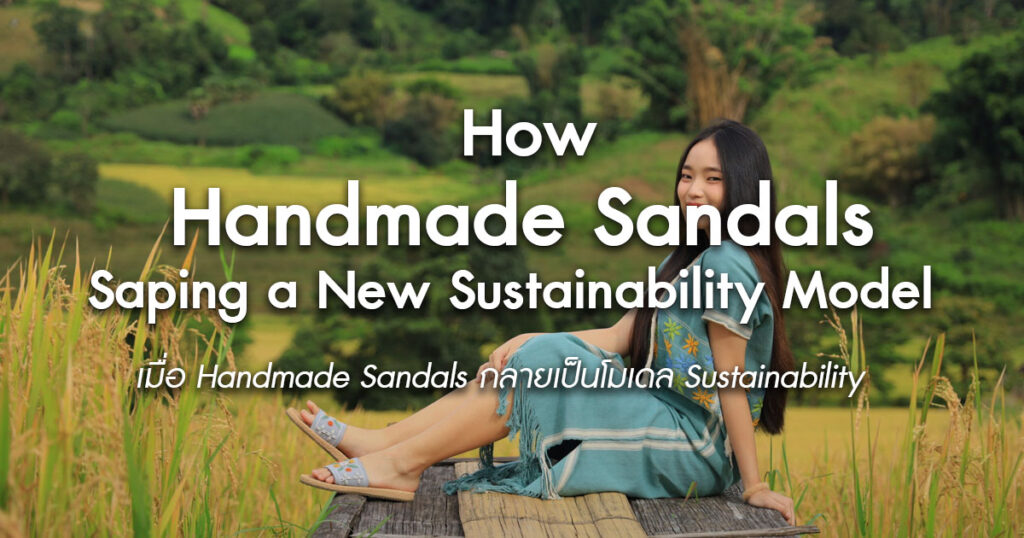
How Handmade Sandals Are Shaping a New Sustainability Model
Mar
Sandals World 2026: Are ShHow Artistic Handmade Sandals Saping a New Sustainability Model for Thailand’s Fashion Industry

Over the past decade, the global fashion industry has entered one of the most transformative periods in its history. Consumers are no longer asking only whether a product looks good they are asking deeper questions. Where was it made? Who made it? And what impact does it leave on the planet?
As sustainability becomes a defining standard rather than a passing trend, fashion businesses worldwide are being pushed to rethink production systems that once relied on speed, volume, and constant consumption. Within this global shift, sandals world is emerging as a compelling example of how local craftsmanship can evolve into a future-ready creative ecosystem grounded in ESG principles and the United Nations Sustainable Development Goals (SDGs).
In 2026, the story of sandals world is no longer simply about footwear. It represents a broader movement redefining what sandals, craftsmanship, and responsible fashion can mean in a rapidly changing world.

The Global Fashion Challenge Driving Sustainability
To understand the transformation of sandals world, it is important to first look at the wider context of the fashion industry. According to the United Nations Environment Programme, fashion accounts for approximately 8–10% of global greenhouse gas emissions, making it one of the most environmentally impactful industries worldwide. At the same time, more than 100 billion fashion items are produced annually, while around 85% of textiles end up in landfills each year.
Footwear production alone exceeds 22 billion pairs annually, most of which rely heavily on synthetic materials that are difficult to recycle. These numbers have triggered a growing shift in consumer behavior, particularly among Millennials and Gen Z audiences, who increasingly prioritize sustainability and ethical sourcing when making purchasing decisions.
Within this context, handmade production methods are gaining renewed attention not as nostalgic crafts, but as viable solutions to modern environmental challenges.

Sandals World and the Transition Toward Sustainability
Originally known as a collective hub bringing together creative Thailand sandals brands, sandals world has evolved into something larger: a sustainability-focused platform that promotes long-lasting design, responsible production, and cultural craftsmanship.
Rather than encouraging mass manufacturing, the platform supports small-batch production and intentional design processes. Handmade production naturally consumes less energy than industrial manufacturing systems. Studies in sustainable manufacturing suggest that craft-based production can reduce energy consumption by up to 60% compared to automated factory processes, depending on materials and scale.
Local production also reduces transportation emissions, one of the major contributors to fashion’s carbon footprint. This aligns with circular economy principles promoted by the Ellen MacArthur Foundation, which estimates that transitioning to circular fashion systems could reduce global fashion emissions by 44% by 2030.
Through this approach, handmade sandals become more than products they become part of a regenerative production philosophy.
Understanding ESG Through Handmade Craft
ESG — Environmental, Social, and Governance has become a universal framework used by investors, businesses, and consumers to evaluate responsibility and long-term impact. A 2024 PwC report found that 79% of global investors consider ESG factors essential in decision-making, signaling a permanent shift in how value is measured.
Interestingly, the ecosystem behind Art & Craft Sandals already reflects ESG principles organically.
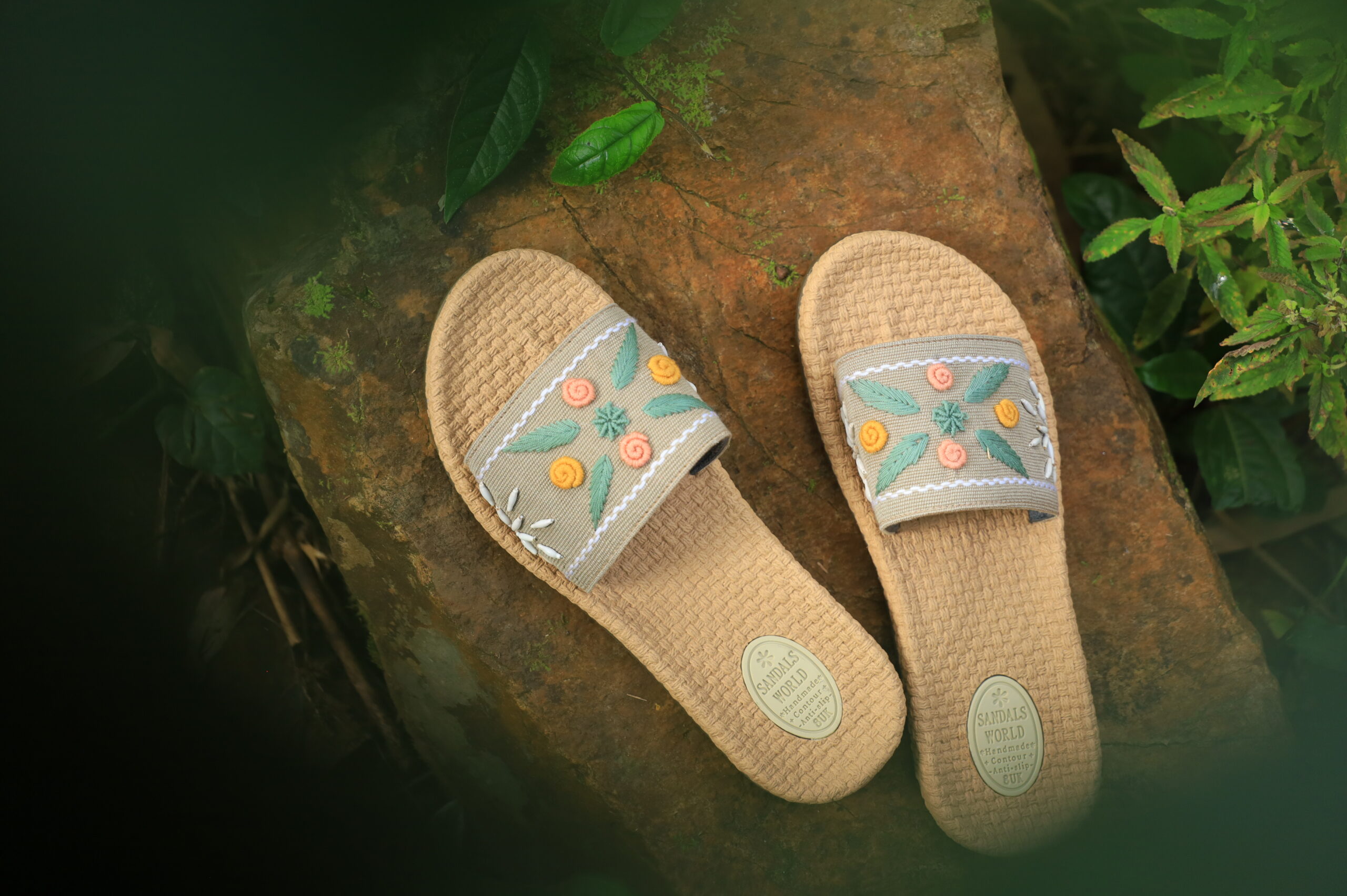
From an environmental perspective, handmade production minimizes industrial energy use and encourages natural or locally sourced materials such as Thai rubber and textiles. By avoiding overproduction, brands reduce waste one of fashion’s largest environmental problems.
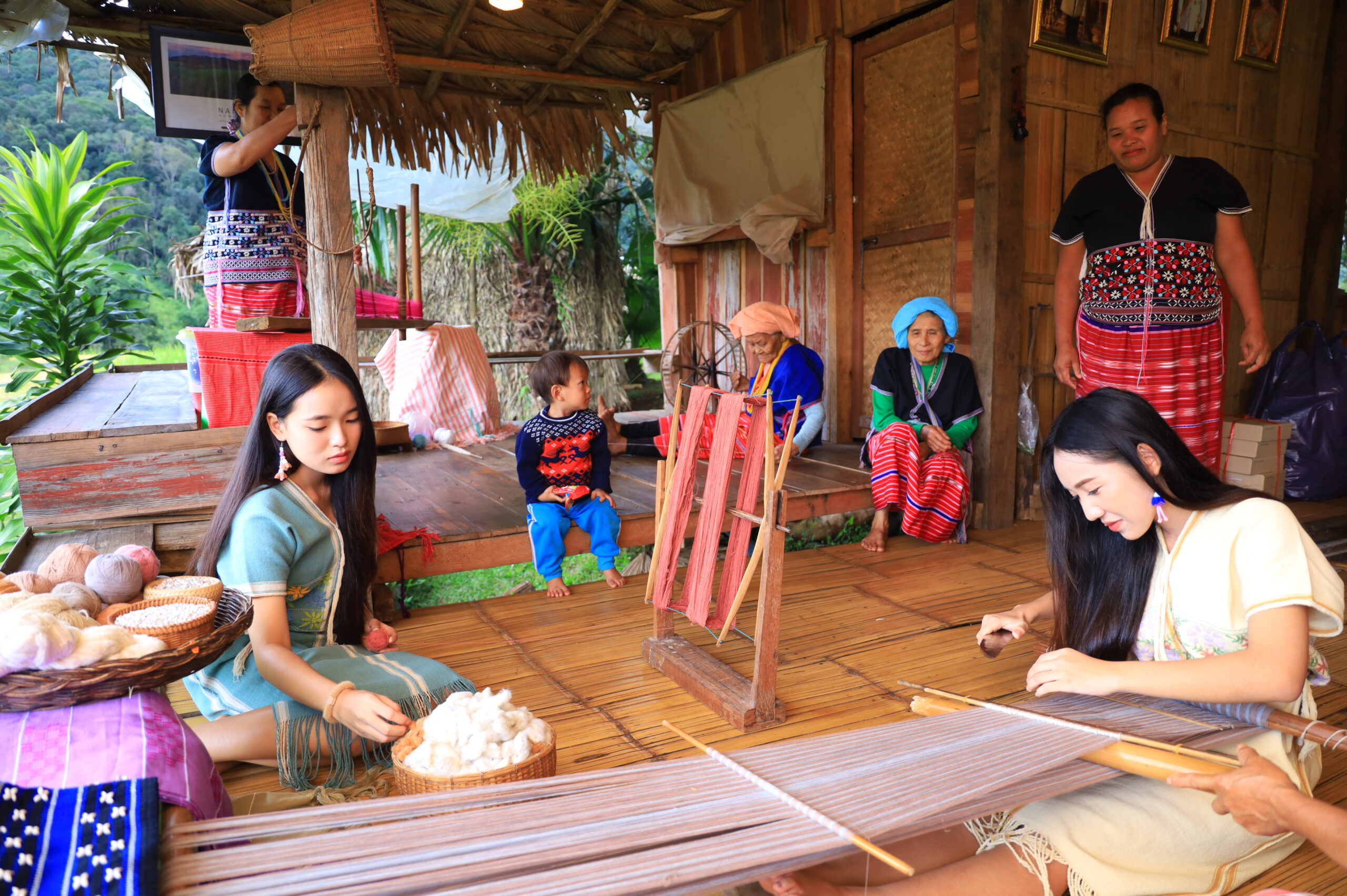
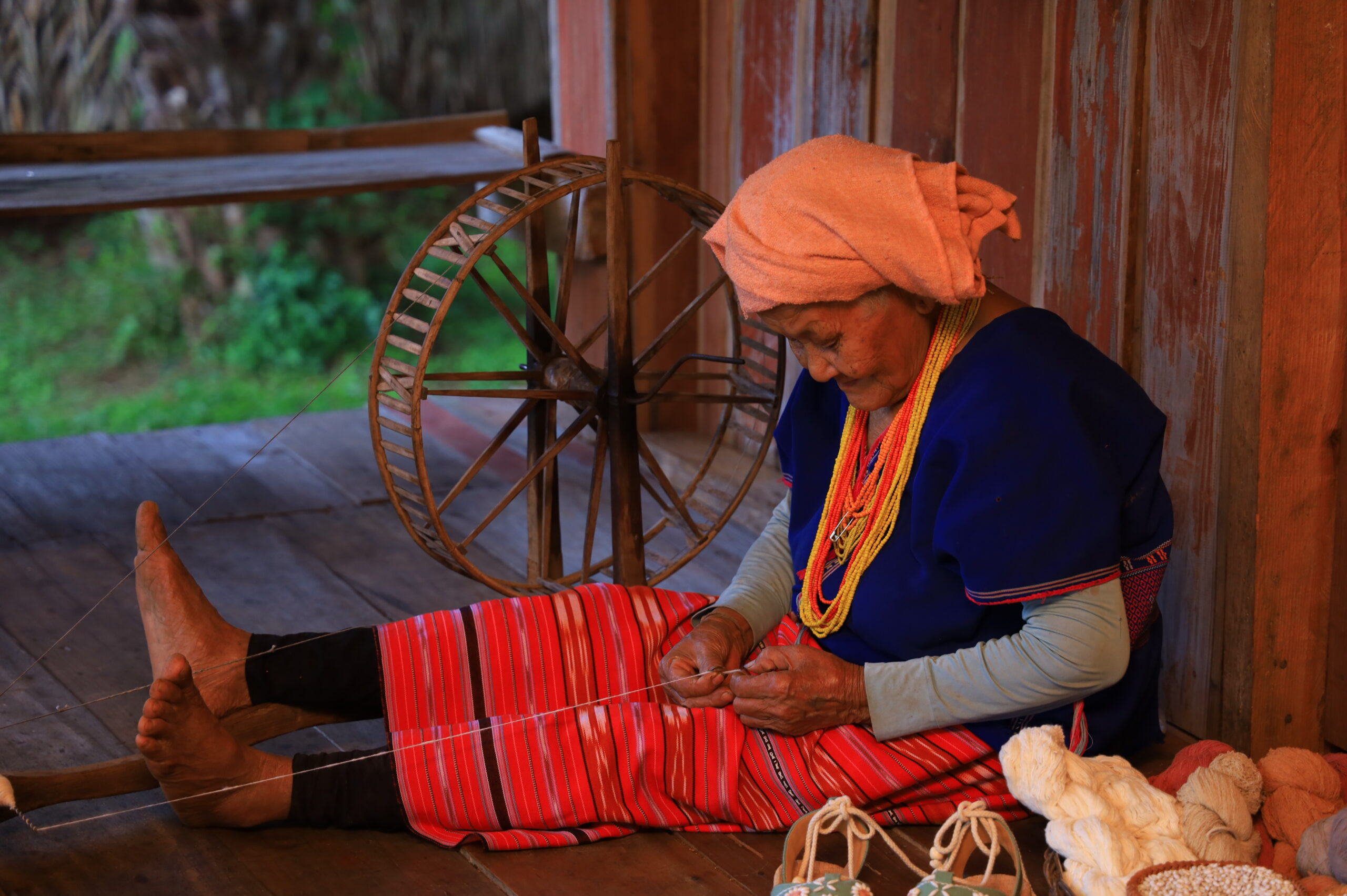
Socially, handmade production strengthens artisan communities. Craft industries provide stable income opportunities and preserve traditional skills that might otherwise disappear. Research from the International Labour Organization indicates that craft-based industries can increase rural household income by two to three times when supported by strong branding and market access.
Governance, often overlooked in creative sectors, is addressed through collaborative structures within sandals world. Transparent partnerships, fair pricing, and ethical collaboration help build trust an increasingly important factor in sustainable fashion markets.
SDGs and the Role of Thailand Sandals in Global Development
The United Nations Sustainable Development Goals (SDGs) provide a shared global framework aimed at balancing economic growth, environmental protection, and social equity by 2030. While often associated with governments and large corporations, creative industries and small businesses play an equally important role.
The development of Thailand sandals within sandals world directly connects to several SDGs. Supporting artisan employment contributes to SDG 8, which promotes decent work and inclusive economic growth. Responsible production aligns with SDG 12, encouraging sustainable consumption patterns. Localized manufacturing helps address SDG 13 by reducing climate impact.
Research from the UN Environment Programme shows that extending the lifespan of footwear by just nine months can reduce its carbon footprint by 20–30%, highlighting why durable handmade products are increasingly relevant to sustainability goals.
The Rise of Artistic Handmade Sandals and Craft Culture
A global revival of craftsmanship is reshaping consumer expectations. According to McKinsey & Company, craft-based fashion segments are growing at 8–10% annually, driven by demand for authenticity, storytelling, and human connection.
Within sandals world, the concept of Artistic Handmade Sandals reflects this shift. Footwear is no longer viewed solely as functional design but as wearable art shaped by cultural identity. Techniques such as weaving, macramé, hand-tying, and textile craftsmanship transform sandals into expressions of creativity and heritage.
This evolution positions Art & Craft Sandals outside the traditional competition of mass-produced footwear. Instead of competing on price, they compete on meaning, longevity, and emotional value.
Thailand Sandals in a Changing Global Market
Consumer expectations are rapidly evolving. A Nielsen study reports that 73% of Gen Z consumers are willing to pay more for sustainable products, indicating that ethical production is becoming a competitive advantage rather than a niche feature.
Thailand holds unique strengths in this transition. Rich craft traditions, skilled artisans, and access to natural materials allow Thai designers to create products that combine cultural authenticity with contemporary design. Sandals world acts as a bridge connecting these local capabilities with global conscious consumers seeking responsible fashion alternatives.
In this sense, Thailand sandals are no longer simply regional products; they are emerging as cultural exports aligned with global sustainability values.
Sustainability as Strategy, Not Marketing
Perhaps the most significant aspect of sandals world’s evolution in 2026 is that sustainability functions as a structural strategy rather than a branding message. Decisions about materials, production scale, collaboration, and storytelling all stem from long-term environmental and social thinking.
In a fashion industry often driven by speed, handmade practices represent a quiet but powerful innovation. They slow production, deepen human connection, and redefine value beyond consumption cycles.
As sustainability reshapes global fashion, handmade ecosystems demonstrate that progress does not always require more technology sometimes it requires rediscovering human craftsmanship.
When Sandals Become a Language of Sustainable Fashion
The transformation of sandals world illustrates a broader shift happening across the fashion landscape. By integrating sustainability, ESG frameworks, and SDG principles into creative practice, handmade production evolves into a model for future economic and cultural development.
Today, handmade sandals represent more than footwear. They embody responsible design, community empowerment, and environmental awareness. Through the growth of Artistic Handmade Sandals, Thailand is positioning itself within a global movement that values authenticity and sustainability equally.
As consumers continue searching for products with meaning, sandals world demonstrates how creativity and responsibility can move forward together shaping not only the future of sandals, but the future direction of fashion itself.
Sandals World 2026: เมื่อ Artistic Handmade Sandals กลายเป็นโมเดล Sustainability ใหม่ของอุตสาหกรรมแฟชั่นไทย
ในช่วงไม่กี่ปีที่ผ่านมา โลกแฟชั่นกำลังเผชิญการเปลี่ยนแปลงครั้งใหญ่ที่สุดครั้งหนึ่งในประวัติศาสตร์ จากอุตสาหกรรมที่เคยขับเคลื่อนด้วยความเร็วของเทรนด์และการผลิตจำนวนมหาศาล กำลังถูกตั้งคำถามโดยผู้บริโภครุ่นใหม่ที่เริ่มมองหา “คุณค่า” มากกว่า “ปริมาณ” ความสนใจต่อ sustainability จึงไม่ได้เป็นเพียงกระแส แต่กลายเป็นมาตรฐานใหม่ของธุรกิจแฟชั่นทั่วโลก
ท่ามกลางบริบทนี้ sandals world กำลังพัฒนาแนวทางใหม่ที่น่าสนใจอย่างยิ่ง โดยเปลี่ยนบทบาทจากพื้นที่รวมแบรนด์รองเท้าแตะธรรมดา สู่การเป็น ecosystem ของ Artistic Handmade Sandals ที่เชื่อมโยงงานคราฟต์ไทยเข้ากับแนวคิด ESG และ SDGs อย่างเป็นรูปธรรม
สิ่งที่เกิดขึ้นในปี 2026 จึงไม่ใช่แค่การรีแบรนด์ แต่คือการรีดีไซน์แนวคิดของคำว่า sandals ทั้งระบบ

โลกแฟชั่นกำลังเปลี่ยน และตัวเลขกำลังบอกเรื่องนั้น
อุตสาหกรรมแฟชั่นถูกจัดให้เป็นหนึ่งในอุตสาหกรรมที่สร้างผลกระทบต่อสิ่งแวดล้อมสูงที่สุด โดยรายงานจาก United Nations Environment Programme ระบุว่าแฟชั่นมีส่วนปล่อยก๊าซเรือนกระจกประมาณ 8–10% ของทั้งโลก มากกว่าการบินและการขนส่งทางเรือรวมกันเสียอีก ในขณะเดียวกันมีการผลิตเสื้อผ้าและรองเท้ามากกว่า 100 พันล้านชิ้นต่อปี และกว่า 85% กลายเป็นขยะภายในเวลาไม่นาน
รองเท้าเพียงอย่างเดียวมีการผลิตมากกว่า 22 พันล้านคู่ต่อปีทั่วโลก ซึ่งส่วนใหญ่ใช้วัสดุสังเคราะห์ที่ย่อยสลายยาก ตัวเลขเหล่านี้ทำให้ผู้บริโภคเริ่มตั้งคำถามกับ fast fashion และเปิดพื้นที่ใหม่ให้กับสินค้า handmade ที่มีวงจรชีวิตยาวกว่าและสร้างผลกระทบต่ำกว่า
นี่คือบริบทสำคัญที่ทำให้ handmade sandals กลับมาได้รับความสนใจอีกครั้ง ไม่ใช่ในฐานะงานหัตถกรรมย้อนยุค แต่ในฐานะคำตอบของอนาคต
Sandals World กับการเปลี่ยนผ่านสู่ Sustainability
การเติบโตของ sandals world สะท้อนแนวโน้มนี้อย่างชัดเจน จากการเป็นพื้นที่รวมแบรนด์ Thailand sandals ที่เน้นงานคราฟต์และดีไซน์ ปัจจุบันแพลตฟอร์มเริ่มปรับทิศทางสู่ sustainability อย่างจริงจัง โดยให้ความสำคัญกับการผลิตแบบ small-batch และการสร้างคุณค่าแทนการผลิตจำนวนมาก
การผลิตแบบ handmade ใช้พลังงานต่ำกว่าโรงงานอุตสาหกรรมอย่างมีนัยสำคัญ งานวิจัยด้าน sustainable manufacturing ระบุว่าการผลิตด้วยแรงงานฝีมือสามารถลดการใช้พลังงานได้มากถึง 60% เมื่อเทียบกับระบบอัตโนมัติบางประเภท นอกจากนี้ การผลิตในประเทศยังช่วยลด carbon footprint จากการขนส่งระหว่างทวีป ซึ่งเป็นหนึ่งในแหล่งปล่อยคาร์บอนสำคัญของสินค้าแฟชั่น
แนวคิดนี้สอดคล้องกับโมเดล circular economy ที่กำลังได้รับการสนับสนุนทั่วโลก โดย Ellen MacArthur Foundation ประเมินว่าการเปลี่ยนสู่ระบบแฟชั่นหมุนเวียนสามารถลดการปล่อยคาร์บอนได้ถึง 44% ภายในปี 2030

ESG: เมื่อคำว่า Handmade เชื่อมต่อกับมาตรฐานธุรกิจโลก
คำว่า ESG หรือ Environmental, Social และ Governance กลายเป็นภาษากลางของธุรกิจยุคใหม่ นักลงทุนทั่วโลกกว่า 79% ระบุว่าปัจจัย ESG มีผลต่อการตัดสินใจลงทุน และผู้บริโภคเองก็เริ่มใช้หลักการเดียวกันในการเลือกซื้อสินค้า
สิ่งน่าสนใจคือ โมเดลของ Art & Craft Sandals ภายใต้ sandals world มีองค์ประกอบ ESG อยู่แล้วโดยธรรมชาติ
ด้านสิ่งแวดล้อม (Environmental) งาน handmade ลดการใช้เครื่องจักรหนัก ใช้วัสดุธรรมชาติอย่างยางพาราไทย และหลีกเลี่ยงการผลิตเกินความต้องการ ซึ่งช่วยลดของเสียในระบบแฟชั่น ด้านสังคม (Social) การผลิตรองเท้าเชื่อมโยงกับ artisan และชุมชนท้องถิ่น สร้างรายได้กระจายสู่เศรษฐกิจฐานราก องค์การแรงงานระหว่างประเทศพบว่าอุตสาหกรรมหัตถกรรมสามารถเพิ่มรายได้ครัวเรือนชนบทได้ถึง 2–3 เท่าเมื่อมีการพัฒนาแบรนด์และตลาดอย่างเหมาะสม
ในด้าน Governance การทำงานแบบ collective ของ sandals world ช่วยสร้างความโปร่งใสในการร่วมงานระหว่างแบรนด์ นักออกแบบ และผู้ผลิต ซึ่งเป็นปัจจัยสำคัญของ ethical fashion ที่ตลาดโลกกำลังต้องการ

SDGs: จากรองเท้าแตะสู่เป้าหมายการพัฒนาโลก
SDGs หรือ Sustainable Development Goals คือเป้าหมายระดับโลก 17 ข้อขององค์การสหประชาชาติ
ที่ต้องการสร้างสมดุลระหว่างเศรษฐกิจ สังคม และสิ่งแวดล้อมภายในปี 2030 แม้ฟังดูเป็นนโยบายระดับโลก แต่ในความเป็นจริง ธุรกิจขนาดเล็กและงานคราฟต์สามารถมีบทบาทสำคัญได้
การเติบโตของ Thailand sandals ภายใต้ sandals world เชื่อมโยงโดยตรงกับ SDG 8 ที่เน้นการจ้างงานที่มีคุณค่า SDG 12
ที่สนับสนุนการผลิตและการบริโภคอย่างรับผิดชอบ และ SDG 13 ที่เกี่ยวข้องกับการลดผลกระทบต่อสภาพภูมิอากาศ รายงานของ UN Environment Programme
ชี้ว่าเพียงยืดอายุการใช้งานรองเท้าเพิ่มขึ้น 9 เดือน ก็สามารถลด carbon footprint ได้ถึง 20–30% ซึ่งสะท้อนคุณค่าของสินค้า handmade ที่ถูกออกแบบให้ใช้งานยาวนาน
Artistic Handmade Sandals กับการกลับมาของ Craft Culture
อีกหนึ่งปรากฏการณ์สำคัญคือการกลับมาของ craft culture ทั่วโลก รายงาน McKinsey ระบุว่าตลาดสินค้า craft-based fashion เติบโตเฉลี่ย 8–10% ต่อปี
เนื่องจากผู้บริโภคเริ่มมองหาความเป็นมนุษย์และเรื่องราวในสินค้า
ภายใต้แนวคิด Artistic Handmade Sandals รองเท้าไม่ได้เป็นเพียงของใช้
แต่เป็นการผสมผสานระหว่างศิลปะ งานฝีมือ และอัตลักษณ์ทางวัฒนธรรม เทคนิคการถัก การปัก และการทำ macramé
กลายเป็นภาษาการออกแบบใหม่ที่สะท้อน soft power ของไทย
ในบริบทนี้ Art & Craft Sandals จึงไม่ได้แข่งขันกับรองเท้าอุตสาหกรรม แต่กำลังสร้างตลาดใหม่ที่เน้นคุณค่าแทนราคา

Thailand Sandals ในเวทีโลกที่กำลังเปลี่ยน
ผู้บริโภค Gen Z กว่า 73% ระบุว่าพร้อมจ่ายเพิ่มสำหรับสินค้าที่ sustainable และ ethical
ซึ่งทำให้ประเทศที่มีรากฐานงาน handmade แข็งแรงมีโอกาสเติบโตสูง ประเทศไทยมีทั้งวัตถุดิบ ช่างฝีมือ และวัฒนธรรมที่หลากหลาย
ทำให้ Thailand sandals มีศักยภาพในการกลายเป็นหมวดหมู่แฟชั่นเฉพาะทางในระดับสากล
Sandals world จึงไม่ได้เป็นเพียงพื้นที่ขายสินค้า แต่กำลังทำหน้าที่เป็นสะพานเชื่อมระหว่างงานคราฟต์ท้องถิ่นกับตลาด global conscious consumers
อนาคตของ Sandals World: เมื่อ Sustainability คือกลยุทธ์ ไม่ใช่ภาพลักษณ์
สิ่งที่น่าสนใจที่สุดของ sandals world ในปี 2026 คือ sustainability ไม่ได้ถูกใช้เป็นเครื่องมือทางการตลาด แต่กลายเป็นโครงสร้างของระบบ
ตั้งแต่การเลือกวัสดุ วิธีผลิต ไปจนถึงการสร้าง community ของแบรนด์
ในโลกที่แฟชั่นกำลังถูกทบทวนใหม่ งาน handmade กลับกลายเป็นนวัตกรรมในรูปแบบหนึ่ง
เพราะมันลดผลกระทบต่อโลกโดยธรรมชาติ และสร้างความเชื่อมโยงระหว่างผู้ผลิตกับผู้สวมใส่

เมื่อ Sandals กลายเป็นภาษาของอนาคตแฟชั่น
เรื่องราวของ sandals world แสดงให้เห็นว่าอนาคตของแฟชั่นอาจไม่ได้อยู่ที่เทคโนโลยีที่ซับซ้อนเสมอไป แต่อยู่ที่การกลับไปเข้าใจคุณค่าพื้นฐานของการสร้างสรรค์
เมื่อ sustainability, ESG และ SDGs ถูกผสานเข้ากับงานคราฟต์
รองเท้าแตะ handmade sandals จึงไม่ได้เป็นเพียงสินค้า แต่กลายเป็นโมเดลเศรษฐกิจใหม่ที่สมดุลระหว่างโลก ผู้คน และความคิดสร้างสรรค์
และในกระแสโลกที่กำลังมองหาแฟชั่นที่มีความหมายมากขึ้น
Artistic Handmade Sandals จากประเทศไทย อาจไม่ใช่เพียงเทรนด์ชั่วคราว
แต่กำลังกลายเป็นทิศทางใหม่ของอุตสาหกรรมแฟชั่นโลกอย่างแท้จริง

#Sandalsworld #รองเท้าartandcraft #รองเท้าแตะสานแฮนด์เมด #artandcraftsandals #artistichandmadesandals #handmade #artandcraft #sandals #รองเท้าแฮนด์เมด #รองเท้าแตะใส่แล้วไม่ลื่น #รองเท้ายางพารา #ใส่ไปไหนก็ได้
บทความโดย
Art and craft sandals by Sandalsworld thailand.

ABOUT THE CONTENT CREATOR
BUNTHARIK INSIRI
(Content Writer)
The Largest HubArtistic Handmade Sandals
BY
SANDALS WORLD THAILAND
of Artistic Handmade Sandals in Thailand.