

COMMUNITY, Knowledge & Insights, Sandals World News
How ESG Is Reshaping Fashion May Be the Future of Sustainable?
Mar
From Waste to Worth: How ESG Is Reshaping Fashion and Why Handmade Sandals May Be the Future of Sustainable Style

Image credit by : Milala Handmade
The Fashion Industry’s Hidden Footprint: A Crisis Beneath the Surface
Fashion has always been a symbol of creativity, identity, and culture. Yet behind the beauty of new collections lies a growing environmental challenge that the world can no longer ignore.
Today, the global fashion industry produces approximately 92 million tonnes of textile waste every year the equivalent of a garbage truck full of clothing being burned or sent to landfill every second.
Even more concerning, global textile waste could rise to 134 million tonnes annually by 2030 if production and consumption patterns continue unchanged.
The issue goes beyond waste alone. Research shows that fashion contributes:
-
Around 10% of global carbon emissions
-
Nearly 20% of worldwide wastewater pollution
-
Massive water consumption exceeding 93 billion cubic meters annually
Fast fashion has accelerated consumption dramatically. Consumers now buy more clothes than ever before, yet keep them for shorter periods sometimes discarding garments after only a few wears.
This linear model produce, consume, discard has pushed fashion into one of the most environmentally impactful industries on Earth.
And this is precisely where ESG enters the conversation.

ESG: From Corporate Buzzword to Industry Transformation
ESG — Environmental, Social, and Governance has evolved from a voluntary initiative into a global expectation shaping how fashion brands operate.
Since 2025, ESG has increasingly shifted from marketing language to regulated accountability. Brands are now required to prove sustainability claims with measurable data rather than vague promises.
This marks a major turning point.
Instead of asking:
“Is this brand eco-friendly?”
Consumers, investors, and regulators now ask:
“Can this brand prove its environmental and social impact?”
The fashion industry is entering a verification era.
Key ESG shifts between 2025 and 2030 include:
-
Transparent material sourcing
-
Certified supply chains
-
Circular production models
-
Reduced fossil-based materials
-
Ethical labor practices
Circular fashion models alone are expected to expand their market share dramatically by 2030 as brands transition away from waste-heavy systems.
In short, sustainability is no longer optional it is becoming infrastructure.

Image credit by : Milala Handmade
Why Sustainability Became the Biggest Fashion Trend of the Decade
Unlike seasonal trends, sustainability represents a structural change driven by three global forces:
1. Climate Pressure
Fashion’s emissions rival major transportation sectors combined, forcing governments and organizations to act.
2. Consumer Awareness
Modern consumers increasingly value longevity, craftsmanship, and authenticity over mass-produced items.
3. Regulatory Change
From Europe to Asia, new policies demand accountability for textile waste and product life cycles.
Fashion weeks themselves are adapting sustainability requirements are becoming mandatory participation criteria for emerging designers.
The message is clear: the industry is redesigning itself.
The Problem with Fast Fashion — and the Return of Craft
Fast fashion optimized speed and affordability but unintentionally disconnected consumers from the value of making.
Overproduction has reached extreme levels. Studies estimate that around 30% of garments produced globally are never even sold, wasting raw materials and energy before products reach consumers.
At the same time, recycling remains extremely limited, with less than 15% of textiles globally being recycled.
This reality has sparked a cultural shift: people are rediscovering craftsmanship.
Handmade products introduce something missing from industrial fashion intention.
And this is where handmade sandals enter the sustainability conversation.

Image credit by : Milala Handmade
Handmade as a Sustainability Solution
The word handmade is often associated with aesthetics or tradition, but in ESG terms, handmade production represents a fundamentally different manufacturing philosophy.
Handmade production typically involves:
-
Smaller production batches
-
Reduced overstock waste
-
Longer product lifespan
-
Human-centered craftsmanship
-
Localized supply chains
Unlike mass production, handmade processes naturally align with sustainability principles because they prioritize quality over quantity.
When applied to footwear, this approach transforms ordinary sandals into long-lasting design objects rather than disposable products.

Image credit by : Milala Handmade
Thailand Sandals and the Rise of Cultural Sustainability
Thailand has long been known for craft traditions rooted in artistry and community knowledge. Today, these traditions are gaining new relevance within global sustainability discussions.
Thailand sandals represent more than footwear they embody cultural continuity combined with modern environmental awareness.
Artisanship preserves techniques passed across generations while reducing reliance on large industrial systems. This creates social value alongside environmental benefit fulfilling both Environmental and Social pillars of ESG.
In global markets increasingly searching for authenticity, craftsmanship becomes competitive advantage.

Image credit by : Milala Handmade
Artistic Handmade Sandals: Where Art Meets Responsibility
A new category is emerging within sustainable fashion: Artistic Handmade Sandals.
These products blur the boundary between fashion and art.
Rather than mass replication, each piece reflects:
-
Creative expression
-
Material consciousness
-
Design storytelling
-
Emotional durability
Emotional durability is a critical but often overlooked sustainability factor. Products that people emotionally value are kept longer, reducing waste generation.
This transforms sandals from short-term fashion items into meaningful possessions.
Similarly, Art & Craft Sandals emphasize design integrity proving sustainability does not require sacrificing aesthetics.
Instead, beauty becomes part of sustainability itself.

Image credit by : Milala Handmade
The ESG Future of Footwear: From Materials to Meaning
Between now and 2030, footwear innovation is expected to focus heavily on material transformation.
Brands are exploring:
-
Bio-based materials derived from plants
-
Reduced fossil-fuel inputs
-
Certified supply chains
-
Traceable production systems
Consumers increasingly want transparency: where materials come from, how products are made, and who made them.
This evolution signals a move away from anonymous manufacturing toward accountable storytelling.
Footwear is no longer judged only by comfort or design but by impact.
Sandals World: Redefining Handmade Sandals Through ESG Strategy
Within this global transformation, sandals world represents a new strategic direction.
Instead of positioning products simply as sandals, the brand aligns itself with a broader identity:
Thai Sustainable Handmade Footwear
The approach follows three ESG-driven principles:
Evidence Over Claims
Rather than using generic “green” messaging, sustainability is communicated through verifiable materials and certifications.
Story Over Cost
ESG becomes a narrative — connecting plant-based materials, craftsmanship, and cultural heritage.
Craft Over Mass Production
Handmade sandals are produced with intention, emphasizing longevity and artistic identity.
This positioning reflects a growing realization within fashion:
Sustainability is not only about reducing harm it is about redefining value.

Image credit by : Milala Handmade
Why Handmade Sandals May Define Sustainable Fashion’s Next Chapter
As fashion moves toward 2030, the industry faces a crucial question:
Can growth exist without waste?
Handmade models suggest a possible answer.
By combining craftsmanship, responsible materials, and ESG transparency, handmade sandals demonstrate that sustainability and creativity can coexist.
They slow consumption without slowing innovation.
They reconnect people with the process of making.
And perhaps most importantly, they restore meaning to what we wear.
A Green Future Built Step by Step
The sustainability movement is not about abandoning fashion — it is about redesigning it.
From rising textile waste to ESG regulation and cultural shifts toward craftsmanship, the industry is undergoing one of the biggest transformations in its history.
The future of fashion may not belong to the fastest producers, but to the most thoughtful creators.
In this evolving landscape, sandals are no longer just footwear.
They become symbols of responsibility, artistry, and conscious living.
And through handmade innovation emerging from Thailand, the journey toward sustainability might begin with something simple:
A carefully crafted pair of sandals made by human hands, designed for a better world.

จากขยะสู่คุณค่า: เมื่อ ESG กำลังเปลี่ยนอุตสาหกรรมแฟชั่น และเหตุผลที่ Handmade Sandals อาจเป็นอนาคตของความยั่งยืน
วิกฤตเงียบของอุตสาหกรรมแฟชั่นที่โลกเริ่มมองเห็น
แฟชั่นคือการแสดงออกถึงตัวตน ศิลปะ และวัฒนธรรม แต่เบื้องหลังความสวยงามนั้น โลกกำลังเผชิญปัญหาที่ใหญ่ขึ้นทุกปี — ขยะจากอุตสาหกรรมแฟชั่น
ปัจจุบัน อุตสาหกรรมแฟชั่นสร้างขยะสิ่งทอมากกว่า 92 ล้านตันต่อปี หรือเทียบเท่ารถขยะหนึ่งคันที่ถูกนำไปฝังกลบหรือเผาทุก ๆ วินาที และคาดว่าภายในปี 2030 ตัวเลขนี้อาจเพิ่มขึ้นเกิน 134 ล้านตันต่อปี หากรูปแบบการผลิตและการบริโภคยังคงเหมือนเดิม
นอกจากปัญหาขยะแล้ว อุตสาหกรรมแฟชั่นยังส่งผลกระทบต่อโลกอย่างมหาศาล เช่น
-
ปล่อยคาร์บอนประมาณ 10% ของการปล่อยทั่วโลก
-
สร้างน้ำเสียเกือบ 20% ของอุตสาหกรรมทั้งหมด
-
ใช้น้ำมากกว่า 93 พันล้านลูกบาศก์เมตรต่อปี
สิ่งที่เกิดขึ้นสะท้อนโมเดลแบบ “ผลิตเร็ว ใช้เร็ว ทิ้งเร็ว” ซึ่งกลายเป็นความท้าทายสำคัญของโลกยุคใหม่
และนี่คือจุดที่แนวคิด sustainability และ ESG เริ่มเข้ามามีบทบาทจริงจัง

ESG คืออะไร และทำไมแฟชั่นต้องปรับตัว
ESG ย่อมาจาก Environmental, Social และ Governance ซึ่งกลายเป็นมาตรฐานใหม่ของธุรกิจทั่วโลก โดยเฉพาะในอุตสาหกรรมแฟชั่น
ตั้งแต่ปี 2025 เป็นต้นมา เราเริ่มเห็นการเปลี่ยนแปลงสำคัญ:
-
แบรนด์ต้องแสดงแหล่งที่มาของวัสดุอย่างโปร่งใส
-
การกล่าวอ้างด้านสิ่งแวดล้อมต้องมีหลักฐานรองรับ
-
ระบบการผลิตต้องตรวจสอบได้
-
การใช้วัสดุจากฟอสซิลถูกลดบทบาทลง
ผู้บริโภคไม่ได้ถามอีกต่อไปว่า
“แบรนด์นี้รักษ์โลกไหม?”
แต่ถามว่า
“แบรนด์นี้พิสูจน์ได้หรือไม่?”
โลกกำลังเข้าสู่ยุคของ Verified Sustainability
เทรนด์ Sustainability จากปี 2025 สู่ 2030
ความยั่งยืนไม่ได้เป็นเพียงเทรนด์แฟชั่น แต่เป็นการเปลี่ยนโครงสร้างอุตสาหกรรม
แรงขับเคลื่อนหลักมี 3 ด้าน:
1️⃣ ความกดดันด้าน Climate Change
รัฐบาลและองค์กรระดับโลกเริ่มกำหนดมาตรฐานสิ่งแวดล้อมที่เข้มงวดขึ้น
2️⃣ ผู้บริโภครุ่นใหม่
ผู้ซื้อยุคใหม่ให้คุณค่ากับสินค้า handmade งานคราฟต์ และสินค้าที่มีเรื่องราว มากกว่าสินค้าผลิตจำนวนมาก
3️⃣ กฎหมายและมาตรฐานสากล
หลายประเทศเริ่มออกกฎควบคุมขยะสิ่งทอและวงจรชีวิตสินค้า
ภายในปี 2030 โมเดล Circular Fashion หรือแฟชั่นหมุนเวียนจะกลายเป็นมาตรฐานใหม่ของอุตสาหกรรม

Fast Fashion: เมื่อความเร็วกลายเป็นปัญหา
งานวิจัยพบว่า เสื้อผ้าประมาณ 30% ที่ผลิตทั่วโลกไม่เคยถูกขายเลย ซึ่งหมายถึงทรัพยากรจำนวนมหาศาลถูกใช้ไปโดยไร้ประโยชน์
ขณะเดียวกัน การรีไซเคิลสิ่งทอยังเกิดขึ้นไม่ถึง 15% ของทั้งหมด
สิ่งนี้ทำให้ผู้บริโภคเริ่มย้อนกลับไปหาคุณค่าที่เคยมี — งานฝีมือ
และนี่คือจุดเริ่มต้นของการกลับมาของ handmade

Image credit by : Milala Handmade
Handmade ไม่ใช่แค่สไตล์ แต่คือแนวคิด Sustainability
คำว่า handmade ไม่ได้หมายถึงความสวยงามเพียงอย่างเดียว แต่เป็นระบบการผลิตที่สอดคล้องกับ sustainability โดยธรรมชาติ
การผลิตแบบ handmade มักมีลักษณะดังนี้:
-
ผลิตแบบจำนวนน้อย (Small Batch)
-
ลดของเหลือจากการผลิต
-
อายุการใช้งานยาวขึ้น
-
สนับสนุนแรงงานท้องถิ่น
-
ลด supply chain ที่ซับซ้อน
เมื่อแนวคิดนี้ถูกนำมาใช้กับ handmade sandals รองเท้าไม่ได้เป็นเพียงสินค้าแฟชั่น แต่กลายเป็นผลิตภัณฑ์ที่มีคุณค่าและความหมาย
Thailand Sandals กับบทบาทใหม่ในเวทีโลก
ประเทศไทยมีรากฐานงานหัตถศิลป์มายาวนาน และวันนี้งานคราฟต์กำลังกลายเป็นคำตอบของโลกยุคใหม่
Thailand sandals ไม่ได้เป็นเพียงรองเท้าท้องถิ่นอีกต่อไป แต่เป็นตัวแทนของ:
-
วัฒนธรรม
-
งานศิลปะ
-
ความยั่งยืน
-
เศรษฐกิจชุมชน
งานฝีมือช่วยสร้าง Social Impact ซึ่งเป็นหนึ่งในเสาหลักของ ESG
ในโลกที่ผู้บริโภคต้องการ authenticity มากขึ้น งานคราฟต์จึงกลายเป็นความได้เปรียบเชิงการแข่งขัน

Image credit by : Milala Handmade
Artistic Handmade Sandals: เมื่อแฟชั่นกลายเป็นงานศิลปะ
แนวโน้มใหม่ของแฟชั่นยั่งยืนคือ Artistic Handmade Sandals
รองเท้าไม่ได้ถูกออกแบบเพื่อผลิตซ้ำจำนวนมาก แต่ถูกสร้างด้วยแนวคิดศิลปะและเอกลักษณ์
คุณค่าที่เกิดขึ้น ได้แก่:
-
ความคิดสร้างสรรค์
-
การออกแบบที่มีเรื่องราว
-
Emotional Connection กับผู้ใช้
-
การใช้งานระยะยาว
เมื่อผู้คนรู้สึกผูกพันกับสินค้า พวกเขาจะใช้นานขึ้น ซึ่งช่วยลดขยะโดยตรง
แนวคิดเดียวกันนี้เกิดขึ้นในกลุ่ม Art & Craft Sandals ที่ผสานงานศิลป์เข้ากับความรับผิดชอบต่อโลก
อนาคตของ Footwear ภายใต้ ESG
ระหว่างปี 2025–2030 อุตสาหกรรมรองเท้าจะเปลี่ยนแปลงอย่างชัดเจน โดยเน้น:
-
วัสดุชีวภาพจากพืช
-
การลดคาร์บอน
-
Supply chain ที่ตรวจสอบได้
-
ความโปร่งใสในการผลิต
ผู้บริโภคเริ่มสนใจว่า “ใครทำสินค้า” มากพอ ๆ กับ “สินค้าคืออะไร”
นี่คือการเปลี่ยนจาก Mass Production → Meaningful Production

Sandals World: นิยามใหม่ของ Handmade Sandals
ภายใต้การเปลี่ยนแปลงนี้ sandals world กำลังสร้างตำแหน่งใหม่ในตลาด
ไม่ใช่แค่แบรนด์ sandals แต่คือ
Thai Sustainable Handmade Footwear
กลยุทธ์หลักประกอบด้วย:
✔ Evidence Over Marketing
สื่อสาร sustainability ด้วยข้อมูลจริง ไม่ใช่คำโฆษณา
✔ Story Over Product
เชื่อมโยงวัสดุ งานฝีมือ และวัฒนธรรมเข้าด้วยกัน
✔ Craft Over Mass
ให้คุณค่ากับ handmade มากกว่าการผลิตจำนวนมาก
แนวทางนี้สะท้อนแนวคิดใหม่ของแฟชั่นโลก การสร้างคุณค่าแทนการผลิตปริมาณ
Image credit by : Milala Handmade
ทำไม Handmade Sandals อาจเป็นอนาคตของแฟชั่นยั่งยืน
คำถามสำคัญของอุตสาหกรรมแฟชั่นคือ:
เราจะเติบโตโดยไม่สร้างขยะเพิ่มได้หรือไม่?
handmade sandals อาจเป็นหนึ่งในคำตอบ
เพราะพวกมัน:
-
ลดการผลิตเกินจำเป็น
-
สร้างคุณค่าทางอารมณ์
-
เชื่อมโยงผู้คนกับผู้สร้าง
-
สนับสนุน sustainability อย่างแท้จริง
แฟชั่นจึงไม่ได้ช้าลง แต่ฉลาดขึ้น
ก้าวต่อไปของโลกสีเขียว เริ่มจากสิ่งเล็ก ๆ ใต้ฝ่าเท้า
การเปลี่ยนแปลงของแฟชั่นไม่ได้หมายถึงการหยุดความสวยงาม แต่คือการออกแบบอนาคตใหม่
เมื่อ ESG กลายเป็นมาตรฐาน
เมื่อ sustainability กลายเป็นความคาดหวัง
และเมื่อผู้คนเริ่มมองหาความหมายมากกว่าความเร็ว
รองเท้า sandals อาจไม่ได้เป็นเพียงแฟชั่นอีกต่อไป
แต่กลายเป็นสัญลักษณ์ของความรับผิดชอบ ศิลปะ และการใช้ชีวิตอย่างมีสติ
และบางที การเปลี่ยนแปลงโลก อาจเริ่มต้นจาก
รองเท้า handmade คู่หนึ่ง ที่ถูกสร้างขึ้นด้วยมือมนุษย์ เพื่ออนาคตที่ดีกว่า
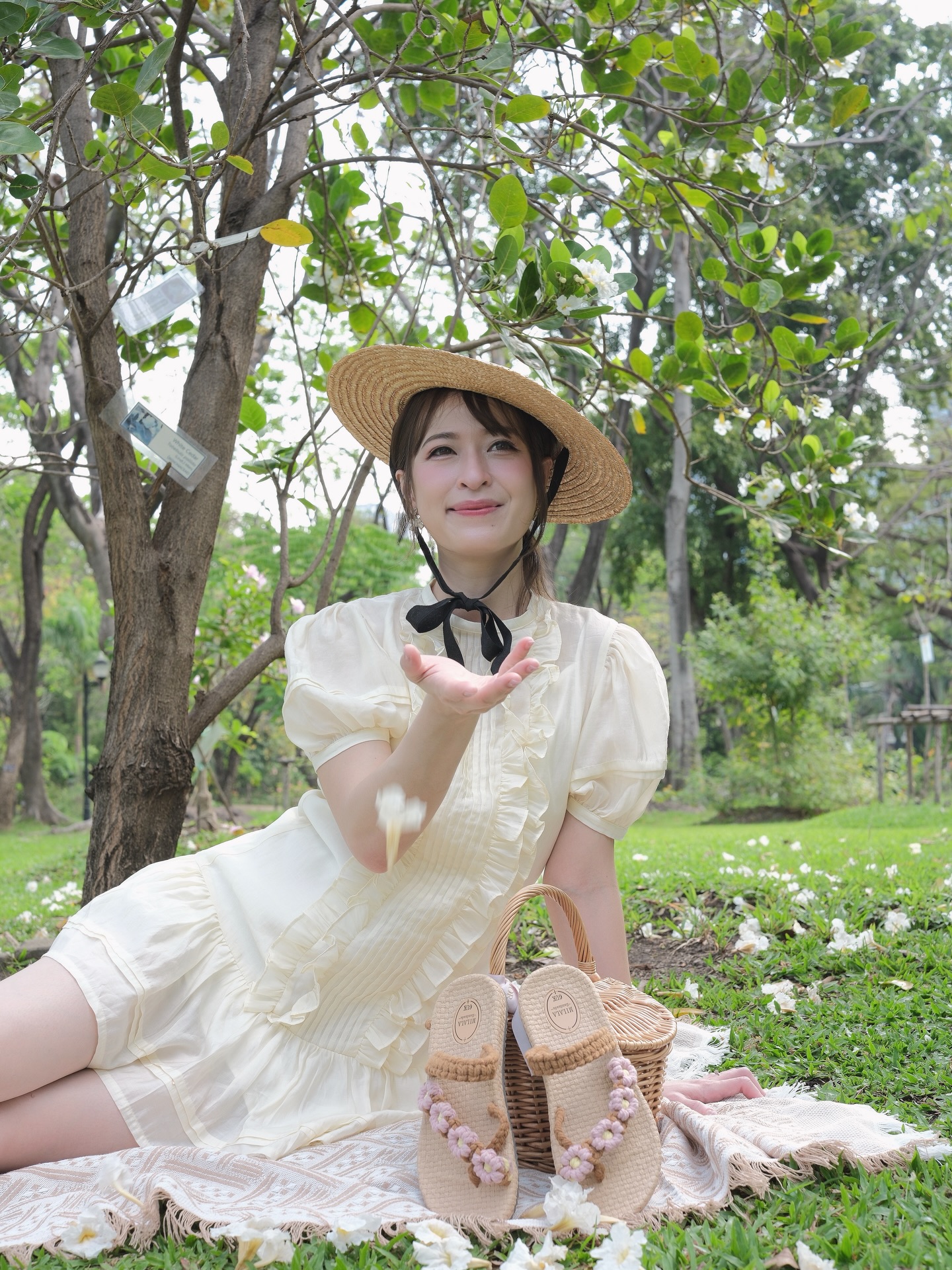
Image credit by : Milala Handmade
#Sandalsworld #รองเท้าartandcraft #รองเท้าแตะสานแฮนด์เมด #artandcraftsandals #artistichandmadesandals #handmade #artandcraft #sandals #รองเท้าแฮนด์เมด #รองเท้าแตะใส่แล้วไม่ลื่น #รองเท้ายางพารา #ใส่ไปไหนก็ได้
บทความโดย
Art and craft sandals by Sandalsworld thailand.

ABOUT THE CONTENT CREATOR
BUNTHARIK INSIRI
(Content Writer)
The Largest HubArtistic Handmade Sandals
BY
SANDALS WORLD THAILAND
of Artistic Handmade Sandals in Thailand.