

Brand Stories
Thailand 2027–2030: Working Just as Hard, but Living a Harder Life? 4 Crises You Cannot Ignore

Nov
What if your salary stays the same, but everything around you becomes more expensive? What if the job you depend on today no longer offers the same security tomorrow?
Imagine waking up in 2027 to discover that everyday expenses have increased again. Food costs more, small businesses struggle to attract customers, and artificial intelligence is changing the way companies operate.
Meanwhile, your family may face growing healthcare expenses as parents get older. Yet your income might not increase enough to cover these responsibilities.
This is not a prediction of an economic collapse. Instead, it reflects several risks that could reshape Thailand over the coming years.
The greatest danger may not be a sudden disaster. It may be the slow disappearance of financial security, stable employment, and opportunities we once took for granted.
Environmental scholar Dr. Sonthi Kotchawat has highlighted four major challenges that Thailand could face between 2027 and 2030: economic weakness, an aging population, environmental pressures, and artificial intelligence.
These challenges will not necessarily happen simultaneously or with equal intensity. However, they are already important reasons to reconsider how we work, spend, produce, and prepare for the future.
The real question is no longer simply what might happen to Thailand.
It is whether we are preparing before these changes affect our everyday lives.
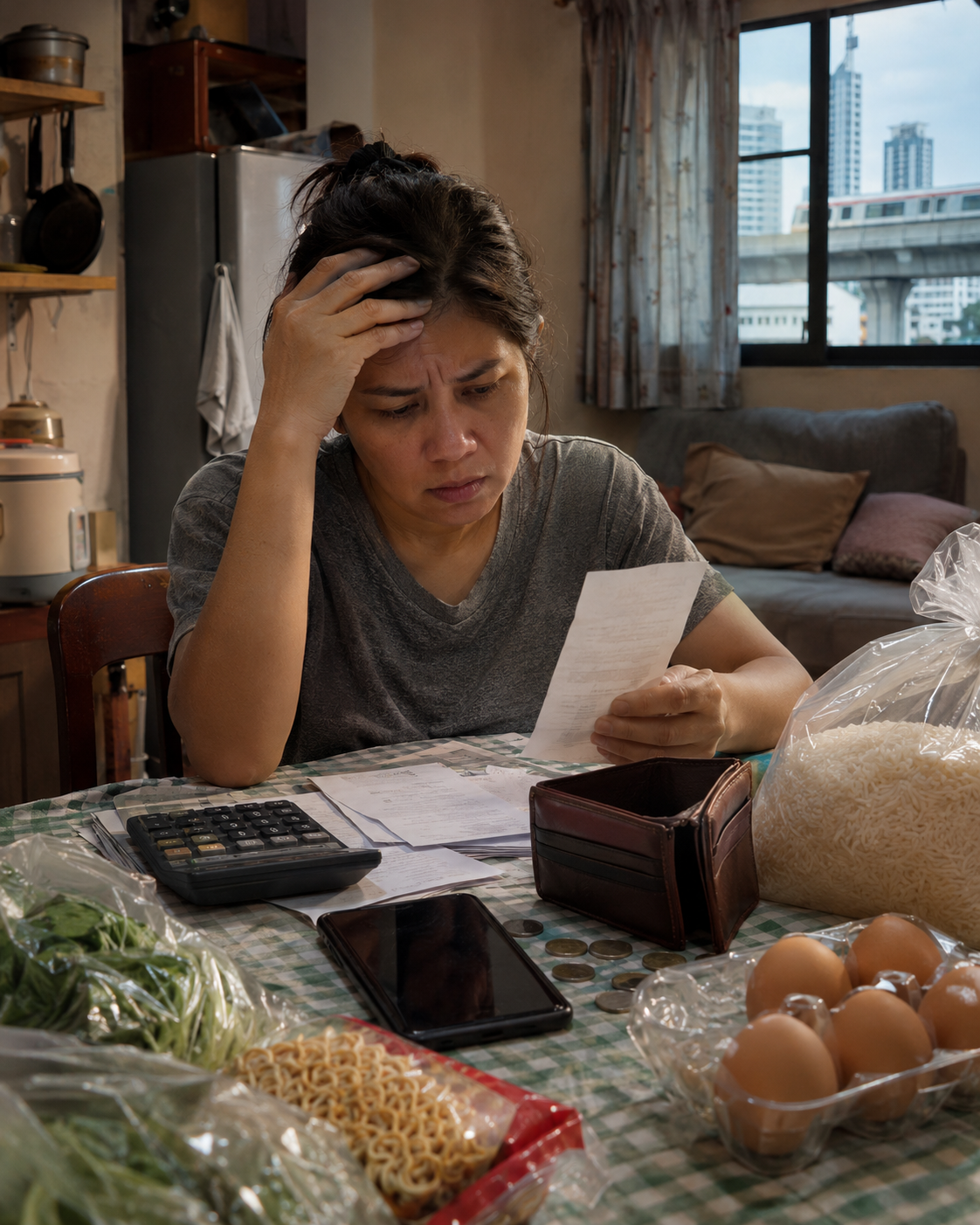
Economic Crisis: When Your Income Cannot Keep Up With the Cost of Living
What happens when working harder no longer guarantees financial security?
Economic growth may sound like a concern for governments, economists, or major corporations.
However, its effects can reach almost every household.
When businesses grow slowly, employment opportunities may become limited. Companies may delay investments, while consumers become increasingly cautious about spending.
Thailand’s economic outlook reflects these challenges.
According to the Bank of Thailand’s October 2026 outlook, the country’s economy was projected to grow by approximately 2.1% in 2027.
Meanwhile, household debt remained a major concern. In the second quarter of 2026, Thailand’s household debt stood at approximately 85.2% of GDP, equivalent to 16.43 trillion baht.
Although the debt-to-GDP ratio had declined, many households still faced pressure from financial obligations.
For small businesses, the challenge is equally serious.
When customers spend less, competing through lower prices alone can reduce profitability and threaten long-term survival.
How can people and businesses prepare?
Financial resilience begins with understanding where money goes.
Households can review unnecessary expenses, manage high-interest debt, and gradually build emergency savings.
Business owners should evaluate operating costs while developing products and services that offer meaningful value.
Instead of relying entirely on low prices, businesses can strengthen their identity through quality, creativity, and customer experience.
In a slow-growing economy, survival may depend less on being the cheapest and more on giving customers a reason to choose you.
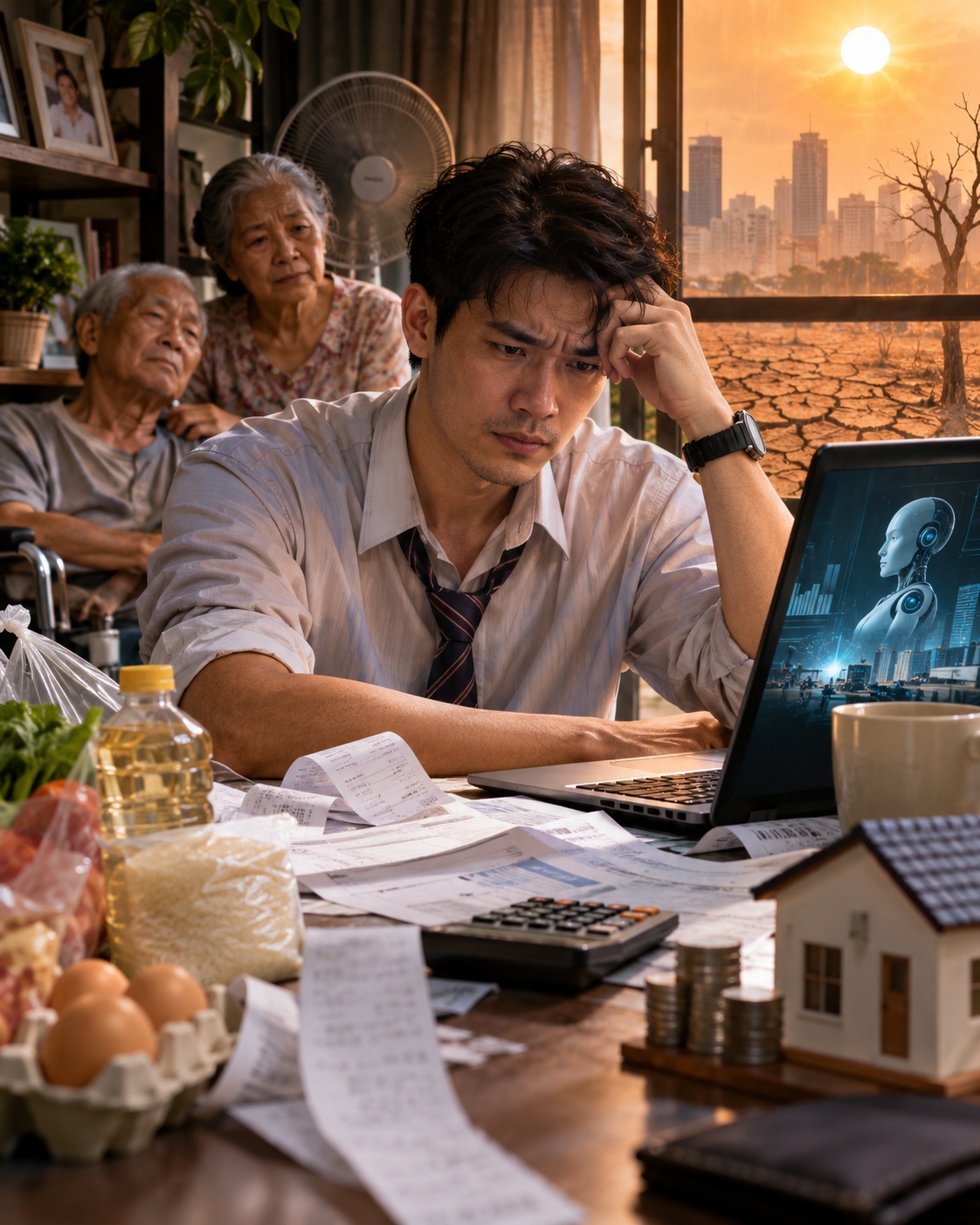
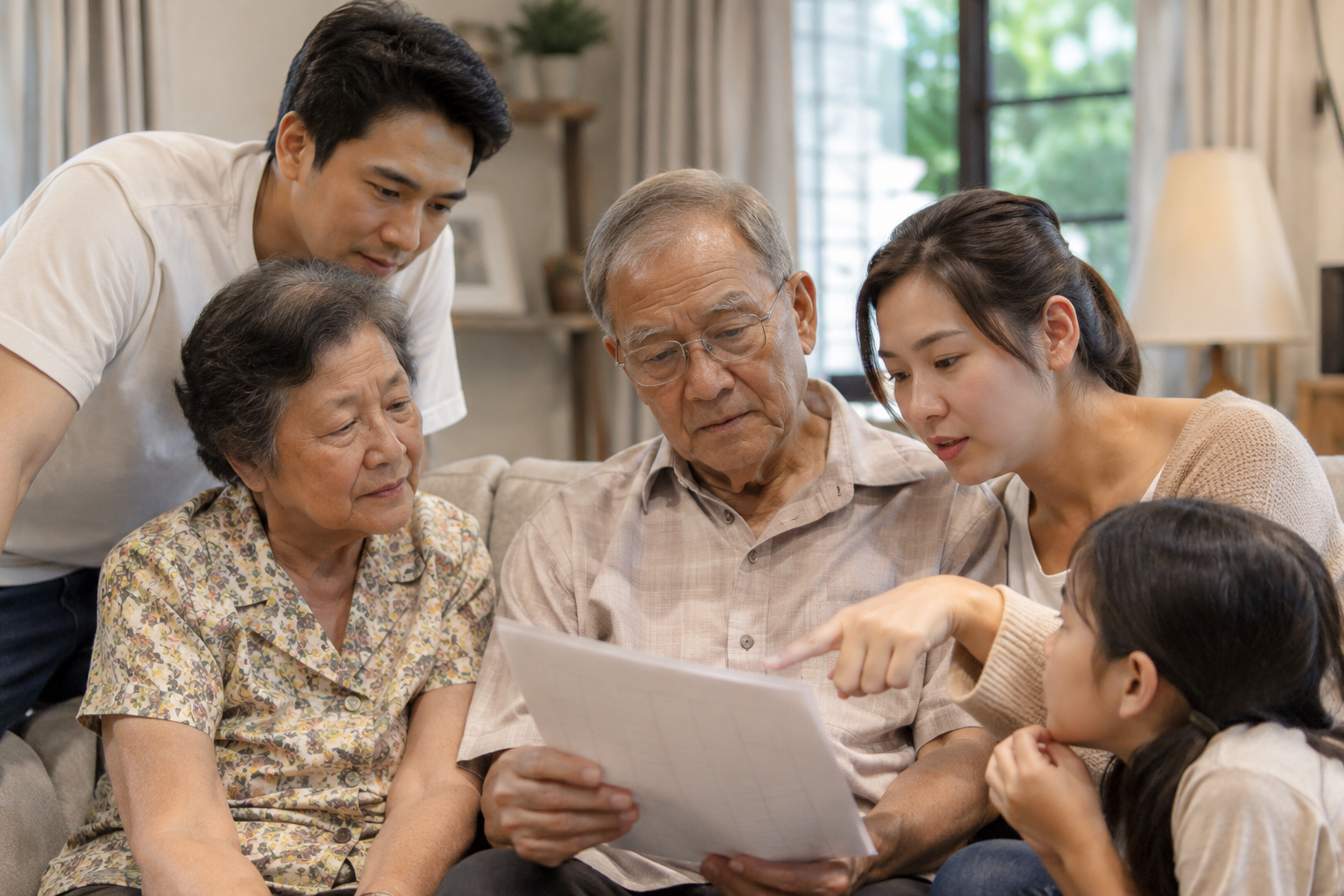
Aging Society: Thailand Is Getting Older, but Are We Financially Ready?
Fewer working-age people, greater responsibilities
Imagine a household where two working adults must support their children while also caring for aging parents.
Healthcare expenses increase, daily responsibilities become more demanding, and saving for retirement becomes increasingly difficult.
This situation may become more common as Thailand’s population continues to age.
According to Thailand’s 2024 older persons report, approximately 13.7 million people were aged 60 or above, representing around 20.83% of the population.
An aging society is therefore not simply a future prediction. It is already part of Thailand’s demographic reality.
As the working-age population shrinks, businesses may face labor shortages. Families could also experience increasing demand for healthcare and long-term care.
Nevertheless, aging does not eliminate economic opportunity.
Older generations possess valuable knowledge, experience, and traditional skills that can continue contributing to society.
How can Thailand turn an aging challenge into an opportunity?
Preparing for retirement should begin long before retirement age.
Individuals can develop long-term financial plans, protect their health, and build skills that allow them to remain economically active.
Communities can also create opportunities through traditional craftsmanship, local products, and knowledge sharing.
For Thailand, preserving handmade skills may become increasingly important.
Traditional artisans often carry expertise developed over decades. With appropriate design, technology, and market access, that knowledge can create value for future generations.
An aging society becomes a greater challenge when experience is overlooked instead of developed.
Climate Crisis: Global Warming Could Make Everyday Life More Expensive
Climate change is no longer only an environmental issue
When people hear about climate change, they often imagine melting glaciers, rising temperatures, or disappearing forests.
However, in Thailand, climate change can also influence food prices, agricultural income, transportation, and manufacturing costs.
Extreme heat can increase electricity demand. Severe droughts may affect agricultural production, while flooding can damage crops, infrastructure, and transportation networks.
These disruptions can eventually influence the prices consumers pay.
Not every flood or drought is caused by global warming alone. Nevertheless, climate change can intensify certain extreme weather risks and increase pressure on vulnerable communities.
For farmers, manufacturers, and small businesses, environmental uncertainty can become financial uncertainty.
Green trade regulations are changing global competition
Environmental regulations are also influencing international trade.
The European Union’s Carbon Border Adjustment Mechanism, or CBAM, entered its definitive phase on January 1, 2026.
It applies to selected carbon-intensive products, including steel, aluminum, cement, and fertilizers.
Although sandals and other footwear are not directly covered by the current CBAM product scope, the mechanism reflects growing attention to carbon emissions in international supply chains.
Other European sustainability policies are also promoting product durability, resource efficiency, and improved environmental information.
For manufacturers, this signals a broader shift.
Businesses may increasingly need to understand where materials come from, how products are manufactured, and what environmental impacts occur throughout their life cycles.
Sustainability must become more than a marketing message
Simply describing a product as environmentally friendly is not enough.
Credible sustainability requires responsible material choices, transparent information, efficient resource use, and measurable improvements.
For Thailand’s manufacturing and craft sectors, this creates both challenges and opportunities.
Businesses that invest in better product development and reliable environmental information may strengthen their competitiveness over time.
The future of sustainability is not about making the biggest green promise. It is about demonstrating meaningful progress.
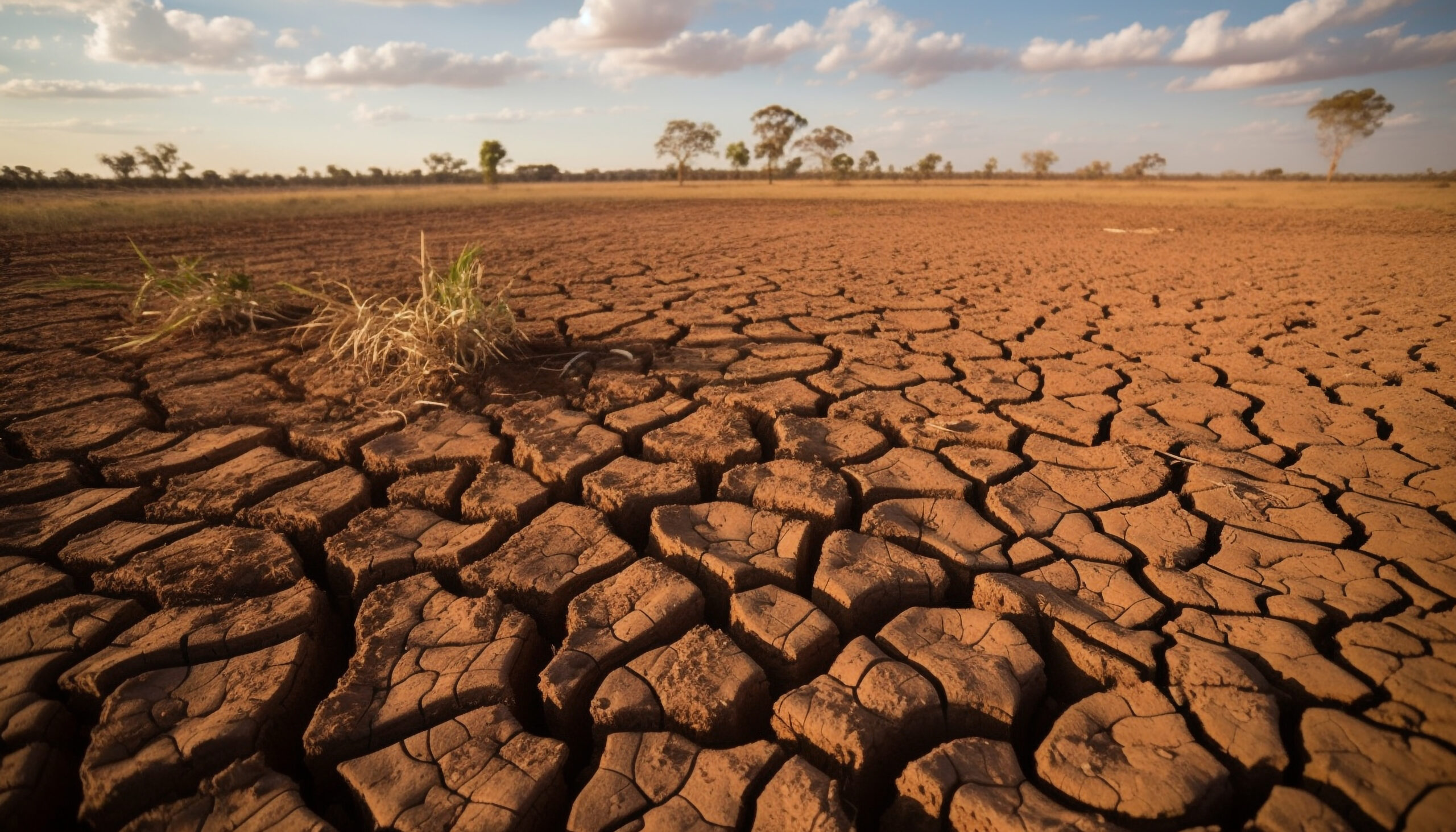

AI Crisis: The Technology That Could Transform Your Career
What happens when AI can complete part of your job in minutes?
Artificial intelligence is changing how people work.
Tasks that previously required hours of writing, research, reporting, or data processing can now be assisted by AI tools.
As companies adopt these technologies, employees may need to demonstrate new skills and different forms of value.
A 2025 report by the International Labour Organization estimated that approximately one in four jobs worldwide could be exposed to some degree of transformation through generative AI.
However, exposure does not mean that one in four workers will lose their jobs.
Many occupations are more likely to change than disappear entirely.
The solution is not to compete against AI
Workers can prepare by developing digital skills, learning how to use AI tools, and improving their ability to solve complex problems.
Creativity, communication, critical thinking, and human judgment remain important.
For traditional craftsmanship, technology can also support innovation.
Digital tools may help artisans explore designs, communicate product stories, and reach international customers.
Yet technology does not automatically replace the cultural meaning, physical experience, or skilled techniques behind handmade products.
The future may belong to people who combine human creativity with new technologies rather than treating them as competitors.

Five Ways to Prepare Before 2030
Understanding these four crises is important. Taking action is even more valuable.
Here are five practical steps that individuals and businesses can begin today.
1. Strengthen your financial foundation
Review income, expenses, and existing debt. Prioritize sustainable debt management and gradually develop emergency savings.
2. Develop more than one income opportunity
Explore additional skills, services, or small business ideas that can provide alternative sources of income. Test demand before making large investments.
3. Learn new skills before old ones become less valuable
Invest in digital literacy, AI tools, communication, and practical problem-solving. Continuous learning helps people adapt as workplaces evolve.
4. Choose quality and responsible production
Consumers can consider product durability and practical usefulness before purchasing. Producers can focus on efficient material use, waste reduction, and better design.
5. Build stronger communities and partnerships
Collaboration between designers, artisans, businesses, and local communities can support knowledge sharing, product innovation, and access to new markets.
The goal is not to predict every crisis perfectly. It is to build enough resilience to respond when circumstances change.

Sandals World: Why Thai Craftsmanship Matters in an Uncertain Future
The challenges facing Thailand raise an important question.
How can Thai businesses remain competitive while protecting craftsmanship, communities, and natural resources?
For Sandals World, the answer begins with the philosophy of Sustainable Thai Craft Sandals.
Sandals World is a creative hub connecting Thai handmade footwear brands, designers, and artisans through a shared commitment to craftsmanship, creativity, and responsible development.
A pair of sandals can represent more than everyday footwear.
Behind every pair of handmade sandals are design decisions, specialized techniques, material choices, and stories passed between generations.
Through Artistic Handmade Sandals, traditional artistry becomes part of contemporary fashion.
Meanwhile, Art & Craft Sandals reflects the relationship between creative design and skilled craftsmanship.
These approaches help Thailand sandals communicate their identity beyond price alone.
Craftsmanship as a source of economic resilience
Thailand’s creative economy has opportunities to develop distinctive products that international consumers can recognize and appreciate.
For example, traditional weaving, macramé, embroidery, and other handmade techniques can contribute to product differentiation.
However, craftsmanship must also evolve.
Better design, appropriate technology, and access to new markets can help artisans connect their skills with contemporary demand.
This is one reason Sandals World emphasizes collaboration with local communities and Thai craft partners.
The objective is not simply to preserve tradition as something from the past, but to create opportunities for traditional knowledge to remain economically relevant.
BIO EVA
SW GREEN: A Thoughtful Material Transition for the Future
Environmental challenges also encourage businesses to reconsider the materials they use.
Through the SW GREEN initiative, Sandals World is exploring and developing more responsible material choices as part of its long-term sustainability direction.
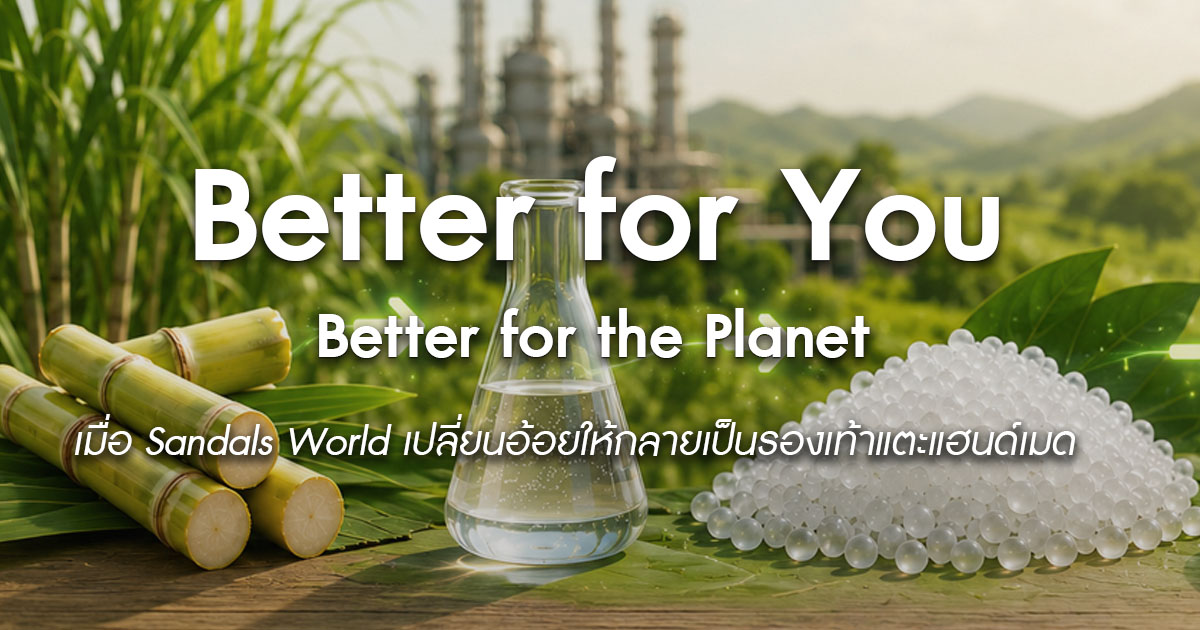
One important development is the introduction of BIO EVA SW GREEN, a bio-based EVA foam incorporating renewable feedstock derived from sugarcane.
The material has begun to be used in selected VPADA handmade sandals collections.
This represents a step in Sandals World’s material transition journey.
However, using bio-based EVA does not mean a product is automatically biodegradable, carbon neutral, or free from environmental impacts.
Environmental performance depends on factors including material composition, production methods, transportation, product lifespan, and end-of-life management.
Therefore, SW GREEN focuses on continuous improvement and evidence-based decisions rather than absolute environmental claims.
At the same time, Sandals World recognizes that sustainability extends beyond materials.
Supporting artisan skills, promoting responsible collaboration, and developing opportunities for local communities are also important parts of building a more resilient future.
A Better Material Choice, Not a Zero-Impact Promise.
This principle reflects the idea that meaningful progress begins with responsible decisions, even when no single solution is perfect.

The Future May Be Uncertain, but Preparation Can Begin Today
Thailand’s potential challenges between 2027 and 2030 reveal how closely economic security, demographic change, environmental pressures, and technology are connected.
No one can predict exactly how severe each challenge will become.
Nevertheless, individuals can strengthen financial resilience, workers can develop new skills, and businesses can improve their long-term competitiveness.
For Sandals World, preparing for the future also means valuing what makes Thai craftsmanship unique while remaining open to innovation.
By connecting handmade creativity, community knowledge, responsible materials, and sustainability, Sandals World aims to contribute to a future where Thai craft continues to develop and remain relevant.
The world may change faster than we expect. But every thoughtful decision we make today can help shape a more resilient tomorrow.
Sustainable Thai Craft Sandals — A Thoughtful Step Forward.
Sandals World | Handmade • Community • Local
Discover more about Thai craftsmanship and responsible material choices at Sandals World.

𝙎𝙖𝙣𝙙𝙖𝙡𝙨 𝙒𝙤𝙧𝙡𝙙 𝙞𝙨 𝙏𝙝𝙖𝙞𝙡𝙖𝙣𝙙’𝙨 𝙡𝙖𝙧𝙜𝙚𝙨𝙩 𝙝𝙪𝙗 𝙤𝙛 𝙖𝙧𝙩𝙞𝙨𝙩𝙞𝙘 𝙝𝙖𝙣𝙙𝙢𝙖𝙙𝙚 𝙨𝙖𝙣𝙙𝙖𝙡𝙨


ABOUT THE CONTENT CREATOR
BUNTHARIK INSIRI
(Content Writer)
Sandals World | Art & Craft Sandals | Sustainable Thai Craft Sandals Tags: handmade sandals, sandals world, foot health,
Thailand sandals, artistic handmade sandals, art & craft sandals, plantar fasciitis, bunion, sustainable sandals and BIO EVA ,SW GREEN

Thailand 2027–2030: Working Just as Hard, but Living a Harder Life? 4 Crises You Cannot Ignore
Views: 1 What if your salary stays the same, but everything around you becomes more [...]
Nov
Thailand May Pay More Than You Think as the World Gets Hotter
Views: 7 What if one day you had to pay more for electricity, spend more [...]
Nov

From Sugarcane to Sandals: BIO EVA & SW GREEN A New Chapter for Thai Craftsmanship
Views: 12 A Thoughtful Step Forward Because a Better Future Begins with the Materials We [...]
Oct
Climate Crisis 2026: Four Years Left to Act? How Global Warming, El Niño, and Extreme Weather Are Changing Our Future
Views: 20 What if food becomes more expensive, clean water becomes harder to access, and [...]
Oct

Halloween 2026 in Song Wat: Explore Bangkok’s Trendiest Old Town with VPADA’s Spooky Cute Pop-up!
Views: 17 Something spooky, something cute! Halloween is taking over Song Wat, and VPADA Bangkok [...]
Oct
Milala Handmade in Tainan: Every Step Becomes a Memory
Views: 14 Some journeys end when we return home, but the most meaningful memories often [...]
Oct

VPADA Handmade Sandals: Better Together, Sweeter Your Way! Discover Chang Journey’s New Color & Orchid Sandals
Views: 20 Who says handmade sandals have to be simple? Sometimes, the smallest details can [...]
Oct

Halloween in Chiang Mai: Too Many Beautiful Sandals to Choose From! Discover CMP Handmade Sandals
Views: 20 Spooky Season, Stylish Steps! What’s scarier than ghosts this Halloween? Finding so many [...]
Oct
SANDALS WORLD GUIDE

Artistic Handmade Sandals
BY
SANDALS WORLD THAILAND
The Largest Hub
of Artistic Handmade Sandals in Thailand.