

COMMUNITY, Knowledge & Insights, Sandals World News
Why is Biodiversity Essential for Our Planet?
Aug
Why is Biodiversity Essential for Our Planet?
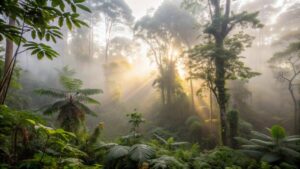
Biodiversity is the foundation that keeps our planet in balance. From the tiniest microorganisms in the soil to large mammals, every living being is part of an interconnected ecosystem. When biodiversity declines, the stability of this natural system is disrupted, and the consequences inevitably impact human life.
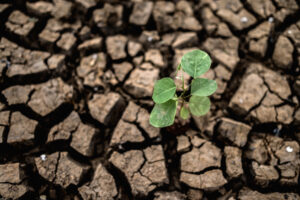
The Biodiversity Crisis: Statistics That Reflect a Global Emergency
Today, our planet is facing biodiversity loss at an alarming rate. According to the IPBES Global Assessment Report (2019), over 1 million species worldwide are at risk of extinction, marking the largest crisis since the rise of human civilization.
The WWF Living Planet Report (2022) further reveals that global populations of vertebrate species including mammals, birds, fish, and reptiles have declined by 69% between 1970 and 2018. The main drivers include deforestation, conversion of natural habitats into industrial agriculture, and pollution.
Key ecosystems essential for human survival are also being destroyed at an unprecedented pace:
-
35% of the world’s wetlands have been lost since 1970 (WHO, 2025).
-
Around 10 million hectares of forest are destroyed every year due to deforestation (FAO, 2020).
-
Our oceans are drowning in plastic, with over 8 million tonnes of plastic waste entering the seas annually (UNEP, 2021), directly threatening marine life and coral reefs.
These crises not only affect nature but also directly impact humanity leading to more severe natural disasters, freshwater scarcity, zoonotic disease outbreaks, and food insecurity.

Biodiversity: The Foundation of Life
Healthy ecosystems with high biodiversity function like a strong network. Every species plays a unique role predators control smaller populations, insects pollinate plants, and forests produce oxygen while absorbing carbon dioxide. If one part disappears, the entire chain weakens and risks collapse.
Forests: Nature’s Shield Against Climate Change
According to the World Health Organization (2025), native forests alone safeguard 80% of terrestrial biodiversity and absorb more than 2.6 billion tonnes of carbon dioxide annually. Forests are not only home to countless species but also act as the planet’s lungs, protecting us against global warming and climate change.

Wetlands: Nature’s Water Purifiers
Wetlands also play a vital role in filtering and purifying water. However, more than 35% of the world’s wetlands have been lost since 1970, leading to the disappearance of clean water sources and habitats for many species.
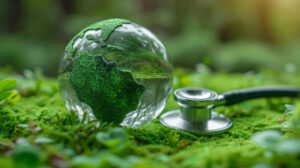
The Health of the Planet = The Health of Humanity
When ecosystems are rich in biodiversity, we benefit from clean air, safe water, and sustainable food supplies. But when biodiversity is destroyed, natural disasters, pollution, and climate issues become more severe. The health of our planet directly reflects the health of humankind.

Sandals World: Art and Sustainability in Every Step
Beyond global organizations, local communities and businesses are also finding ways to protect biodiversity through creativity. One inspiring example is Sandals World, a brand that turns handmade sandals into wearable art while caring for the planet.
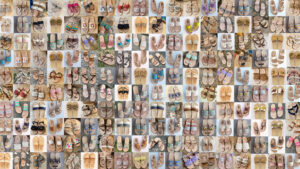
By using 100% natural rubber from sustainable sources, Sandals World reduces reliance on plastic-based materials. Each pair of Handmade Sandals is designed with unique artistic patterns inspired by nature and culture, proving that fashion can be both stylish and environmentally friendly.
Through this approach, Sandals World demonstrates that fashion and sustainability can walk hand in hand, creating products that not only look good but also do good for the Earth.
Conclusion
Biodiversity is what keeps our world strong and resilient. From forests that absorb carbon, to wetlands that purify water, to ecosystems that support human health, everything is interconnected. Organizations like creative businesses like Sandals World are driving forces that show us how to build a sustainable future.
Because protecting the Earth doesn’t always start with something big sometimes, it begins with the small steps we take every day.

ทำไม “ความหลากหลายทางชีวภาพ” จึงสำคัญต่อโลกของเรา
Biodiversity หรือ “ความหลากหลายทางชีวภาพ” คือหัวใจสำคัญที่ทำให้โลกยังคงดำรงอยู่ได้อย่างสมดุล ตั้งแต่สิ่งมีชีวิตเล็กที่สุดในดิน ไปจนถึงสัตว์เลี้ยงลูกด้วยนมขนาดใหญ่ ทุกชีวิตล้วนเชื่อมโยงกันเป็นห่วงโซ่ธรรมชาติ หากความหลากหลายเหล่านี้หายไป สมดุลของระบบนิเวศก็จะสั่นคลอน และผลกระทบก็ย้อนกลับมาสู่มนุษย์โดยตรง
ปัญหาความหลากหลายทางชีวภาพ: สถิติที่สะท้อนวิกฤตโลก
ปัจจุบันโลกของเรากำลังเผชิญกับการสูญเสียความหลากหลายทางชีวภาพในอัตราที่น่าตกใจ งานรายงานของ IPBES (2019) ระบุว่า สิ่งมีชีวิตกว่า 1 ล้านชนิดทั่วโลกกำลังเสี่ยงต่อการสูญพันธุ์ ซึ่งถือเป็นวิกฤตครั้งใหญ่ที่สุดตั้งแต่มนุษย์มีอารยธรรมมา
ข้อมูลจาก WWF Living Planet Report (2022) ยังเผยว่า ประชากรสัตว์มีกระดูกสันหลังทั่วโลก (รวมถึงสัตว์เลี้ยงลูกด้วยนม นก ปลา และสัตว์เลื้อยคลาน) ลดลงกว่า 69% ในช่วงปี 1970–2018 ปัจจัยหลักมาจากการตัดไม้ทำลายป่า การเปลี่ยนพื้นที่ธรรมชาติเป็นเกษตรอุตสาหกรรม และปัญหามลพิษ
ไม่เพียงเท่านั้น ระบบนิเวศที่มีความสำคัญต่อการดำรงชีวิตมนุษย์ก็กำลังถูกทำลายอย่างรวดเร็ว:
-
35% ของพื้นที่ชุ่มน้ำทั่วโลก สูญหายไปตั้งแต่ปี 1970 (WHO, 2025)
-
ประมาณ 10 ล้านเฮกตาร์ของป่าไม้ หายไปทุกปีจากการตัดไม้ทำลายป่า (FAO, 2020)
-
มหาสมุทรทั่วโลกกำลังเผชิญปัญหามลพิษพลาสติก โดยมี ขยะพลาสติกกว่า 8 ล้านตัน ไหลลงสู่ทะเลทุกปี (UNEP, 2021) ส่งผลโดยตรงต่อความอยู่รอดของสัตว์น้ำและแนวปะการัง
วิกฤตเหล่านี้ไม่เพียงส่งผลต่อธรรมชาติ แต่ยังสะท้อนกลับมายังมนุษย์อย่างชัดเจน เช่น ภัยพิบัติที่รุนแรงขึ้น ภาวะน้ำสะอาดขาดแคลน การระบาดของโรคจากสัตว์สู่คน (Zoonotic diseases) และปัญหาความมั่นคงทางอาหาร
ความหลากหลายทางชีวภาพคือรากฐานของชีวิต
ระบบนิเวศที่มีความหลากหลายสูงจะทำหน้าที่เหมือนโครงข่ายแข็งแรง ทุกสิ่งมีชีวิตมีหน้าที่เฉพาะของตน เช่น สัตว์นักล่าช่วยควบคุมจำนวนสัตว์เล็ก แมลงช่วยผสมเกสร พืชและป่าผลิตออกซิเจนและดูดซับก๊าซคาร์บอน หากส่วนใดส่วนหนึ่งหายไป ระบบทั้งหมดก็จะพังทลายได้ง่าย
ป่าไม้: เกราะป้องกันโลกร้อน
ข้อมูลจาก World Health Organization (2025) ชี้ว่า “เพียงแค่ป่าพื้นถิ่น” ก็สามารถเก็บรักษาความหลากหลายทางชีวภาพบนบกได้ถึง 80% และยังดูดซับก๊าซคาร์บอนไดออกไซด์กว่า 2.6 พันล้านตันต่อปี ป่าไม้จึงไม่ใช่แค่บ้านของสิ่งมีชีวิตนับไม่ถ้วน แต่ยังเป็นเสมือนปอดของโลก ที่ช่วยชะลอการเปลี่ยนแปลงสภาพภูมิอากาศ
พื้นที่ชุ่มน้ำ: เครื่องฟอกน้ำของธรรมชาติ
“พื้นที่ชุ่มน้ำ” เป็นอีกหนึ่งระบบนิเวศสำคัญ ทำหน้าที่กรองและทำให้น้ำสะอาด แต่กว่า 35% ของพื้นที่ชุ่มน้ำทั่วโลกสูญหายไปตั้งแต่ปี 1970 นั่นหมายถึงเรากำลังสูญเสียทั้งคุณภาพน้ำและถิ่นอาศัยของสัตว์นานาชนิดไปพร้อมกัน
สุขภาพของโลก = สุขภาพของเรา
เมื่อความหลากหลายทางชีวภาพยังคงอยู่ โลกก็จะมีอากาศบริสุทธิ์ น้ำสะอาด และอาหารเพียงพอสำหรับมนุษย์ แต่หากระบบนิเวศเสื่อมโทรม ภัยธรรมชาติ มลพิษ และปัญหาสภาพอากาศจะทวีความรุนแรงขึ้น สุขภาพของโลกจึงเป็นภาพสะท้อนโดยตรงต่อสุขภาพของเรา
Sandals World: ศิลปะที่ก้าวไปพร้อมความยั่งยืน
นอกจากองค์กรระดับโลกแล้ว ยังมีธุรกิจและชุมชนท้องถิ่นที่เลือกจะปกป้องโลกผ่านงานฝีมือ หนึ่งในนั้นคือ Sandals World ผู้สร้างสรรค์รองเท้าแตะแฮนด์เมดที่ไม่ใช่แค่แฟชั่น แต่ยังเป็นศิลปะที่เชื่อมโยงกับธรรมชาติ Sandals World ใช้วัสดุที่เป็นมิตรต่อสิ่งแวดล้อม เช่น ยางพาราธรรมชาติ 100% ซึ่งมาจากทรัพยากรหมุนเวียน ไม่สร้างขยะพลาสติกสะสม และยังสามารถดีไซน์ออกมาได้หลายรูปแบบ ตั้งแต่ลวดลายที่ได้แรงบันดาลใจจากธรรมชาติ ไปจนถึงงานศิลป์ร่วมสมัยที่ตอบโจทย์ผู้รักแฟชั่น การสร้างสรรค์รองเท้าแตะด้วยวัสดุธรรมชาติ คือการแสดงออกว่า แฟชั่นสามารถเดินไปพร้อมกับความยั่งยืน ได้อย่างแท้จริง
ความหลากหลายทางชีวภาพคือสิ่งที่ทำให้โลกยังคงแข็งแรง ระบบนิเวศที่อุดมสมบูรณ์ช่วยให้มนุษย์มีอากาศบริสุทธิ์ น้ำสะอาด และอาหารเพียงพอ องค์กรอย่าง Sandals World จึงเป็นแรงผลักดันสำคัญในการสร้างความยั่งยืน เพื่อให้โลกใบนี้ยังคงสวยงามสำหรับคนรุ่นต่อไป
เพราะ การรักษ์โลกไม่จำเป็นต้องเริ่มจากเรื่องใหญ่เสมอไป แต่สามารถเริ่มได้จากก้าวเล็ก ๆ ที่เราเลือกใส่ในทุกวัน
#Sandalsworld #รองเท้าartandcraft #รองเท้าแตะสานแฮนด์เมด #handmade #artandcraft #sandals #รองเท้าแฮนด์เมด #รองเท้าแตะใส่แล้วไม่ลื่น #รองเท้ายางพารา #ใส่ไปไหนก็ได้
บทความโดย
Art and craft sandals by Sandalsworld thailand.
https://sandalsworld.net/
(Sandals Handmade Thailand)
The Largest HubArtistic Handmade Sandals
BY
SANDALS WORLD THAILAND
of Artistic Handmade Sandals in Thailand.