

Brand Stories, Knowledge & Insights
What Are We Really Selling Water or the Feeling of Being Thai?
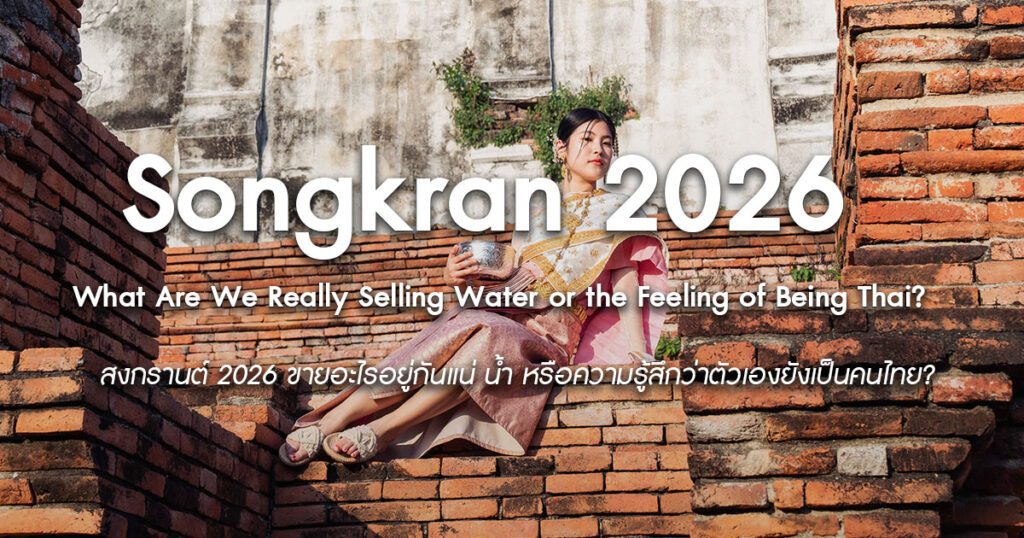
Apr
Songkran 2026: What Are We Really Selling Water or the Feeling of Being Thai? | When Culture Becomes a Product and Sandals World Redefines the Narrative
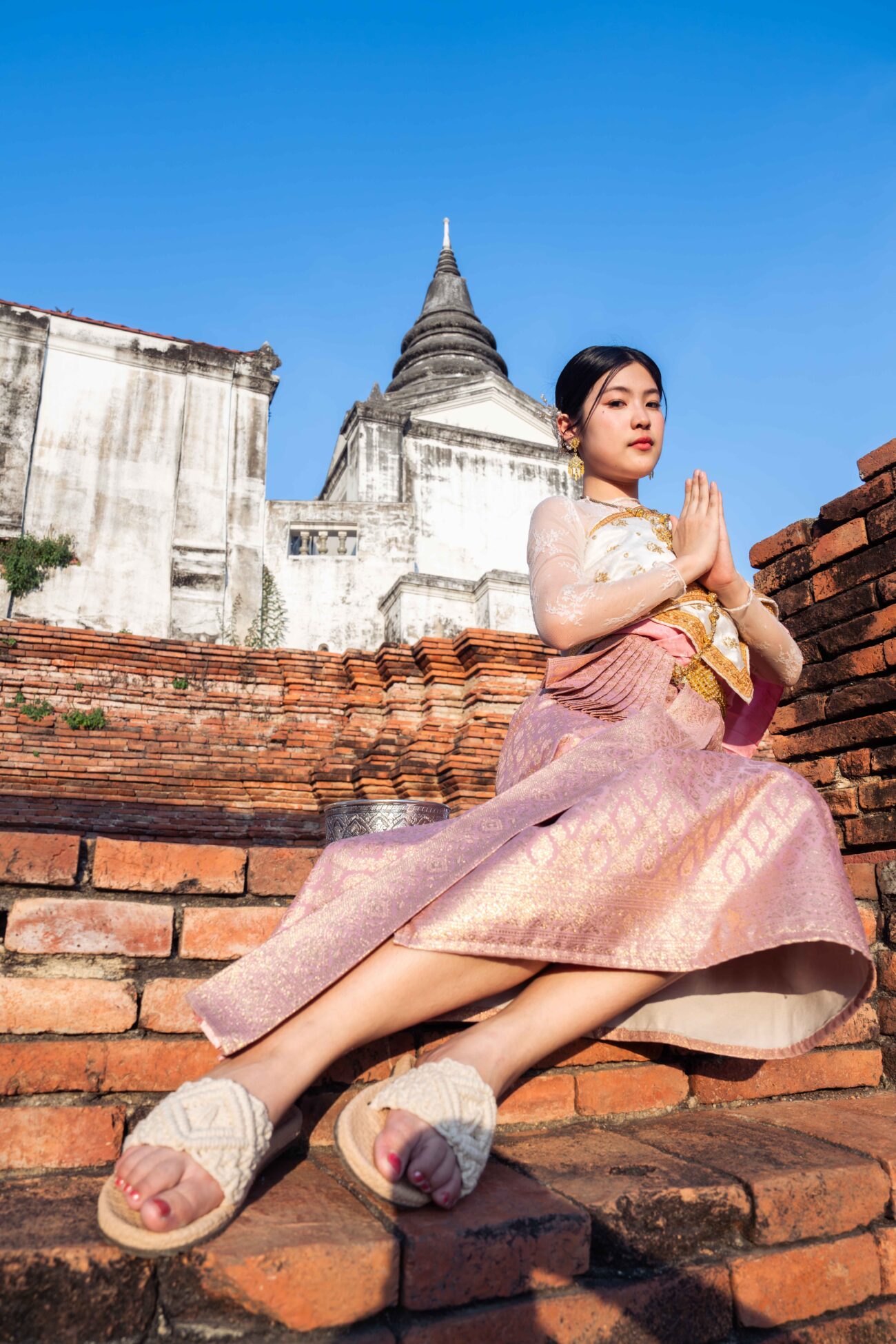
Songkran 2026: From Water Festival to Selling “Emotions”
Songkran 2026 no longer sells just water. Instead, it sells a feeling. More specifically,
it creates a sense of connection a feeling that we still belong to something cultural and meaningful.
In other words, even in a rapidly changing world, people still want to feel “Thai.” So, the real question is this: are we preserving culture,
or are we turning it into a more marketable product?
Songkran Economy in Numbers: Growth Beyond Celebration
First, let’s look at the numbers. Over 380,000 people joined Pattaya’s Wan Lai festival. At the same time,
more than 6.5 billion baht circulated within just three days. In addition, social media generated over 101 million engagements.
Clearly, these numbers show strong growth. However, they also raise a deeper question: what exactly drives this level of participation?
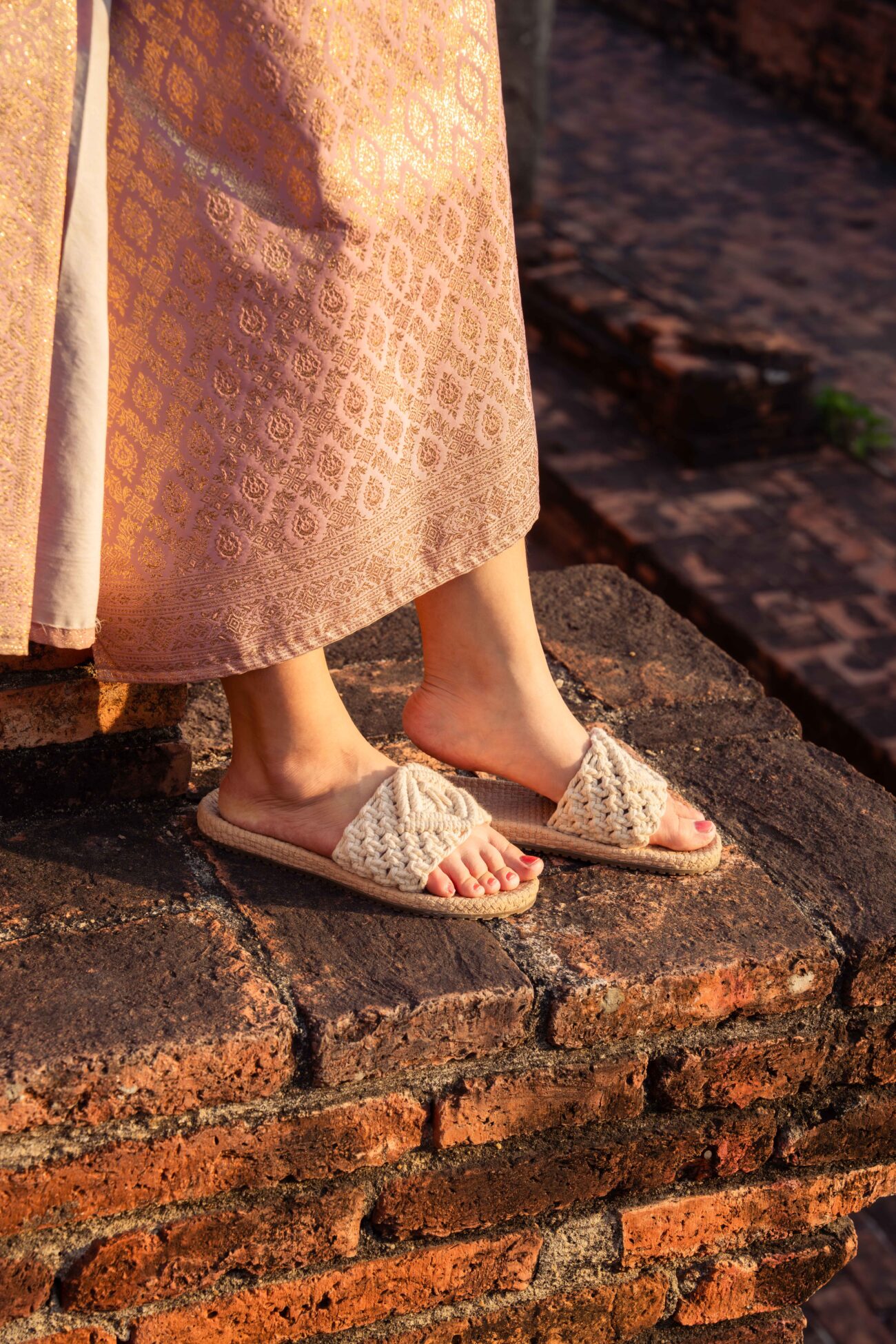
Cultural Rebranding: Transformation, Not Disappearance
To understand this shift, we need to look at meaning.
In the past, people practiced rituals like pouring water on elders’ hands.
Today, however, people attend large-scale festivals filled with music,
lights, and crowds. As a result, Songkran has moved from ritual to experience.
Nevertheless, culture has not disappeared. Instead, it has evolved and adapted to a new context.
Social Data Insight: “Water Play” Leads the Conversation
Moreover, social data confirms this trend.
The keyword “water play” generates more than 60.8 million engagements,
making it the most dominant topic. Meanwhile, traditional keywords barely appear.
Therefore, we can conclude that people still engage with Songkran, but they choose a version that fits their lifestyle better.
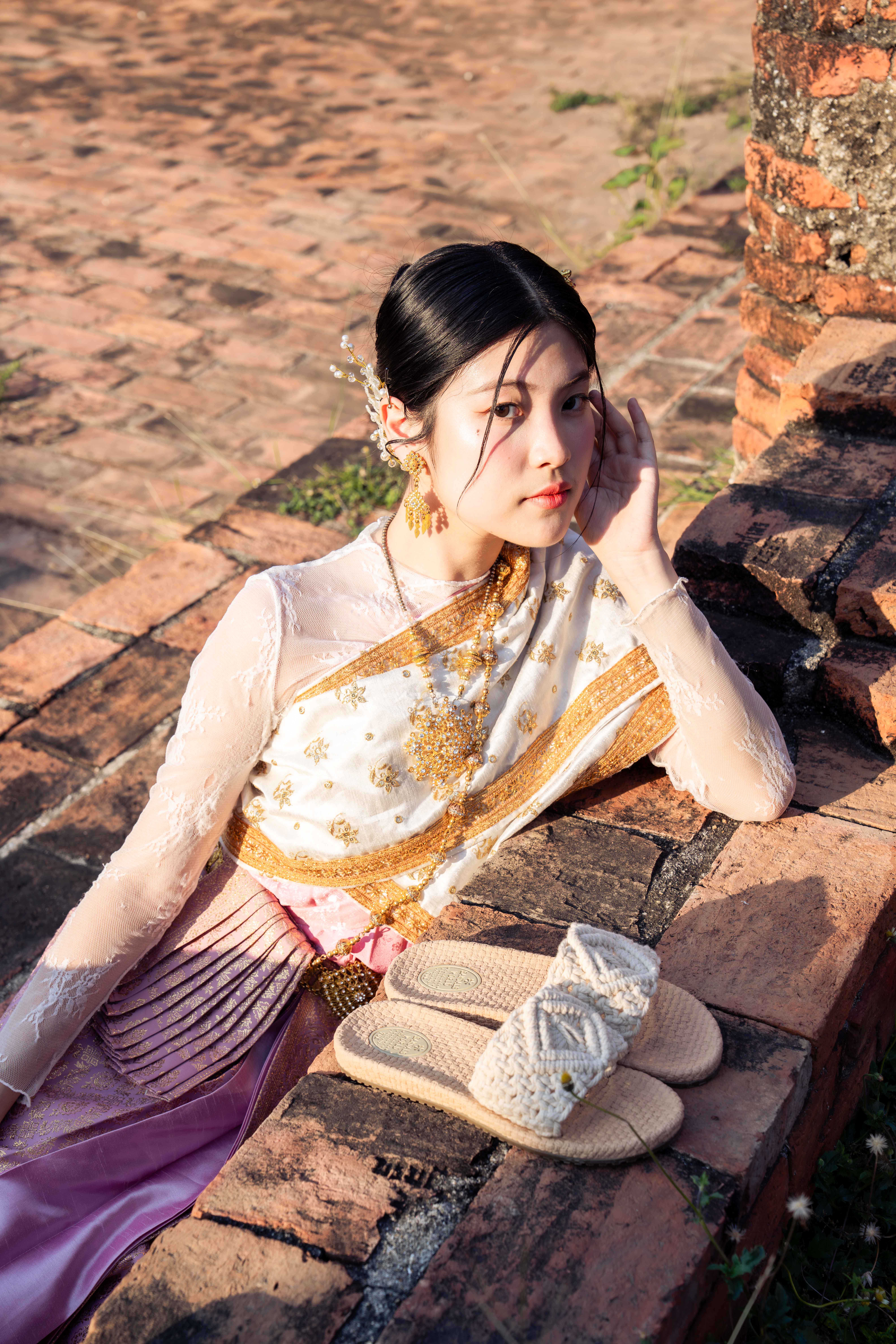
Festival Fashion: Songkran as a Platform for Identity
At the same time, Songkran has become more than an event.
It now acts as a platform for identity. People no longer ask where to go; instead, they ask what to wear.
Consequently, fashion plays a bigger role than ever.
Items like sandals have become essential because they complete the overall look and express personal style.
Thailand Sandals and the Rise of Handmade Sandals
In particular, Thailand sandals have changed significantly.
Previously, people viewed them as simple footwear. Now, however, they represent fashion and identity.
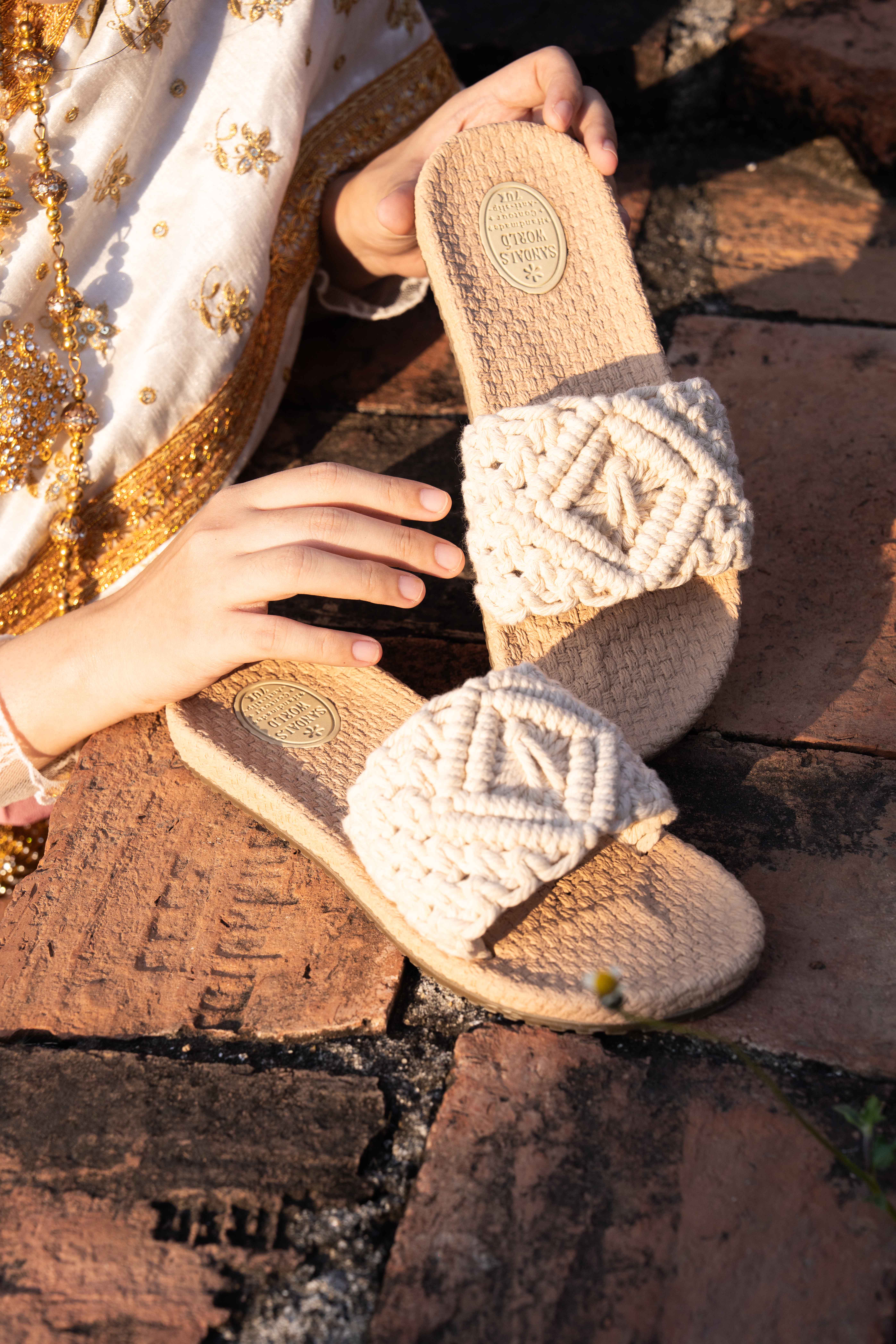
For example, handmade sandals, Artistic Handmade Sandals, and Art & Craft Sandals
combine craftsmanship with modern design. As a result, “handmade” no longer refers only to production
it now reflects uniqueness and storytelling.
Sandals World: From Product to Cultural Narrative
At this point, brands like Sandals World play a key role.
Instead of just selling sandals, the brand builds a cultural narrative. Specifically,
it connects Thailand sandals with modern aesthetics while promoting sustainability.
In addition, Sandals World highlights the value of handmade products, which resonate strongly with today’s consumers.
Sustainability and the Shift in Consumer Behavior
Furthermore, consumer behavior continues to change.
Today, people do not focus only on design or price. Instead,
they ask deeper questions: Where does this product come from? Who made it? Does it support sustainability? Because of this shift,
handmade sandals and Art & Craft Sandals attract more attention.
They offer both style and responsibility at the same time.
Songkran 2026: A Platform for the Creative Economy
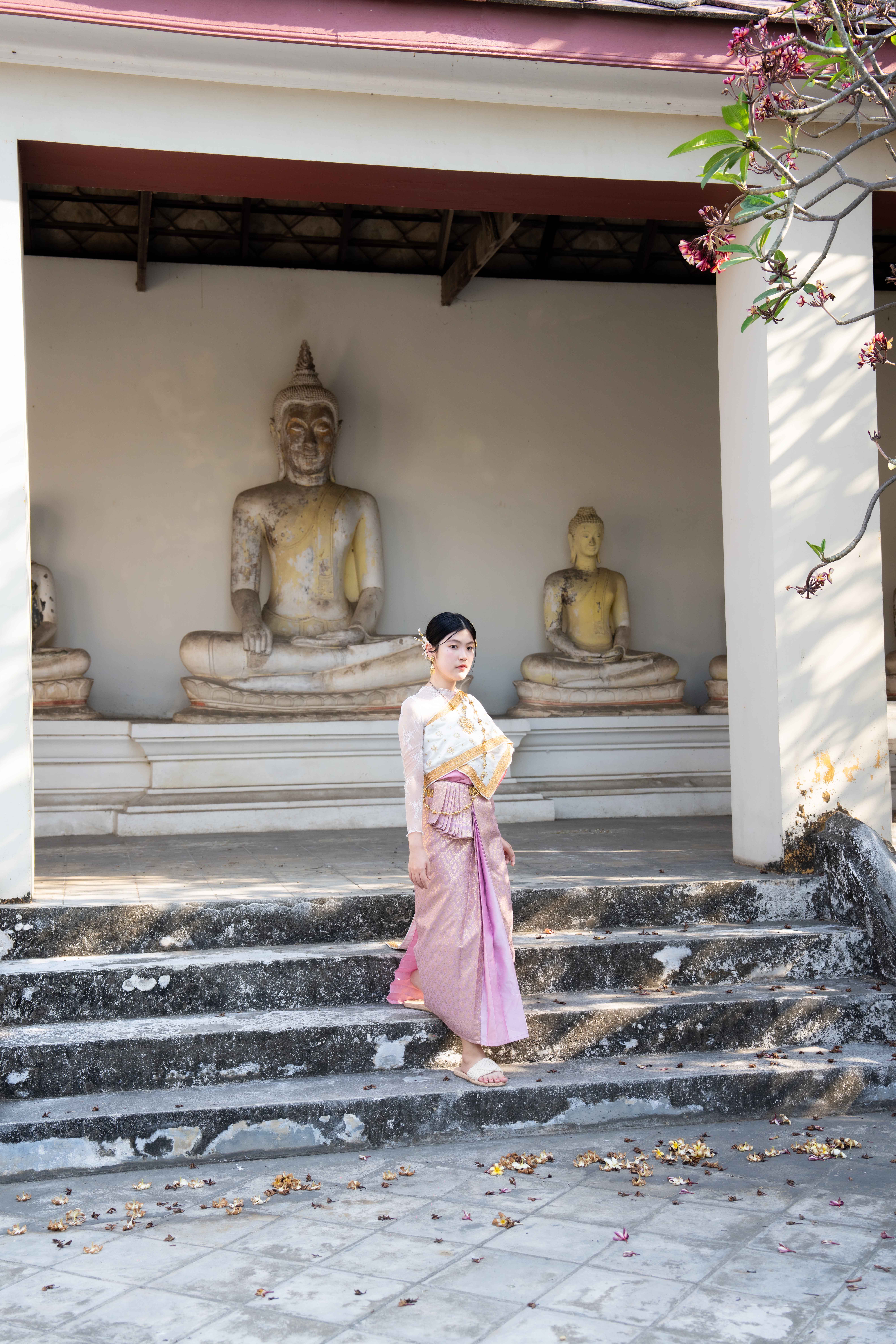
As a result, Songkran has become more than a festival. It now functions as a platform for the creative economy.
Here, culture, commerce, and creativity intersect.
Therefore, brands that understand this shift can grow faster. In particular, brands that combine handmade,
identity, and sustainability gain a strong advantage.
What Are We Really Buying?
Ultimately, Songkran does not just sell water.
Instead, it sells belonging, identity, and emotional connection.
Likewise, products like sandals and handmade sandals
no longer serve only functional purposes.
They represent who we are and what we believe in.
สงกรานต์ 2026 ขายอะไรอยู่กันแน่ น้ำ หรือความรู้สึกว่าตัวเองยังเป็นคนไทย? | เมื่อวัฒนธรรมกลายเป็นสินค้า และ Sandals World กำลังเล่าเรื่องใหม่
สงกรานต์ 2026: จากเทศกาลน้ำ สู่การขาย “ความรู้สึก”
สงกรานต์ 2026 ไม่ได้ขายแค่น้ำ แต่กำลังขาย “ความรู้สึก” ความรู้สึกว่าเรายังเป็นส่วนหนึ่งของวัฒนธรรมบางอย่าง
ความรู้สึกว่าเรายังเชื่อมโยงกับคำว่า “ความเป็นไทย” แม้โลกจะเปลี่ยนไปมากแค่ไหนก็ตาม คำถามคือ
สิ่งที่เกิดขึ้นตรงหน้านี่คือการรักษาวัฒนธรรม หรือมันคือการแปลงวัฒนธรรมให้กลายเป็นสินค้าในรูปแบบใหม่กันแน่
ตัวเลขเศรษฐกิจสงกรานต์ 2026: การเติบโตที่สะท้อนมากกว่าความสนุก
ลองมองผ่านตัวเลข ปีนี้มีผู้เข้าร่วมงานวันไหลพัทยากว่า 380,000 คน
เงินสะพัดมากกว่า 6,500 ล้านบาทในช่วงเวลาเพียง 3 วัน และบนโซเชียลมี engagement รวมสูงถึง 101 ล้านครั้ง
ตัวเลขเหล่านี้สะท้อนว่าสงกรานต์ไม่ได้เสื่อมความนิยม แต่กลับกลายเป็นเครื่องจักรเศรษฐกิจสำคัญของประเทศ
วัฒนธรรมไทยถูก “รีแบรนด์” หรือแค่เปลี่ยนรูปแบบ
สิ่งที่เปลี่ยนไปจริงๆ คือ “ความหมาย” จากเดิมที่สงกรานต์เป็นพิธีกรรม
เช่น การรดน้ำดำหัวผู้ใหญ่ กลายมาเป็น festival ที่เน้นประสบการณ์ ความสนุก
และการแชร์บนโซเชียล นี่ไม่ใช่การหายไปของวัฒนธรรม แต่เป็นการรีแบรนด์วัฒนธรรมให้เข้ากับยุคใหม่
Social Data บอกอะไร: คนไทยสนใจ “เล่นน้ำ” มากกว่าพิธีกรรม
ข้อมูล Social Listening ชี้ชัดว่า keyword “เล่นน้ำ” มี engagement สูงถึง 60.8 ล้านครั้ง
ในขณะที่คำเกี่ยวกับพิธีกรรมแบบดั้งเดิมแทบไม่ปรากฏ สิ่งนี้สะท้อนว่าคนไม่ได้ทิ้งสงกรานต์
แต่เลือกเวอร์ชันที่เข้ากับไลฟ์สไตล์ของตัวเอง
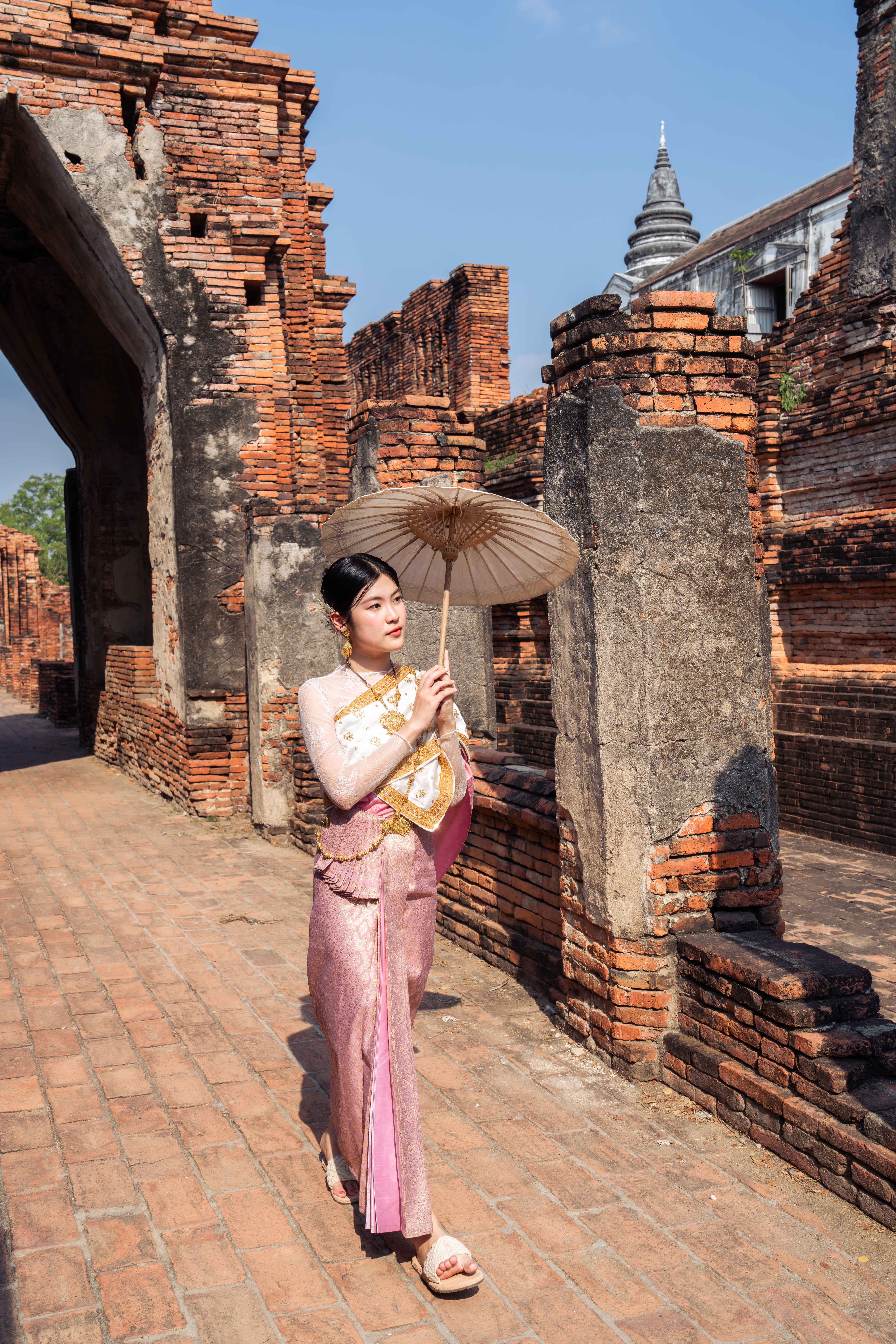
Festival Fashion: เมื่อสงกรานต์กลายเป็นพื้นที่ของตัวตน
สงกรานต์ไม่ได้เป็นแค่ event แต่กลายเป็นพื้นที่แสดงตัวตน
ผู้คนเริ่มให้ความสำคัญกับสิ่งที่สวมใส่ ตั้งแต่เสื้อผ้า เครื่องประดับ
ไปจนถึงรองเท้าอย่าง sandals ที่กลายเป็น key item ของลุคในเทศกาล
Thailand Sandals และการเติบโตของ Handmade Sandals ในยุคใหม่
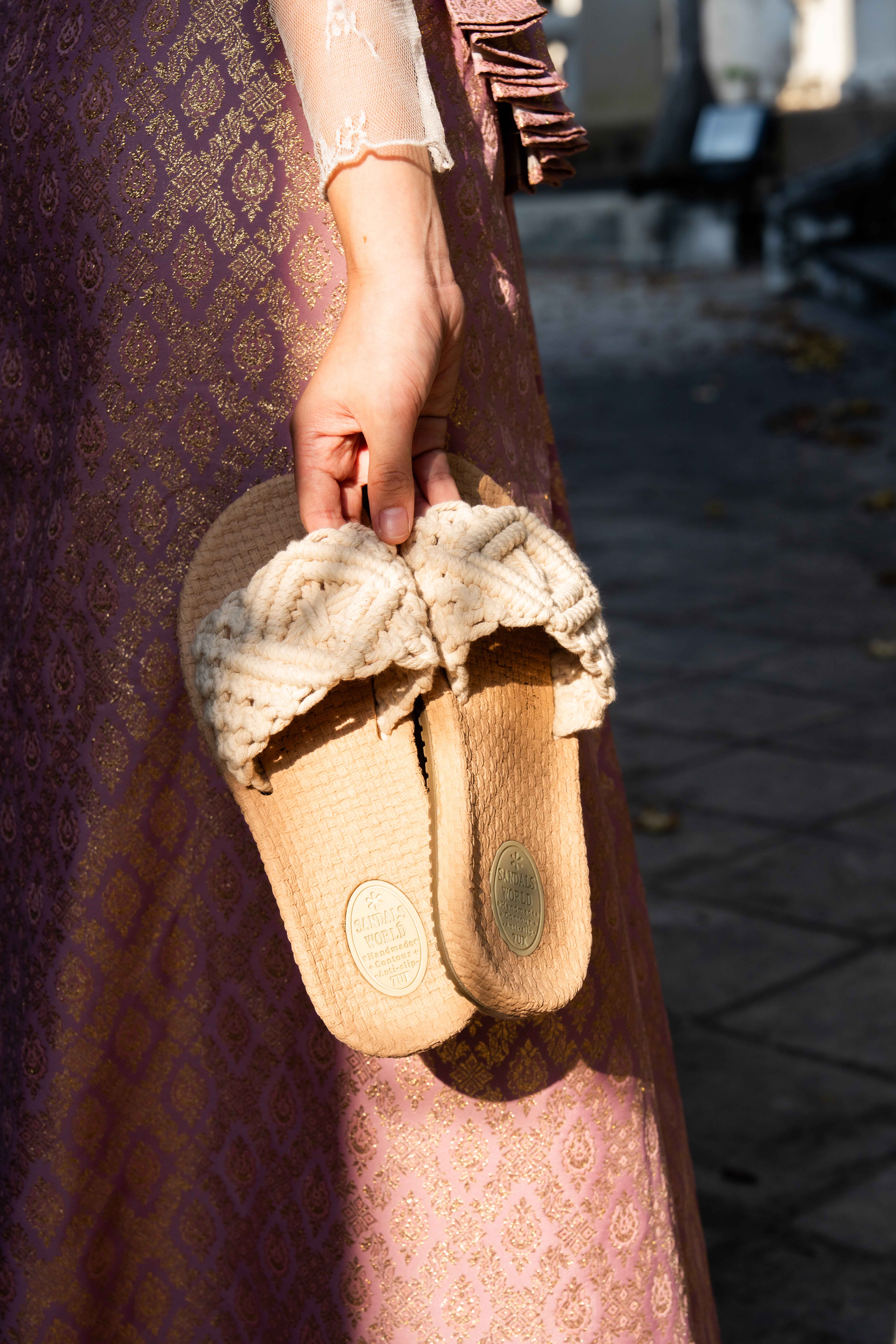
Thailand sandals กำลังถูกตีความใหม่ จากรองเท้าใส่สบาย
กลายเป็นแฟชั่นที่สะท้อนตัวตน โดยเฉพาะในกลุ่ม handmade sandals,
Artistic Handmade Sandals และ Art & Craft Sandals ที่ผสมผสานงานฝีมือเข้ากับดีไซน์ร่วมสมัย
ทำให้คำว่า handmade มีคุณค่ามากกว่าการผลิต แต่เป็นเรื่องของเอกลักษณ์และเรื่องราว
Sandals World: จากแบรนด์รองเท้า สู่ตัวแทนวัฒนธรรมร่วมสมัย
Sandals World ไม่ได้ขายแค่ sandals แต่กำลังเล่าเรื่องวัฒนธรรมในรูปแบบใหม่
ผ่าน Thailand sandals และ handmade sandals ที่สะท้อนความเป็นไทยในมุมมองร่วมสมัย
พร้อมเชื่อมโยงกับแนวคิด sustainability ที่ผู้บริโภคยุคใหม่ให้ความสำคัญ
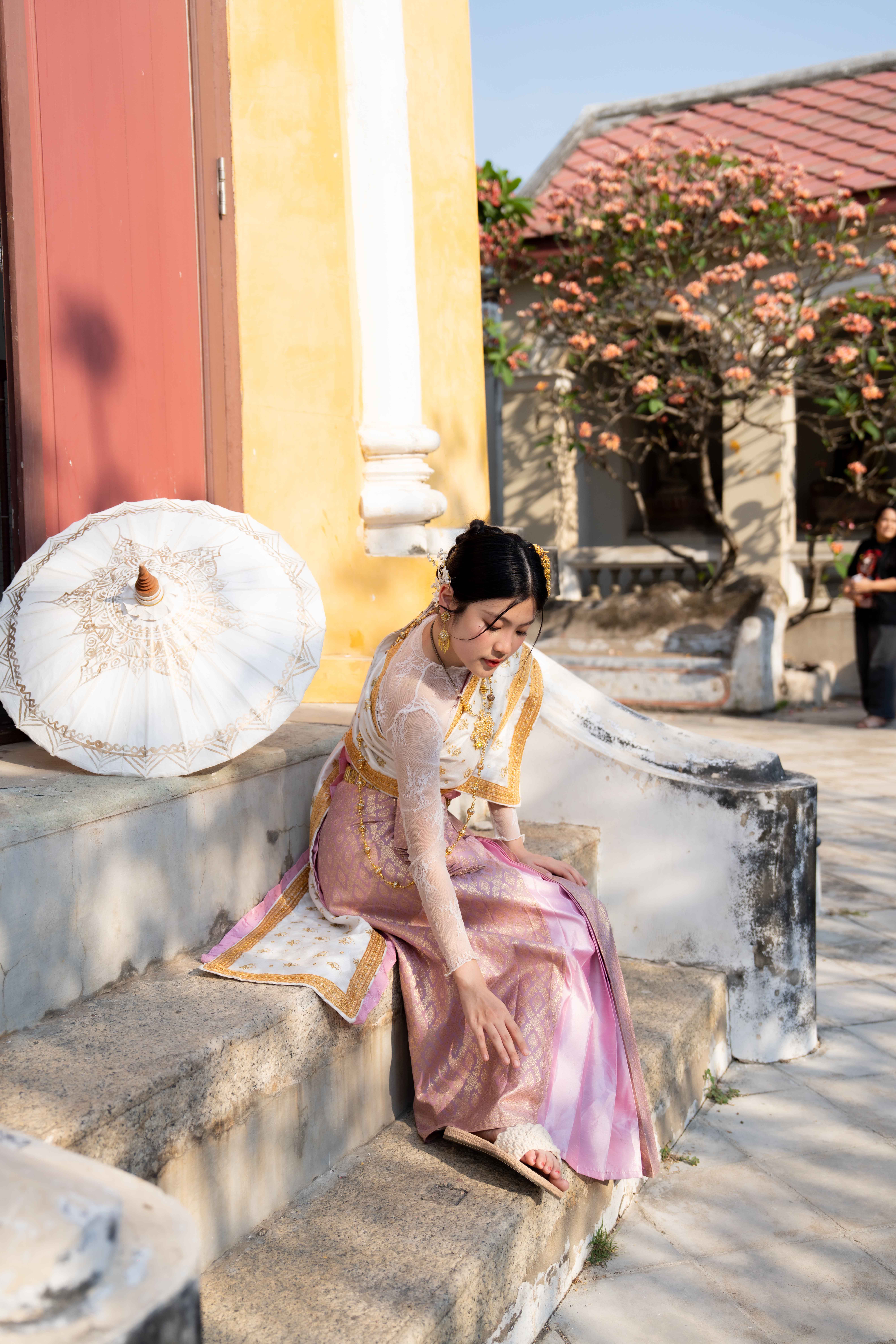
Sustainability และพฤติกรรมผู้บริโภคยุคใหม่
ผู้บริโภคในปัจจุบันไม่ได้เลือกซื้อสินค้าเพียงเพราะความสวย
แต่เริ่มให้ความสำคัญกับที่มาและผลกระทบต่อสิ่งแวดล้อม
ทำให้สินค้า handmade และ Art & Craft Sandals ได้รับความนิยมมากขึ้น
เพราะตอบโจทย์ทั้งด้านดีไซน์และความยั่งยืน
สงกรานต์ 2026: โอกาสของ Creative Economy และแบรนด์ไทย
สงกรานต์ในวันนี้คือ platform ขนาดใหญ่ของ creative economy
ที่รวม culture, commerce และ creativity เข้าด้วยกัน
แบรนด์ที่เข้าใจการเปลี่ยนแปลงนี้จะสามารถเติบโตได้ โดยเฉพาะแบรนด์ที่เชื่อมโยง
handmade, sustainability และ identity เข้าด้วยกัน
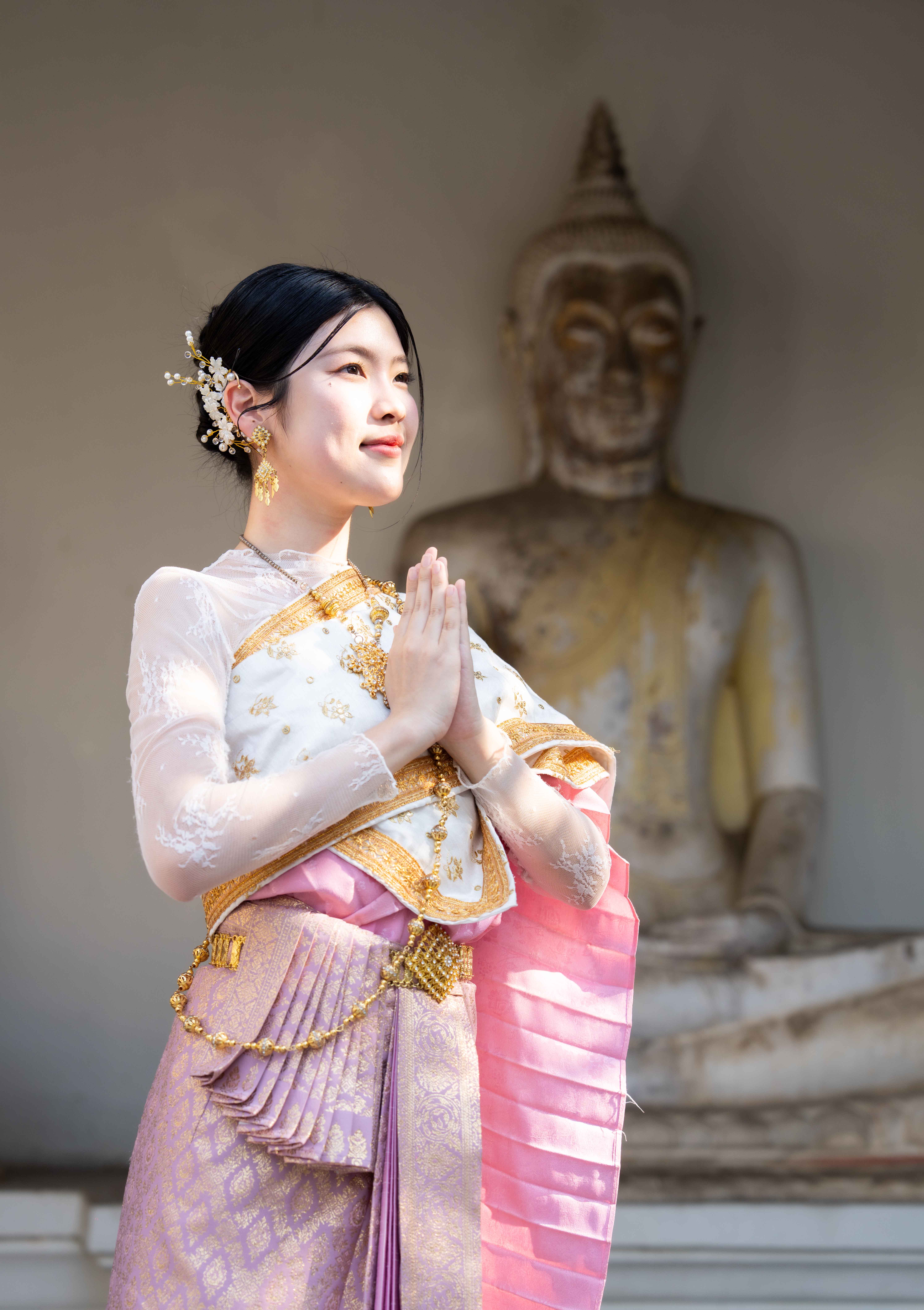
เรากำลังซื้ออะไรในสงกรานต์กันแน่
สุดท้ายแล้ว สงกรานต์อาจไม่ได้ขายแค่น้ำ แต่กำลังขายความรู้สึกของการเป็นส่วนหนึ่งของวัฒนธรรม
และสินค้าอย่าง sandals หรือ handmade sandals ก็กลายเป็นตัวแทนของตัวตนในยุคใหม่
คำถามสำคัญจึงยังคงอยู่ เรากำลังบริโภควัฒนธรรม
หรือเรากำลังสร้างวัฒนธรรมเวอร์ชันใหม่ขึ้นมาด้วยตัวเอง
#Sandalsworld #รองเท้าartandcraft #รองเท้าแตะสานแฮนด์เมด #artandcraftsandals #artistichandmadesandals#handmade #artandcraft #sandals #รองเท้าแฮนด์เมด #รองเท้าแตะใส่แล้วไม่ลื่น #รองเท้ายางพารา #ใส่ไปไหนก็ได้
บทความโดย
Art and craft sandals by Sandalsworld thailand.

ABOUT THE CONTENT CREATOR
BUNTHARIK INSIRI
(Content Writer)
The Largest HubArtistic Handmade Sandals
BY
SANDALS WORLD THAILAND
of Artistic Handmade Sandals in Thailand.