

COMMUNITY, Knowledge & Insights, Sandals World News
Can One Pair of Sandals Really Reduce Plastic Waste?

Jan
Can One Pair of Sandals Really Reduce Plastic Waste?

How Sandals Became a Quiet Player in Sustainable Fashion
Can a single pair of sandals really make a difference for the planet?
At first glance, it sounds too small to matter. But when we look at the real data behind the footwear industry, the story changes dramatically.
Today, footwear is one of the most mass-produced consumer goods in the world often made from plastic-based materials, designed for short-term use, and discarded quickly. In this context, choosing handmade sandals is not just a fashion preference; it is a behavioral shift aligned with sustainability.
This article explores the numbers behind global footwear waste and explains how thoughtfully designed sandals, especially Thailand sandals and Art & Craft Sandals, can help reduce plastic waste in practical, measurable ways.

The Scale of the Problem: Billions of Shoes Every Year
To understand the impact of one pair of sandals, we first need to zoom out.
According to global footwear industry data, the world produced approximately 22.4 billion pairs of shoes in 2023. Even though production declined slightly compared to previous years, this number remains extraordinarily high.
What does this mean?
-
Shoes are produced at a massive scale
-
Most are not designed for long-term use
-
Replacement cycles are short
-
Waste accumulates faster than recycling systems can manage
With Asia accounting for more than 87% of global footwear production, the environmental footprint of shoes is deeply tied to material use, manufacturing methods, and consumption habits.

Why Footwear Is So Hard to Recycle
Unlike single-material plastic products, shoes are complex. A typical pair of sandals or shoes may include:
-
Synthetic rubber
-
EVA or PU foam
-
Plastics
-
Fabrics
-
Adhesives and chemical bonding agents
This multi-material construction makes true recycling extremely difficult.
In Europe alone:
-
Around 1.2 million tons of footwear waste are generated annually
-
Approximately 80% is landfilled or incinerated
-
About 15% is reused
-
Only 5% is actually recycled
Even in regions with advanced waste-management systems, footwear recycling remains minimal.

Footwear Waste in the United States: A Telling Example
Data from the U.S. Environmental Protection Agency (EPA) provides further insight.
In the United States:
-
17 million tons of textile waste were generated in one year
-
Only 14.7% of textiles were recycled
-
For clothing and footwear combined, the recycling rate was approximately 13%
-
More than 11 million tons ended up in landfills
Shoes are a major contributor to this problem due to their size, weight, and material complexity.
Sandals as a Source of Microplastic Pollution
Plastic pollution is not limited to discarded products.
Recent research has shown that sandals soles release microplastic particles through everyday wear and friction. As people walk, tiny particles are shed from synthetic soles and dispersed into the environment via dust, water runoff, and air.
This means that:
-
Even “in-use” footwear contributes to pollution
-
The durability and material quality of sandals matter
-
Shoes designed to last longer generate fewer particles over time
Reducing how often we replace shoes directly reduces both waste and microplastic generation.

So, Can One Pair of Sandals Reduce Plastic Waste?
The answer is yes—but not by itself.
The real impact comes from what that pair of sandals replaces.
If one well-made pair of sandals:
-
Lasts twice as long
-
Prevents the purchase of multiple cheap replacements
-
Is repaired instead of discarded
Then it reduces:
-
Material extraction
-
Manufacturing emissions
-
Transportation impact
-
Waste sent to landfills
This is where handmade sandals stand out.

Why Handmade Sandals Support Sustainability More Effectively
The word handmade does not automatically mean sustainable but in practice, handmade footwear often aligns naturally with sustainability principles.
1 Designed for Longevity
Unlike mass-produced fast-fashion footwear, many handmade sandals are:
-
Built with stronger stitching
-
Designed for repair
-
Constructed using durable materials
A sandal that lasts several years instead of several months significantly reduces waste.
2 Smaller Production, Less Overproduction
Handmade sandals are usually produced in small batches.
This means:
-
Less excess inventory
-
Fewer unsold products discarded
-
Lower resource waste overall
Overproduction is one of the biggest drivers of fashion-related waste.
3 Transparency in Materials and Process
Many Thailand sandals brands emphasize:
-
Local materials
-
Ethical labor
-
Traditional craftsmanship
This transparency allows consumers to make informed decisions aligned with sustainability.

Sandals as Wearable Art: Why Design Matters
One overlooked factor in sustainable fashion is emotional durability.
People keep items longer when they feel meaningful.
Art & Craft Sandals and Artistic Handmade Sandals are often:
-
Designed with cultural references
-
Inspired by nature or local identity
-
Crafted by skilled artisans
These sandals are not treated as disposable items—they are valued, worn repeatedly, and cared for.
When fashion becomes personal, consumption naturally slows down.
The Role of Sandals World in Conscious Consumption
Platforms like sandals world help bridge the gap between artisans and conscious consumers by:
-
Curating handmade sandals with strong identity
-
Communicating sustainability stories clearly
-
Making ethical choices more accessible
For many people, sustainability is not about perfection it’s about making better choices easier.
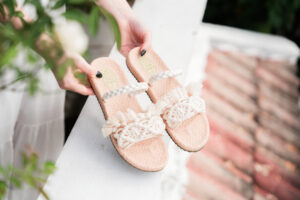
Thailand Sandals on the Global Stage
Thailand sandals are gaining international recognition due to:
-
Exceptional craftsmanship
-
Cultural authenticity
-
Ethical production values
-
A balance of design and comfort
As global consumers become more mindful, handmade footwear from Thailand fits naturally into the movement toward slow fashion and sustainability.
Small Choices, Real Impact
Can one pair of sandals save the planet?
No.
But can one pair of handmade sandals reduce waste, slow consumption, and support a more responsible fashion system?
Absolutely.
With:
-
Over 22 billion pairs of shoes produced each year
-
Extremely low recycling rates
-
Growing concerns about plastic and microplastic pollution
The most effective solution is not recycling alone but buying less and using longer.
Choosing thoughtfully made sandals, especially handmade sandals from ethical sources like Thailand sandals and Art & Craft Sandals, is one of the simplest ways to participate in sustainability starting right at your feet.

รองเท้าแตะ 1 คู่ ลดขยะพลาสติกได้จริงไหม?
เปิดตัวเลข “อุตสาหกรรมรองเท้า” แล้วคุณจะมอง sandals ไม่เหมือนเดิม
รองเท้าแตะ 1 คู่ จะช่วยลดขยะพลาสติกได้จริงไหม?
คำถามนี้ดีมาก เพราะถ้าเราตอบแบบความรู้สึกอย่างเดียว มันจะกลายเป็นแค่ “คำสวย ๆ” ในโลกแฟชั่น แต่ถ้าดูจากข้อมูลจริง เราจะเห็นภาพชัดขึ้นว่า “รองเท้า” เป็นหนึ่งในของใช้ที่สร้างขยะและมลพิษมากกว่าที่คิด—และการเลือก sandals แบบที่ใช้นาน/ซ่อมได้/ผลิตอย่างรับผิดชอบ สามารถลด “ขยะจากการซื้อซ้ำ” ได้จริง
บทความนี้จะพาคุณดูทั้ง ตัวเลขล่าสุด และแปลให้เป็นภาษาคนอ่านง่าย ว่าทำไม handmade sandals (โดยเฉพาะกลุ่ม Thailand sandals และงานคราฟต์อย่าง Art & Craft Sandals / Artistic Handmade Sandals) จึงมีบทบาทกับแนวคิด sustainability แบบจับต้องได้
สเกลของปัญหา: โลกผลิตรองเท้า “เป็นหมื่นล้านคู่” ต่อปี
ก่อนจะพูดถึง “รองเท้าแตะ 1 คู่” เราต้องเห็นภาพรวมของอุตสาหกรรมก่อน
-
ปี 2023 โลกผลิตรองเท้ารวมประมาณ 22.4 พันล้านคู่ (22.4 billion pairs) แม้ตัวเลขนี้ลดลงราว 6% จากปีก่อน แต่ยังถือว่าอยู่ในระดับ “มหาศาล” และเป็นหนึ่งในระดับสูงของทศวรรษล่าสุด
-
ในภาพรวม เอเชียเป็นฐานการผลิตหลัก โดยสัดส่วนการผลิตอยู่ที่ประมาณ 87.1% ของโลก (จากข้อมูลชุดเดียวกันของ Yearbook)
แปลเป็นภาษาง่าย ๆ คือ:
ต่อให้ทุกคน “ทิ้งแค่คนละนิด” เมื่อคูณกับจำนวนรองเท้าที่ผลิตและบริโภค มันจะกลายเป็นปัญหาระดับโลกทันที
ปลายทางของรองเท้าหลังหมดอายุ: ทำไมรองเท้าถึง “รีไซเคิลยาก”
รองเท้าสมัยใหม่จำนวนมากประกอบด้วยวัสดุผสมหลายชนิด (กาว โฟม ยาง ผ้า หนัง พลาสติก ฯลฯ) ทำให้ แยกชิ้นส่วนยาก และ “รีไซเคิลจริง” ทำได้จำกัด นี่คือเหตุผลที่แนวคิด circular footwear (รองเท้าวนกลับมาใช้ใหม่) ยังเดินยากในระบบจริง
ตัวเลขที่เห็นภาพชัด (ยุโรป)
ในยุโรปมีการประเมินว่า
-
มีรองเท้าที่ถูกทิ้งราว 1.2 ล้านตัน/ปี
-
จากนั้น ประมาณ 80% ถูกฝังกลบหรือเผา, 15% ถูกนำไปใช้ซ้ำ, และ รีไซเคิลจริงเพียง ~5%
ตัวเลขนี้สะท้อน 2 เรื่องพร้อมกัน:
-
ขยะรองเท้า “หนัก” และเยอะจริงในเชิงมวล
-
ต่อให้สังคมมีระบบจัดการขยะดีอย่างยุโรป “การรีไซเคิลรองเท้า” ก็ยังทำได้ต่ำมากเมื่อเทียบกับปริมาณที่ทิ้ง

แล้ว “สหรัฐฯ” ล่ะ? ขยะสิ่งทอรวม (รวมเสื้อผ้า+รองเท้า) ไปลงหลุมฝังกลบเท่าไร
ถ้าเรามองผ่านข้อมูลภาครัฐ จะเห็นภาพปลายทางของสิ่งทอรวมถึงรองเท้าได้ดี
ข้อมูลของ US EPA (หน้าอัปเดตล่าสุดปลายปี 2025) ระบุว่า
-
ปี 2018 สหรัฐฯ มีการเกิดสิ่งทอในขยะมูลฝอยรวม 17 ล้านตัน
-
มีการรีไซเคิลสิ่งทอรวม 14.7%
-
และสำหรับหมวด เสื้อผ้าและรองเท้า (clothing and footwear) EPA ประเมินอัตรารีไซเคิลราว 13%
-
สิ่งทอที่ถูกฝังกลบอยู่ที่ 11.3 ล้านตัน ในปีเดียวกัน
แม้นี่ไม่ใช่ “รองเท้าอย่างเดียว” แต่ช่วยยืนยันว่าในโลกจริง “ของใช้ประเภทสิ่งทอ/รองเท้า” ส่วนใหญ่ยังจบที่ฝังกลบ และอัตรารีไซเคิลโดยรวมยังต่ำ
รองเท้าไม่ได้เป็นแค่ขยะชิ้นใหญ่: มันยังกลายเป็น “ไมโครพลาสติก” ได้
หลายคนคิดถึงไมโครพลาสติกจากหลอด จากถุง หรือจากเสื้อผ้าโพลีเอสเตอร์ แต่ พื้นรองเท้า (outsole) ก็เป็นแหล่งกำเนิดอนุภาคขนาดเล็กจากการเสียดสี ได้เช่นกัน
งานวิจัยปี 2025 ในวารสาร Microplastics (MDPI) ศึกษาการสึกของพื้นรองเท้าจากการเดิน/วิ่ง และชี้ว่า
-
น้ำหนักรองเท้าลดลงตามระยะทาง (แปลว่าเกิดการสึกจริง)
-
และผลการทดลองสนับสนุนว่าเศษจากพื้นรองเท้าสามารถเป็นอนุภาคขนาดไมโครพลาสติก และมีโอกาสเคลื่อนย้ายไปสู่สิ่งแวดล้อม (เช่น ผ่านลม/ฝน)
สรุปง่าย ๆ: ต่อให้เรา “ไม่ทิ้งรองเท้าทันที” การใช้งานก็ยังมีผลด้านอนุภาคจากการสึก ดังนั้น การเลือกวัสดุที่ทนทาน ใส่ได้นาน และไม่ต้องซื้อใหม่บ่อย จึงสำคัญมาก เพราะมันลดทั้งการผลิตใหม่และลดของเสียสะสมโดยรวม

กลับมาที่คำถามหลัก: รองเท้าแตะ 1 คู่ “ลดขยะพลาสติกได้จริงไหม?”
คำตอบคือ ได้จริงในเชิงพฤติกรรมและระบบ โดยเฉพาะถ้ารองเท้าคู่นั้นทำให้คุณ “ซื้อซ้ำน้อยลง” และ “ใช้ได้นานขึ้น”
ลองคิดแบบนี้:
-
โลกผลิตรองเท้าปีละ 22.4 พันล้านคู่
-
ในยุโรป รีไซเคิลรองเท้าจริงได้ประมาณ 5%
-
สิ่งทอรวม (รวมเสื้อผ้า+รองเท้า) ในสหรัฐฯ กลุ่ม clothing & footwear มีอัตรารีไซเคิลราว 13%
เมื่อ “รีไซเคิลปลายทางยังต่ำ” ทางที่ทำได้จริงที่สุดคือ ลดการเกิดขยะตั้งแต่ต้นทาง (ลดการซื้อที่ทำให้ทิ้งเร็ว)
แล้วรองเท้าแตะแบบไหนที่ช่วย “ลดการซื้อซ้ำ” ได้?
นี่คือจุดที่ handmade sandals และรองเท้ากลุ่มคราฟต์เข้ามามีบทบาท
ทำไม handmade sandals ถึงมีแนวโน้มช่วยลดขยะได้มากกว่า
คำว่า handmade ไม่ได้แปลว่า “ทำด้วยมือแล้วรักษ์โลกอัตโนมัติ” แต่ในทางปฏิบัติ งาน handmade sandals มักมีลักษณะที่เอื้อต่อ sustainability มากกว่า เช่น
6.1 ใส่ได้นานกว่า = ทิ้งช้าลง
รองเท้าผลิตจำนวนมากแบบราคาถูก มักถูกออกแบบให้เปลี่ยนเร็ว (เพราะวัสดุ/กาว/โฟมเสื่อมไว)
แต่รองเท้าคราฟต์จำนวนมากถูกออกแบบให้ “ทน” และ “ซ่อมได้” (เช่น เปลี่ยนพื้น/ซ่อมสาย/ปรับความกระชับ)
เมื่อรองเท้า 1 คู่ทำให้คุณไม่ต้องซื้อเพิ่มอีก 1–2 คู่ในปีนั้น นั่นคือ “ขยะที่ไม่เกิดขึ้น” ซึ่งเป็นผลลัพธ์ที่ชัดมากในชีวิตจริง
6.2 วัสดุและงานประกอบมักมีความโปร่งใสกว่า
แบรนด์กลุ่ม Thailand sandals ที่ทำเชิงคราฟต์มักเล่าเรื่องวัสดุ แหล่งผลิต และช่างผู้ทำได้ชัดเจนกว่า
ผู้ซื้อจึงตัดสินใจได้ว่า “คู่นี้ตอบโจทย์ sustainability ของเราแค่ไหน”
6.3 คุณค่าทางศิลปะทำให้เรา “อยากใช้ซ้ำ”
นี่คือข้อที่คนมักมองข้าม:
รองเท้าที่เป็น Art & Craft Sandals หรือ Artistic Handmade Sandals มักมีดีไซน์/เรื่องราว/ความประณีต ทำให้ผู้ใช้ “ผูกพัน” และอยากดูแลต่อ
รองเท้าที่เราอยากใส่ซ้ำ = โอกาสถูกทิ้งไว้น้อยลง
และนั่นสอดคล้องกับหลักการใหญ่ของ circular economy ในแฟชั่นที่เน้น “ใช้ให้นาน ใช้ให้คุ้ม”
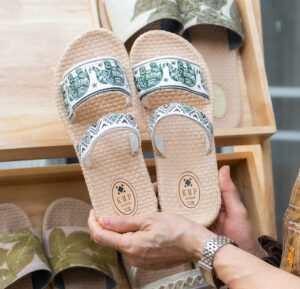
บทบาทของ sandals world: ทำให้การเลือกของคนทั่วไป “ง่ายขึ้น”
ในโลกจริง คนไม่ได้มีเวลานั่งตรวจซัพพลายเชนทุกขั้น แพลตฟอร์มหรือคอมมูนิตี้อย่าง sandals world (ในฐานะพื้นที่รวมแบรนด์/ช่าง/แนวคิด) สามารถช่วยลด “แรงเสียดทาน” ของคนซื้อได้ เช่น
-
คัดสไตล์และงานฝีมือที่ชัดเจน
-
เล่าเรื่องวัสดุและกระบวนการ
-
ชูแนวคิด sustainability แบบเข้าใจง่าย
-
ทำให้คนเข้าถึง handmade sandals ได้มากขึ้น ไม่ใช่เรื่องไกลตัว
รองเท้าแตะ 1 คู่ช่วยได้จริง ถ้ามันทำให้ “การทิ้ง” ลดลง
ถ้าเราดูจากข้อมูลล่าสุด เราจะเห็นว่า:
-
โลกผลิตรองเท้า “ระดับหมื่นล้านคู่/ปี”
-
รีไซเคิลรองเท้ายังทำได้ต่ำมาก (ตัวอย่างยุโรป ~5%)
-
ขยะสิ่งทอรวม (รวมรองเท้า) ยังลงหลุมฝังกลบจำนวนมาก และอัตรารีไซเคิลของ clothing & footwear ในสหรัฐฯ อยู่ราว 13%
-
และพื้นรองเท้ายังเป็นแหล่งอนุภาคจากการสึกที่เข้าข่ายไมโครพลาสติกได้
ดังนั้น “ทางชนะ” ที่ทำได้จริงคือ ซื้อให้น้อยลง แต่ใช้ให้นานขึ้น
และนี่คือเหตุผลที่ sandals ที่เป็น handmade sandals โดยเฉพาะแนว Thailand sandals ในกลุ่ม Art & Craft Sandals / Artistic Handmade Sandals จึงเป็นคำตอบที่ practical มากสำหรับคนที่อยากเริ่ม sustainability แบบไม่ฝืนชีวิต

#Sandalsworld #รองเท้าartandcraft #รองเท้าแตะสานแฮนด์เมด #artandcraftsandals #artistichandmadesandals #handmade #artandcraft #sandals #รองเท้าแฮนด์เมด #รองเท้าแตะใส่แล้วไม่ลื่น #รองเท้ายางพารา #ใส่ไปไหนก็ได้
บทความโดย
Art and craft sandals by Sandalsworld

ABOUT THE CONTENT CREATOR
BUNTHARIK INSIRI
(Content Writer)
The Largest HubArtistic Handmade Sandals
BY
SANDALS WORLD THAILAND
of Artistic Handmade Sandals in Thailand.