

Sandals knowledge, Sandals world with brand and product story telling
When Thai Handwoven Fabrics Seem Unsold

Jan
When Thai Handwoven Fabrics Seem Unsold
Yet Generate Massive Community Income and Become the Foundation of Handmade Sandals by Sandals World

.Image credit by :vpada sandal
If you have ever visited a Thai handicraft fair, OTOP market, or craft exhibition, you may have noticed something curious.
People walk around slowly, take photos, admire the patterns — but very few appear to actually buy anything.
This feeling is especially common around booths selling handwoven textiles, naturally dyed fabrics, and handmade craft products from rural communities. Compared to mass-produced fashion items, these booths often look quiet.
Yet behind this calm surface lies a powerful truth:
Thai handicrafts particularly textiles generate significant economic value and continue to grow year after year. More importantly, they have become the foundation for contemporary lifestyle brands such as Sandals World, transforming traditional craftsmanship into modern handmade sandals for global audiences.
This article explores why Thai handicrafts thrive despite appearing “slow-selling,” why 2026 marks a turning point for handmade and sustainable products, and how Thailand sandals rooted in craftsmanship are shaping the future of conscious fashion.
Thai Handicrafts Are Not Designed for Walk-In Buyers
One of the most common misconceptions about handicraft markets is measuring success by how many shopping bags people carry out of the venue.
In reality, the primary buyers of handwoven textiles and Art & Craft Sandals are rarely casual visitors. Instead, they include:
-
Fashion brands
-
Designers and creative studios
-
Premium concept stores
-
Exporters and international buyers
-
Government and cultural organizations
These buyers often observe quietly. They do not bargain loudly or carry visible purchases. But when they buy, they buy in bulk, by the roll, or through long-term production agreements.
A single order can generate income for an entire village sometimes for months.
This is why handicraft fairs may look quiet, yet continue to sustain thriving local economies.
Economic Data Confirms: Thai Handicrafts Are a Major Industry
The Thai handicraft and textile sector is far from small. It represents a multi-billion-dollar ecosystem that employs hundreds of thousands of people across the country.
From cotton farmers and silk raisers to natural dyers, weavers, pattern designers, and artisans value is created at every step. Unlike centralized industrial production, income flows horizontally across communities rather than accumulating in a single entity.
This decentralized structure is precisely why handmade industries are resilient. Even when consumer behavior shifts, demand for authentic, cultural, and sustainable products continues to rise especially in global markets.
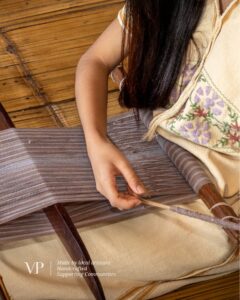
.Image credit by :vpada sandal
Handwoven Fabrics Sell Value, Not Volume
A handwoven fabric is not produced on a conveyor belt. It is created through time, patience, and knowledge passed down across generations.
Its price reflects:
-
Skilled manual labor
-
Traditional weaving techniques
-
Locally unique patterns
-
Cultural narratives embedded in design
Rather than competing with mass-produced textiles on price, Thai handmade fabrics occupy a premium value-based market. Buyers are not paying for material alone — they are investing in heritage.
And when this heritage is reimagined in contemporary forms, its value multiplies.
From Handwoven Textiles to Handmade Sandals
One of the most compelling examples of modern craftsmanship integration is footwear.
Sandals World recognized that traditional materials and artisanal techniques should not remain confined to museums or ceremonial garments. Instead, they can become part of everyday life through thoughtfully designed handmade sandals.
By combining traditional craftsmanship with modern aesthetics, Sandals World transforms cultural heritage into wearable, functional art. Each pair of sandals becomes more than footwear — it becomes a storytelling platform.
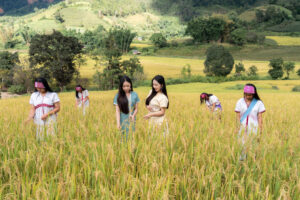
Sandals World and the Global Identity of Thailand Sandals
As global markets grow increasingly saturated with identical mass-produced goods, consumers are actively seeking authenticity.
This shift has created space for Thailand sandals rooted in handmade traditions. International customers are no longer only asking, “Is it stylish?” but also:
-
Who made it?
-
Where does it come from?
-
Does it respect people and the planet?
Sandals World answers these questions through transparent craftsmanship, thoughtful sourcing, and meaningful collaboration with artisan communities. Their designs embody Artistic Handmade Sandals objects that blend aesthetics, culture, and purpose.

2026: Where Craft, Fashion, and Sustainability Converge
Consumer behavior heading into 2026 reveals a clear direction. Sustainability is no longer optional; it is expected.
Modern buyers increasingly evaluate products through ethical lenses:
-
Environmental impact
-
Social responsibility
-
Longevity over disposability
The concept of sustainability aligns naturally with handmade production. Artisans produce in smaller batches, waste less material, and prioritize quality over speed. Art & Craft Sandals fit seamlessly into this mindset, offering durability and meaning rather than seasonal trends.
Handmade Sandals as a Community-Driven Economy
A single pair of handmade sandals supports far more than a brand.
It contributes to:
-
Artisans and craft groups
-
Material suppliers
-
Local economies
-
Knowledge preservation
This circular system ensures that income continues to flow back to its origin. Rather than extracting value, brands like Sandals World help communities retain ownership of their craftsmanship.
This model represents a sustainable economic future — one built on collaboration rather than exploitation.

Craftsmanship as Cultural Soft Power
Thai handicrafts function as cultural ambassadors. When woven textiles and handmade techniques are integrated into lifestyle products like sandals, culture travels with the wearer.
Every step taken in a pair of sandals becomes a silent conversation about heritage, identity, and craftsmanship. This is cultural soft power in motion subtle, authentic, and deeply human.
Why Handmade Still Matters in a Digital World
Despite rapid technological advancement, handmade products remain deeply relevant. In fact, their value increases as automation accelerates.
Handmade items remind us that:
-
Human skill matters
-
Time has worth
-
Stories enrich objects
This emotional connection is something mass production cannot replicate. It is why handmade sandals resonate with conscious consumers seeking meaning beyond convenience.
The Quiet Strength of Thai Craftsmanship
Thai handicrafts may appear quiet at first glance, but their impact is profound.
They sustain communities, preserve knowledge, and inspire modern innovation. When brands like Sandals World reimagine these traditions into Artistic Handmade Sandals, craftsmanship moves from static display into everyday life.
This is not merely fashion.
It is a sustainable future shaped by handmade values, cultural integrity, and global relevance.
And in that future, Thai craftsmanship does not fade it walks forward, step by step.

เมื่อผ้าทอไทยดูเหมือนไม่มีคนซื้อ
แต่กลับสร้างรายได้มหาศาล และกลายเป็นรากฐานของรองเท้าแตะแฮนด์เมดจาก Sandals World
หากคุณเคยเดินงานหัตถกรรมไทย ไม่ว่าจะเป็นงาน OTOP งานศิลปาชีพ หรืองานคราฟต์แฟร์
คุณอาจเคยรู้สึกเหมือนกันว่า
“คนเดินดูเยอะ ถ่ายรูปเยอะ แต่ไม่ค่อยเห็นใครซื้อจริง”
โดยเฉพาะบูธ ผ้าทอ ผ้าย้อมธรรมชาติ และงาน handmade จากชุมชน
ที่ดูเงียบกว่าสินค้าแฟชั่นหรือของใช้ทั่วไป
แต่ในอีกมุมหนึ่ง ตัวเลขรายได้จากภาคหัตถกรรมไทยกลับเติบโตต่อเนื่อง
และยังเป็นฐานสำคัญของแบรนด์ร่วมสมัยอย่าง Sandals World
ซึ่งนำงานฝีมือมาสร้างคุณค่าใหม่ในรูปแบบของ handmade sandals ที่ตลาดโลกกำลังต้องการ
บทความนี้จะพาคุณมองลึกกว่า “ภาพที่เห็นในงาน”
และเข้าใจว่าเหตุใดงานหัตถกรรมไทยจึงยังคงแข็งแรง
รวมถึงเหตุผลที่รองเท้าแตะแฮนด์เมดจากไทยกำลังเป็นหนึ่งในคำตอบของอนาคตที่ยั่งยืน

งานหัตถกรรมไทยไม่ได้ขายให้ “คนเดินงาน”
หนึ่งในความเข้าใจผิดที่พบบ่อยคือ
การวัดความสำเร็จของงานหัตถกรรมจากจำนวนถุงที่ลูกค้าถือออกจากงาน
ในความเป็นจริง ลูกค้าหลักของผ้าทอและงาน Art & Craft Sandals มักไม่ใช่ผู้บริโภคปลายทาง แต่คือ
-
แบรนด์แฟชั่น
-
นักออกแบบ
-
ร้านค้าพรีเมียม
-
ผู้ส่งออก
-
โครงการรัฐและองค์กรวัฒนธรรม
คนกลุ่มนี้อาจเดินงานอย่างเงียบ ๆ
ไม่ต่อราคา ไม่ถือถุง
แต่กลับเป็นผู้สร้างยอดขายหลักด้วยการ
สั่งเป็นผืน
สั่งเป็นล็อต
หรือทำสัญญาผลิตต่อเนื่อง
เพียงออเดอร์เดียวสามารถสร้างรายได้ให้ชุมชนทั้งหมู่บ้าน
นี่คือเหตุผลที่ “ความเงียบ” ในงาน
ไม่ใช่ตัวชี้วัดรายได้ที่แท้จริง
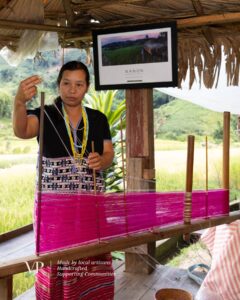
.Image credit by :vpada sandal
ตัวเลขเศรษฐกิจยืนยัน: หัตถกรรมไทยไม่ใช่ตลาดเล็ก
อุตสาหกรรมหัตถกรรมและสิ่งทอไทยมีมูลค่าหลายแสนล้านบาทต่อปี
และยังคงเติบโตจากความต้องการสินค้า handmade และ sustainability
ภาคส่วนนี้จ้างแรงงานจำนวนมาก
ตั้งแต่เกษตรกรผู้ปลูกฝ้าย
ช่างย้อมสีธรรมชาติ
ไปจนถึงช่างทอและนักออกแบบ
รายได้ไม่ได้กระจุกตัว
แต่กระจายลงสู่ชุมชนอย่างเป็นระบบ
นี่คือรูปแบบเศรษฐกิจที่ไม่ได้วัดจากจำนวนใบเสร็จในงานแฟร์
แต่วัดจากการหมุนเวียนของรายได้ในระยะยาว
ผ้าทอไทยขาย “คุณค่า” ไม่ใช่ “ปริมาณ”
ผ้าทอมือหนึ่งผืนไม่ได้เกิดจากสายพานการผลิต
แต่มาจากเวลา ความอดทน และภูมิปัญญาที่สืบทอดกันมาหลายชั่วอายุคน
ราคาที่สูงขึ้นไม่ได้หมายถึงความแพง
แต่สะท้อนถึง
-
แรงงานฝีมือ
-
เทคนิคเฉพาะถิ่น
-
ลวดลายที่มีเรื่องราว
-
อัตลักษณ์ที่เลียนแบบไม่ได้
สิ่งเหล่านี้ทำให้งาน handmade ของไทยไม่ต้องแข่งขันกับสินค้าราคาถูก
แต่สามารถยืนอยู่ในตลาดพรีเมียมได้อย่างมั่นคง
และเมื่อผ้าทอเหล่านี้ถูกนำไปต่อยอด
คุณค่าก็ไม่ได้หยุดอยู่แค่ “ผืนผ้า”
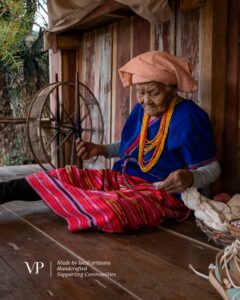
.Image credit by :vpada sandal
จากผ้าทอ สู่รองเท้าแตะแฮนด์เมด
หนึ่งในแนวทางการต่อยอดที่ชัดเจนและทรงพลังคือ
การนำงานหัตถกรรมมาใช้ในสินค้าไลฟ์สไตล์ เช่น รองเท้า
Sandals World คือแบรนด์ที่มองเห็นศักยภาพนี้อย่างชัดเจน
และนำงานฝีมือมาผสานกับดีไซน์ร่วมสมัย
เกิดเป็น handmade sandals ที่มีทั้งความสวยงามและความหมาย
รองเท้าแตะในมุมมองของ Sandals World
ไม่ใช่แค่ของใช้
แต่คือพื้นที่เล่าเรื่องของชุมชนและวัฒนธรรม

Sandals World กับบทบาทของ Thailand Sandals บนเวทีโลก
ในยุคที่ตลาดโลกอิ่มตัวกับสินค้า mass production
ผู้บริโภคเริ่มมองหาสินค้าที่มีตัวตน
Thailand sandals ที่ผลิตแบบ handmade
จึงกลายเป็นที่สนใจของตลาดต่างชาติ
โดยเฉพาะกลุ่มที่ให้ความสำคัญกับ
-
งานฝีมือ
-
สิ่งแวดล้อม
-
เรื่องราวเบื้องหลังสินค้า
Sandals World ใช้จุดแข็งของงานหัตถกรรมไทย
มาสร้าง Artistic Handmade Sandals
ที่ไม่เพียงใส่สบาย แต่สะท้อนคุณค่าทางวัฒนธรรม

ปี 2026: จุดตัดของแฟชั่น งานคราฟต์ และ Sustainability
แนวโน้มผู้บริโภคในปี 2026 ชัดเจนขึ้นเรื่อย ๆ
ผู้คนเริ่มตั้งคำถามว่า
“ของที่เราใช้มาจากไหน”
“ใครเป็นคนผลิต”
“ส่งผลกระทบต่อโลกอย่างไร”
แนวคิด sustainability จึงไม่ใช่แค่คำสวย ๆ
แต่กลายเป็นปัจจัยหลักในการตัดสินใจซื้อ
สินค้า Art & Craft Sandals ที่ผลิตอย่างรับผิดชอบ
มีความโปร่งใส และสนับสนุนชุมชน
จึงตอบโจทย์ไลฟ์สไตล์ยุคใหม่ได้อย่างแท้จริง
รองเท้า handmade กับเศรษฐกิจชุมชน
รองเท้าแตะแฮนด์เมดหนึ่งคู่
มีผลกระทบมากกว่าที่คิด
รายได้จากการขายไม่ได้จบที่แบรนด์
แต่ไหลย้อนกลับไปสู่
-
ช่างฝีมือ
-
กลุ่มหัตถกรรม
-
ผู้ผลิตวัตถุดิบ
นี่คือระบบเศรษฐกิจแบบกระจาย
ที่ช่วยให้ชุมชนอยู่ได้โดยไม่ต้องละทิ้งรากเหง้า

งานคราฟต์ไทยในบทบาท Soft Power
หัตถกรรมไทยไม่ใช่แค่สินค้า
แต่เป็น Soft Power ที่สื่อสารตัวตนของประเทศ
เมื่อผ้าทอและงาน handmade ถูกนำมาใช้ในสินค้าอย่าง sandals
เรื่องราวของชุมชนก็เดินทางไปพร้อมกับผู้สวมใส่
จากหมู่บ้านเล็ก ๆ ในไทย
สู่เมืองใหญ่ทั่วโลก
ความเงียบที่ทรงพลัง
งานหัตถกรรมไทยอาจไม่ส่งเสียงดังในงานแฟร์
แต่สร้างแรงสั่นสะเทือนทางเศรษฐกิจอย่างลึกซึ้ง
และเมื่อแบรนด์อย่าง Sandals World
นำงานเหล่านี้มาต่อยอดเป็น handmade sandals
คุณค่าของผ้าทอไทยจึงไม่ได้หยุดอยู่แค่ในพิพิธภัณฑ์
แต่กลายเป็นส่วนหนึ่งของชีวิตประจำวัน
นี่ไม่ใช่แค่เรื่องของแฟชั่น
แต่คืออนาคตของงาน handmade, sustainability
และเศรษฐกิจสร้างสรรค์ของไทย

#Sandalsworld #รองเท้าartandcraft #รองเท้าแตะสานแฮนด์เมด #artandcraftsandals #artistichandmadesandals #handmade #artandcraft #sandals #รองเท้าแฮนด์เมด #รองเท้าแตะใส่แล้วไม่ลื่น #รองเท้ายางพารา #ใส่ไปไหนก็ได้
บทความโดย
Art and craft sandals by Sandalsworld

ABOUT THE CONTENT CREATOR
BUNTHARIK INSIRI
(Content Writer)
The Largest HubArtistic Handmade Sandals
BY
SANDALS WORLD THAILAND
of Artistic Handmade Sandals in Thailand.