

COMMUNITY, Knowledge & Insights
Worn Once, Forgotten? Thailand’s Fast Fashion Waste Crisis
Mar
Worn Once, Forgotten Forever? How Fast Fashion Is Quietly Becoming Thailand’s Growing Waste Crisis
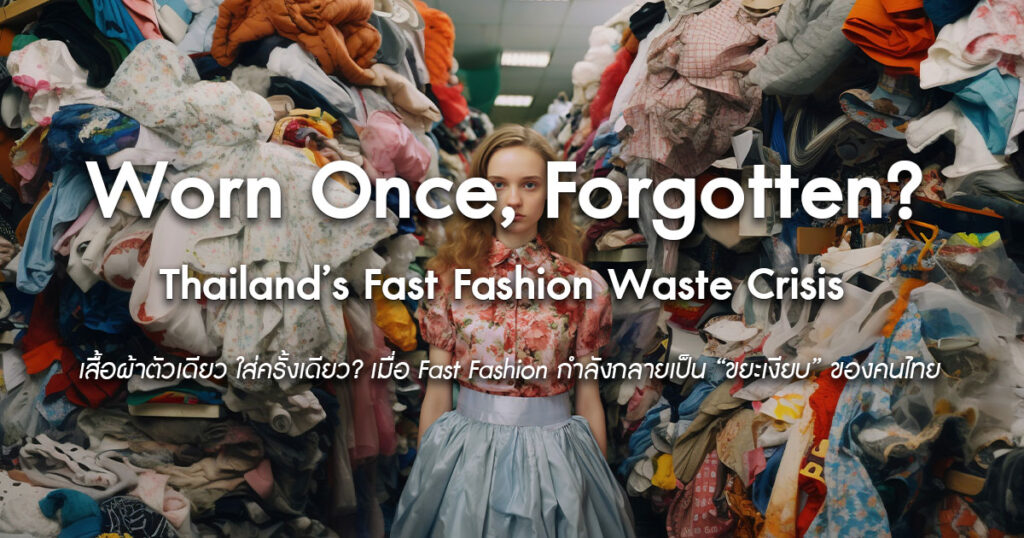
Have you ever bought an outfit just because you saw it on an influencer wore it once for a photo and then never touched it again?
Here’s a number that might make you pause:
40% of Thai consumers buy clothes that are worn only once.
This isn’t just a personal habit—it reflects a much larger issue driven by fast fashion, a system that encourages us to consume quickly, discard easily, and repeat endlessly.
In this article, we’ll explore the journey of a single piece of clothing from the moment you see it online to where it ends up and why it might be time to rethink how we shop.
What Is Fast Fashion? When Style Moves Faster Than Thought
Fast fashion is a business model built on speed: produce fast, sell fast, and replace fast. Brands release new collections weekly sometimes even daily to keep up with ever-changing trends.
At the center of this system is one powerful driver: social media and influencers.
Research shows that:
👉 86% of consumers decide to buy clothing after seeing influencers wear it.
One post. One scroll. One impulse purchase.
Fast fashion doesn’t just sell clothing—it sells urgency. It creates the feeling that if you don’t buy now, you’ll miss out.
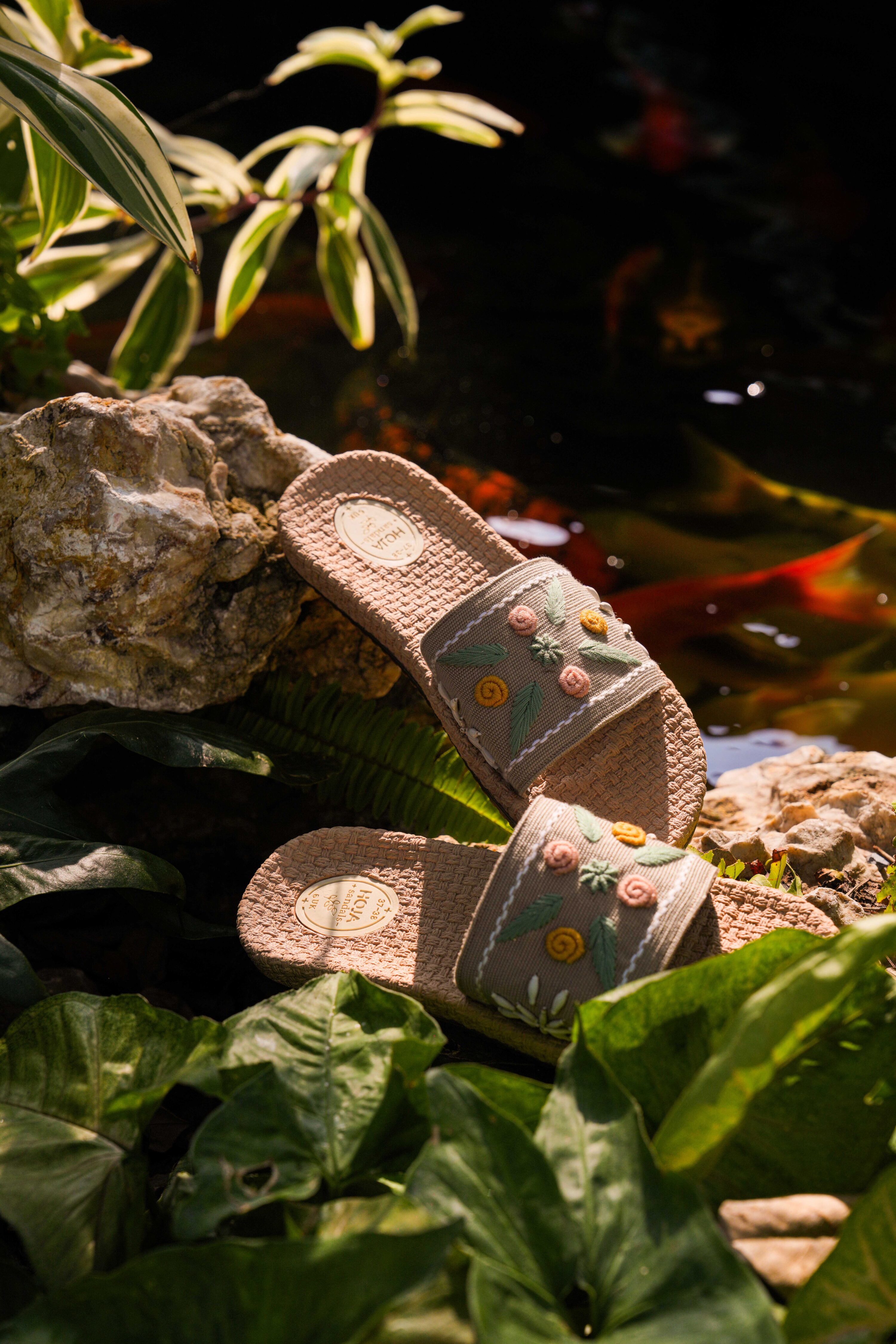
This is in stark contrast to products rooted in craftsmanship, such as handmade sandals or Artistic Handmade Sandals, which focus on longevity, thoughtful design, and meaningful production rather than short-lived trends.

The Hidden Cost — Cheap Clothes, Expensive Consequences
That $10 shirt might seem like a great deal but the real cost is often paid by the planet.
The global fashion industry:
-
Contributes 8–10% of total global carbon emissions
-
Produces nearly 20% of global wastewater
Behind every garment is a complex process involving water, chemicals, dyes, and energy. The faster we produce, the more we consume resources—and the more damage we create.
This is why sustainability is no longer just a trend it’s a necessity.
More brands and consumers are now shifting toward slower, more responsible alternatives, including Art & Craft Sandals, Thailand sandals, and other handmade products that prioritize quality, reduce waste, and support ethical production.
Where Does the Waste Go? The End We Don’t See
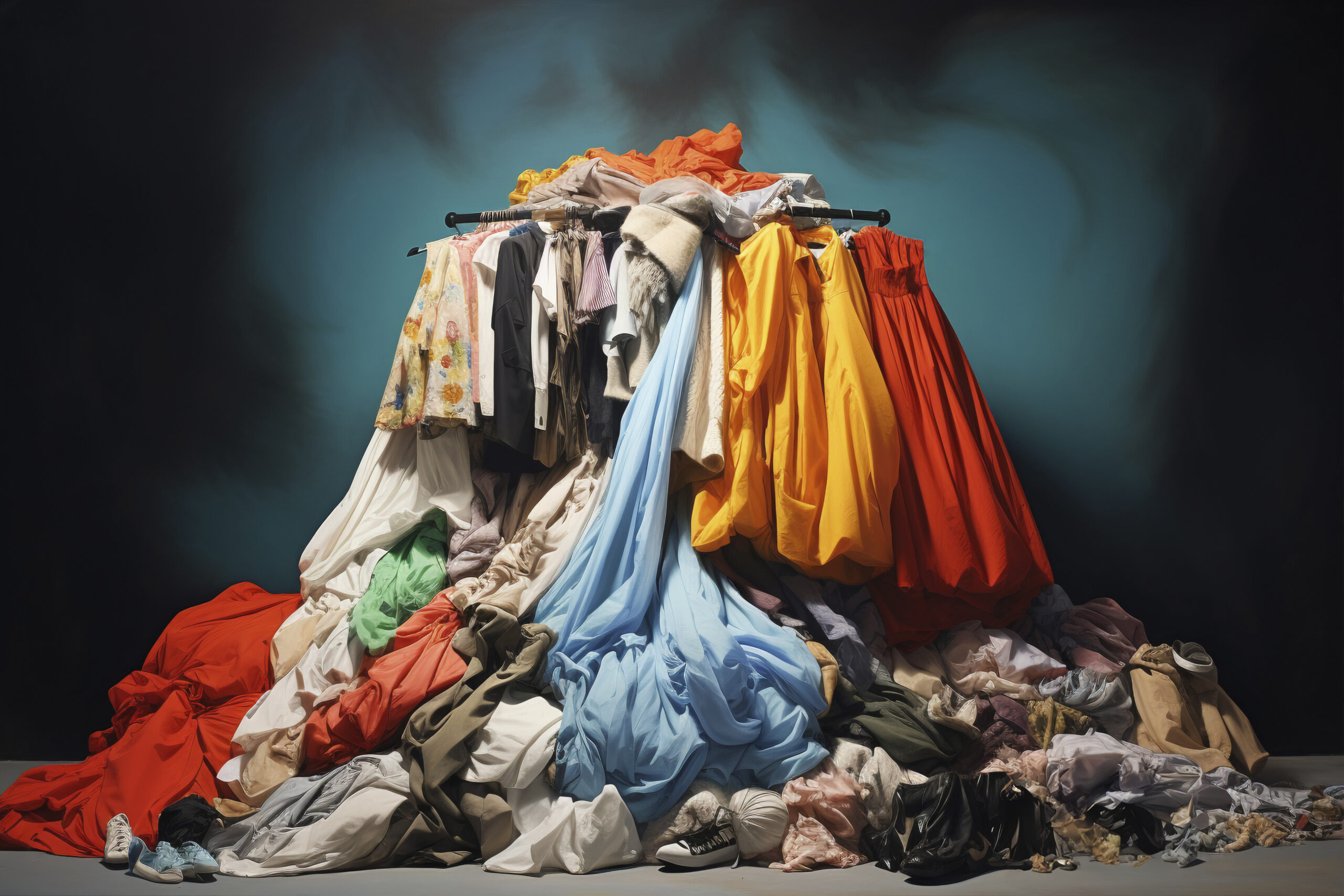
Every year, over 100 billion garments are produced globally.
Out of these, 92 million tons end up in landfills.
That shirt you wore once? It could take decades to decompose.
Even more concerning is the rise of greenwashing when brands market themselves as eco-friendly without making real environmental changes.
As consumers, our choices matter. Every purchase is a vote for the kind of system we support.
Choosing durable items—like well-crafted sandals or handmade sandals—means reducing waste before it even begins.
Thai Consumer Behavior — When Speed Becomes a Lifestyle
Thailand’s fashion consumption reflects a growing culture of immediacy.
The statistic that 40% of Thais wear clothes only once highlights a shift toward fast, trend-driven purchasing habits.
At the same time, Thailand’s textile and fashion industries continue to grow—both in production and domestic consumption.
However, a new movement is emerging.
Consumers are becoming more mindful and turning toward:
-
Handmade products
-
Unique, story-driven designs
-
Sustainable fashion alternatives
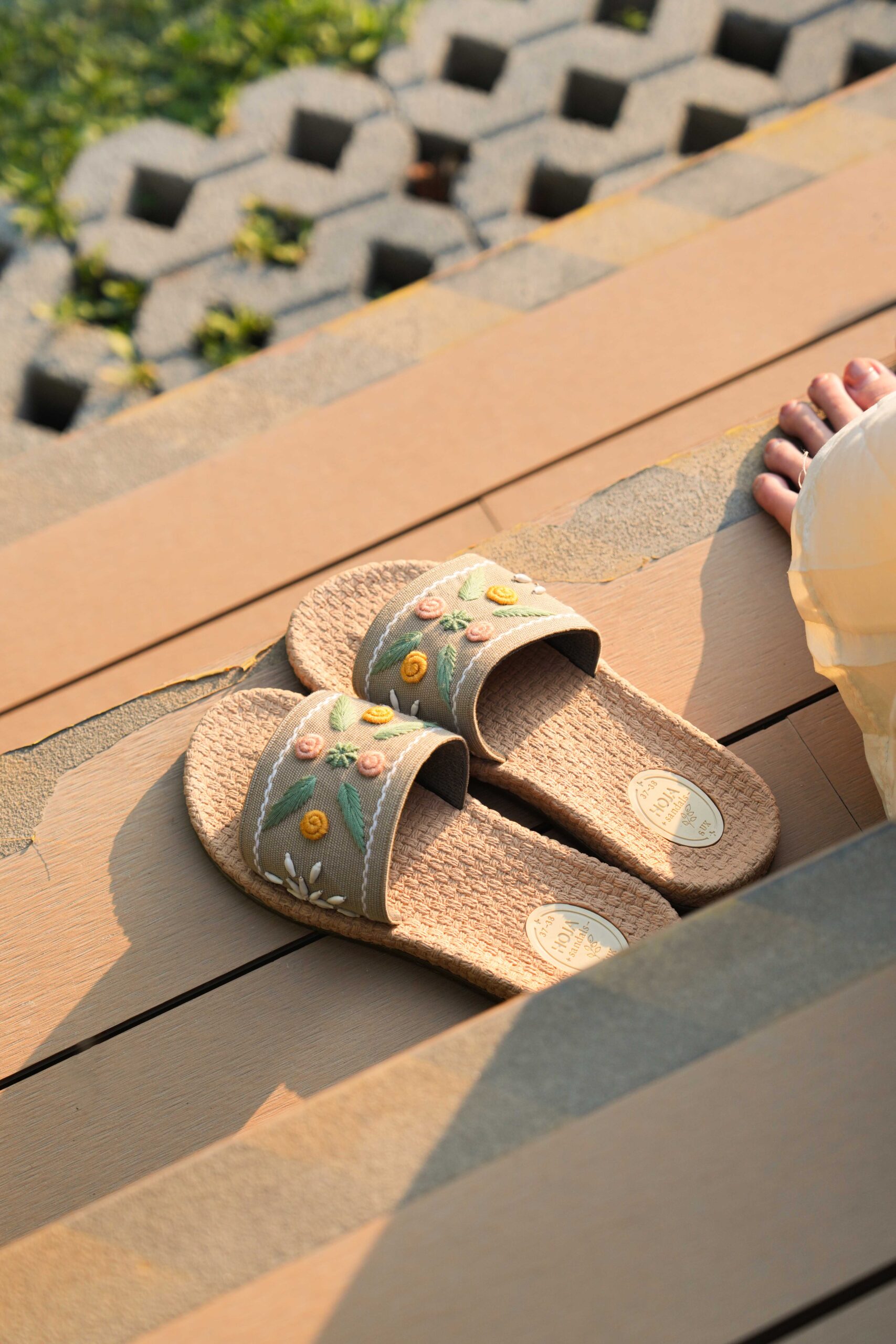
Brands like sandals world, along with locally crafted Thailand sandals, are gaining attention for offering more than just products—they offer purpose, identity, and a commitment to sustainability.
Thai Consumer Behavior — When Speed Becomes a Lifestyle
Thailand’s fashion consumption reflects a growing culture of immediacy.
The statistic that 40% of Thais wear clothes only once highlights a shift toward fast, trend-driven purchasing habits.
At the same time, Thailand’s textile and fashion industries continue to grow—both in production and domestic consumption.
However, a new movement is emerging.
Consumers are becoming more mindful and turning toward:
-
Handmade products
-
Unique, story-driven designs
-
Sustainable fashion alternatives
Brands like sandals world, along with locally crafted Thailand sandals, are gaining attention for offering more than just products—they offer purpose, identity, and a commitment to sustainability.
What You Can Do Today — Small Changes, Big Impact
You don’t need to stop shopping.
You just need to shop smarter.
Here are 4 practical steps you can start today:
1. Ask Before You Buy
“How many times will I wear this?”
If the answer is only once or twice, reconsider.
2. Choose Quality Over Quantity
Invest in durable items like handmade sandals or Artistic Handmade Sandals that last longer and reduce long-term waste.
3. Support Craftsmanship
Products like Art & Craft Sandals and brands such as sandals world help reduce mass production while supporting local artisans and communities.
4. Maximize What You Already Own
Re-style your existing wardrobe. Wear pieces more than once with confidence.
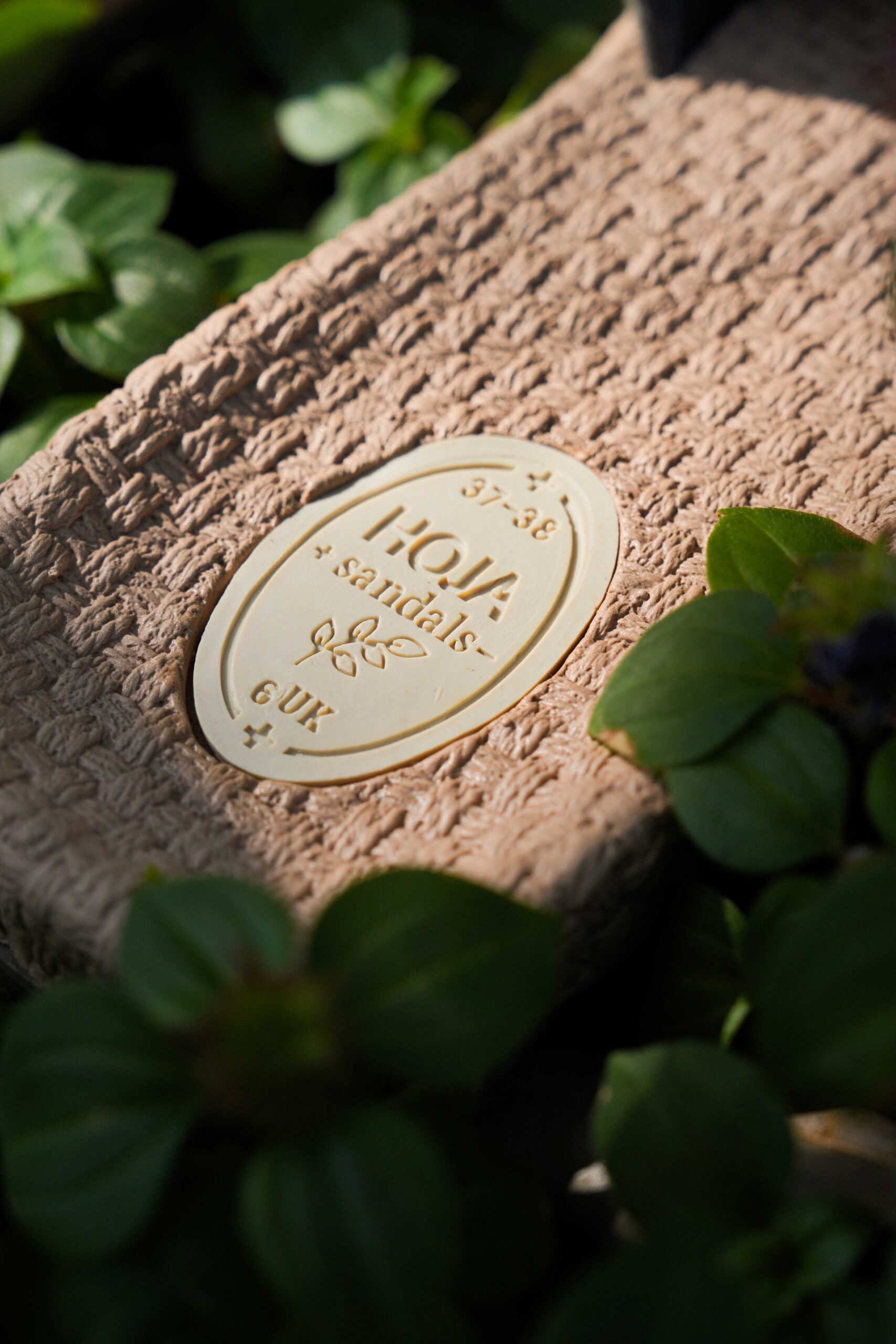
We’re Not Just Buying Clothes, We’re Choosing a Future
Fast fashion makes everything feel easy and instant.
But the planet doesn’t recover at the same speed.
One piece of clothing may seem small.
But multiplied by millions, it becomes a global problem.
The real question is no longer:
“What’s new to buy today?”
It’s:
“Is what I’m about to buy worth keeping—and wearing—for a long time?”
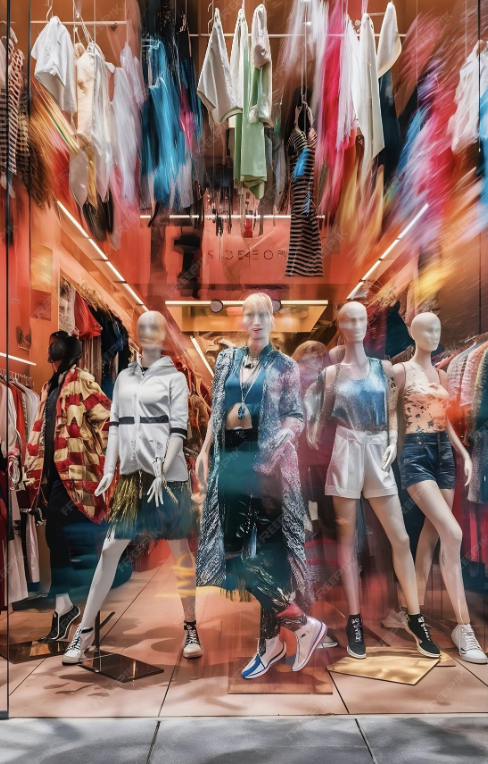
เสื้อผ้าตัวเดียว ใส่ครั้งเดียว? เมื่อ Fast Fashion กำลังกลายเป็น “ขยะเงียบ” ของคนไทย
เคยไหม…ซื้อเสื้อมาเพราะ “เห็นอินฟลูใส่แล้วดูดีมาก” ใส่ถ่ายรูปครั้งเดียว แล้วก็พับเก็บไว้ในตู้ หรือแย่กว่านั้น คือไม่เคยหยิบมาใส่อีกเลย
ตัวเลขหนึ่งที่ชวนสะดุ้งคือ คนไทยถึง 40% ซื้อเสื้อผ้ามาแล้วใส่เพียงครั้งเดียว ตัวเลขนี้ไม่ใช่แค่ “พฤติกรรมส่วนตัว” แต่มันกำลังสะท้อนถึงปัญหาใหญ่ที่เรียกว่า Fast Fashion ที่กำลังเร่งให้โลกหมุนเร็ว…และพังเร็วขึ้นโดยที่เราอาจไม่ทันรู้ตัว
บทความนี้จะพาคุณไล่ดูตั้งแต่ต้นทางถึงปลายทางของเสื้อผ้าหนึ่งตัว — และชวนตั้งคำถามง่าย ๆ ว่า “เราจำเป็นต้องซื้อจริงไหม?”
Fast Fashion คืออะไร — เมื่อแฟชั่นถูกเร่งให้เร็วเกินไป
Fast Fashion คือโมเดลธุรกิจที่เน้น “ผลิตเร็ว ขายเร็ว เปลี่ยนเร็ว” แบรนด์จะออกคอลเลกชันใหม่แทบทุกสัปดาห์ เพื่อตามเทรนด์ที่เปลี่ยนไวแบบวันต่อวัน
หัวใจสำคัญคือ “ความรู้สึกว่าต้องซื้อเดี๋ยวนี้”
และสิ่งที่ผลักดันความรู้สึกนั้นอย่างแรงก็คือ โซเชียลมีเดีย + อินฟลูเอนเซอร์
มีข้อมูลระบุว่า
👉 86% ของผู้บริโภคตัดสินใจซื้อเสื้อผ้าหลังเห็นอินฟลูเอนเซอร์ใส่
นั่นหมายความว่า แค่ภาพเดียวในฟีด Instagram หรือ TikTok สามารถเปลี่ยน “ความอยาก” ให้กลายเป็น “การซื้อ” ได้ทันที
Fast Fashion จึงไม่ได้ขายแค่เสื้อผ้า
แต่ขาย “ความรู้สึกว่าเราต้องตามให้ทัน”
ต่างจากสินค้าที่มีความเป็นงานฝีมือ เช่น handmade หรือ Artistic Handmade Sandals ที่เน้นคุณค่า ความตั้งใจ และการใช้งานระยะยาว มากกว่าการตามเทรนด์ระยะสั้น
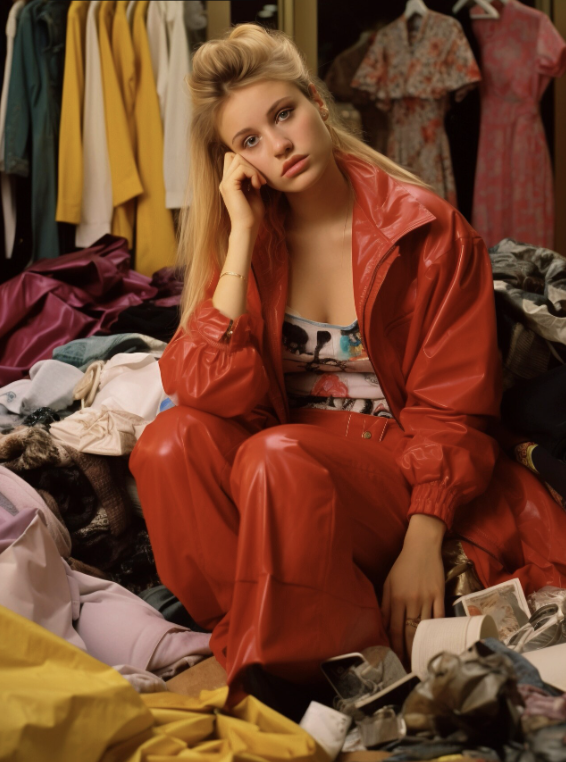
ต้นทุนที่ซ่อนอยู่ — เสื้อผ้าราคาถูก แต่อาจแพงสำหรับโลก
เสื้อผ้าราคาหลักร้อยที่เราซื้อ อาจมี “ต้นทุนที่เราไม่ได้จ่ายเอง” ซ่อนอยู่
อุตสาหกรรมสิ่งทอทั่วโลก:
-
ปล่อยก๊าซคาร์บอนประมาณ 8–10% ของทั้งโลก
-
ปล่อยน้ำเสียเกือบ 20% ของน้ำเสียทั้งหมด
ลองนึกภาพว่า เสื้อผ้า 1 ตัว
อาจผ่านกระบวนการย้อมสี ใช้น้ำจำนวนมาก ใช้สารเคมี และปล่อยของเสียลงสู่ธรรมชาติ
ยิ่งผลิตเร็ว → ยิ่งผลิตมาก → ยิ่งกระทบสิ่งแวดล้อมมาก
นี่คือเหตุผลที่คำว่า sustainability เริ่มกลายเป็นหัวใจสำคัญของอุตสาหกรรมแฟชั่น
และทำให้หลายแบรนด์เริ่มหันมาให้ความสำคัญกับงาน Art & Craft Sandals หรือสินค้าทำมือ เช่น Thailand sandals ที่ผลิตในจำนวนจำกัด ใช้วัสดุอย่างคุ้มค่า และลดของเสียในกระบวนการผลิต
ขยะไปอยู่ที่ไหน — ปลายทางที่เราไม่เคยเห็น
ทุกปีทั่วโลกมีการผลิตเสื้อผ้ามากกว่า 100,000 ล้านชิ้น
และในจำนวนนี้ มีถึง 92 ล้านตัน ที่กลายเป็นขยะและถูกฝังกลบ
ลองจินตนาการว่า
เสื้อผ้าที่คุณใส่แค่ครั้งเดียว
อาจใช้เวลา หลายสิบปี ในการย่อยสลาย
และที่น่ากังวลกว่านั้นคือ “Greenwashing”
หลายแบรนด์พยายามสื่อสารว่าตัวเองเป็นมิตรกับสิ่งแวดล้อม
แต่ในความเป็นจริงอาจเป็นเพียง “ภาพลักษณ์” มากกว่าการเปลี่ยนแปลงจริง
ดังนั้น การเลือกซื้อของผู้บริโภคจึงสำคัญมาก
เพราะทุกการตัดสินใจ = การโหวตให้กับระบบแบบหนึ่ง
ถ้าเราเลือกของที่ใช้ได้นาน เช่น รองเท้า sandals ที่ผลิตแบบ handmade sandals
เรากำลังลดขยะตั้งแต่ต้นทาง โดยไม่ต้องรอให้มันไปถึงหลุมฝังกลบ
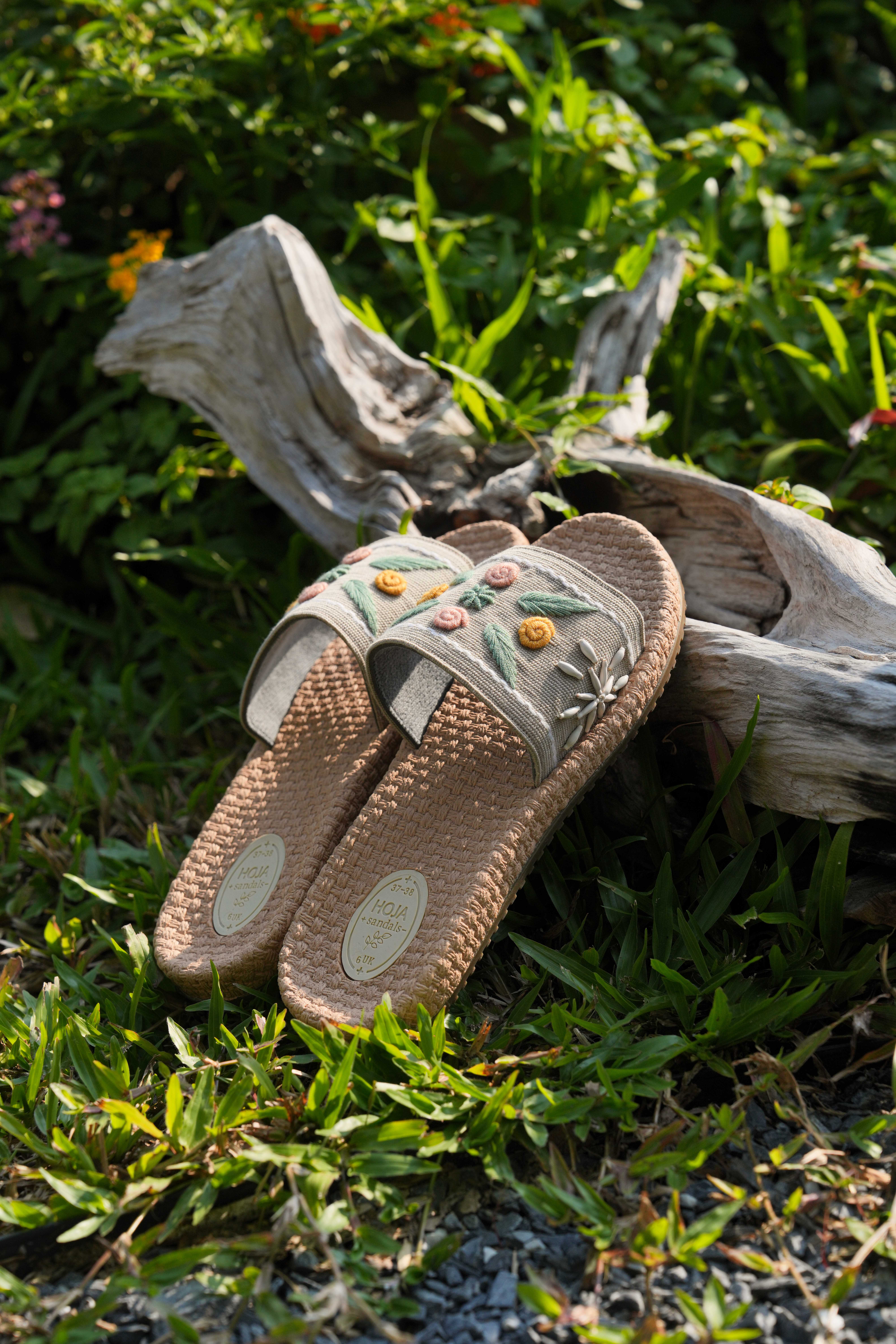
คนไทยกับการบริโภค — เมื่อความเร็วกลายเป็นนิสัย
พฤติกรรมของคนไทยในยุคนี้สะท้อนชัดเจนว่า
เราอยู่ในวัฒนธรรม “ซื้อเพื่อใช้ทันที” มากขึ้นเรื่อย ๆ
ตัวเลข 40% ที่ซื้อเสื้อผ้ามาแล้วใส่ครั้งเดียว
ไม่ใช่แค่เรื่องแฟชั่น
แต่เป็นเรื่องของ “ความสัมพันธ์กับการบริโภค”
อุตสาหกรรมสิ่งทอไทยเองก็เติบโตต่อเนื่อง
ทั้งในแง่การผลิตและการบริโภคภายในประเทศ
แต่ในขณะเดียวกัน ก็เริ่มมีแนวโน้มใหม่เกิดขึ้น
ผู้คนเริ่มหันมาสนใจสินค้าแบบ:
-
งานทำมือ (handmade)
-
งานศิลปะ (Artistic Handmade Sandals)
-
แบรนด์ที่มีเรื่องราว เช่น sandals world
เพราะสิ่งเหล่านี้ให้ “คุณค่า” มากกว่าแค่การใช้งาน
มันคือการสนับสนุนชุมชน ช่างฝีมือ และแนวคิดด้าน sustainability
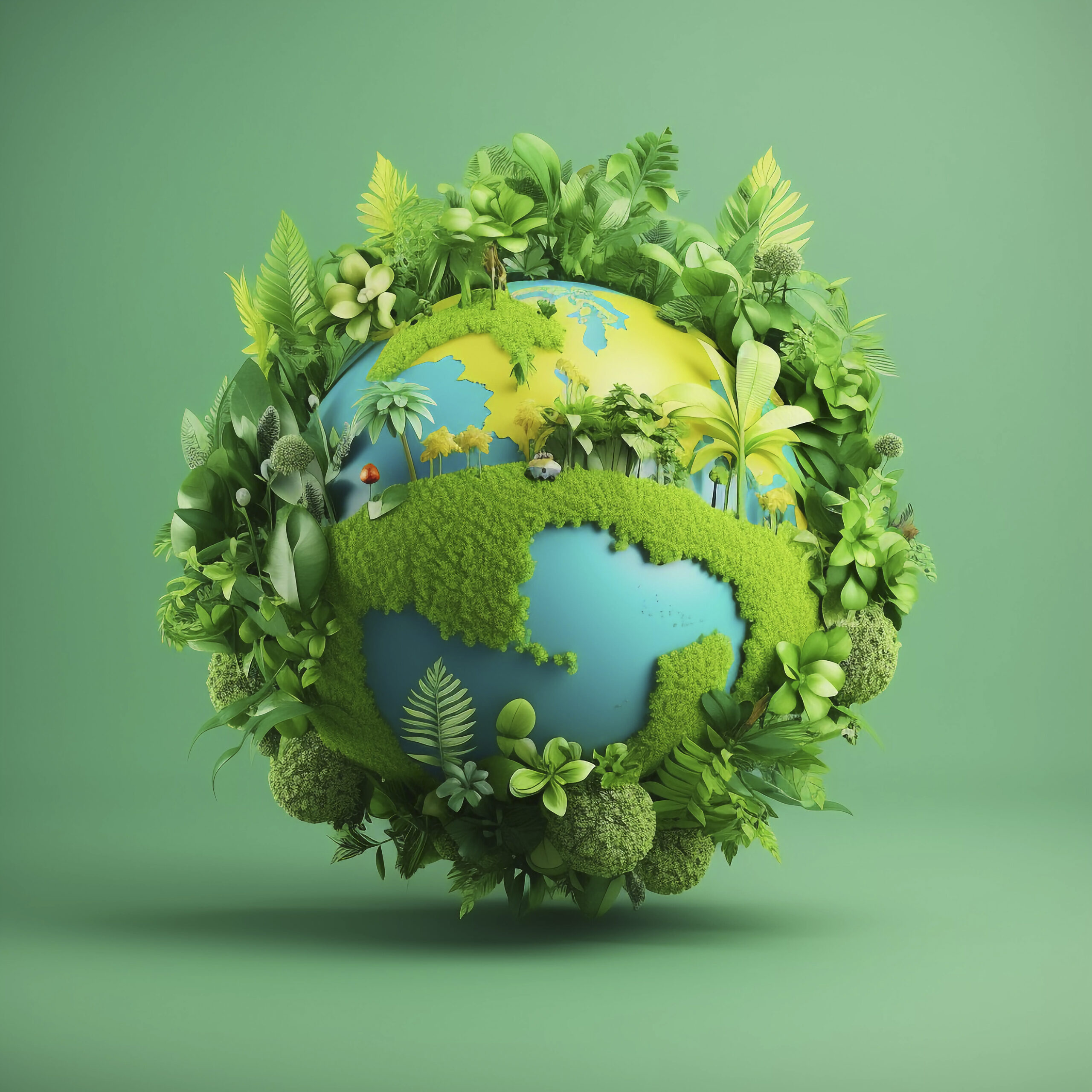
สิ่งที่ทำได้เลย — เปลี่ยนพฤติกรรมเล็ก ๆ ที่มีผลใหญ่
คุณไม่จำเป็นต้องเลิกซื้อเสื้อผ้า
แต่คุณสามารถ “ซื้ออย่างมีสติ” ได้
นี่คือ 4 วิธีที่เริ่มได้ทันที:
1. ตั้งคำถามก่อนซื้อ
“ฉันจะใส่มันกี่ครั้ง?”
ถ้าคำตอบคือ 1–2 ครั้ง อาจยังไม่จำเป็นต้องซื้อ
2. เลือกคุณภาพมากกว่าปริมาณ
เสื้อผ้าหรือรองเท้าที่ใช้ได้นาน เช่น Thailand sandals หรือ handmade sandals
อาจราคาสูงกว่า แต่คุ้มค่าระยะยาว
3. สนับสนุนงานฝีมือ
สินค้าแบบ Art & Craft Sandals หรือแบรนด์อย่าง sandals world
ช่วยลดการผลิตแบบ mass production และสนับสนุนชุมชน
4. ใช้ให้คุ้มก่อนซื้อใหม่
ลอง mix & match เสื้อผ้าเดิม
หรือใส่ซ้ำอย่างมั่นใจ เพราะสไตล์ไม่ได้วัดจาก “ความใหม่”
เราไม่ได้ซื้อแค่เสื้อผ้า แต่เรากำลังเลือกอนาคต
Fast Fashion ทำให้ทุกอย่าง “ง่ายและเร็ว”
แต่โลกใบนี้ไม่ได้ฟื้นตัวเร็วเท่าที่เราซื้อ
เสื้อผ้า 1 ตัว
อาจดูเป็นเรื่องเล็ก
แต่เมื่อรวมกันเป็นล้าน เป็นพันล้านชิ้น
มันกลายเป็นปัญหาที่ใหญ่เกินจะมองข้าม
คำถามสำคัญจึงไม่ใช่
“วันนี้มีอะไรใหม่ให้ซื้อ?”
แต่คือ
“สิ่งที่ฉันกำลังจะซื้อ…มันคุ้มค่าพอที่จะอยู่กับฉันได้นานแค่ไหน?”
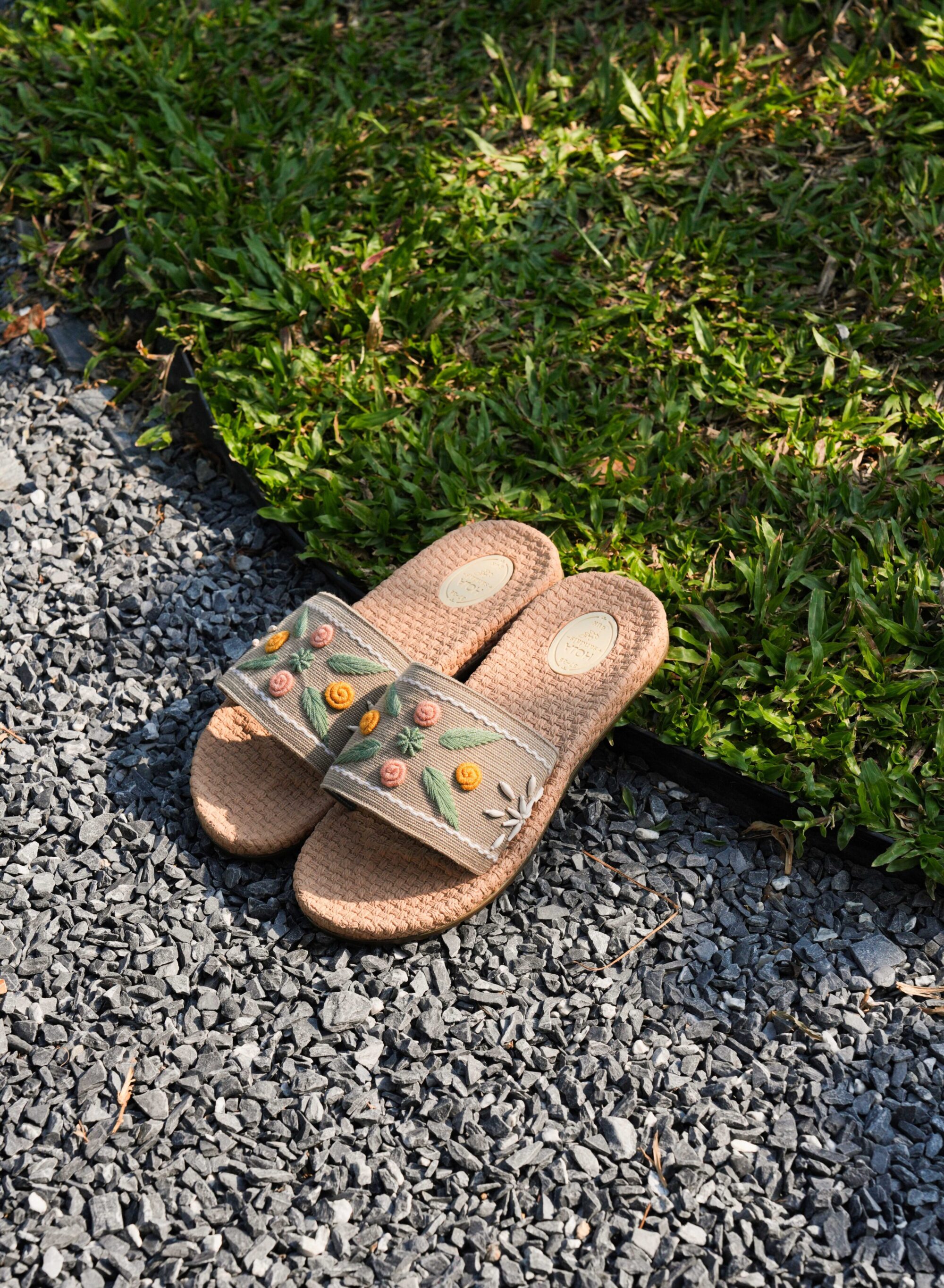
#Sandalsworld #รองเท้าartandcraft #รองเท้าแตะสานแฮนด์เมด #artandcraftsandals #artistichandmadesandals #handmade #artandcraft #sandals #รองเท้าแฮนด์เมด #รองเท้าแตะใส่แล้วไม่ลื่น #รองเท้ายางพารา #ใส่ไปไหนก็ได้
บทความโดย
Art and craft sandals by Sandalsworld thailand.

ABOUT THE CONTENT CREATOR
BUNTHARIK INSIRI
(Content Writer)
The Largest HubArtistic Handmade Sandals
BY
SANDALS WORLD THAILAND
of Artistic Handmade Sandals in Thailand.