

COMMUNITY, Knowledge & Insights, Sandals World News
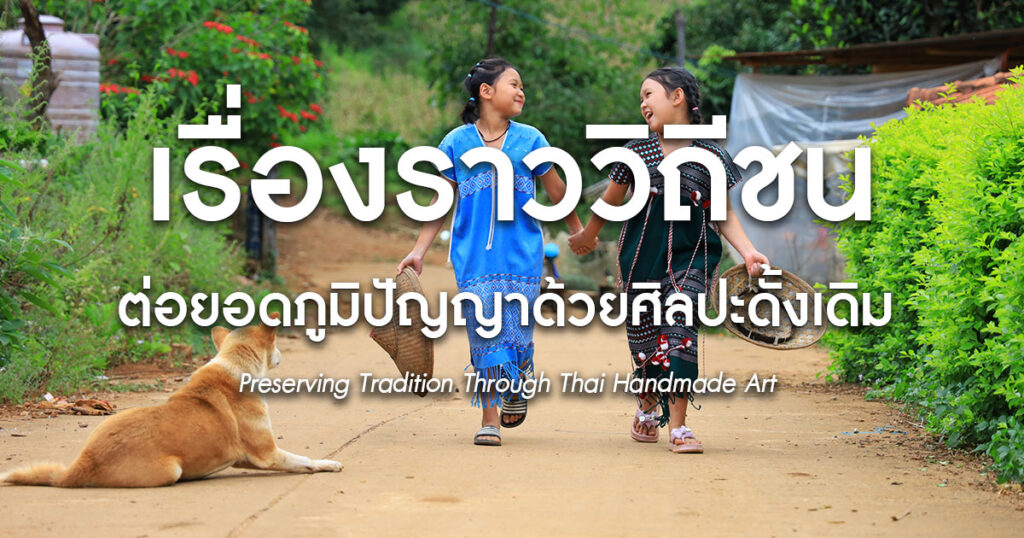
The Story of Ethnic Craftsmanship: Preserving Tradition Through Thai Handmade Art
Nov
The Story of Ethnic Craftsmanship: Preserving Tradition Through Thai Handmade Art
From Earth and Fabric to Handmade Sandals That Redefine Thai Craft
Nestled among fertile forests, gentle breezes, and small rural villages, the traditional lifestyle of Thailand’s ethnic communities reflects a deep connection to nature and ancestral heritage. For generations, people here have lived simply, guided by wisdom passed down from their elders wisdom that appears in their art, beliefs, and everyday routines.
But as modern life progresses, traditional ways of earning a living such as farming and hand-woven textiles are no longer enough to sustain stable income for many families. This shift has created a need to preserve cultural identity while opening new opportunities for sustainable growth.
This is where the idea of transforming traditional craftsmanship into modern handmade sandals began an idea that today has helped redefine Thai craft and bring community-made products to both national and international markets.
Traditional Ways of Life: Farming, Weaving, and the Heart of Ethnic Thai Culture
Before the rise of modern fashion or the popularity of Thai handmade products, rural communities survived through simple, meaningful ways of life rooted in the land.
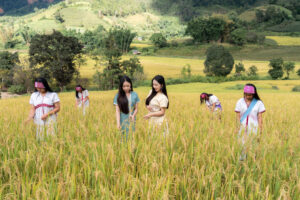
Farming: Growing Rice and Vegetables
Most men in the community spent their days growing rice and vegetables. Their income depended heavily on seasons, weather, and market prices. Although physically demanding, farming was the foundation of their pride and identity.

Women and the Art of Weaving
Women carried the heritage of weaving and sewing creating textiles for their families and selling some pieces for extra income. Each hand-woven textile held rich cultural meaning, reflecting patterns, beliefs, and stories unique to their ethnic group.
While beautiful and culturally significant, these two traditional income sources faced limitations. Seasons restricted farming, and handmade textiles often sold at low prices due to limited market reach.
This raised an important question:
How can we create stable income from traditional knowledge without losing cultural identity?
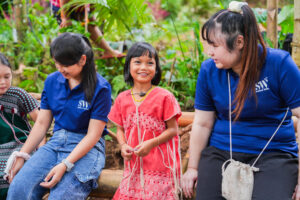
Traditional Art as the Bridge to Sustainable Opportunities
The answer lies within the community itself. When we looked deeper, we saw that weaving and textile craftsmanship were more than technical skills they were expressions of identity, a cultural language woven through generations.
This became the foundation of a new initiative centered on sustainable village design, a development model that states:
“We must modernize, but never abandon our roots.”
From this philosophy, the idea emerged:
Use traditional textiles to create modern products that people around the world can wear—handmade sandals.
Handmade sandals offer the perfect balance of practicality, market demand, and cultural storytelling. They preserve tradition while generating real income for the community.

Co-Designing With the Community: Crafting Unique Thai Handmade Sandals
What makes this project special is its emphasis on collaboration with the community. Instead of simply using their textiles, we invited the villagers to join every step of the process through a co-design approach.
What we developed together:
-
Selecting textile patterns unique to each ethnic group
-
Modernizing designs while preserving traditional meaning
-
Teaching footwear design and construction
-
Transforming woven fabric into artisanal handmade sandals
Each pair of handmade sandals represents the soul of Thai craft crafted by real hands, inspired by real stories, and designed with deep cultural meaning.
These sandals are not mass-produced; they are authentic artisanal pieces that reflect the identity of the people who created them.
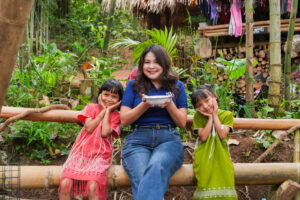
From Local Villages to Global Markets: Thai Craft That Travels
As the project grew, handmade sandals began catching attention from both Thai and international customers. Their appeal didn’t come only from their beauty—but from the stories behind every pair.
A single pair of artisanal sandals tells the story of:
-
The ethnic group it came from
-
The meaning behind each textile pattern
-
The artisan who crafted it
-
The traditional methods used in weaving and sewing
When these sandals reached international markets, they didn’t just sell—they introduced the world to the uniqueness of Thai craft.
This became a source of pride for the community and a new chapter for the future of ethnic handmade textiles.
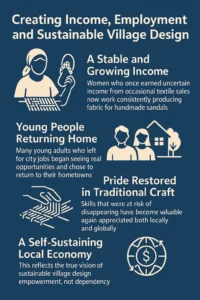
Creating Income, Employment, and Sustainable Village Design
The most important impact of all is what happened inside the community.
🌱 A Stable and Growing Income
Women who once earned uncertain income from occasional textile sales now work consistently producing fabric for handmade sandals.
🌱 Young People Returning Home
Many young adults who left for city jobs began seeing real opportunities and chose to return to their hometowns.
🌱 Pride Restored in Traditional Craft
Skills that were at risk of disappearing have become valuable again appreciated both locally and globally.
🌱 A Self-Sustaining Local Economy
This reflects the true vision of sustainable village design empowerment, not dependency.
From Fabric to Footwear: Stories Woven into Handmade Sandals
Every pair of handmade sandals is more than a product it is a journey.
A journey from the farmer’s land…
From the weaver’s loom…
From the stories of ethnic ancestors…
Into a modern craft that fits today’s global market.
This combination of Thai craft, artisanal design, and sustainable development is what makes the sandals special. They represent:
-
Cultural identity
-
Traditional wisdom
-
Contemporary creativity
-
And the future of community-based design
Handmade sandals are not just fashion accessories they are storytellers of the community.
Tradition + Craftsmanship + Modern Design = A New Future for Thai Communities
The transformation of ethnic textiles into handmade sandals proves that traditional craft can thrive when supported with the right vision and design. It shows that:
-
Heritage can be modern
-
Craft can be global
-
Communities can be sustainable
-
And culture can create real income
This journey is a powerful example of how Thai craft and sustainable village design can elevate small communities onto the world stage proudly, beautifully, and authentically.

เรื่องราววิถีชน ต่อยอดภูมิปัญญาด้วยศิลปะดั้งเดิม
จากผืนดินและผืนผ้า สู่ handmade sandals ที่สร้างเอกลักษณ์ใหม่ให้ชุมชนไทย
ท่ามกลางผืนป่าที่อุดมสมบูรณ์ ความชุ่มชื้นของลมฝน และเสียงหัวเราะในชุมชนเล็ก ๆ ตามชนบทของไทย ชีวิตผู้คนดำเนินไปอย่างเรียบง่ายตามวิถีดั้งเดิมที่สืบทอดกันมานานนับชั่วอายุคน
ผู้คนที่นี่ไม่เพียงอาศัยธรรมชาติ แต่ยังเคารพในสิ่งที่บรรพบุรุษมอบไว้ให้ ภูมิปัญญา, ศิลปะ, และวิถีชีวิตที่สะท้อนความงดงามของชนชาติพันธุ์ไทยอย่างแท้จริง
อย่างไรก็ดี…
แม้ความงดงามของวิถีชนจะเปี่ยมด้วยคุณค่า แต่ในโลกปัจจุบัน การดำรงชีวิตด้วยรูปแบบ “เดิม ๆ” เพียงอย่างเดียวกลับไม่สามารถสร้างความมั่นคงทางเศรษฐกิจได้อีกต่อไป
นี่จึงเป็นเหตุผลที่ “การต่อยอดภูมิปัญญาให้ทันสมัย” กลายเป็นหัวใจสำคัญของการสร้างโอกาสใหม่ให้ชุมชน
และการเดินทางครั้งนี้ คือจุดกำเนิดของ handmade sandals จากศิลปะดั้งเดิมที่กำลังเติบโตสู่ตลาดทั้งในประเทศและต่างประเทศ
วิถีชน: การปลูกผัก ปลูกข้าว และภูมิปัญญาผืนผ้า
ก่อนยุคแห่งแฟชั่นร่วมสมัย ก่อนคำว่า “Thai craft” จะถูกพูดถึงอย่างกว้างขวาง ชุมชนไทยจำนวนมากมีรูปแบบชีวิตที่เรียบง่ายและผูกพันกับผืนดิน
🌾 ผู้ชายกับอาชีพปลูกผัก–ปลูกข้าว
ชุมชนส่วนใหญ่ทำการเกษตรเป็นหลัก รายได้ไม่แน่นอน ขึ้นอยู่กับฝน แดด ฤดูกาล และราคาตลาด
แม้จะเหนื่อยยาก แต่ผู้คนก็ภาคภูมิใจในอาชีพนี้ เพราะมันคือรากเหง้าของวิถีชน
🧵 ผู้หญิงกับทักษะการเย็บผ้า–ถักผ้า
หญิงชาวบ้านในอดีตสืบสานศิลปะทอผ้า เย็บผ้า ถักผ้า ทั้งเพื่อสวมใส่เองและขายในตลาดใกล้ ๆ
แต่ค่าตอบแทนกลับไม่ค่อยสูง เพราะถูกจำกัดอยู่ในรูปแบบเดิม ๆ
ทั้งสองอาชีพสะท้อนคุณค่าดั้งเดิมอย่างชัดเจน
แต่ทั้งสองอย่างก็มีข้อจำกัดในเชิงรายได้
จึงเกิดคำถามสำคัญขึ้นว่า…
“เราจะทำอย่างไรให้ภูมิปัญญาที่มีอยู่เดิม สามารถสร้างรายได้ที่มั่นคงขึ้นได้?”
ศิลปะดั้งเดิมคือคำตอบ: การต่อยอดที่ไม่ได้ลบอดีต แต่ทำให้อดีตมีมูลค่าใหม่
เมื่อเรามองลึกลงไปในชุมชน เราเห็นว่าความสามารถด้านการถักเย็บผ้าไม่ใช่แค่ทักษะ
แต่คือ ตัวตน ของผู้คนที่นี่
คือ “ภาษาวัฒนธรรม” ที่บอกเล่าเรื่องราวของชนชาติพันธุ์ ผ่านสีสันและลวดลายบนเส้นด้าย
นี่จึงเป็นจุดเริ่มต้นของโครงการพัฒนาชุมชนผ่านศิลปะแบบ sustainable village design
แนวคิดที่ตั้งอยู่บนหลักว่า
“พัฒนาได้ แต่ต้องไม่ทิ้งรากเหง้า”
เราเลือกที่จะนำศิลปะการทอผ้า—ภูมิปัญญาที่ฝังอยู่ในชีวิตผู้คน—มาต่อยอดให้เป็นผลิตภัณฑ์ที่ทันสมัยยิ่งขึ้น
และผลิตภัณฑ์ที่ตอบโจทย์มากที่สุดคือ…
รองเท้าแตะแฮนด์เมด (handmade sandals) ที่ชุมชนทำด้วยมือจริง ๆ
เพราะมันเป็นสินค้าที่ใส่ได้จริง ตลาดต้องการสูงต้นทุนไม่มากและที่สำคัญอีกทั้งยังสามารถเล่าเรื่องราวของชุมชนผ่านลวดลายของผ้าได้อย่างงดงาม

ออกแบบลวดลายร่วมกับชุมชน: การสร้างเอกลักษณ์ใหม่ของ Thai Craft
สิ่งที่ทำให้โปรเจกต์นี้ไม่เหมือนใคร คือการทำงานร่วมกับชุมชนแบบ 100%ไม่ใช่การนำผ้าชาวบ้านมาใช้เฉย ๆ แต่เป็นการ ออกแบบร่วมกัน (Co-design)
เราทำอะไรบ้าง?
-
พูดคุยกับหมู่บ้านเรื่องลวดลายประจำชนเผ่า
-
เลือกลายผ้าที่สะท้อนอัตลักษณ์ของชนชาติพันธุ์
-
ปรับลวดลายให้เข้ากับแฟชั่นร่วมสมัย
-
สอนทักษะการออกแบบรองเท้า (footwear design)
-
นำไปผลิตเป็น artisanal handmade sandals
รองเท้าแต่ละคู่ที่เกิดจากโครงการนี้ ไม่ใช่แค่รองเท้า แต่คือชิ้นงานศิลปะจาก Thai craft ที่เล่าเรื่องราวของผู้คนจริง ๆ
ฝีมือชุมชนที่ส่งออกได้: ความภูมิใจที่เดินทางไกลกว่าเดิม
เมื่อโครงการเริ่มเติบโต เราพบว่ารองเท้าเหล่านี้ได้รับความสนใจจากลูกค้าทั้งคนไทยและต่างประเทศเพราะมันไม่ใช่สินค้า mass แต่เป็นสินค้าที่มีเรื่องราว (Storyselling)
รองเท้าหนึ่งคู่บอกเล่าว่า
-
มาจากชนชาติพันธุ์ไหน
-
ลายบนผ้ามีความหมายอะไร
-
ทำโดยใคร และทำอย่างไร
-
เป็นงานฝีมือคนไทยแบบแท้จริง
เมื่อสินค้าเดินทางออกไปต่างประเทศ แต่มันสร้าง เอกลักษณ์ใหม่ให้ Thai Craft และยิ่งสร้างความภาคภูมิใจกลับมาสู่ชุมชน
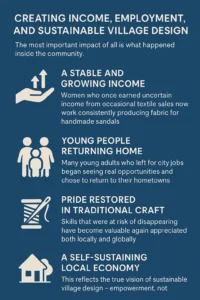
สร้างงาน–สร้างรายได้–สร้างอนาคตที่ยั่งยืน (Sustainable Village Design)
สิ่งที่สำคัญที่สุดคือผลลัพธ์ที่เกิดขึ้นในชุมชน
🌱 รายได้เพิ่มขึ้นจริง
ผู้หญิงที่เคยมีรายได้ไม่แน่นอนจากการขายผ้า
ตอนนี้มีงานทำสม่ำเสมอจากการทอผ้าเพื่อทำรองเท้า
🌱 คนรุ่นใหม่กลับบ้าน
หลายครอบครัวที่เคยต้องแยกย้ายกันไปทำงานในเมือง
เริ่มเห็นโอกาสกลับมาทำงานในหมู่บ้าน
🌱 ความภูมิใจในงานฝีมือ
ศิลปะที่เคยถูกขายในราคาถูก
กลับถูกยกระดับเป็นผลงานระดับประเทศและสากล
🌱 ชุมชนมีระบบเศรษฐกิจแบบพึ่งพาตนเอง
นี่คือเป้าหมายสูงสุดของ sustainable village design

จากผืนผ้า → handmade sandals → เรื่องราวที่ส่งต่อ
ทุกคู่ของรองเท้าแฮนด์เมดไม่ใช่แค่การผลิตแต่คือการเดินทางของ “เรื่องเล่า”และนี่คือสิ่งที่ทำให้สินค้าไทยมีคุณค่าเหนือราคา เพราะทุกเส้นด้าย ทุกฝีเข็ม คือเรื่องราวของคนที่อยู่เบื้องหลังคนที่สืบทอดศิลปะนี้มาอย่างยาวนาน
รองเท้า handmade sandals แต่ละคู่จึงเป็น
-
ความทรงจำของชนชาติพันธุ์
-
ความงดงามของวิถีดั้งเดิม
-
ความร่วมสมัยของดีไซน์
-
และความหวังของชุมชนในอนาคต
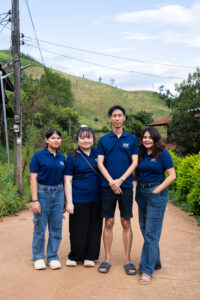
วิถีชน + ภูมิปัญญา + ดีไซน์สมัยใหม่ = โอกาสใหม่ของไทย
การนำศิลปะดั้งเดิมมาต่อยอด ไม่ได้หมายถึงการเปลี่ยนแปลงจนหายไปแต่คือการ “อนุรักษ์ในรูปแบบที่ทำให้มันอยู่รอดได้จริง” และ handmade sandals จากผ้าทอชุมชน คือหนึ่งในตัวอย่างที่ดีที่สุดของการผสมผสานระหว่าง
-
งานหัตถกรรม (Thai Craft)
-
ดีไซน์ร่วมสมัย
-
ความยั่งยืนแบบชุมชน (Sustainable Village Design)
นี่คือเรื่องราวของชุมชนเล็ก ๆ ที่ใช้ภูมิปัญญาดั้งเดิมสร้างโอกาสใหญ่และเป็นภาพสะท้อนว่า “รากเหง้าไทย” สามารถเดินไปบนถนนสากลได้อย่างสง่างาม
#Sandalsworld #รองเท้าartandcraft #รองเท้าแตะสานแฮนด์เมด #artandcraftsandals #artistichandmadesandals #handmade #artandcraft #sandals #รองเท้าแฮนด์เมด #รองเท้าแตะใส่แล้วไม่ลื่น #รองเท้ายางพารา #ใส่ไปไหนก็ได้
บทความโดย
Art and craft sandals by Sandalsworld thailand.

ABOUT THE CONTENT CREATOR
BUNTHARIK INSIRI
(Content Writer)